Quick answer
For cold weather walks, start with a snug base layer or your dog's natural coat, then add a fleece-lined protective vest like the SpikeJacket or layer a CoyoteVest over a thin fleece. Always check fit at the chest and legs, and never sacrifice mobility for warmth.
Why layering matters for winter protection
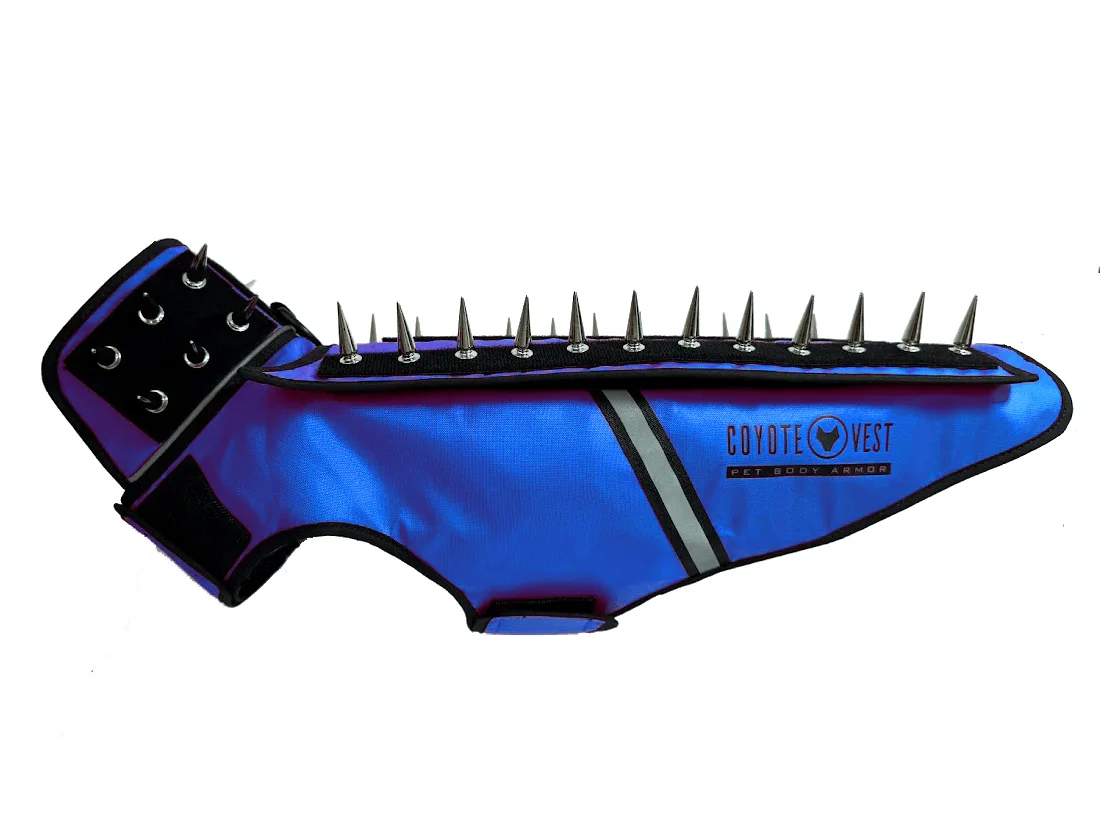
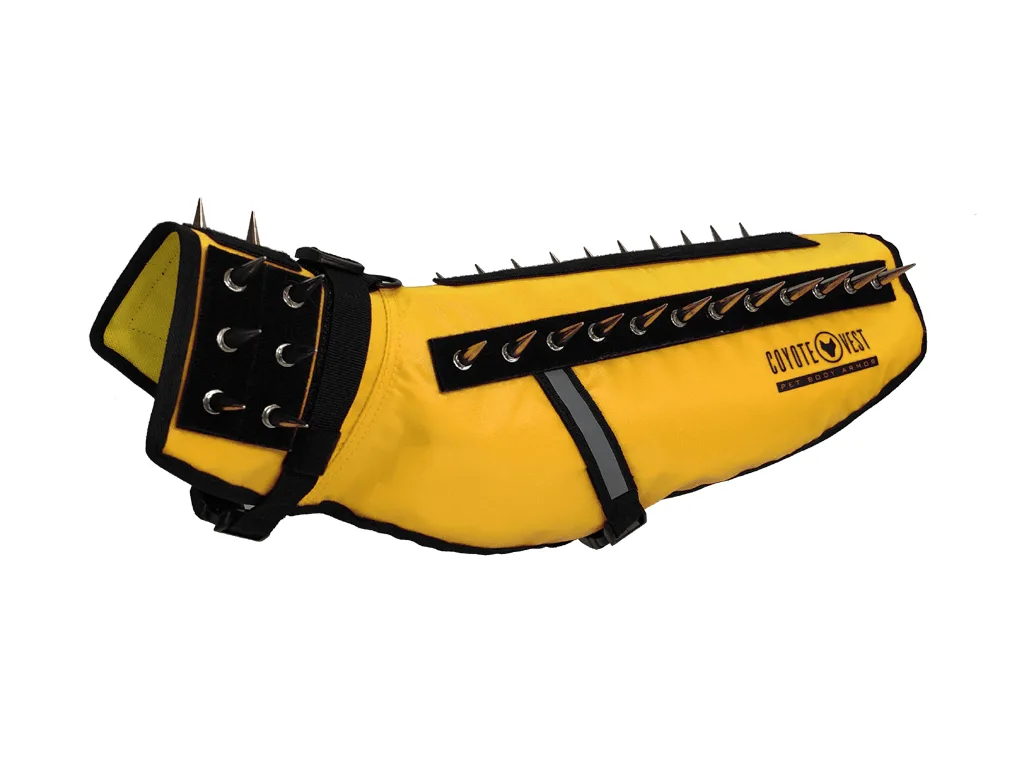
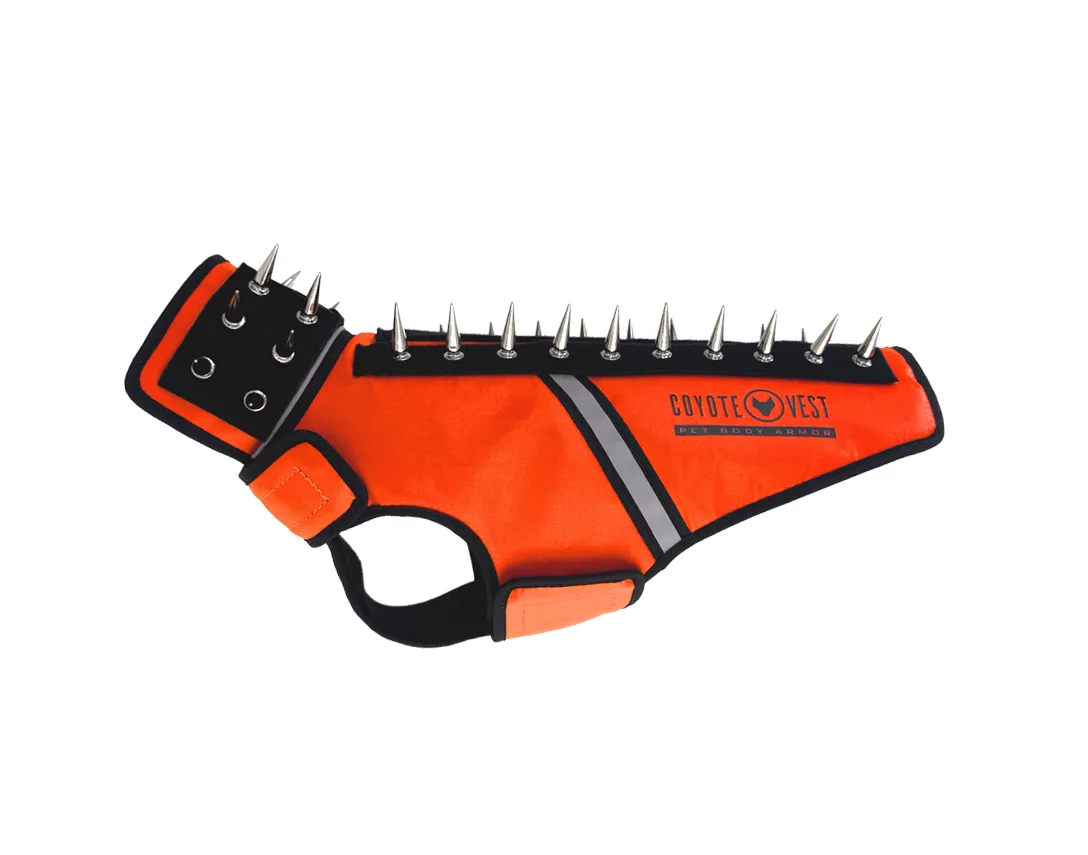
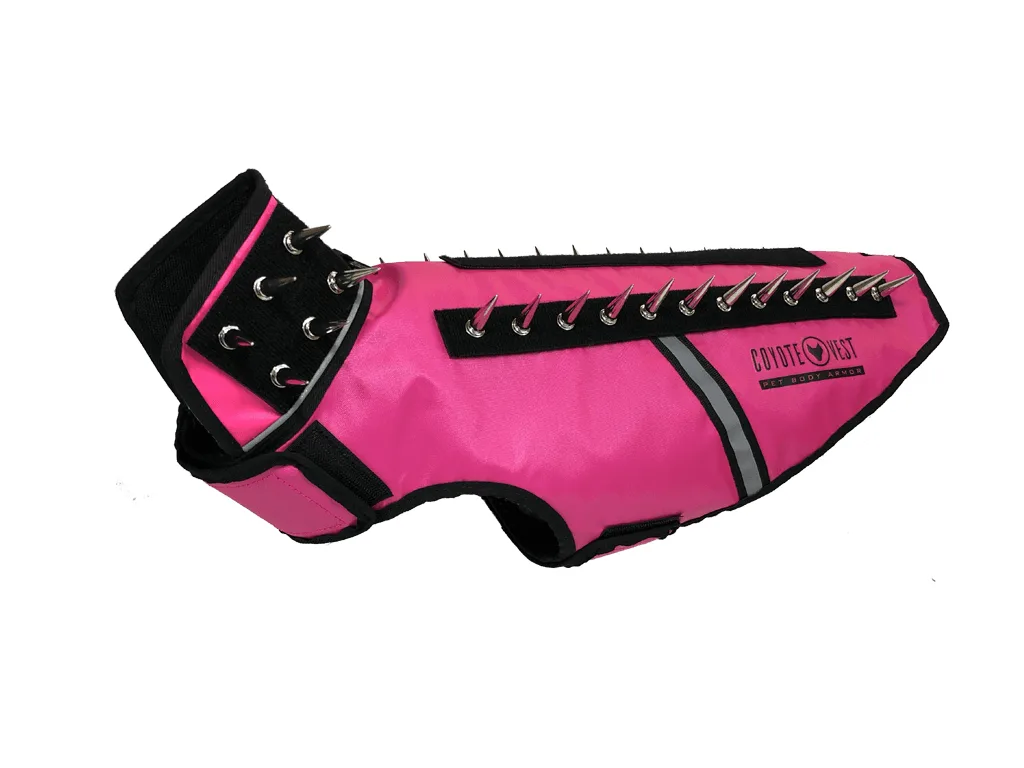
Cold weather adds two problems: your dog loses body heat, and thick coats can make a protective vest fit poorly. Layering solves both by separating warmth from armor. A fleece liner traps heat close to the body, while the outer protective layer stays loose enough to move with your dog. This is especially important for short-haired or small breeds that feel the cold quickly. If you already use a CoyoteVest for coyote protection, adding a liner underneath can extend its use into winter without buying a whole new system.
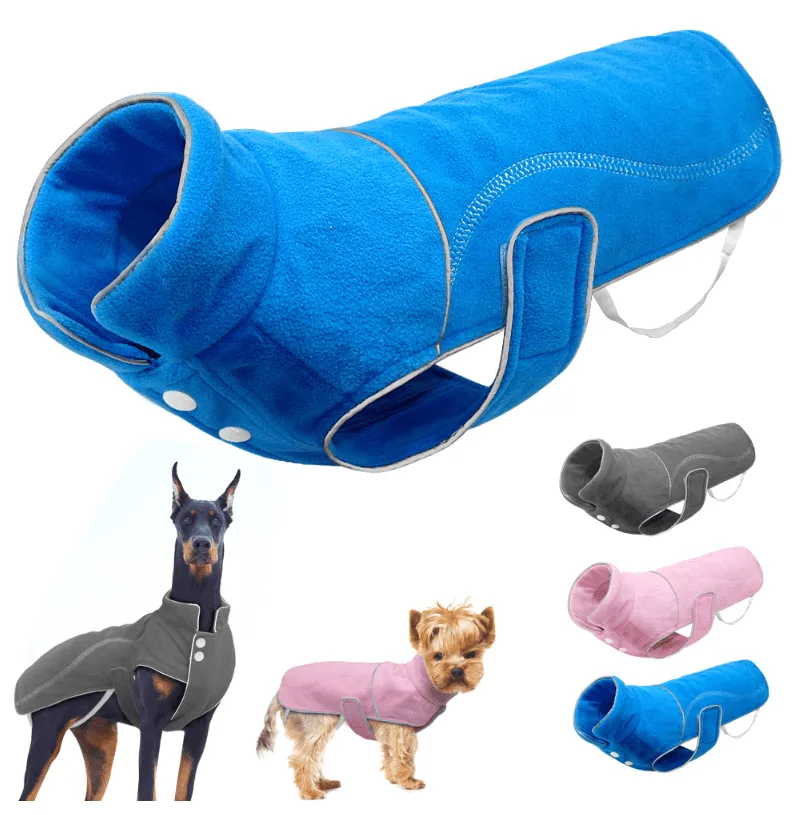
fleece liner
Choose the right base and mid layers
Start with a base layer that wicks moisture if your dog will be active. A simple fleece dog sweater works well, but avoid bulky knits that bunch under armor. For the mid layer, a purpose-built fleece liner dog vest gives you the best fit because it's cut to match the vest's shape. The SpikeJacket already includes a sewn-in polar fleece liner and a chest guard, so it can act as both mid and outer layer in one piece. If you use a separate liner, look for one that covers the chest and belly without adding bulk at the shoulders.
Layer the protective vest correctly
Put the base layer on first, then the fleece liner, then the protective vest. Fasten all closures and check that the vest sits high on the neck and covers the chest. The side panels should overlap slightly but not pinch. For dogs that wear a CoyoteVest, the patented stab-resistant side panels are designed to slow down surprise attacks, so they need to lie flat against the body. If the liner creates wrinkles under the armor, size up the liner or switch to a thinner one. Always do a test walk around the block before heading out on a long winter walk.
Step-by-step layering for cold weather walks
- Start with a clean, dry dog: Brush out loose fur and make sure the coat is dry. Damp fur under layers can cause chilling and matting. Checkpoint: If your dog is wet from rain or snow, dry thoroughly before layering.
- Add a base layer if needed: For very cold days or short-haired breeds, put on a thin fleece sweater or base layer that wicks moisture. Avoid cotton, which holds dampness. Common mistake: Skipping the base layer and going straight to a thick liner can cause overheating during active walks.
- Choose your mid layer: fleece liner or integrated jacket: If your protective vest doesn't have a liner, add a fleece liner dog vest. If you're using a SpikeJacket, its sewn-in polar fleece liner and chest guard already serve as the mid layer. Checkpoint: The liner should cover the chest and belly but not bunch at the shoulders.
- Put on the protective outer layer: Fasten the CoyoteVest, HawkVest, or SpikeJacket over the liner. Adjust straps so the vest sits high on the neck and covers the chest. The side panels should lie flat without wrinkles. Common mistake: Fastening the vest too loosely, which lets it shift and reduces protection.
- Check fit and mobility: Have your dog walk, sit, and lie down. Watch for rubbing at the armpits or tightness across the chest. You should be able to fit two fingers under the straps. Checkpoint: If your dog resists moving or tries to bite the vest, it's too tight or the layers are bunched.
- Monitor during the walk: Watch for signs of overheating: heavy panting, lagging, or trying to lie in snow. Cold-weather walks can still cause overheating if layers are too warm for the activity level. Next step: If your dog seems warm, remove the mid layer and keep the protective vest on for safety.
Product facts
- SpikeJacket: The SpikeJacket uses a similar design as the SpikeVest but adds a sewn-in polar fleece liner and a chest guard to keep heat inside and elements outside. This makes it a one-piece solution for cold weather, reducing the need for a separate mid layer.
- CoyoteVest: The CoyoteVest has stab-resistant side panels reinforced to slow down or prevent surprise attacks from coyotes, aggressive dogs, and birds of prey. When layering, these panels must sit flat and unobstructed to work as intended, so choose a thin liner underneath.
- HawkVest: The HawkVest is designed to protect against aerial threats like large birds of prey, providing a first line of defense. For areas with raptor activity, layering a HawkVest over a fleece liner adds warmth without compromising the vest's protective fit.