As temperatures drop, keeping your dog warm during outdoor adventures becomes a top priority. But piling on too many layers can actually backfire—restricting your pup's natural movement, causing overheating, or leading to discomfort. The key is mastering the art of dog layering: using the right combination of base layers, mid-layers, and outerwear to trap heat without sacrificing flexibility.
Whether you're braving a snowy hike or just heading out for a quick potty break on a frosty morning, understanding how to layer dog outerwear effectively will keep your furry friend cozy, safe, and happy. In this guide, we'll break down the science of canine layering, recommend specific products from Little Beast, and share tips to ensure your dog stays warm without feeling like they're in a straitjacket.
Why Layering Matters for Dogs
Dogs have different coat types and body fat percentages, which means their cold tolerance varies widely. A short-haired Chihuahua will need far more insulation than a thick-coated Husky. Layering allows you to customize warmth based on your dog's specific needs and the activity level. For example, a brisk walk generates body heat, so you might want a lighter combo, while standing still at a dog park calls for extra insulation.
Layering also helps manage moisture. A damp undercoat can make your dog freeze quickly. By using a moisture-wicking base layer, you keep sweat away from the skin, while a breathable mid-layer traps warmth, and a windproof outer layer blocks the elements. This three-layer system is the same principle humans use for winter sports—and it works just as well for your four-legged companion.
- Start with a thin, snug base layer to wick moisture away from the skin.
- Add a mid-layer for insulation, like a fleece or sweater.
- Finish with an outer shell that is windproof and water-resistant but still allows free movement.
Choosing the Right Base Layer
The base layer sits directly against your dog's skin, so it should be soft, breathable, and non-restrictive. Look for materials like merino wool or synthetic blends that wick moisture and dry quickly. Avoid cotton, which holds moisture and can make your dog cold. A well-fitted base layer should be snug but not tight—you should be able to slide two fingers between the fabric and your dog's body.
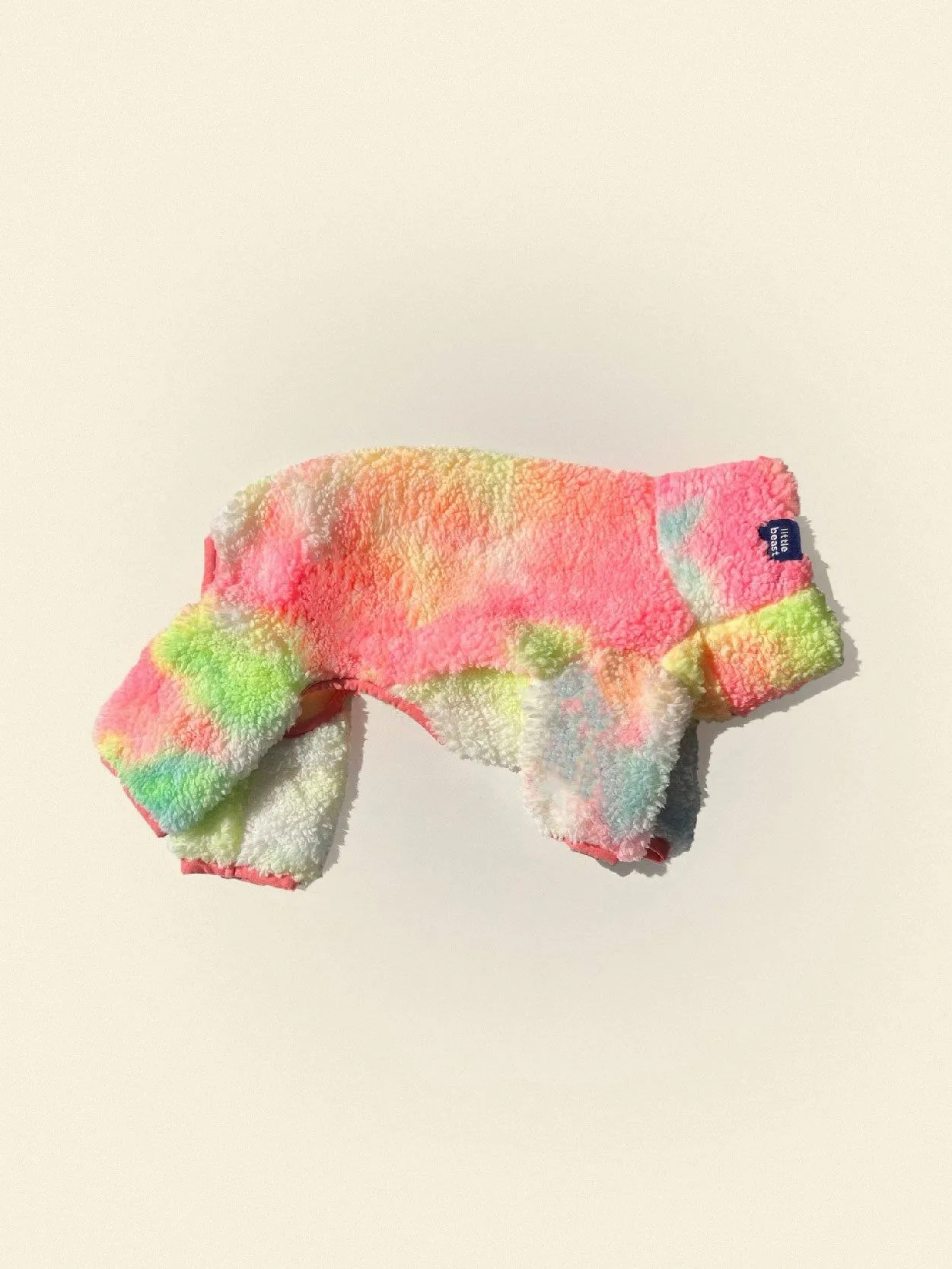
For dogs with very short hair or low body fat, a base layer is essential. You can start with a lightweight onesie like the Back to School Onesie, which is made from soft, stretchy fabric that hugs the body without restricting movement. This creates a warm foundation that traps heat close to the skin. For extra warmth, consider the Café in Paris Onesie, which offers a slightly thicker knit while still allowing full range of motion for running and playing.
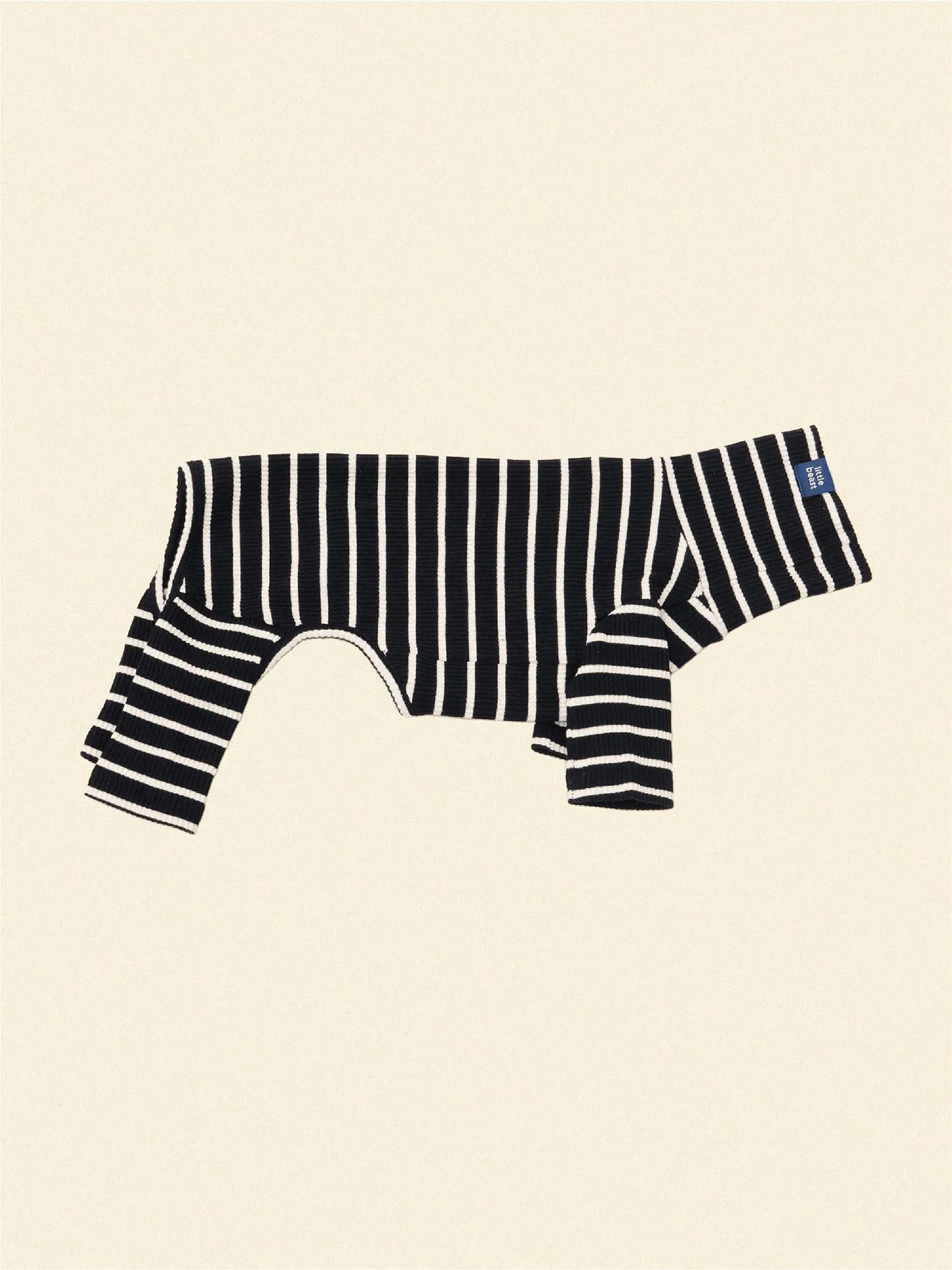
Café in Paris Onesie
- Choose a base layer that fits snugly but doesn't dig into the skin.
- Opt for moisture-wicking fabrics to keep your dog dry during activity.
- Avoid layers with bulky seams that could cause chafing.
Selecting a Mid-Layer for Insulation
The mid-layer is where you add bulk for warmth. This could be a fleece, a sweater, or a lightweight hoodie. The goal is to trap air pockets that insulate your dog's body heat. Look for materials like fleece or wool that are breathable yet warm. Avoid anything too heavy, as it can limit movement and cause your dog to overheat during exercise.
A fantastic option for a mid-layer is the Peace Sweater, which provides cozy warmth without being overly bulky. Its knit design allows air to circulate, preventing overheating while still keeping your dog toasty. For dogs that need a bit more coverage, the Fantastic Sweatshirt offers a relaxed fit that layers beautifully over a base layer. Remember, the mid-layer should allow your dog to bend, stretch, and trot freely—no tight armpits or restrictive necklines.
- Fleece and wool are excellent mid-layer materials for warmth and breathability.
- Ensure the mid-layer is slightly looser than the base layer to allow air circulation.
- Test movement: your dog should be able to sit, lie down, and walk without resistance.
Finishing with an Outer Shell
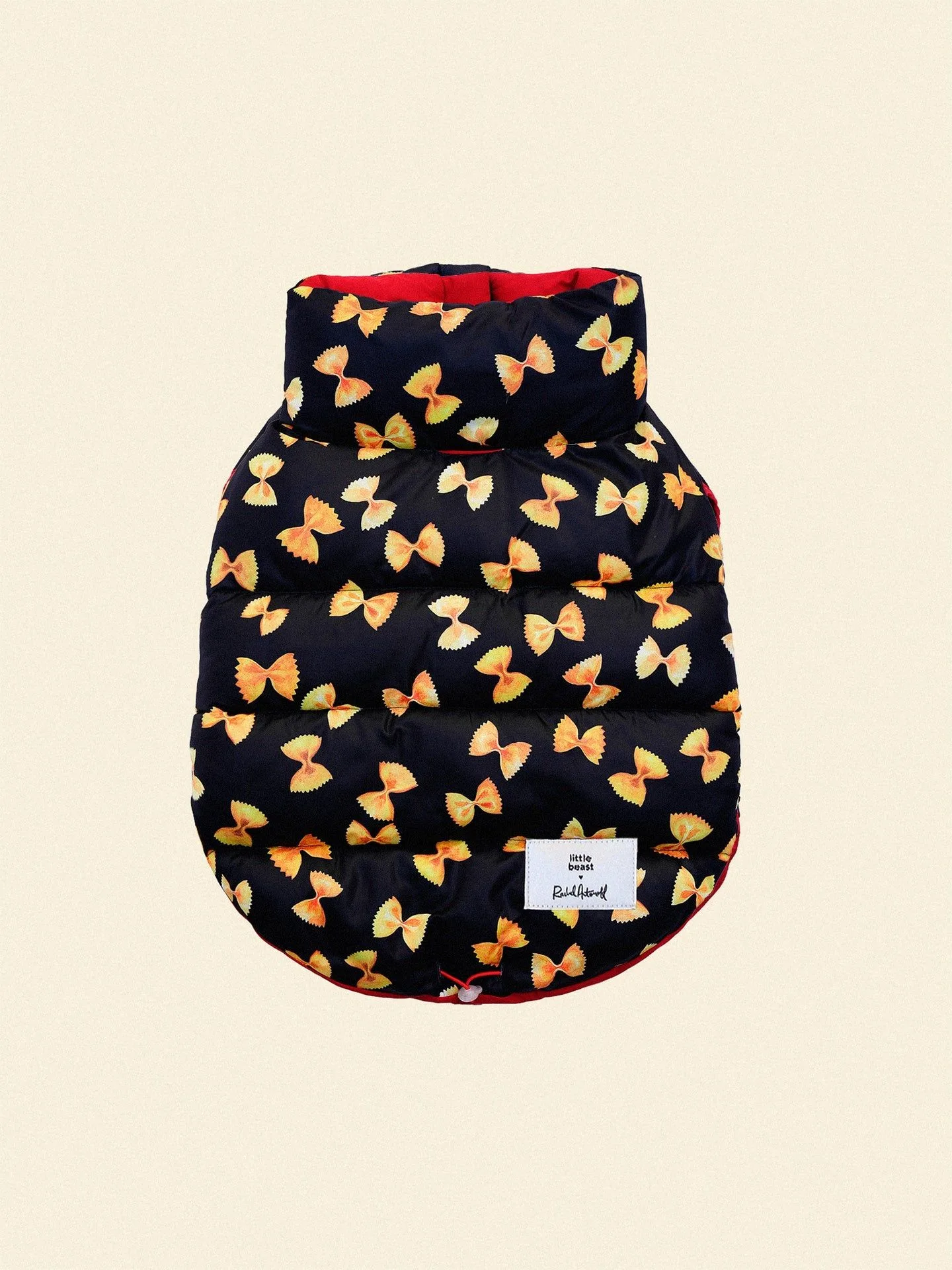
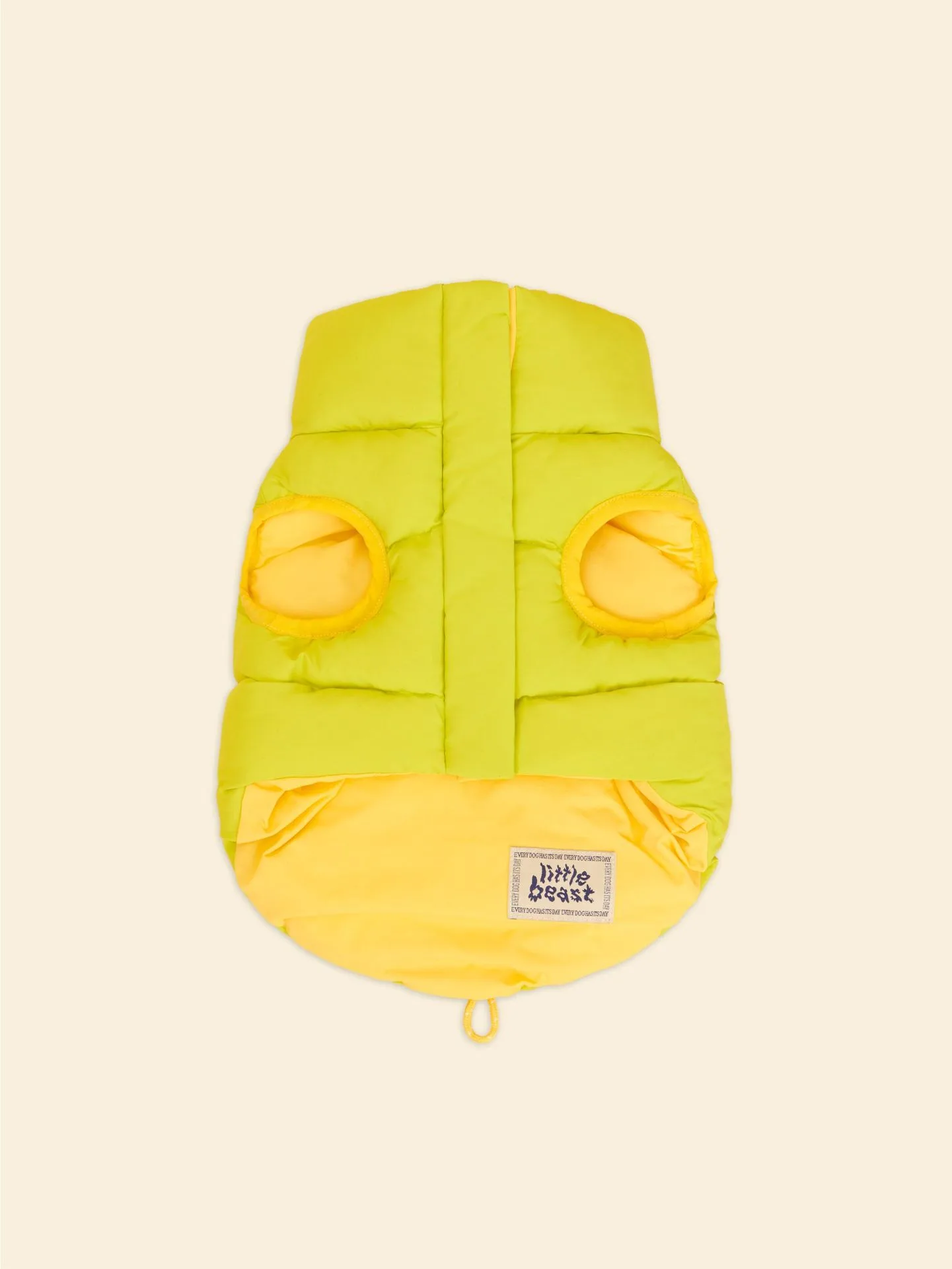
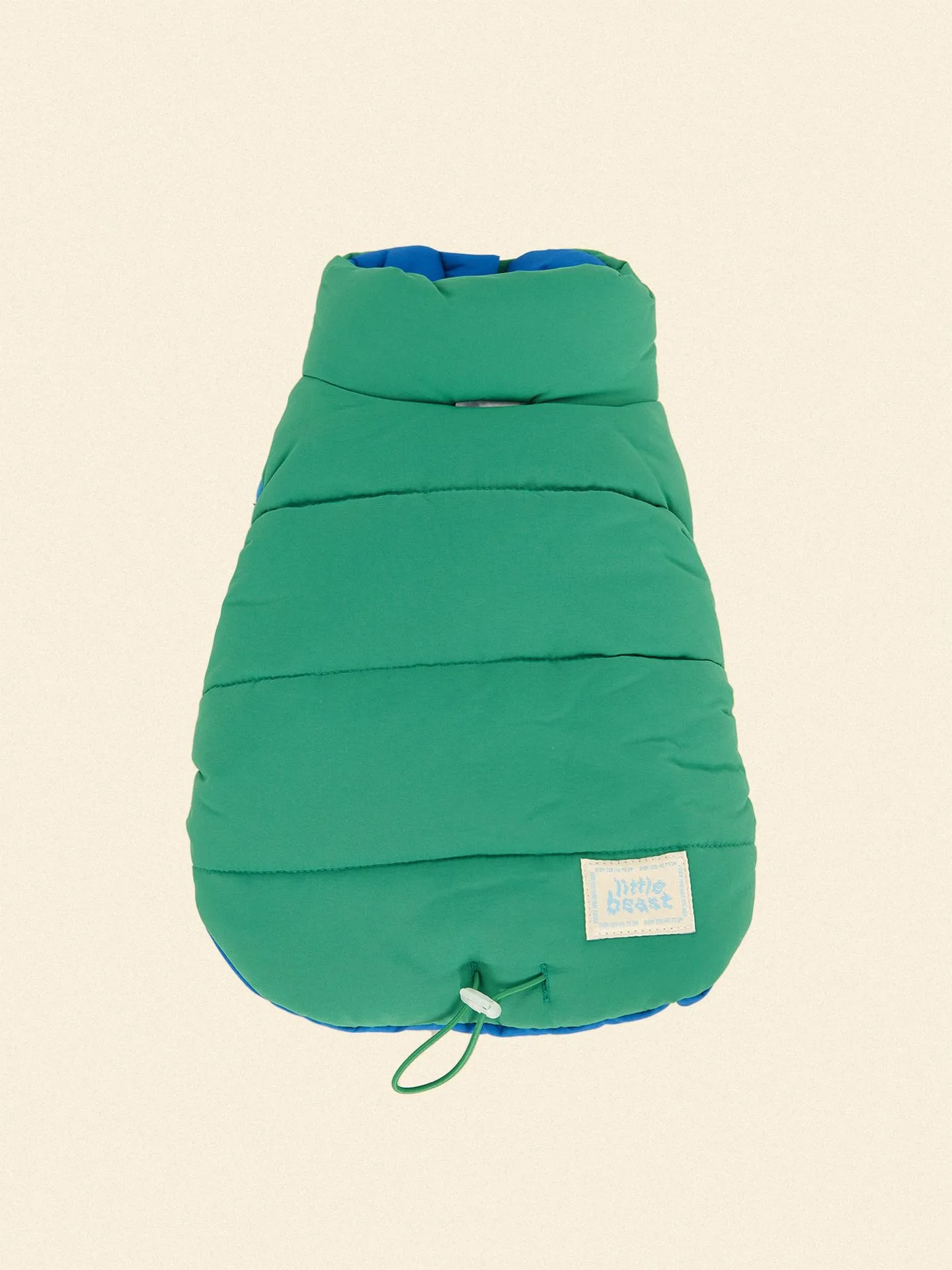
The outer shell is your dog's first line of defense against wind, rain, and snow. It should be water-resistant or waterproof, windproof, and durable, but still lightweight enough to allow free movement. Look for features like a zippered back for leash access, reflective strips for visibility, and adjustable closures around the chest and belly to prevent drafts.
A great outer shell option is The Little Beast Hoodie in Baby Blue, which combines a soft fleece interior with a water-resistant exterior. The hood adds extra protection for your dog's ears and neck, while the stretchy fabric ensures your pup can run and play without restriction. For extra cold days, layer The Little Beast Hoodie in Pink over a base layer and mid-layer—the hoodie's roomy cut accommodates additional clothing without bunching. Always check that the outer shell doesn't ride up or bunch behind the shoulders, which can restrict front leg movement.
- Choose an outer shell that is windproof and water-resistant, not fully waterproof (to allow breathability).
- Look for reflective details for safety during low-light walks.
- Ensure the outer layer has a leash port or easy access for attaching a harness.
Putting It All Together: A Sample Winter Outfit
Now that you understand the three layers, let's build a complete winter outfit for a medium-sized, short-haired dog on a 30°F day. Start with a snug base layer like the Café in Paris Onesie, which wicks moisture and provides a smooth foundation. Add a mid-layer such as the Peace Sweater for insulation, making sure it's not too tight. Finally, top it off with The Little Beast Hoodie in Pink for wind and moisture protection. This combo traps heat efficiently while allowing your dog to walk, run, and play with full range of motion.
For dogs that are very active, you can skip the mid-layer and just use a base layer plus the hoodie. For less active or older dogs, add a fleece vest under the hoodie. Always monitor your dog for signs of overheating—panting, drooling, or slowing down—and adjust layers accordingly. Remember, it's easier to remove a layer than to add one once you're out on a walk.
- Adjust layers based on temperature, activity level, and your dog's coat type.
- Carry a spare layer in your bag in case the weather changes.
- Practice layering at home before heading out for a long walk.
Layering your dog's outerwear doesn't have to be complicated. With the right base, mid, and outer layers, you can keep your pup warm, dry, and comfortable all winter long—without restricting their natural movement. Start with a soft base like the Café in Paris Onesie, add insulation with the Peace Sweater, and finish with a protective shell like The Little Beast Hoodie in Pink. Your dog will thank you with wagging tails and happy, active outings all season.