As winter approaches, many pet parents wonder how to keep their furry friends warm during chilly walks. While some dogs have thick coats that provide natural insulation, others — especially short-haired breeds, seniors, or small pups — need extra help staying comfortable in cold temperatures. Layering your dog's outerwear is an effective strategy that mimics how humans dress for winter: a base layer for moisture management, a mid layer for insulation, and an outer shell for protection against wind and snow.
In this guide, we'll walk you through the basics of layering dog clothing, what to look for in each layer, and how to choose the right pieces from your favorite pet boutique. Whether you're planning a quick potty break or a long winter hike, these tips will help your pup stay cozy and safe.
Why Layering Matters for Dogs
Dogs lose body heat through their paws, ears, and belly, and a single jacket may not be enough when temperatures drop below freezing. Layering creates air pockets that trap warmth, while allowing you to adjust coverage based on activity level. For example, a high-energy dog may overheat in a heavy parka during a run but benefit from a lighter fleece underneath a windproof shell.
Additionally, layering protects your dog's skin from moisture. Snow and rain can soak through a single layer, leading to chills or even hypothermia. By using a moisture-wicking base layer, you keep your dog dry and comfortable. This approach is especially useful for dogs that wear coats for extended periods, such as during camping trips or long urban walks.
- Always check your dog's body language: shivering, lifting paws, or reluctance to walk are signs they need more warmth.
- Avoid over-layering: if your dog is panting heavily or seems sluggish, remove a layer to prevent overheating.
Choosing the Right Base Layer
The base layer sits directly against your dog's fur and should be lightweight, breathable, and moisture-wicking. Look for materials like merino wool or synthetic blends that draw sweat away from the skin. Avoid cotton, which retains moisture and can make your dog colder. A good base layer also prevents chafing from outer layers and adds a thin layer of insulation.
For small or short-haired breeds, a snug-fitting onesie can serve as an excellent base. The Back to School Onesie is a playful yet functional choice that covers the torso and legs, providing full-body warmth without bulk. It’s made from soft, stretchy fabric that moves with your dog, making it ideal for active pups who need freedom of movement.
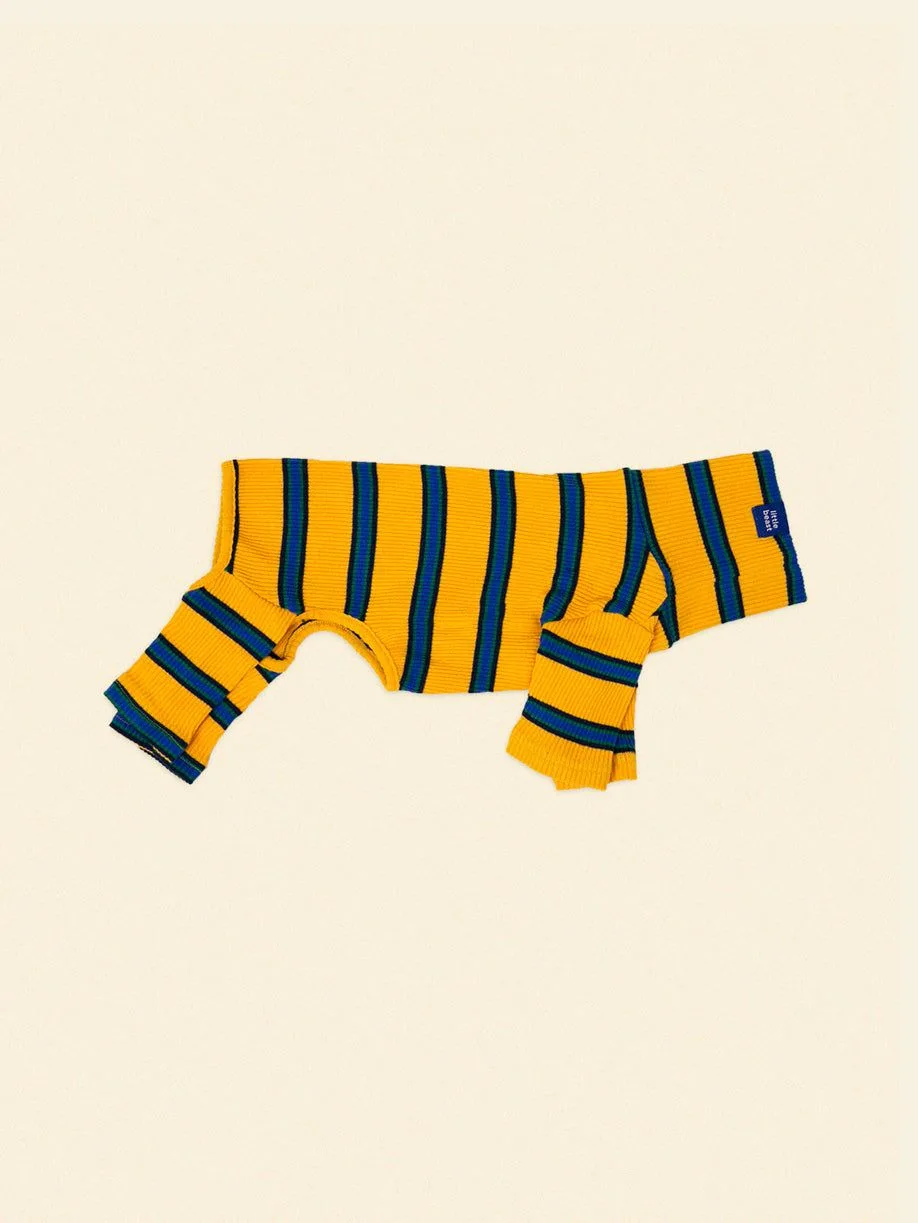
Back to School Onesie
- Measure your dog's chest, neck, and back length before buying a base layer to ensure a snug but not tight fit.
- Look for machine-washable fabrics — base layers get dirty quickly from snow and mud.
Mid Layer: Insulation and Comfort
The mid layer is the primary source of warmth. Fleece, sherpa, or lightweight down jackets work well here. This layer should be slightly looser than the base layer to trap air, but not so loose that it bunches up or restricts movement. For dogs that spend a lot of time outdoors, a sweater or sweatshirt with a high neckline can protect the throat and chest from wind.
The Fabulous Sweatshirt is a versatile mid-layer option that combines style with warmth. Its thick knit fabric provides excellent insulation, while the relaxed fit allows for easy layering over a base onesie. For extra cold days, consider the Flower Power Sweater, which features a soft, plush interior that feels like a warm hug. Both pieces are designed to be worn alone or under a shell.
- Avoid mid layers with dangling buttons or loose threads that could catch on branches or become a chewing hazard.
- If your dog has a thick natural coat, you may only need a mid layer without a base layer.
Outer Shell: Protection from the Elements
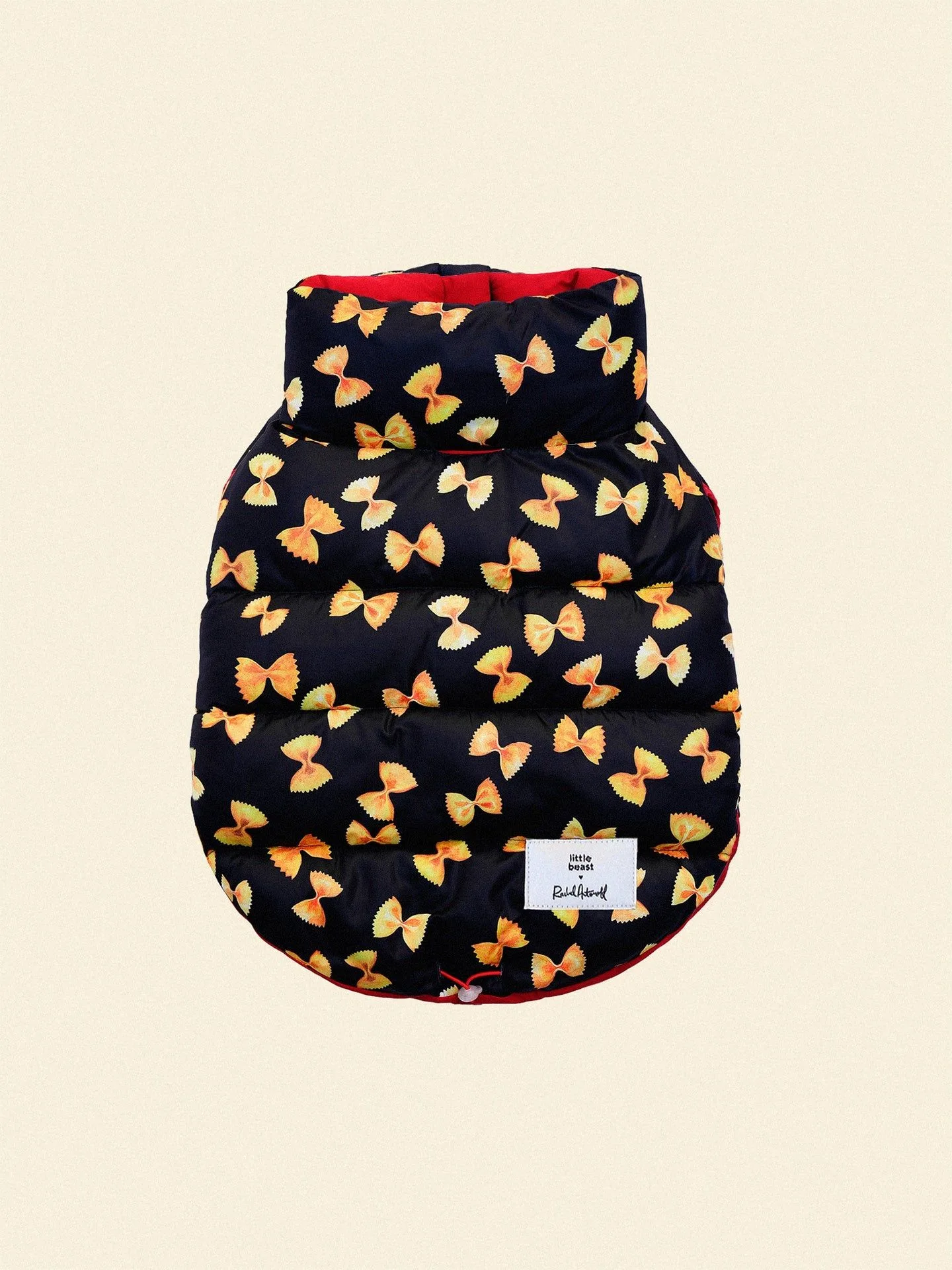
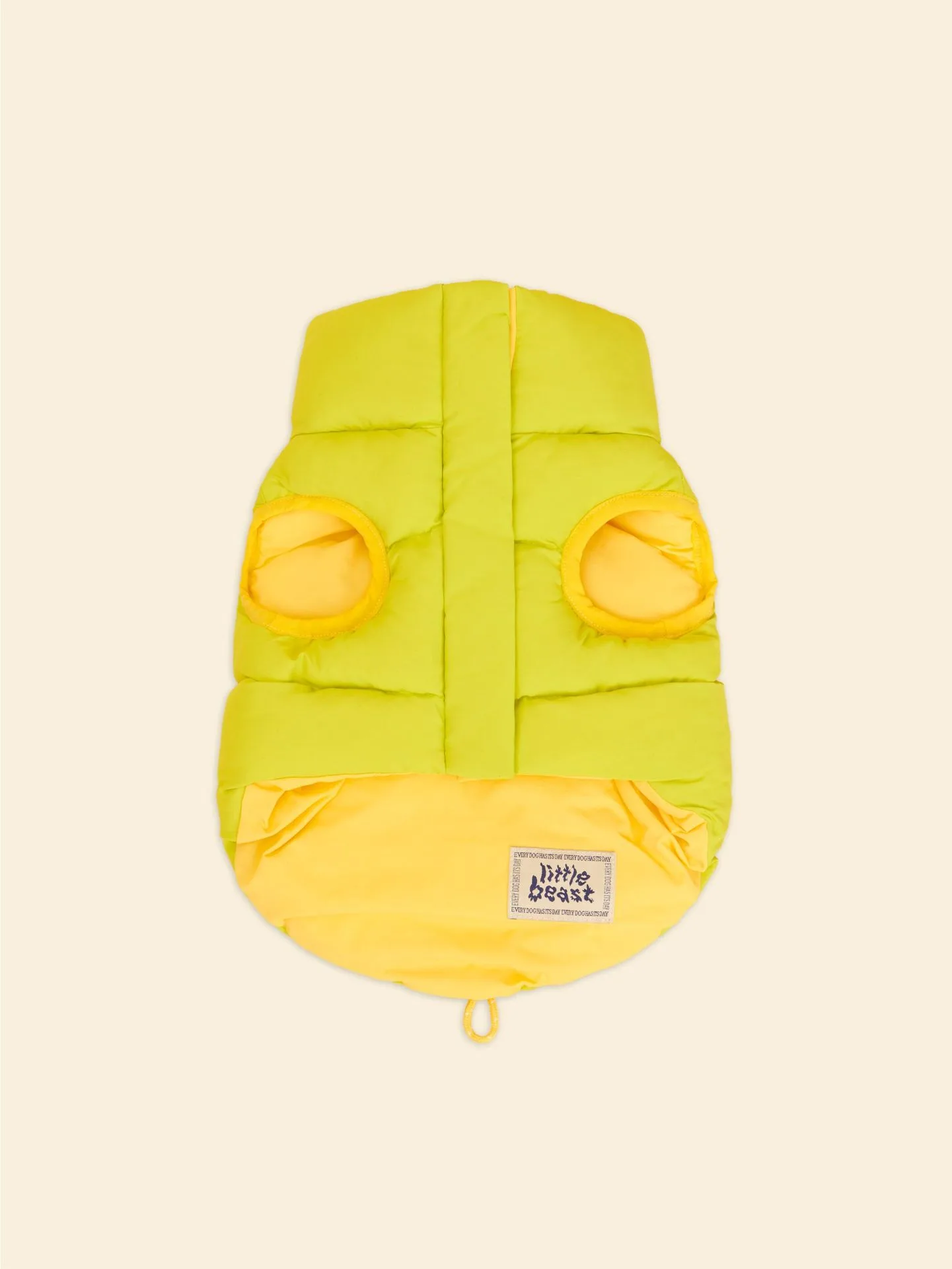
The outer shell is your dog's defense against wind, rain, and snow. Look for a waterproof or water-resistant jacket with a durable outer fabric. Features like a hood, reflective strips, and a leash port add convenience and safety. The shell should be roomy enough to fit over the mid and base layers without compressing them, as compressed insulation loses its warming ability.
For maximum versatility, consider a dog carrier that doubles as an outer layer. The Little Beast Carrier - Ocean Breeze is a unique solution that lets you carry your small dog close to your body, sharing your body heat while keeping them protected from the elements. It’s perfect for quick trips when you don’t want to fully suit up your pup, or for dogs that tire easily in cold weather.
- Test the shell's fit by having your dog sit and lie down — the jacket should not ride up or pull at the neck.
- Choose a shell with adjustable straps or a belly band to ensure a secure fit over multiple layers.
Accessories for Complete Coverage
Don't forget your dog's extremities! Paws, ears, and tail tips are vulnerable to frostbite. Booties with rubber soles protect paws from ice and salt, while a warm collar or bandana can shield the neck. For dogs that love to play in snow, a collar that stays dry and comfortable is essential.
The Cowboy Collar - Olive adds a touch of western charm while keeping your dog's neck warm. Made from sturdy yet soft material, it’s easy to clean and won't absorb moisture like fabric collars. Pair it with a matching leash or harness for a coordinated look that also prioritizes safety during winter walks.
- Use pet-safe balm on paw pads before walks to prevent cracking from cold and salt.
- If your dog refuses booties, try a paw wax or protective spray as an alternative.
Layering your dog's outerwear doesn't have to be complicated. Start with a breathable base like the Back to School Onesie, add insulating mid layers such as the Fabulous Sweatshirt, and finish with a protective shell or carrier for harsh weather. With the right combination, your pup can enjoy winter adventures safely and stylishly. Explore our full collection of dog outerwear and accessories to build the perfect cold-weather wardrobe for your furry friend.