Quick answer
Wear a cycling gilet over a long sleeve jersey when the temperature sits roughly between 8°C and 15°C, or when you expect changing conditions. Start with a wicking base layer, add the long sleeve jersey, then the gilet on top. Choose a gilet over a jacket when you need wind protection and packability without full insulation.
Why a gilet works over a long sleeve jersey
A gilet adds wind protection to your core while leaving your arms free to vent heat. Over a long sleeve jersey, it creates a modular system: you get warmth where you need it and breathability where you generate the most heat. This makes it more versatile than a jacket for rides that start cold and finish mild.
The key is that the long sleeve jersey does the insulating, while the gilet blocks wind and light rain. If you wear a gilet over a short sleeve jersey, your arms stay exposed; over a long sleeve jersey, you extend your comfort range without bulk.
Gilet vs jacket: which to choose
Choose a gilet when the temperature is likely to rise, when you need to stash a layer in a jersey pocket, or when your arms run warm. Choose a jacket when it is below 5°C, when rain is persistent, or when you will be riding slowly and need full insulation.
A common mistake is wearing a jacket for a ride that warms up quickly. You end up unzipping it all the way and flapping. A gilet over a long sleeve jersey lets you regulate without removing your entire outer layer.
Temperature and layering guide
Use this as a starting point, then adjust for your own tolerance and ride intensity. Wind and humidity change everything, so treat these as ranges, not rules.
Below 5°C: long sleeve jersey + insulated jacket or gilet with thermal base layer. 5–8°C: long sleeve jersey + thermal gilet + warm base layer. 8–12°C: long sleeve jersey + windproof gilet + standard base layer. 12–15°C: long sleeve jersey + packable gilet, ready to remove. Above 15°C: skip the gilet unless rain is likely.
Packable gilet layering tips
A packable gilet earns its place when you can roll it into a jersey pocket without bulging. Look for a gilet that stuffs into its own pocket or a small stuff sack. Before you buy, check the packed size against your jersey pockets—especially if you carry a phone and food.
When you take the gilet off, don’t just cram it in. Fold it neatly so you can put it back on without wrestling. If your gilet has a two-way zip, open it from the bottom for extra venting while keeping your chest covered.
Steps to layer a gilet over a long sleeve jersey
- Start with a wicking base layer: Put on a base layer that fits close to the skin. Choose long sleeve for cold, short sleeve for mild. The base layer moves sweat away so the jersey and gilet can do their jobs. Checkpoint: the base layer should feel snug but not restrictive.
- Add your long sleeve jersey: Pull on your long sleeve jersey over the base layer. Make sure the sleeves are not bunched and the hem sits flat. This is your main insulation layer. Mistake to avoid: a twisted sleeve will bunch under the gilet and cause pressure points.
- Choose the right gilet: Pick a windproof gilet for dry cold, or a water-resistant gilet if showers are likely. If you run hot, choose a lighter, more breathable gilet. Checkpoint: the gilet should fit over the jersey without compressing the insulation.
- Put on the gilet and adjust: Zip the gilet up, then adjust the collar and hem. You want a close fit around the core but room to move. If it has a two-way zip, you can open the bottom for venting. Mistake to avoid: a loose gilet will flap and let wind in. Use any drawcord or elastic hem.
- Regulate on the ride: Start with the gilet zipped. As you warm up, unzip it slightly or open the bottom. If you get too hot, take it off and stow it in a jersey pocket. Checkpoint: adjust before you start sweating heavily—once you’re wet, you’ll chill quickly when you slow down.
- Stow and re-layer: Fold the gilet neatly before pocketing it. When you stop or the temperature drops, put it back on before you get cold. A packable gilet makes this easy. Mistake to avoid: stuffing a wet gilet into a pocket with food or a phone. Use a separate pocket or a small dry bag.
Base layers that work under a long sleeve jersey and gilet
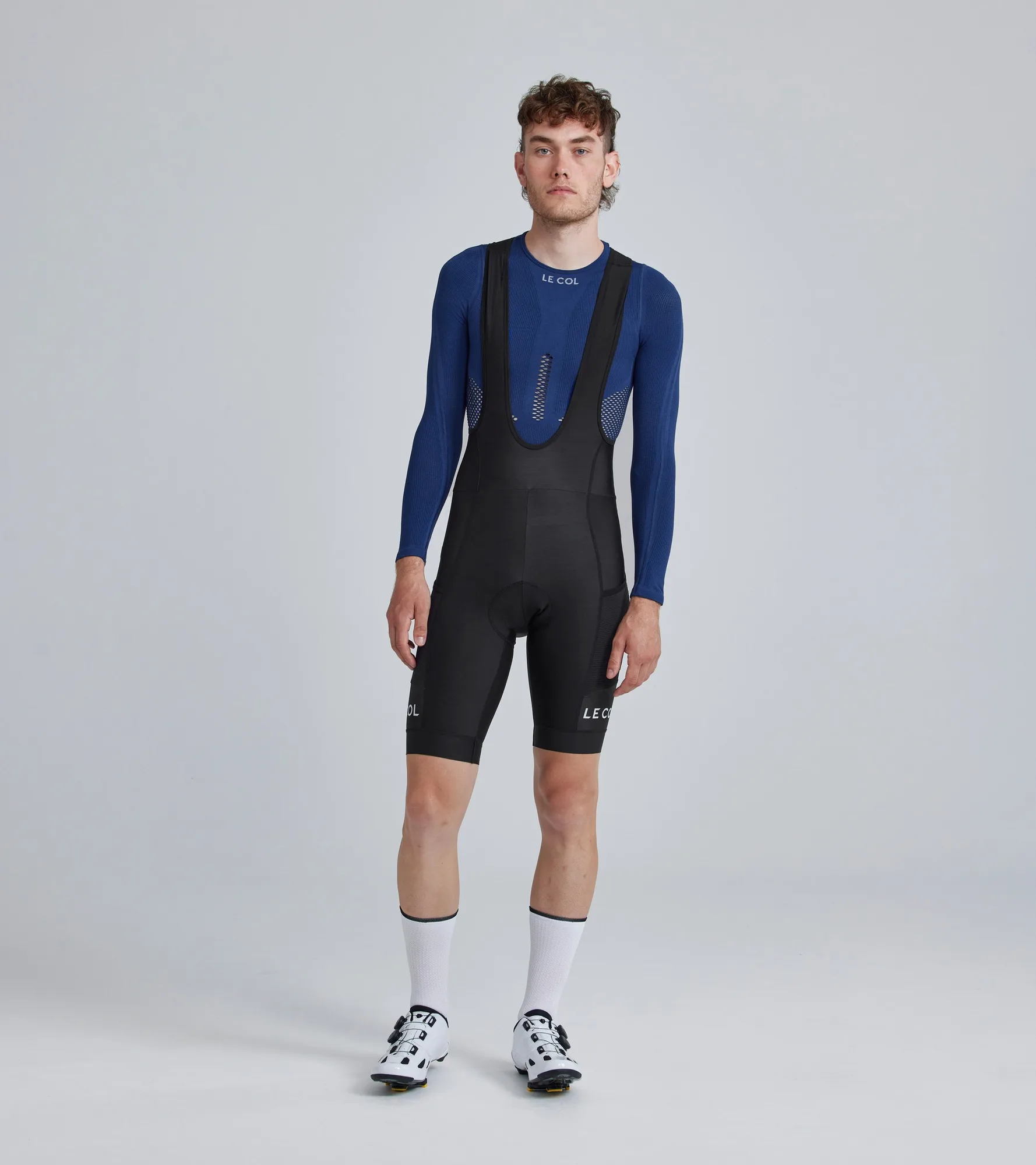
- Unisex Pro Mesh Long Sleeve Base Layer: The Unisex Pro Mesh Long Sleeve Base Layer is a breathable layer for intense inter-season rides, with extra arm coverage and a seamless woven construction to avoid irritation under jerseys and jackets. A seamless long sleeve base layer reduces bulk and chafing under a long sleeve jersey and gilet, and the arm coverage adds warmth without restricting movement.
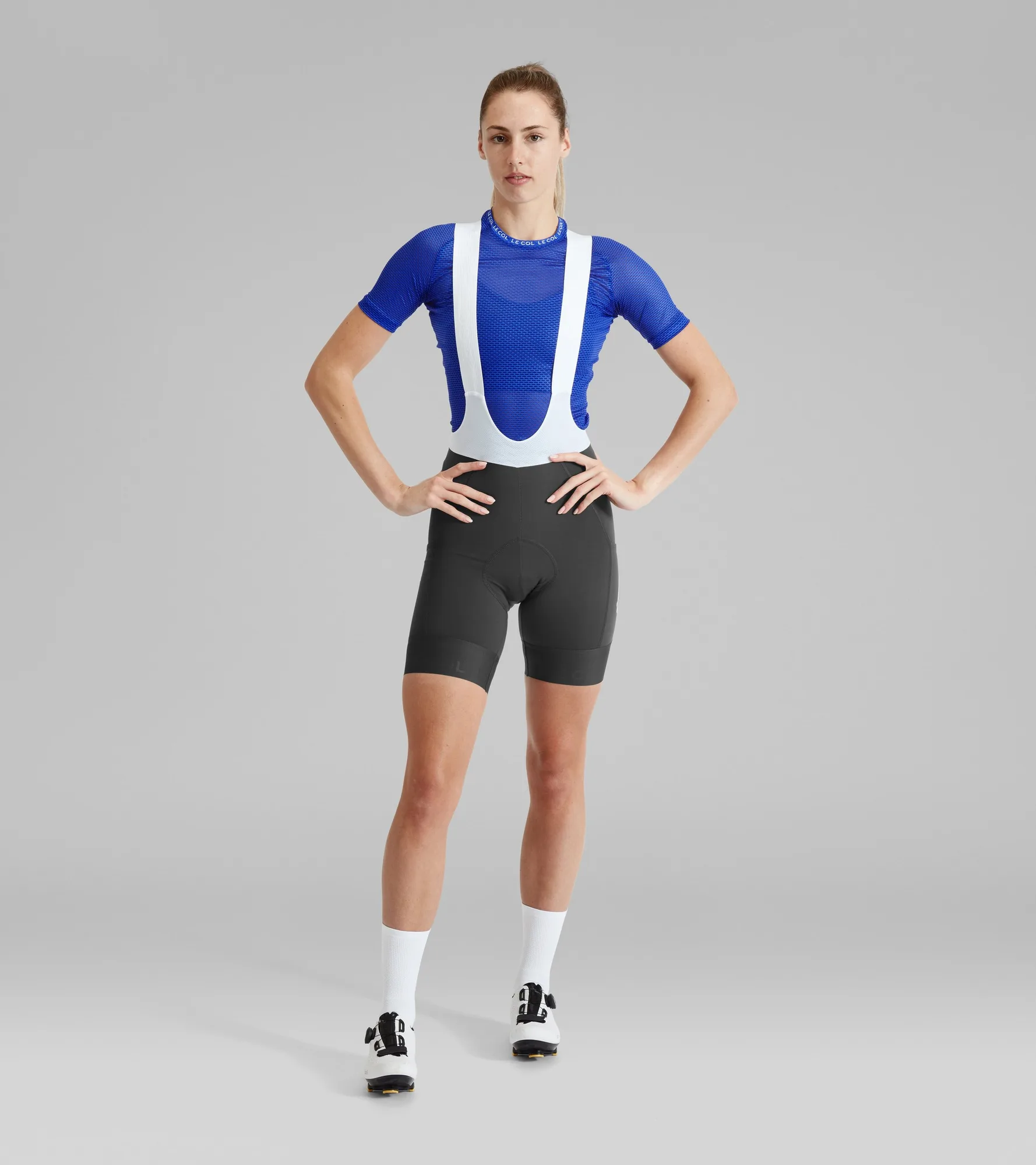
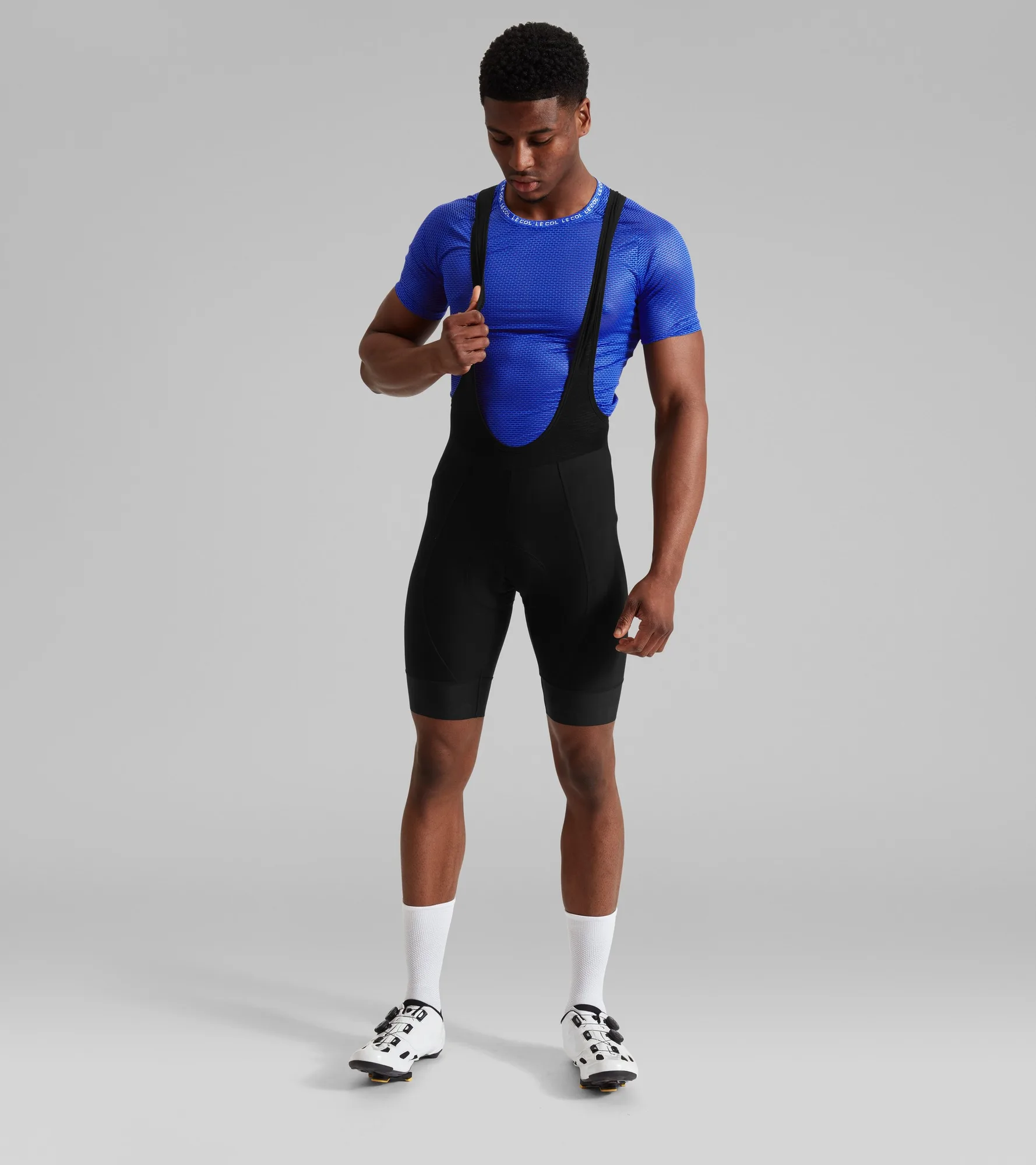
- Womens Pro Air Short Sleeve Base Layer: The Womens Pro Air Short Sleeve Base Layer is exceptionally lightweight, using an open mesh construction to draw moisture away from the skin and push it out through the jersey. If you run hot or ride in milder conditions, a lightweight short sleeve base layer under a long sleeve jersey and gilet helps prevent overheating while still managing sweat.