Quick Answer
Start with one structured piece — a teddy or bra set — then add a sheer top, an open layer like a robe or skirt, and one grounding accessory. Keep the base fitted, the outer layer loose, and stop adding pieces once the silhouette reads clearly. If you can see the shape of your base layer from across the room, the layering is working.
Layering lingerie works best when you treat it like any other outfit: one fitted base, one loose layer, one focal point. The pieces you already own for the bedroom — a lace teddy, a sheer babydoll, a strappy bra set — can carry a full look once you know what to put over and under them.
This guide walks through six steps in order. Each step includes the mistake that most often ruins the layer, so you can catch it before you leave the mirror.
Why Lingerie Layering Works
Lingerie layering is really about controlled reveal. A sheer layer over a structured piece creates depth, and depth is what makes an outfit look styled rather than accidental. The base piece does the shaping; the outer layer does the softening.
The trick is contrast. If both layers are sheer and unstructured, the look turns into a blur. If both are opaque and tight, it reads as shapewear. One fitted piece plus one flowing piece is the formula that holds up in daylight, not just candlelight.
- Fitted base + loose outer layer = the core rule.
- Match the reveal to the venue: more sheer indoors, less sheer on the street.
- Choose one focal point — straps, lace, or a plunge — and let the rest stay quiet.
Choose Your Base Layer First
The base layer is the piece that touches your skin and sets the shape for everything above it. A teddy is the easiest starting point because it's a complete one-piece: it covers the torso and eliminates the gap between top and bottom. A bra set works when you want more separation and a defined waistline.
Look for structure you can trust. Underwire cups and elastic waist accents hold their shape under a sheer overlay; unlined mesh alone can collapse and disappear. If your base piece has no shaping element in the catalog description, treat it as a soft layer and build the structure above it instead.
- Checkpoint: put on the base layer alone first and confirm it stays put when you raise your arms.
- Common mistake: choosing a base piece that's too loose, then blaming the outer layer for looking messy.
Add a Sheer Layer for Depth
A sheer top, mesh tee, or lightweight slip over your base is what turns lingerie into an outfit. Sheer lingerie layering works because the eye reads two textures at once: the base piece's detail and the outer layer's transparency. Black over black reads as one dark column; a contrasting tone makes each layer visible.
Keep the sheer layer simple. If your base has embroidery, strapping, or lace trim, the overlay should be plain mesh or fine knit. Two competing patterns cancel each other out and the look loses its focal point.
- Common mistake: layering sheer over sheer with no structure underneath.
- If the sheer layer clings, size up rather than pulling it down constantly.
Add an Open Layer: Robe, Skirt, or Overshirt
This is the layer that makes the outfit wearable outside the bedroom. An open robe, a skirt worn over the base, or an unbuttoned overshirt gives you a vertical line that frames the body instead of covering it. Open layers also let you control coverage in real time — closed for the walk to the car, open once you're inside.
Length matters here. A short open layer over a long base piece draws the eye to the legs; a long open layer over a short base piece draws the eye to the waist. Pick the direction you want attention to travel and let the hemline do the work.
- Checkpoint: your open layer should fall at least a few inches past the base piece, or clearly above it — not at the same line.
- Common mistake: buttoning or belting the open layer, which kills the contrast that made the look work.
Balance Coverage and Sheerness
Once the layers are on, do a coverage audit in a mirror under bright light. Count how many areas are sheer: if the top, waist, and legs are all see-through at once, the look tips from styled to exposed. Choose one zone to keep sheer and let the others stay covered.
This is also where fit decisions show up. A base piece that digs in creates visible lines under a sheer overlay, and those lines read as fit problems rather than styling. If you're between sizes, size up in the base layer — sheer fabric forgives a little extra room far better than it forgives tension.
- Common mistake: layering for a photo, then discovering the coverage doesn't hold up when you move.
- Walk, sit, and reach before you commit to the outfit.
Finish with Accessories and Footwear
Accessories do the final translation from lingerie to outfit. A structured shoe, a simple belt at the natural waist, or a single piece of jewelry gives the eye somewhere to land and signals that the layering is intentional. More than one statement accessory competes with the lingerie instead of supporting it.
Footwear changes the whole read. Heels push the look toward evening; flat boots or sneakers pull it toward daytime streetwear. Neither is wrong — just decide which direction you want before you add anything else.
- Keep jewelry minimal when the lingerie already has straps, lace, or hardware.
- Common mistake: adding a busy bag to an already detailed outfit.
The 6-Step Layering Method
- Step 1: Pick a structured base: Start with a teddy or bra set that has underwire or elastic shaping, and put it on alone first to confirm it stays in place. Checkpoint: if it shifts when you raise your arms, fix the base before adding anything else.
- Step 2: Add one plain sheer layer: Choose a sheer top, slip, or mesh tee in a single tone and pull it over the base without adjusting the base underneath. Common mistake: layering two patterned sheers, which hides both.
- Step 3: Add an open layer: Wear a robe, skirt, or overshirt open so a vertical line frames the base instead of covering it. Checkpoint: the open layer's hem should sit clearly above or below the base hem, not on the same line.
- Step 4: Audit your coverage: In bright light, count how many zones are sheer and reduce to one so the look stays deliberate. Common mistake: keeping top, waist, and legs sheer at the same time.
- Step 5: Add one accessory: Choose a single structured element — a belt, a shoe, or one piece of jewelry — and stop there. Checkpoint: if the accessory competes with the lingerie's straps or lace, remove it.
- Step 6: Move before you commit: Walk, sit, and reach in the full outfit to test whether the layers hold their position and coverage. If anything needs constant adjusting, swap that layer rather than fighting it all night.
Pieces That Layer Well
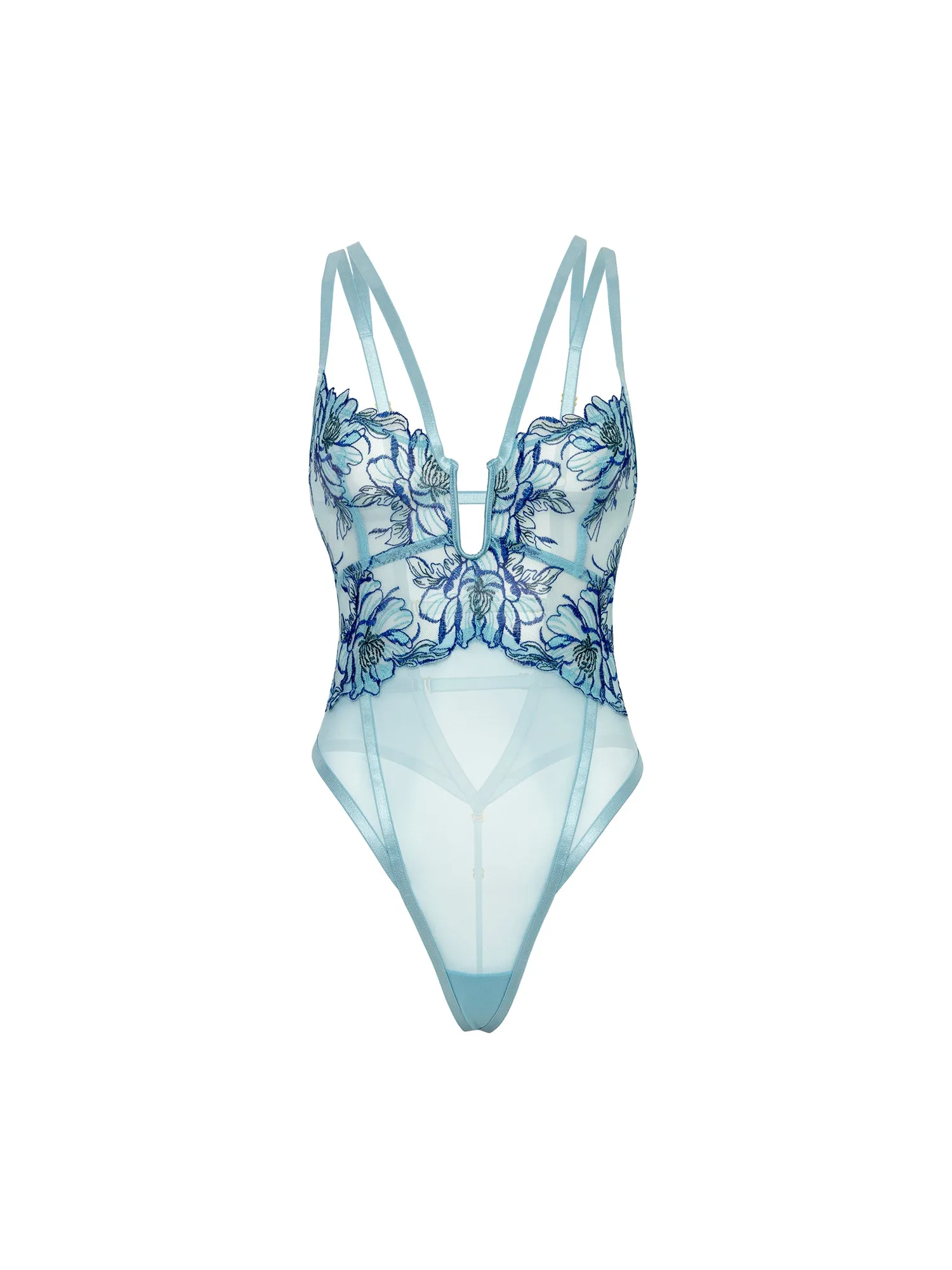
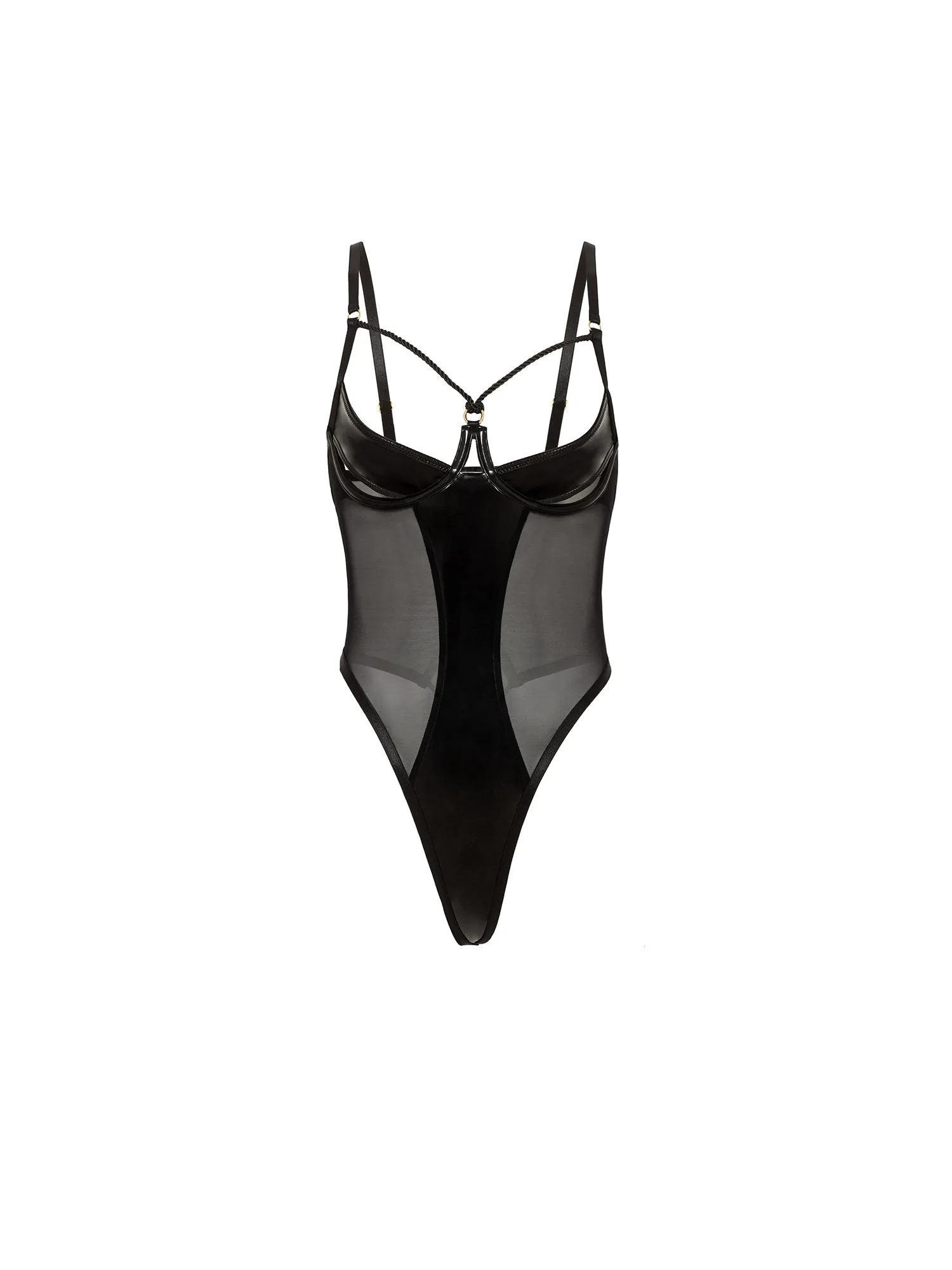
- Emilia Strappy Embroidered Teddy: Plunge teddy with soft underwire cups shaped with a U-wire, sheer embroidery, strappy accents, and lightweight mesh. The underwire and U-wire give the base layer real structure, so a plain sheer overlay on top won't flatten the shape — and the strappy detail means you can skip extra jewelry.
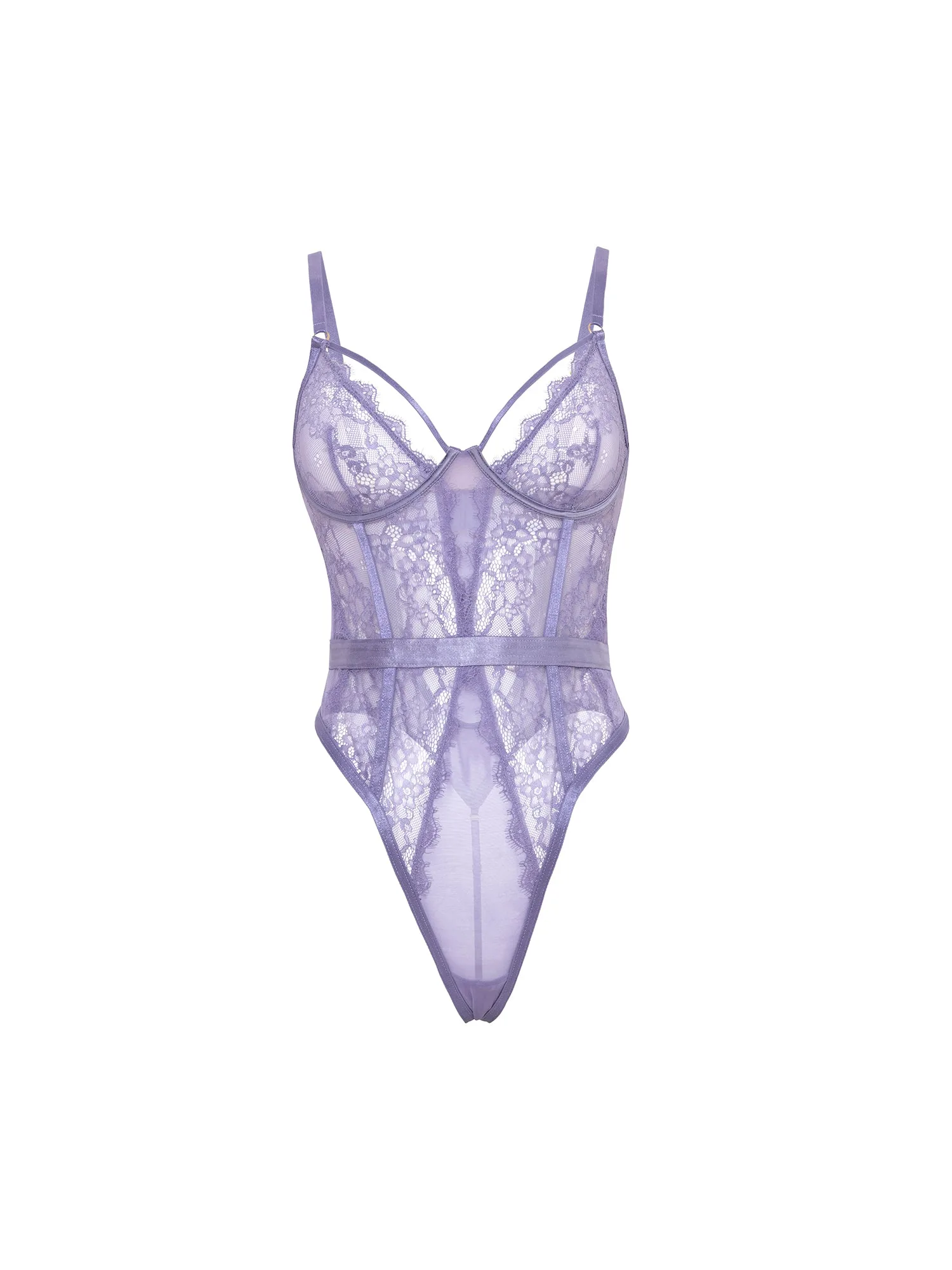
- Martina Strappy Lace Teddy: Sheer lace and airy mesh with bold strapping that defines the shape. The visible strapping reads as intentional design when layered under an open robe or overshirt, which makes it a strong pick for lingerie as outerwear.
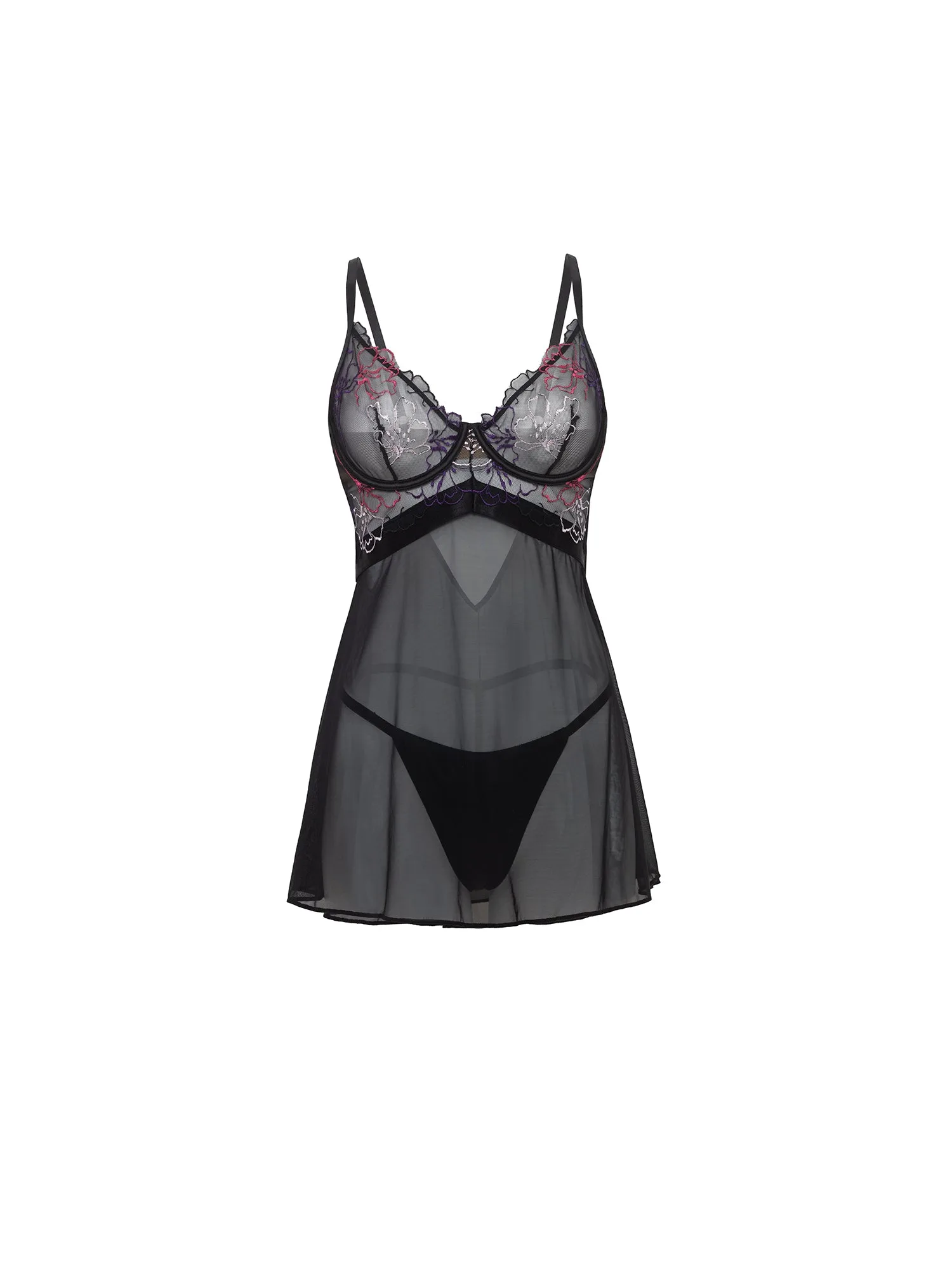
- Curvy Leanna Sheer Babydoll Set: Underwire babydoll with adjustable shoulder straps, sheer mesh, embroidered floral lace, satin trims, and a matching G-string. Adjustable straps let you tune the fit under an outer layer, and the babydoll's loose hem works as the flowing layer over a fitted teddy or bra set.
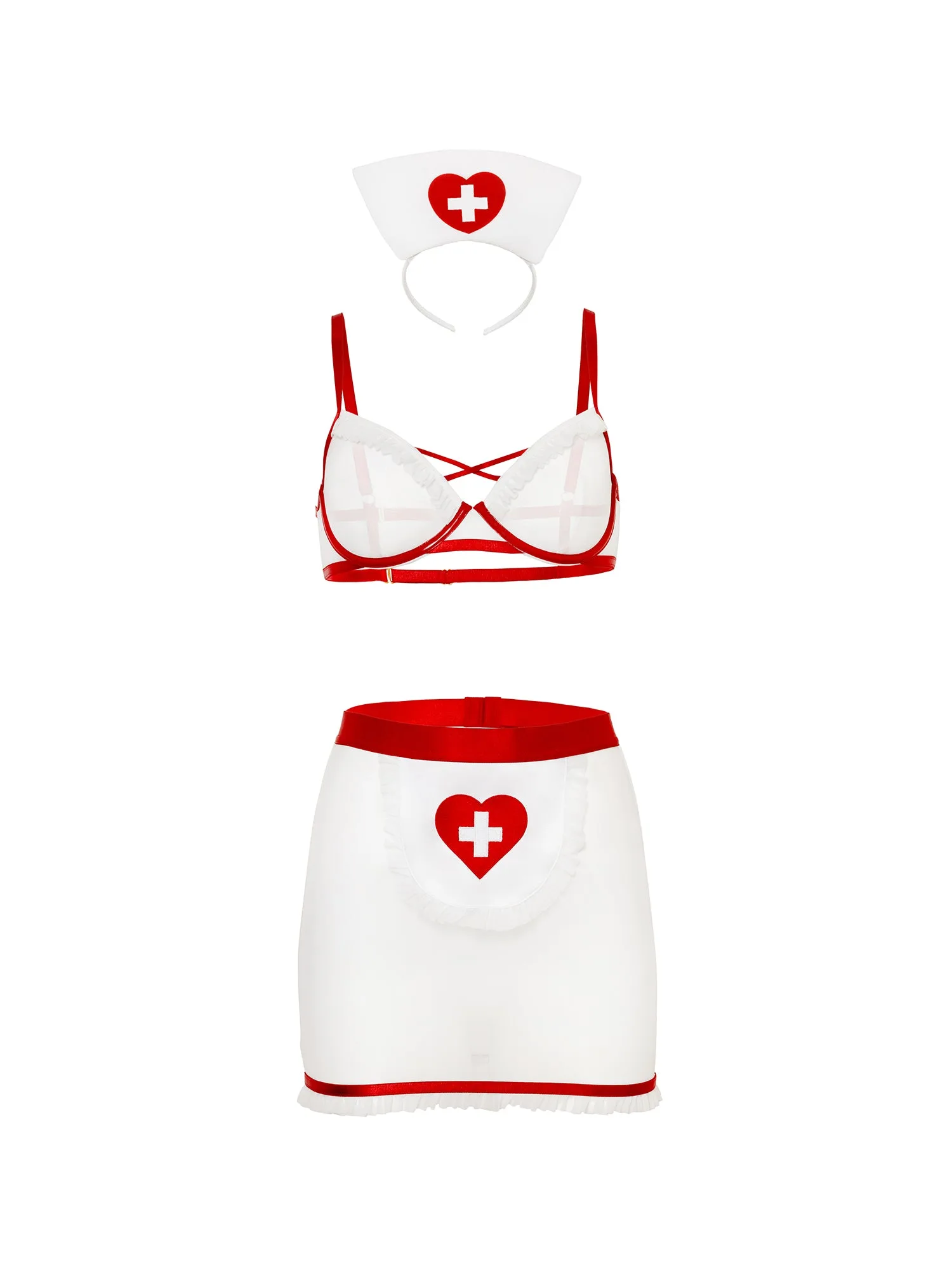
- Naughty Nurse Lingerie Costume Set: Sheer mesh with a curve-hugging skirt, underwire bra, and matching headband. The fitted skirt can be worn as a standalone bottom layer under a sheer top, so a costume set earns a second life as a layering piece.
Layering lingerie comes down to one fitted base, one sheer layer, one open layer, and one accessory — then stopping. Build the look in that order, check your coverage in daylight, and move around before you decide it's finished.