Quick answer
Apply a pea-sized amount of retinol night cream to clean, completely dry skin at night, start twice a week, and buffer with a hyaluronic acid serum first if your skin is sensitive. Moisturize after, skip retinol on irritated nights, and add one extra night per week only after two calm weeks. This slow build is how to use retinol without the peeling and stinging that makes most beginners quit.
Why the order of your night routine matters more than the amount
Retinol works on skin cell turnover, which is why it helps with fine lines, texture, and clogged pores. That same turnover is what causes flaking and redness when you apply too much, too often, or on damp skin. Damp skin increases penetration, so a product that feels gentle on dry skin can sting when applied right after cleansing.
The fix is not a weaker routine, it is a smarter order: cleanse, wait until skin is dry, apply a thin layer of retinol, then seal with moisturizer. If you are using a hydrating serum, it goes before the retinol as a buffer, not after. This keeps the active in contact with skin long enough to work while reducing the chance of a reaction.
How to tell normal adjustment from real irritation
Mild tightness or light flaking in the first two to three weeks is common as skin adjusts. Burning, swelling, raw patches, or redness that lasts into the next day is not something to push through. Those are signs to stop retinol until skin is calm, then restart at a lower frequency.
A useful checkpoint: if your moisturizer stings when you apply it, your barrier is compromised. Take two or three nights off retinol, use only gentle cleansing and moisturizing, and resume with the buffering method below. Retinol irritation is easier to prevent than to repair.
What to avoid on retinol nights
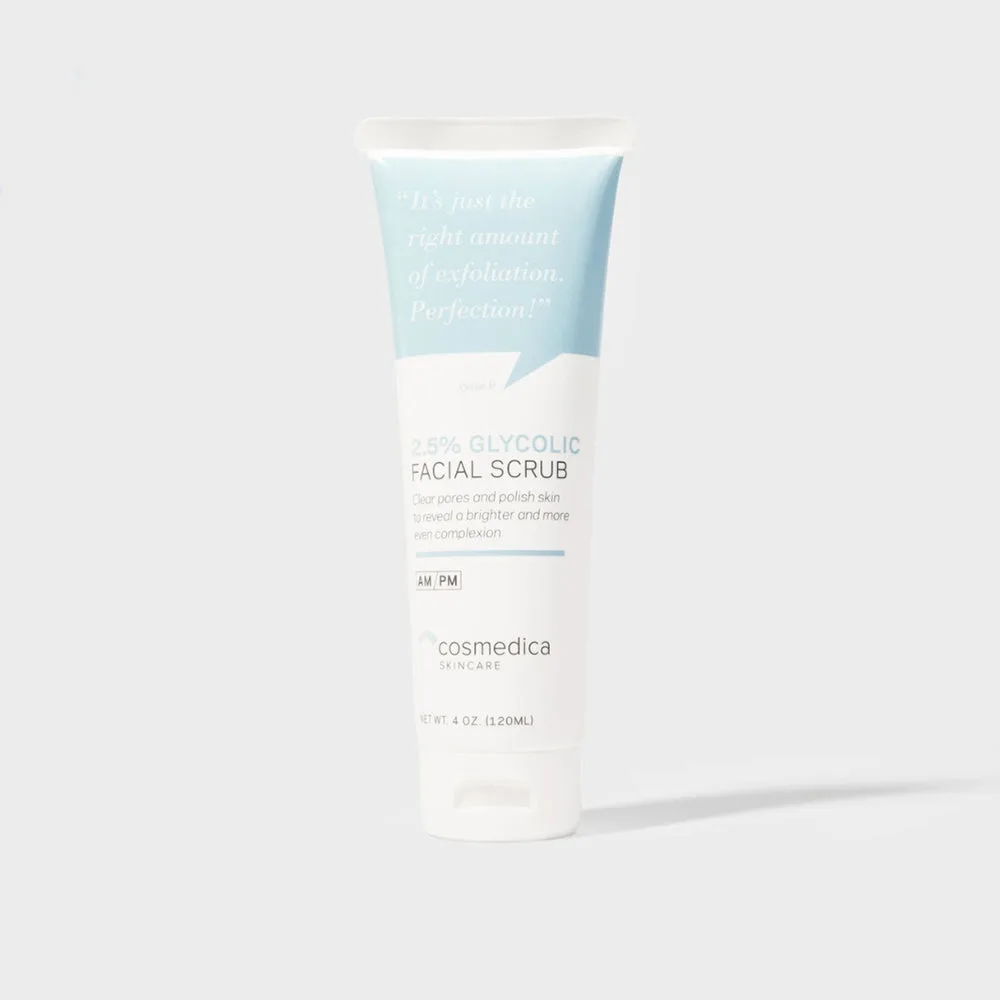
Do not stack retinol with exfoliating acids, scrubs, or benzoyl peroxide in the same routine. If you use a glycolic scrub or a strong treatment serum, keep it on a different night. Retinol already accelerates turnover, and adding a second exfoliant multiplies the chance of irritation.
Also skip retinol on the same night as waxing, threading, or at-home derma rolling. These create micro-injuries, and applying retinol over them is a common cause of sudden stinging and peeling. Give skin 48 hours before your next retinol application.
Daytime habits that make retinol nights easier
Retinol makes skin more sensitive to the sun, so daily broad-spectrum sunscreen is not optional if you want the anti-aging benefits without new dark spots. Apply it every morning, even on cloudy days, and reapply if you are outside for long stretches.
Keep your morning routine simple: gentle cleanse, hydrating serum if you use one, moisturizer, sunscreen. The more actives you add in the morning, the harder it is to tell what is causing irritation at night.
Your retinol night routine, step by step
- Cleanse gently and pat dry: Use a mild, non-stripping cleanser and wait 5 to 10 minutes until skin is fully dry. Applying retinol to damp skin increases penetration and stinging. Checkpoint: skin should feel comfortable, not tight, before you continue.
- Buffer with hyaluronic acid if you are new or sensitive: Press a thin layer of hyaluronic acid serum into skin and let it absorb for a minute. This adds water-binding hydration and slows how quickly retinol reaches the skin. Skip this step once you have tolerated retinol twice a week for a month without flaking.
- Apply a pea-sized amount of retinol night cream: Dot it on forehead, cheeks, and chin, then smooth in a thin layer. Avoid the eyelids, the corners of the nose, and any creases where product can pool. Mistake to avoid: using more than a pea-sized amount does not speed up results, it only increases irritation.
- Seal with moisturizer: Follow with a hydrating night cream, or use a retinol night cream that already contains hyaluronic acid and let it do both jobs. This reduces water loss overnight. If your skin stings at this point, you applied too much retinol or your barrier needs a break.
- Start with two nights a week and build slowly: Stay at two nights per week for two weeks. If skin stays calm, add a third night, then a fourth, and so on. Most people do well on three to four nights per week. Checkpoint: only increase frequency after two consecutive calm weeks, never after one good night.
- Take a recovery night when skin complains: On nights with redness, stinging, or visible flaking, skip retinol and use only gentle cleansing and moisturizer. Resume at your last tolerated frequency. Retinol irritation is a signal to pause, not to apply more moisturizer and push through.
Products that fit this routine
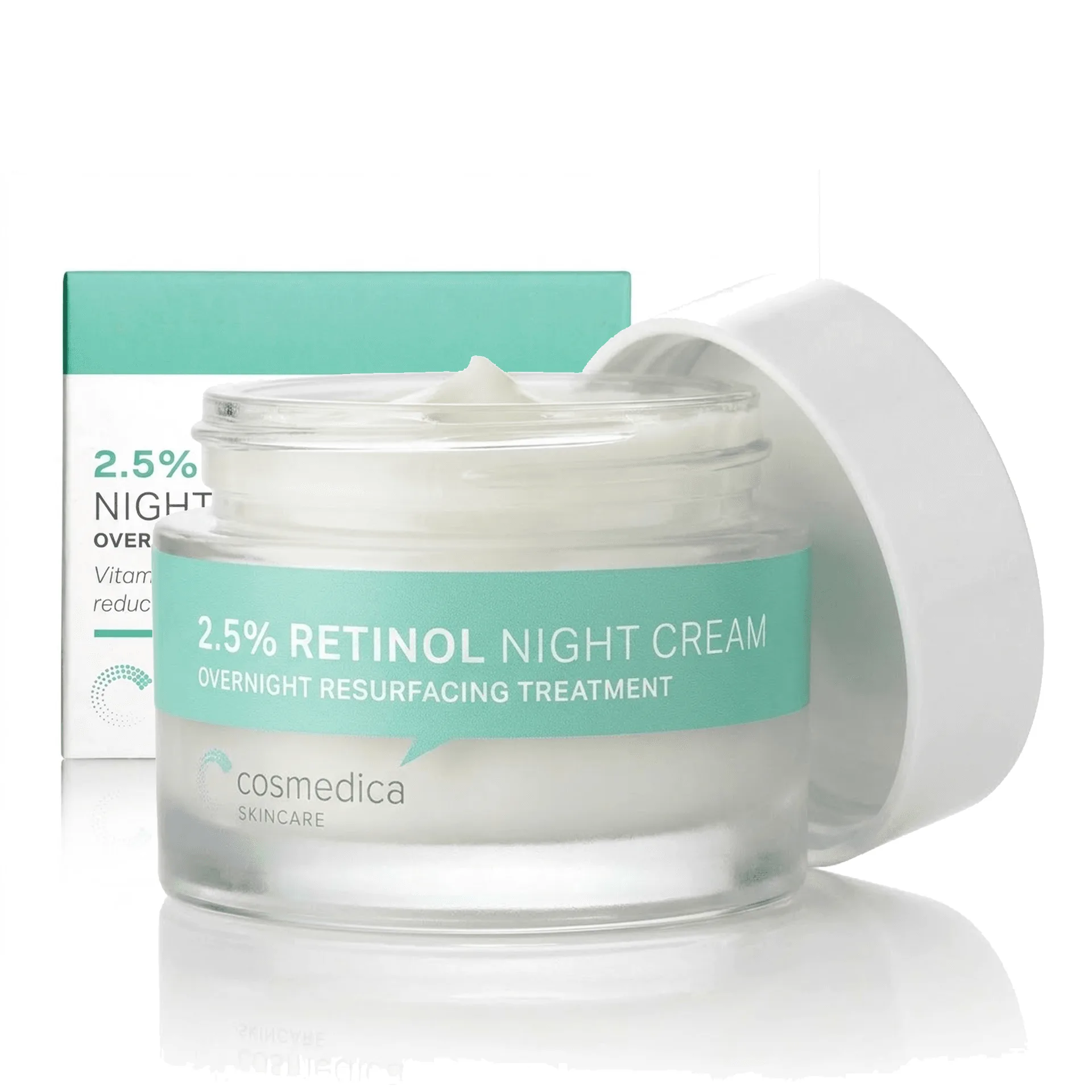
- Cosmedica Skincare Retinol Night Cream – Anti Aging Face Moisturizer with Retinol (Vitamin A) & Hyaluronic Acid – Wrinkle Repair Cream for Acne, Fine Lines & Dark Spots – Night Cream for Face, 1.7 oz: Cosmedica Skincare Retinol Night Cream is an anti-aging face moisturizer with retinol (vitamin A) and hyaluronic acid, described as a night cream for fine lines, acne, and dark spots. Because it already contains hyaluronic acid, it can serve as both the retinol step and the sealing moisturizer on nights when your skin feels balanced, which shortens the routine.
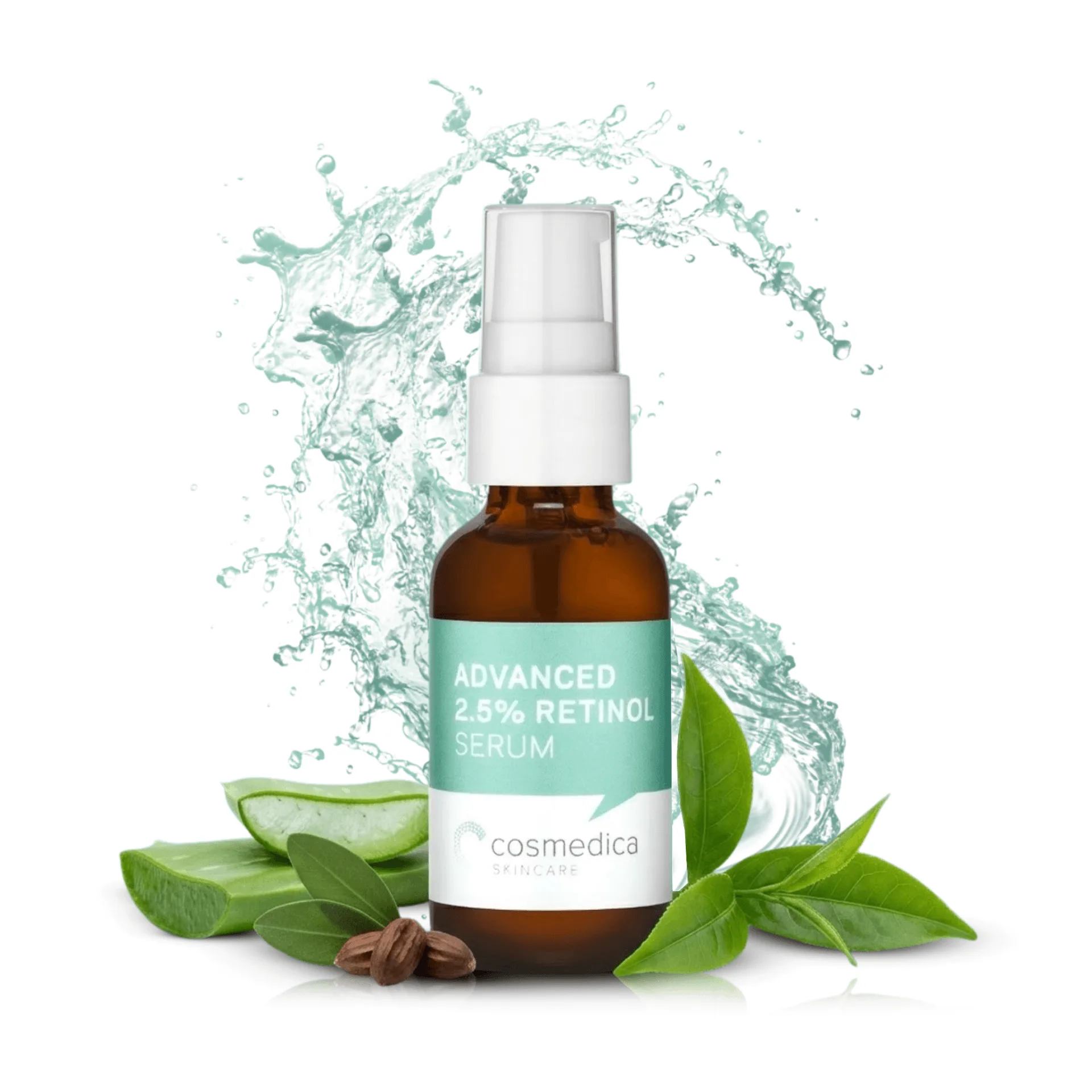
- Cosmedica Skincare Retinol Serum 2.5% | Hydrating Vitamin A Serum with Green Tea Hyaluronic Acid Vitamin E | Non-Irritating Serum for Sensitive Skin Oily Skin | 1oz: Cosmedica Skincare Retinol Serum 2.5% is a hydrating vitamin A serum with green tea, hyaluronic acid, and vitamin E, described as non-irritating for sensitive and oily skin. A serum format lets you control the amount more precisely than a cream, so it suits beginners who want to start with a thin layer and buffer with moisture.
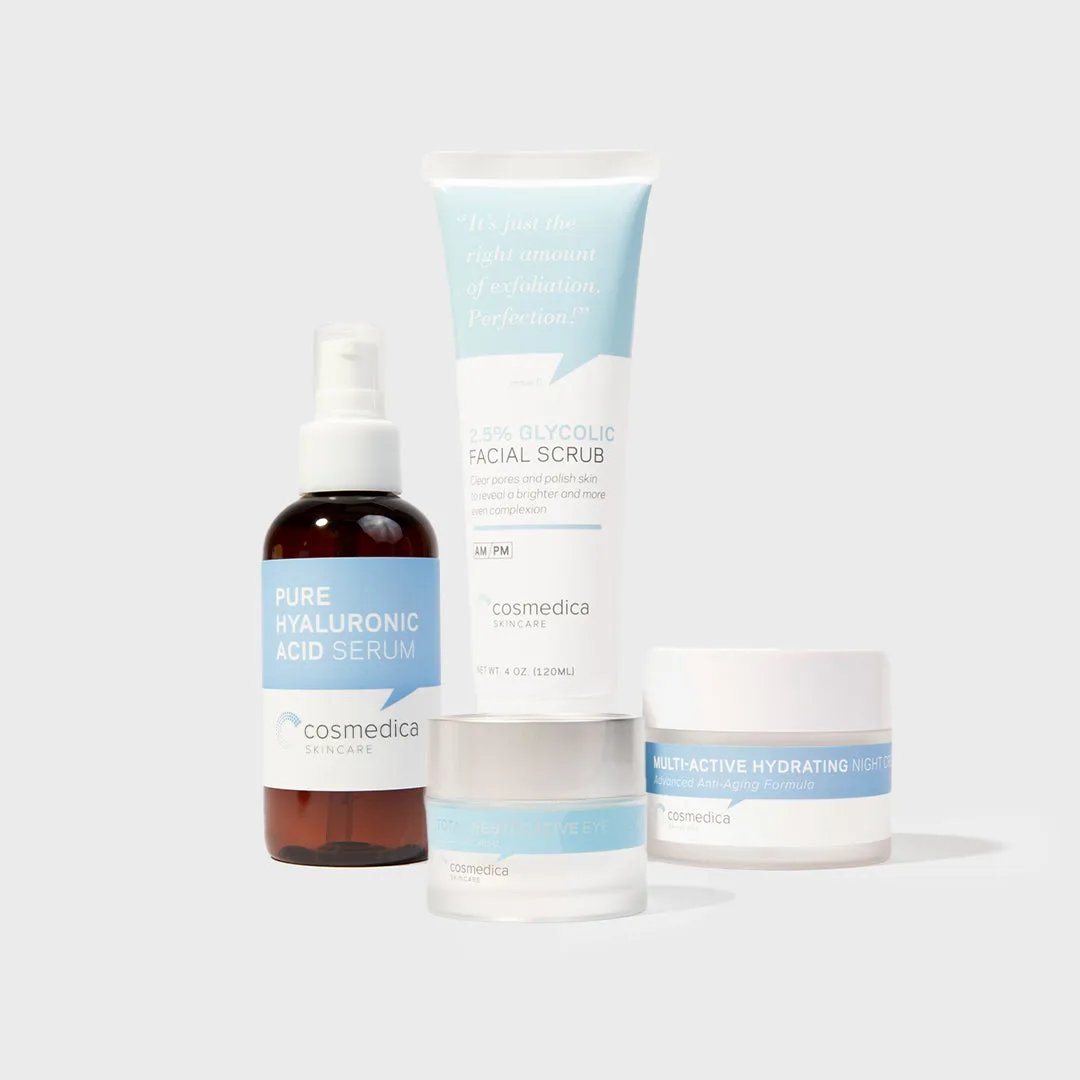
- Complete Complexion Kit: The Complete Complexion Kit includes a 2.5% Glycolic Facial Scrub, Pure Hyaluronic Acid Serum, Multiactive Hydrating Night Cream, and Total Restorative Eye Cream, and can be used in the AM or PM for brightening and sustained hydration. The hyaluronic acid serum and night cream give you the buffer and seal steps, while the glycolic scrub should be scheduled on separate nights from retinol to avoid stacking exfoliation.