Quick answer
Choose one reed diffuser as your room's base scent, then pick a hand cream that shares at least one note with it. Place the diffuser in the room where you most want the scent, and apply the hand cream after washing your hands so the two fragrances meet in the air rather than compete on your skin.
Why layering a hand cream with a reed diffuser works differently than layering two candles
A reed diffuser releases scent continuously and passively into a room, while hand cream releases scent only when you rub it in and stays close to your skin. That difference is useful: the diffuser sets a background, and the cream creates a personal scent bubble you carry with you. Because the cream sits on skin rather than in the air, it can share notes with the diffuser without turning the room into a muddled blend.
The main risk is contrast. If the diffuser is heavy and sweet while the cream is sharp and citrus-forward, the two can read as separate fragrances instead of one layered scent. Pairing by shared notes, or by complementary families like fruit and soft floral, keeps the combo intentional.
Match the diffuser to the room before you match the cream
Start with where the diffuser will live. A reed diffuser works best in a space with some air movement and where you spend passive time, such as an entryway, bathroom or bedroom. Once the room is chosen, the diffuser scent becomes your anchor, and the hand cream should be chosen to support it.
For a bedroom or linen closet, a soft, clean diffuser scent pairs naturally with a hand cream that shares those same soft notes. For a powder room or kitchen, a fruit-forward diffuser can be balanced by a cream with a lighter, fresher profile so the space does not feel heavy.
Apply the hand cream at the right moment
Hand cream performs best on slightly damp skin, so apply it right after washing and patting your hands dry. That timing also matters for layering: the cream's top notes will be most noticeable in the first few minutes, which is when they will blend most clearly with the diffuser already in the air.
Use a smaller amount than you would for a standalone hand cream. A pea-sized dot is enough to scent both hands without leaving a heavy film, and it keeps the fragrance from overwhelming the room. Reapply through the day as needed rather than layering more on top of an already scented layer.
Adjust placement and intensity as the diffuser settles in
A reed diffuser's intensity changes over its lifespan. It tends to be strongest in the first days after the reeds are inserted and softens as the oil is drawn up and dispersed. If the room scent fades, flip the reeds rather than adding a second diffuser, which can push the room past the point where a hand cream can blend with it.
Keep the diffuser out of direct sun and away from vents or open windows, since moving air will exhaust the oil faster and make the scent less consistent. If the diffuser sits right beside where you apply hand cream, you may notice the cream more than the room; move it a few feet away so the two fragrances meet in the middle of the space.
Step-by-step: layering hand cream and reed diffuser scents
- Step 1: Pick your diffuser as the room's base scent: Choose one reed diffuser for the room where you spend the most passive time. Insert the reeds and let the scent settle for a day before judging it. Common mistake: adding a second diffuser in the same room because the first seems quiet. Checkpoint: one diffuser per average room. The diffuser sets the anchor; everything else supports it.
- Step 2: Choose a hand cream that shares at least one note: Read the diffuser notes and pick a hand cream with an overlapping note, such as cotton flower, vanilla, jasmine or cedar. Common mistake: choosing a cream by its name alone without checking notes. Checkpoint: at least one shared note between the diffuser and the cream. Shared notes create a layered scent; unrelated notes create two competing scents.
- Step 3: Apply the cream after washing, in a small amount: Wash and pat hands dry, then smooth in a pea-sized dot of hand cream. Common mistake: applying a full pump to already scented skin, which overwhelms the diffuser. Checkpoint: you should still notice the room scent after the cream settles. Less cream keeps the room and the skin in balance.
- Step 4: Position the diffuser a few feet from where you apply the cream: Keep the diffuser out of direct sun and away from vents, and place it a few feet from your hand cream so the two scents meet in the air. Common mistake: placing the diffuser directly beside the sink, which makes the cream dominate. Checkpoint: the room should smell consistent even when you are not using the cream. Distance helps the two fragrances blend instead of competing.
- Step 5: Refresh by flipping reeds, not by adding more products: When the room scent fades, flip the reeds to renew the throw. Common mistake: adding a second diffuser or a room spray to compensate, which muddles the layered scent. Checkpoint: flip reeds first and wait a day before changing anything else. Maintain the base scent before adding more fragrance.
Product facts to guide your pairing
- French Linen - Hand Cream: French Linen - Hand Cream has notes of Cotton Flower, White Cedar and Sun Dried Vanilla Bean, with citrus peel and solar amber in the fragrance description. A clean, soft profile that layers easily under or over a diffuser with similar cotton, cedar or vanilla notes, and works well in bedrooms and bathrooms.
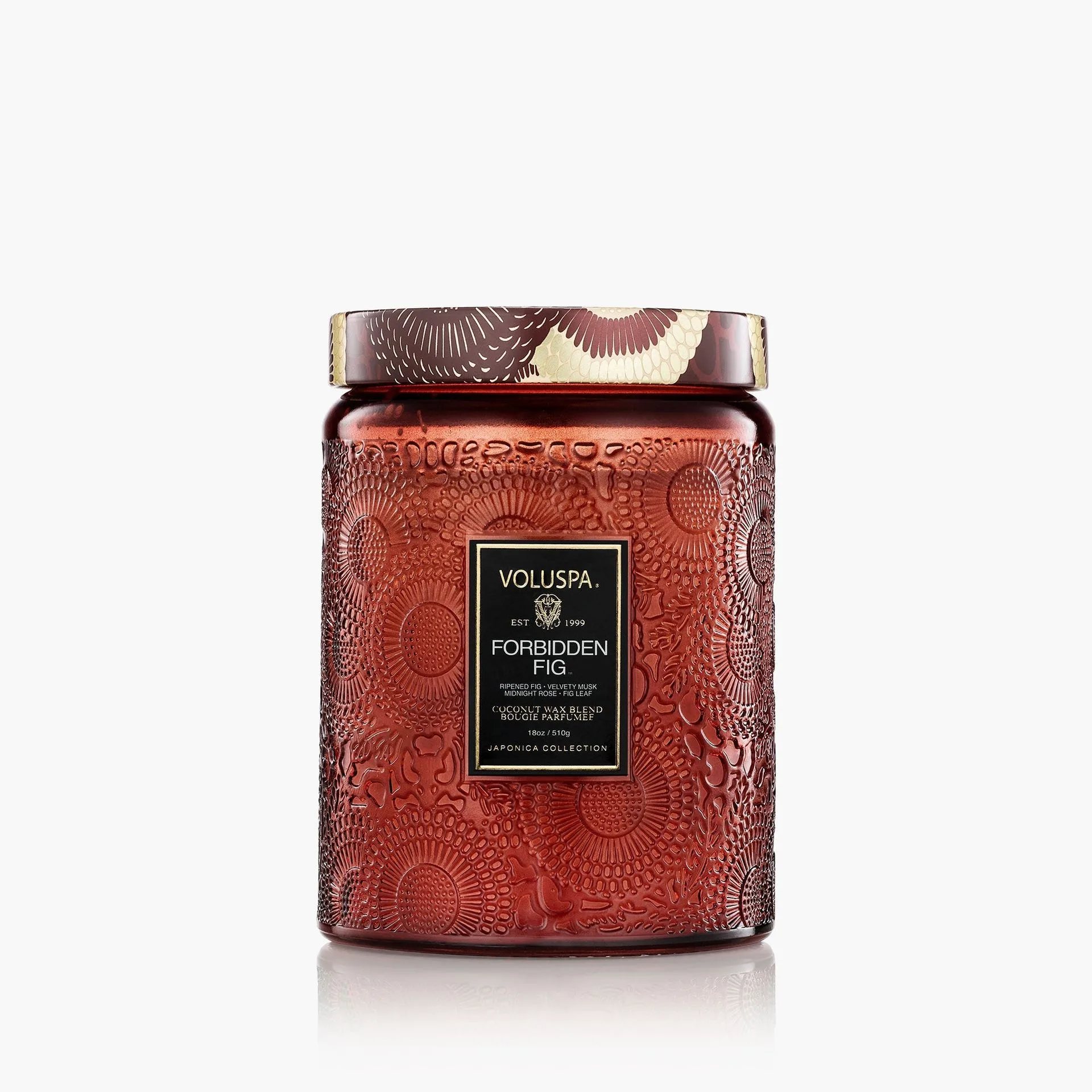
- Forbidden Fig - Reed Diffuser: Forbidden Fig - Reed Diffuser has notes of Ripened Fig, Velvety Musk, Midnight Rose and Fig Leaf. A fruit-and-floral diffuser that pairs with a cream sharing soft floral or vanilla notes, and suits living rooms or entryways where a richer scent is welcome.
- Saijo Persimmon - Reed Diffuser: Saijo Persimmon - Reed Diffuser has notes of Persimmon, Peach and Jasmine, with nectarine, red currant and cassis in the fragrance description. A bright, fruity diffuser that pairs best with a lighter hand cream so the room does not become overly sweet.