Quick Answer
For ski touring, layer with a moisture-wicking base, an insulating mid layer, and a breathable shell jacket that you can easily vent or remove. Adjust layers as your effort and the weather change.
Why Layering Matters for Ski Touring
Ski touring generates intense heat on the ascent and exposes you to cold wind on the descent. A well-planned layering system lets you regulate temperature without stopping to change clothes constantly.
The key is to avoid overheating and sweating, which can lead to chilling once you stop. A breathable shell jacket acts as your outer shield, protecting against wind and precipitation while allowing moisture to escape.
Trade-offs: Breathability vs. Weather Protection
A highly breathable shell jacket is great for uphill exertion but may sacrifice some waterproofness. For dry, cold conditions, prioritize breathability; for wet or windy days, you might accept a less breathable shell for better protection.
Consider the Crizzle EVO Shell Jacket Women's if you want a lightweight, eco-conscious option that balances protection and ventilation. Its recycled EVO Shell™ material provides a 3-layer system designed for winter outings.
Step-by-Step Layering Guide
- Start with a moisture-wicking base layer: Choose a synthetic or merino wool base layer that pulls sweat away from your skin. Avoid cotton, as it retains moisture and makes you cold. Check that your base layer fits snugly but not tightly, allowing full range of motion.
- Add an insulating mid layer: Use a lightweight fleece or insulated jacket to keep warmth. For high-output touring, opt for a breathable mid layer that you can easily remove. If you start sweating on the ascent, remove the mid layer before you get too hot.
- Top with a breathable shell jacket: Wear your shell as the outer layer to block wind and light precipitation. Ensure it has pit zips or front vents to release excess heat. Open vents before you start sweating, not after, to prevent moisture buildup.
- Adjust layers during transitions: Before descending, add the mid layer back and close vents to trap warmth. On long ascents, consider stashing the shell in your pack if it's too warm. Always carry a lightweight pack to store layers as your temperature changes.
- Check for moisture management: After each leg, feel your base layer. If it's damp, you're overheating; adjust your layers or pace. A breathable shell helps, but you must actively manage vents. Learn your sweat patterns and preemptively adjust layers to stay dry.
Featured Product
-
Crizzle EVO Shell Jacket Women's: The Crizzle EVO Shell Jacket Women's uses a 3-layer system made of recycled EVO Shell™ material, designed for winter outings. This lightweight, essential shell offers a good compromise between weather protection and breathability, making it a solid outer layer for ski touring.
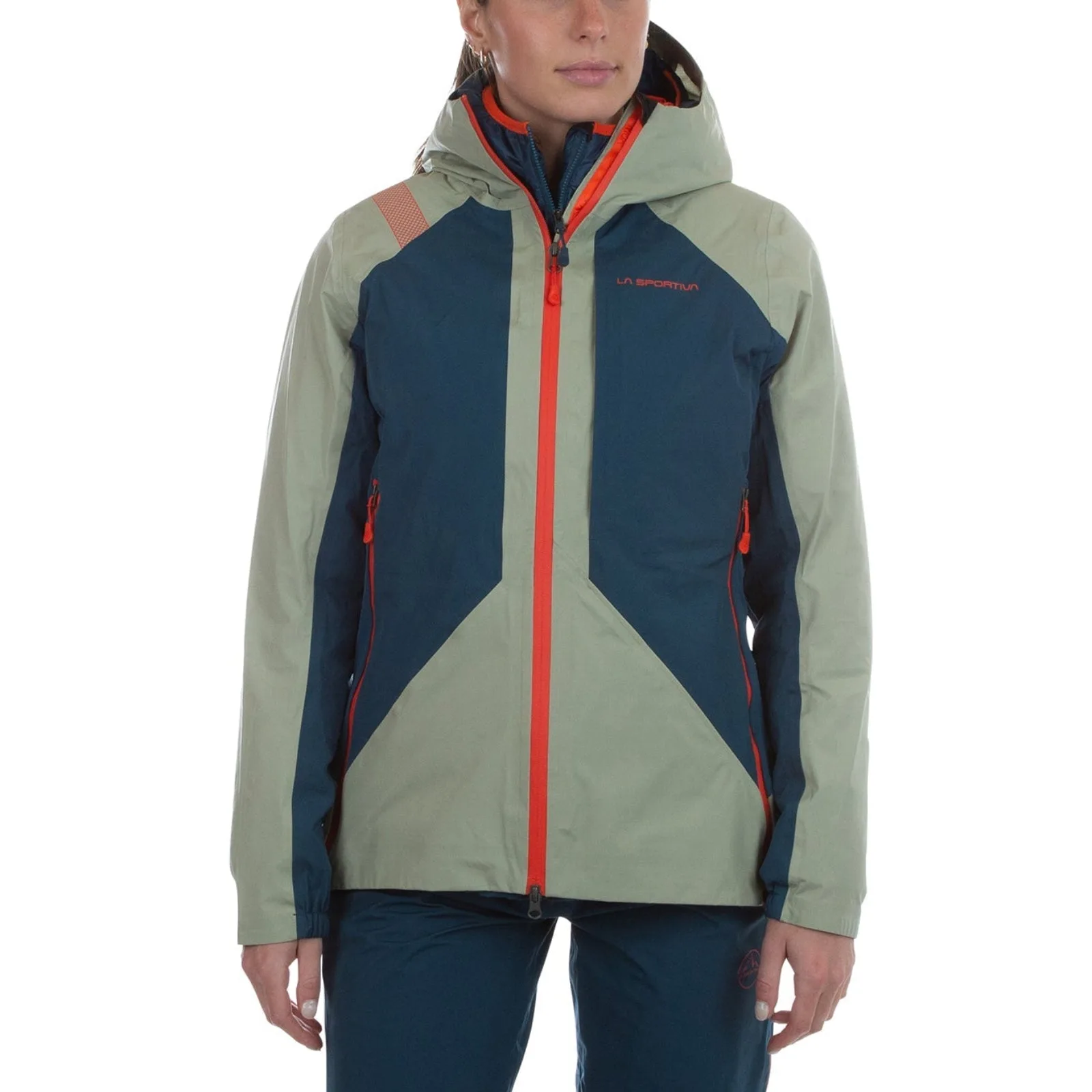
Crizzle EVO Shell Jacket Women's