Quick answer
Loading 120 film into a medium format camera requires careful handling in subdued light to avoid fogging. Follow these steps to ensure proper alignment and avoid common mistakes.
Why Loading 120 Film Differs from 35mm
120 film comes on a spool with a paper backing that protects it from light. Unlike 35mm cartridges, you must manually thread the film onto the take-up spool and ensure even tension. A common mistake is loading in bright light, which can fog the edges of the film. Always load in shade or a changing bag.
Choosing the Right Film for Your Subject
For portraits or scenes with skin tones, color negative films like Kodak Portra 160 offer natural colors and fine grain. For high-contrast black-and-white subjects, Kodak T-MAX 100 provides exceptional sharpness and detail. Both are excellent choices for medium format work.
Step-by-Step: Loading 120 Film
- Prepare your camera and film: Open the camera back in subdued light. Ensure the take-up spool is empty and the film chamber is clean. Have your 120 film roll ready. Check that the camera's pressure plate is set to the correct format (e.g., 6x6 or 6x7) before loading.
- Insert the film spool: Place the new film spool into the supply chamber. Pull the paper leader across the film gate and insert it into the slot of the take-up spool. Wind the take-up knob a few turns to secure the paper. Make sure the paper is aligned straight; if it's crooked, the film may not advance evenly.
- Close the back and advance to frame 1: Close the camera back securely. Use the winding knob to advance the film until the start marks on the paper backing align with the camera's index mark. Some cameras have a red window; use it only in low light to avoid fogging. Do not force the winder if you feel resistance—check for jams or misalignment.
- Begin shooting and advance after each frame: After each exposure, wind the film to the next frame number indicated on the paper backing. Most medium format cameras have a frame counter; trust it over the paper numbers if they differ. Avoid winding too quickly—static electricity can cause streaks on the film.
- Unload the film after the last frame: Once you've shot the last frame (usually 12 for 6x6, 10 for 6x7), continue winding until the paper backing completely wraps around the take-up spool. Open the camera back in subdued light and remove the spool. Seal it with the adhesive strip. If you forget to seal the roll, the film may loosen and cause light leaks.
Film Recommendations for Medium Format
-
Kodak T-MAX 100 Black & White 120 Film - Single Roll: Kodak T-MAX 100 is a medium-speed black and white negative film with an extremely fine grain structure and high sharpness. Its fine grain makes it ideal for large prints or scanning, and the T-GRAIN emulsion helps maintain film speed while reducing visible grain.
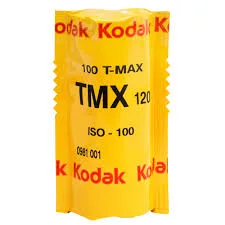
Kodak T-MAX 100 Black & White 120 Film - Single Roll
-
Kodak PORTRA 160 Color 120 Film - Box (5 Rolls): Kodak Portra 160 is a daylight-balanced color negative film with a smooth, natural color palette and very fine grain. It delivers accurate skin tones and consistent results, making it a top choice for portrait and wedding photographers using medium format.
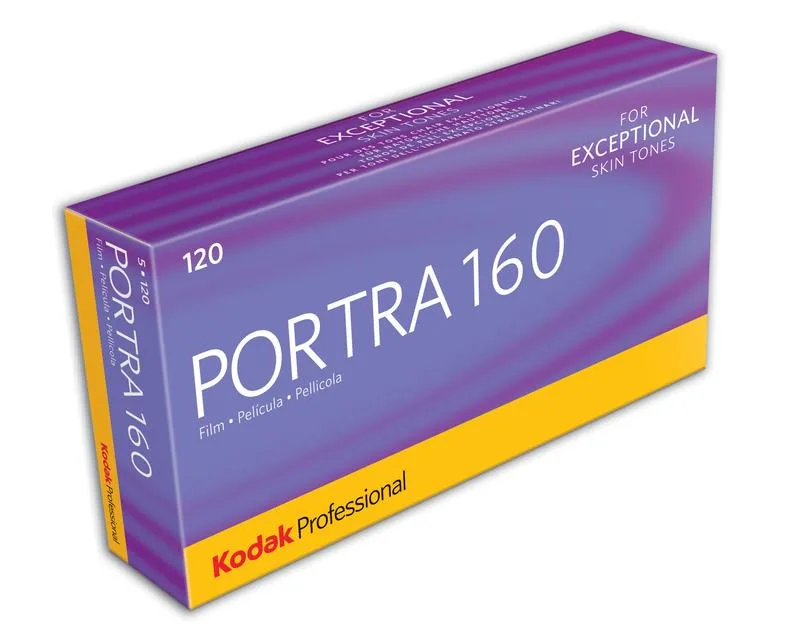
Kodak PORTRA 160 Color 120 Film - Box (5 Rolls)