Quick answer
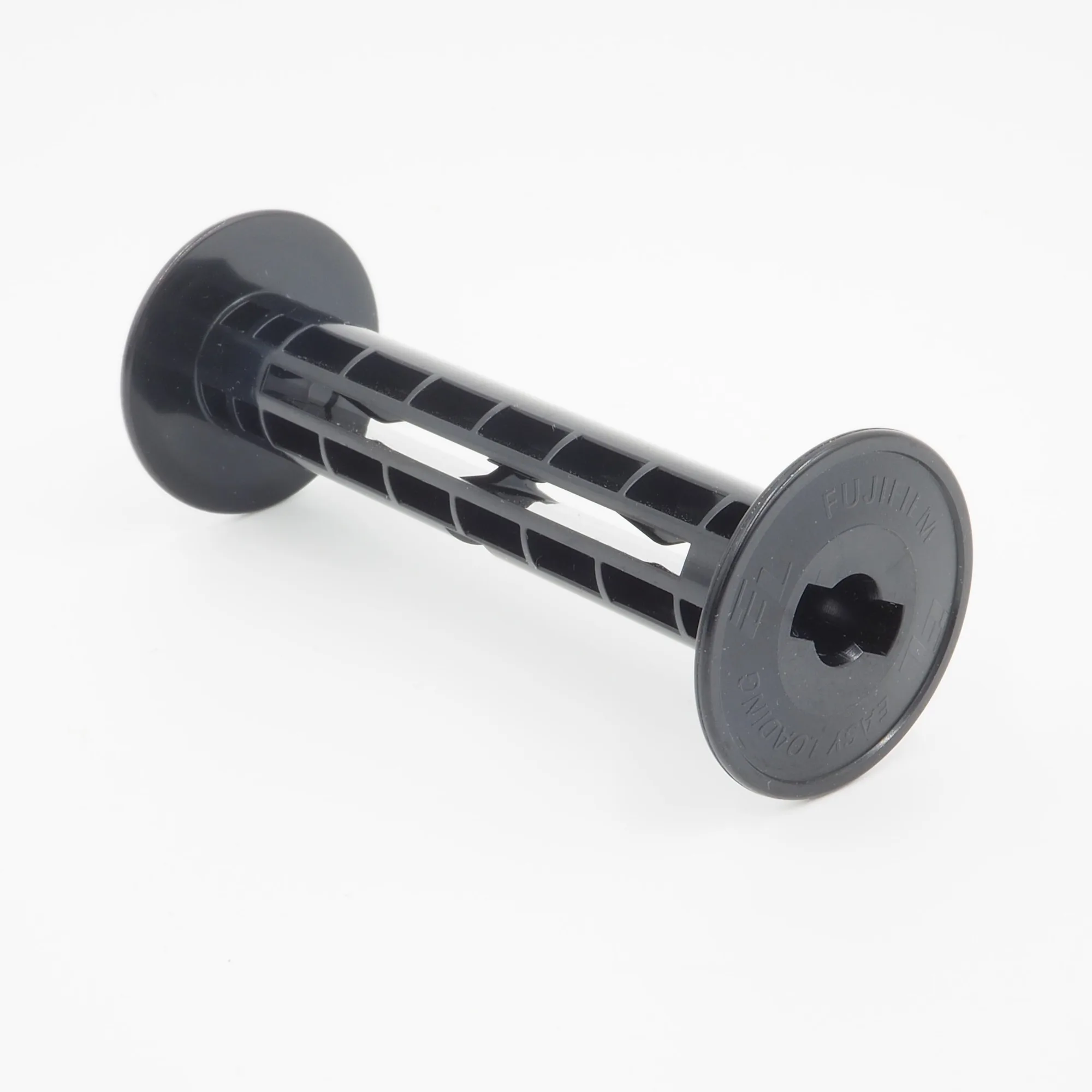
Loading 120 film on a replacement spool means moving the film from its original supply spool onto a fresh take-up spool inside the camera, then winding until the backing paper engages. The key is to keep the backing paper square, start the leader in the take-up slot at the correct angle, and confirm the spool turns with the film rather than slipping. A clean 120 Replacement Film Spool makes this easier because the take-up slot is not worn or bent.
Why a replacement take-up spool matters
A 120 roll has no internal cassette. The film and its backing paper travel from a supply spool to a take-up spool, and the camera's winding mechanism turns that take-up spool. If the take-up spool is bent, has a widened slot, or is missing, the leader can slip out and the roll will not advance correctly. A dedicated replacement spool restores that mechanical link without changing how the camera operates.
This is also why 120 film loading is different from 35mm loading. You are not threading a leader into a slotted reel; you are attaching the backing paper to a spool and letting the camera pull the film through. The take-up spool is part of the light-tight path, so its condition matters as much as your loading technique.
Before you start: check the camera and spool
Work in subdued light, but not total darkness. You need to see the backing paper's start mark and the take-up slot. Open the camera back and remove any old spool. Inspect the take-up chamber: it should hold the spool securely without wobble, and the winding key or gear should engage the spool's end slots.
Check the replacement spool for burrs or a distorted slot. A spool that has been dropped may still fit, but a bent flange can scrape the backing paper and cause uneven winding. If the spool wobbles in the chamber, stop and use a different one.
Understanding the backing paper and start marks
120 backing paper carries printed start marks and frame numbers. The start mark tells you where to align the film before closing the camera back. Different cameras use different marks, so follow your camera's manual for the exact alignment point. The paper also protects the film from light, so any crease or fold in the leader can create a light leak.
Do not trim or tear the backing paper to make it fit. The paper's width and length are part of the 120 format. If the leader is damaged, the roll may not seat properly on the take-up spool.
Step-by-step loading process
The steps below assume the film is still on its original supply spool and you are installing a replacement take-up spool. The order matters: if you attach the film to the take-up spool before seating the supply spool, you can twist the backing paper.
Loading steps with checkpoints
- Seat the supply spool: Place the original 120 supply spool in the supply chamber so it sits flat and the film exits toward the take-up side. Common mistake: forcing a spool into the wrong chamber or letting it sit at an angle, which makes the backing paper run off-center. Checkpoint: the spool should rotate freely but not slide side to side.
- Insert the replacement take-up spool: Fit the 120 Replacement Film Spool into the take-up chamber and confirm the winding key engages its end slot. Common mistake: not pushing the spool fully onto the key, so it turns without pulling the film. Checkpoint: turn the winding crank slightly; the spool should rotate with the key, not spin independently.
- Start the backing paper into the take-up slot: Pull a few inches of backing paper from the supply roll and slide the tapered leader into the take-up spool's slot. Feed it straight, not at an angle. Common mistake: creasing the leader or inserting it only partway, which causes the paper to slip out on the first wind. Checkpoint: the leader should protrude through the slot and lie flat against the spool.
- Wind one or two turns to engage the paper: Turn the winding mechanism slowly until the backing paper wraps around the take-up spool and holds. Common mistake: winding fast and letting the paper overlap itself, which creates a bulge that rubs inside the camera. Checkpoint: the paper should wrap evenly with no overlap or slack.
- Align the start mark: Continue winding until the camera's start mark aligns with the mark on the backing paper, following your camera's manual. Common mistake: using the wrong mark or stopping short, which leads to uneven frame spacing or a lost first frame. Checkpoint: the start mark should be visible in the film gate or alignment window as your camera requires.
- Close the back and advance to frame one: Close the camera back securely and wind to frame one. Common mistake: not latching the back fully, which can open slightly and fog the film. Checkpoint: the back should be flush and locked; the counter should move toward frame one.
- Confirm tension and listen for smooth advance: As you advance, the film should feel taut but not stiff. Common mistake: ignoring a sudden looseness, which usually means the leader slipped out of the take-up slot. If the advance feels loose, open the camera in subdued light, re-seat the leader, and start again before exposing more frames.
Product facts
- 120 Replacement Film Spool: This 120 Replacement Film Spool is a take-up spool intended for medium format cameras that use 120 film, offered by Austin Camera under the brand name Austin Camera with item code FS120 and reference L: ST4001. A correct take-up spool is the part that receives the film and backing paper, so using a spool designed for 120 film avoids fit and winding problems.
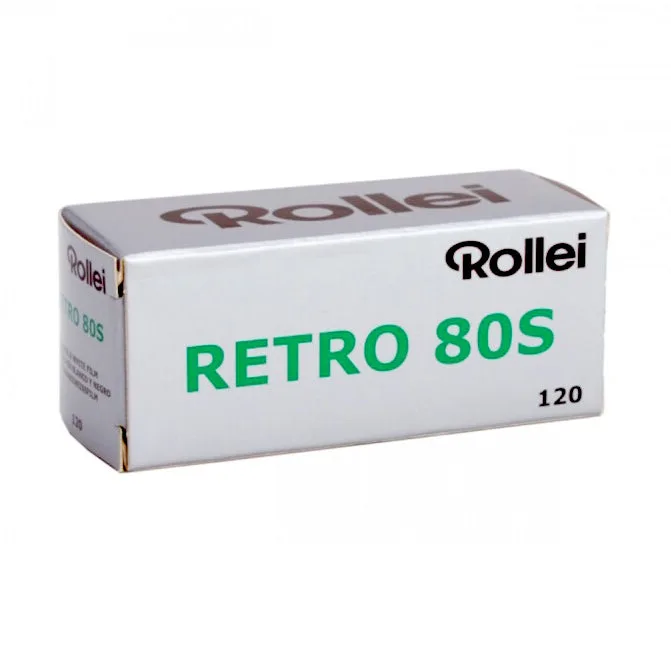
- Rollei Retro 80s Medium Speed Black & White Negative Film - 120 Roll: Rollei Retro 80s is a medium speed black and white negative film with a nominal sensitivity of ISO 80/20°, characterized by extremely high sharpness and high-resolution power for brilliant results with a wide tonal range, ideal for well-illuminated scenes. Because this film is medium speed, it is less forgiving in dim light; load it carefully so you do not waste a roll on scenes that need a faster film.
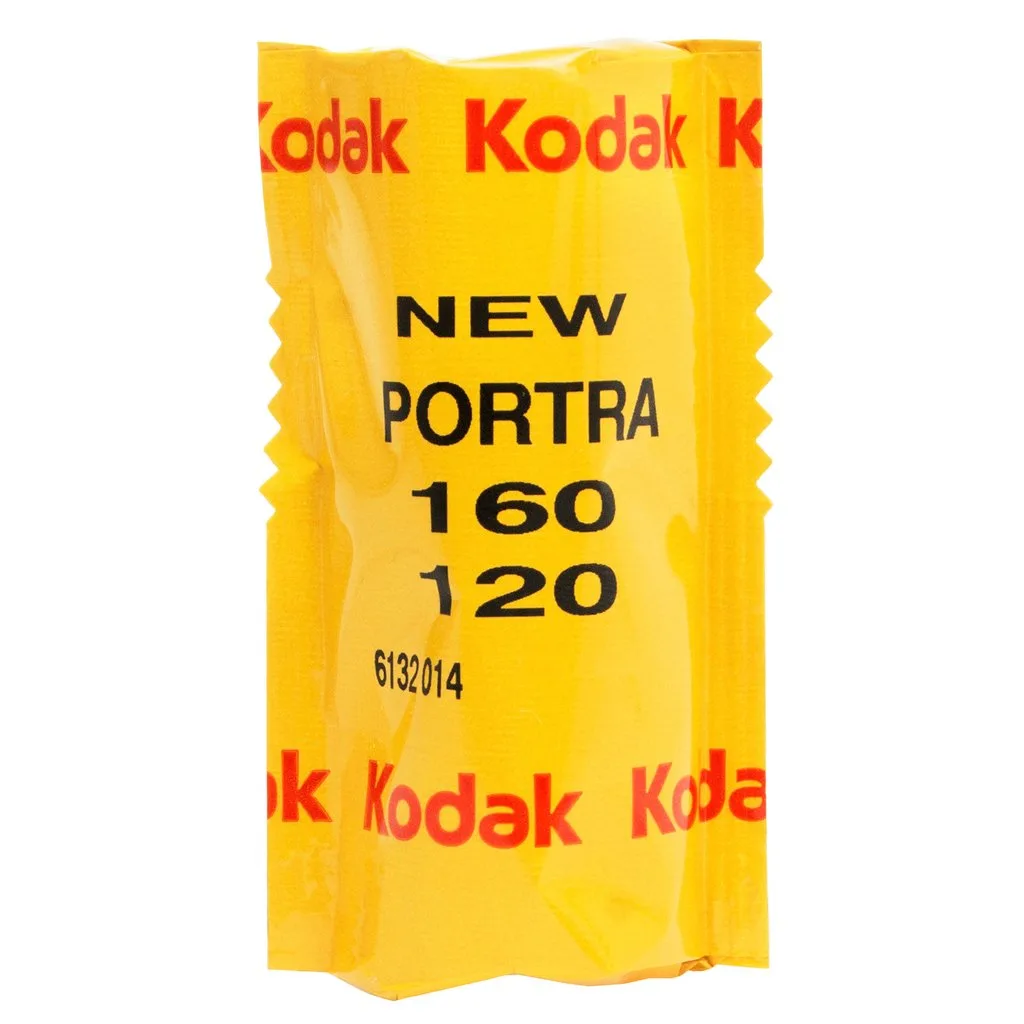
- Kodak Professional Portra 160 Color Negative Film - 120 Roll Film: Kodak Professional Portra 160 is a color negative film with finer grain and exceptional skin tones, designed for improved scanning and enlargement capability, and is an ideal choice for portrait and fashion work. If you are loading 120 film for portraits, Portra 160's finer grain rewards correct loading and handling because scratches or light leaks are more visible in smooth tonality.