Quick answer
A floppy bag usually needs a stronger stabilizer, not more fabric. Start by adding a firm fusible or sew-in stabilizer to the main panels, then reinforce the base. If the bag still collapses, switch to a structured material like Hexatex 420D or a foam alternative such as SewSquish Cloud. Stop adding layers once the bag holds its shape without feeling like cardboard.
You finished a bag, and it slumps like a deflated balloon. Before you unpick seams or blame the pattern, diagnose the cause. Floppiness almost always comes down to insufficient stabilizer, the wrong interfacing weight, or a fabric that is too soft for the bag's size.
This guide walks through the symptom, likely cause, corrective action, and the point where you should stop or choose a different material. You will learn how to make a bag less floppy without turning it into a rigid box.
Symptom: The bag collapses when set down
If your bag folds in on itself the moment you set it down, the main panels lack enough structure. This is common with soft canvas, quilting cotton, or thin vinyl. The fabric itself may be fine; it just needs a stabilizer that adds body without bulk.
Check the base first. A bag that sags at the bottom but stands at the sides often needs a stiff base insert rather than a full-panel overhaul. If the whole bag droops, plan to stabilize both the exterior and lining panels.
- Test by holding the empty bag by the handles. If the bottom curves upward, start with a base stabilizer.
Likely cause: Wrong stabilizer weight or type
Not all stabilizers are interchangeable. Fusible fleece adds softness but little structure. Craft interfacing may be too thin. A mid-weight to heavy fusible or sew-in stabilizer is usually the minimum for a tote or shoulder bag. For bags that need to hold a shape, consider a non-woven stabilizer with firm hand or a material like Hexatex 420D.
If you used a lightweight interfacing because you feared stiffness, that is likely the culprit. Bag stabilizer solutions range from soft to rigid; matching the weight to the bag's size and use is key.
- For small pouches, a medium-weight fusible may be enough. For large totes, go firmer.
Corrective action: Add or upgrade stabilizer
If the bag is already sewn, you can sometimes add a firm base insert or a sew-in stabilizer panel between the exterior and lining. For a more thorough fix, unpick the lining, add a heavier fusible to the exterior panels, and consider a foam alternative like SewSquish Cloud for cushioned structure. SewSquish Cloud is a 2mm thick 3D air mesh sold in half-yard cuts, approximately 18"x56"-57", and it balances structure with airflow without bulk.
For a bag that needs to stand up but stay soft, combine a firm base with a lighter fusible on the sides. If you want a crisp, structured look, use a non-adhesive Hexatex 420D as a sew-in layer. It is water-resistant and ultrathin, designed for performance.
- Always test your stabilizer combination on a swatch before committing to the whole bag.
When to stop or choose another option
Stop adding stabilizer when the bag holds its shape but still feels pleasant to carry. If it feels like a wooden box, you have gone too far. If the bag still flops after adding a firm stabilizer, the fabric itself may be too soft for the design. In that case, choose a different exterior material such as a 420D polyester ripstop or a laminated fabric.
If you are making a bag that must be lightweight and packable, accept some floppiness as a feature. Not every bag needs to stand on its own. For those projects, a light interfacing for floppy bags is enough to prevent total collapse without adding rigidity.
- Consider the bag's purpose: a travel bag can be soft; a work tote may need more structure.
Diagnosis: Floppy bag decision guide
- Bag collapses at the base only: Add a firm base insert or a layer of heavy stabilizer to the bottom panel. If the sides still stand, this is often enough.
- Bag droops everywhere: Upgrade to a firm fusible or sew-in stabilizer on both exterior and lining. Consider a structured material like Hexatex 420D. If it still flops, the fabric is too soft.
- Bag feels stiff as cardboard: You have over-stabilized. Remove a layer or switch to a softer stabilizer like SewSquish Cloud. Stop when it holds shape but still feels like a bag.
- Bag is meant to be packable: Use a light interfacing only, and accept some floppiness as a design feature. Not every bag needs to stand alone.
Materials that help with bag structure
- SewSquish Cloud (HY) - HOT PINK #8: Sold in HALF YARD cuts, approximately 18"x56"-57" (They will be precut). 2mm thick sandwich 3D air mesh. Perfect balance of structure and airflow without the bulk. Use it for straps, back panels, and padded accents where you want cushioning and some structure without the weight of traditional foam.
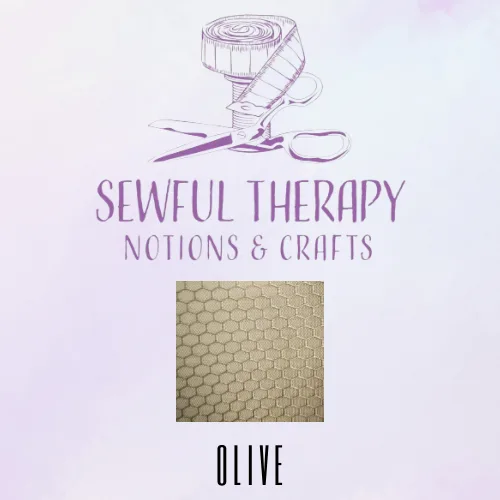
- Hex Polyester Ripstop Olive 420D (Yard): Durable and ultrathin material, water-resistant nylon ripstop, ideal for lining or exterior fabric. Provides a sleek and slick finish. A good choice when you need a lightweight, water-resistant layer that adds a bit of body without stiffness. It can be used as a lining or exterior for outdoor projects.
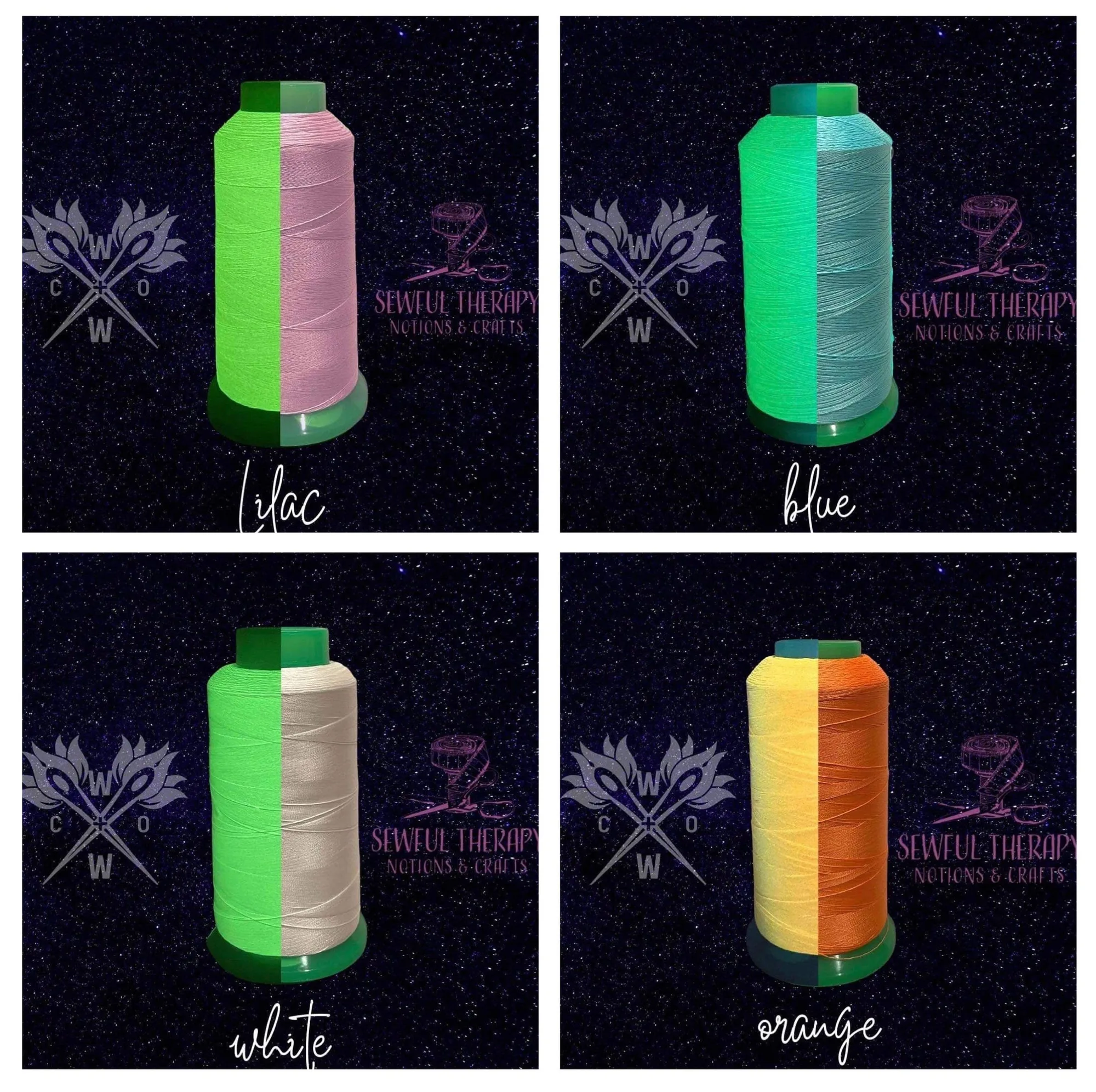
- Glow Up: Glow in the Dark Thread Tex50: 100% polyester thread sourced specifically for embroidery. Use UV light to charge the glow before viewing results. Not a stabilizer, but useful for adding decorative structure or accents that make a bag feel more intentional and finished.
Fixing a floppy bag is about diagnosis, not guesswork. Start with the base, then upgrade stabilizer weight or type. If the bag still collapses, change the fabric or accept the softness. With the right bag structure tips, you can make a bag that holds its shape without losing its soul.