Quick Answer
Making a latte at home with a super automatic espresso machine is straightforward: brew a fresh double shot, steam milk to the right temperature, and combine them with a simple pour. The key is using fresh beans and proper milk frothing technique.
Why Using a Super Automatic Machine Makes Latte-Making Easier
Super automatic espresso machines handle grinding, dosing, and brewing automatically, removing the guesswork from espresso extraction. This consistency is especially helpful for beginners who want a reliable foundation for their latte. The integrated grinder ensures you always use freshly ground beans, which significantly improves flavor compared to pre-ground coffee.
Choosing the Right Milk
Whole milk (3.25% fat) is the most forgiving for steaming and produces a creamy microfoam that blends well with espresso. Low-fat or plant-based milks can be used but may require more practice to achieve the same texture. Always start with cold milk (around 40°F/4°C) to give yourself enough time to stretch and heat it properly.
Step-by-Step Latte Recipe
- Step 1: Prepare Your Machine and Beans: Fill the water tank with fresh, cold water. Add whole coffee beans to the hopper. Turn on the machine and allow it to heat up (usually 30-60 seconds). Run a blank shot (no coffee) through the group head to warm the brewing unit and cup. Always use fresh beans and preheat your cup to maintain espresso temperature.
- Step 2: Brew a Double Shot of Espresso: Place a preheated cup under the spout. Select the double shot setting on your machine. The machine will grind, tamp, and brew automatically. Aim for a 1:2 ratio (e.g., 18g coffee yields about 36g liquid espresso) in 25-30 seconds. If the shot runs too fast or slow, adjust the grind setting on your machine. Timing your shot helps you dial in the perfect extraction. Too fast means grind finer; too slow means grind coarser.
- Step 3: Steam and Froth the Milk: Fill a stainless steel pitcher with cold milk (about 6-8 oz for a latte). Submerge the steam wand tip just below the milk surface. Turn on the steam and lower the pitcher slightly to introduce air (stretching) for 3-5 seconds, creating a hissing sound. Then submerge the wand deeper to heat the milk to 150-155°F (65-68°C). Tap the pitcher on the counter to pop large bubbles, then swirl to integrate the microfoam. Avoid overheating milk above 160°F—it will scald and lose sweetness. Use a thermometer if your machine doesn't have an auto-steam function.
- Step 4: Pour and Assemble the Latte: Pour the steamed milk into the espresso shot, holding back the foam with a spoon if desired. Start with a gentle stream from a height to mix the milk and espresso, then lower the pitcher to create latte art or simply finish with a layer of foam. Serve immediately. Pour within 30 seconds of steaming to keep the milk texture stable. If the foam separates, the milk was likely overheated or left too long.
Product Facts
-
Black Matte: This KitchenAid® Fully-Automatic Espresso Machine in Black Matte offers a sophisticated addition to your kitchen countertop. Designed for effortless brewing, it delivers rich espresso with minimal effort. Its fully automatic operation simplifies the espresso-making process, so you can focus on perfecting your milk frothing technique without worrying about extraction variables.
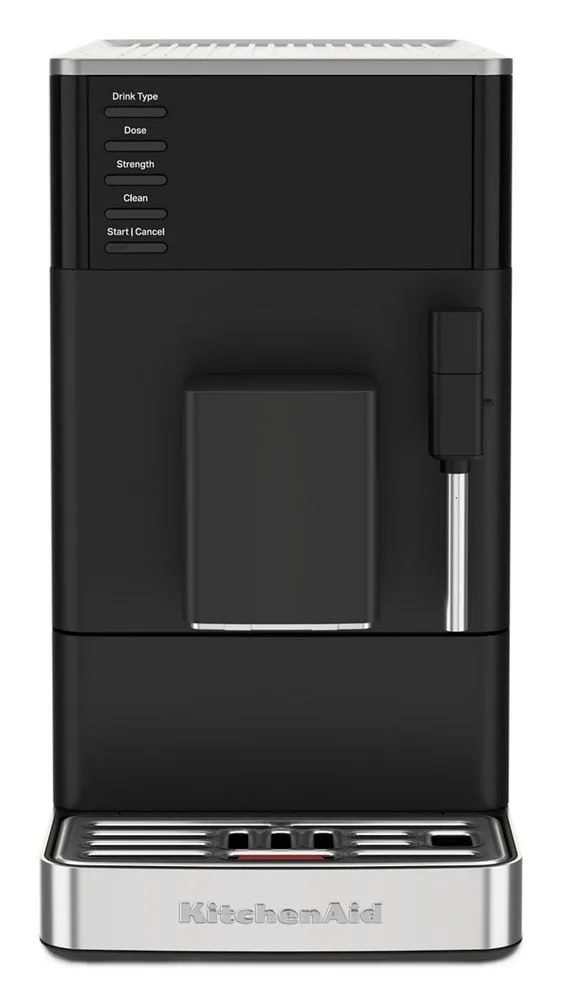
Black Matte