If you follow a gluten-free diet, you might think that achieving a crispy, restaurant-quality pizza crust at home is out of reach. Traditional pizza stones and baking sheets often produce lackluster results with gluten-free dough, which tends to be stickier and more delicate. But with the right tools and techniques, you can enjoy a fantastic gluten-free pizza that rivals any wheat-based version. Enter the Baking Steel – a game-changer for gluten-free pizza enthusiasts.

Baking Steel
In this guide, we'll walk you through everything you need to know about making gluten-free pizza on a Baking Steel. From choosing the right dough to mastering the bake, we'll share tips and tricks that will have you pulling perfect, crispy-crust pizzas out of your oven in no time.
Why Baking Steel is Ideal for Gluten-Free Pizza
Gluten-free doughs lack the elasticity and structure that wheat flour provides, making them prone to sticking and tearing. A Baking Steel offers several advantages that make it the perfect surface for gluten-free pizza. First, its high thermal conductivity ensures that heat is transferred rapidly and evenly to the dough, creating a crispy bottom crust that holds together well. The intense heat also helps set the crust quickly, reducing the risk of the dough sticking or falling apart.
Additionally, a Baking Steel retains heat much better than a traditional pizza stone, which means you can achieve a higher baking temperature and a more consistent bake. This is especially important for gluten-free doughs, which often need a little extra heat to achieve that desirable crunch. Whether you're using a store-bought gluten-free crust or making your own, the Baking Steel will elevate your results.
- Use a Baking Steel to get a crispy, non-soggy crust every time.
- The steel's heat retention allows for a perfect bake even with delicate gluten-free dough.
Choosing the Right Gluten-Free Dough
When it comes to gluten-free pizza, you have two main options: making your own dough from scratch or using a pre-made mix. Both can yield excellent results on a Baking Steel, but they require slightly different handling. If you're short on time, a high-quality gluten-free pizza dough mix can be a lifesaver. Look for mixes that are specifically designed for pizza, as they often contain a blend of flours and starches that mimic the texture of wheat dough.
For those who prefer to make dough from scratch, a blend of rice flour, tapioca starch, and potato starch is a common combination that works well. The key is to achieve a dough that is moist but not too sticky, and that can be rolled or pressed without falling apart. Remember that gluten-free dough doesn't need to be kneaded like traditional dough; in fact, overworking it can make it tough. Just mix until combined and let it rest for a few minutes before shaping.
- If using a mix, opt for one that includes a binder like xanthan gum for better elasticity.
- Let the dough rest after mixing to allow the flours to hydrate fully.
Preheating Your Baking Steel
One of the most critical steps in making gluten-free pizza on a Baking Steel is preheating. The steel needs to be heated in the oven for at least 45 minutes to an hour at the highest temperature your oven allows (typically 500°F or higher). This ensures that the steel is fully saturated with heat, ready to transfer that energy to your dough the moment it hits the surface.
While the steel preheats, you can prepare your toppings and shape your dough. It's a good idea to place the dough on a piece of parchment paper or a lightly floured peel to make the transfer to the hot steel easier. Gluten-free dough is more fragile, so using parchment paper can help you slide it onto the steel without tearing. Just make sure the parchment is trimmed to fit under the dough, and it will not burn at these temperatures.
- Preheat the steel for at least 45 minutes for best results.
- Use parchment paper to transfer the delicate gluten-free dough.
Shaping and Topping Your Gluten-Free Pizza
Shaping gluten-free dough can be tricky because it lacks the stretch of wheat dough. Instead of tossing it in the air, use your hands to gently press and pat the dough into your desired shape on a piece of parchment paper. If the dough is too sticky, lightly dust it with rice flour or use a bit of olive oil on your hands. Aim for an even thickness, about 1/4-inch, to ensure it cooks evenly.
When it comes to toppings, less is often more for gluten-free pizza. A heavy load of sauce and cheese can make the crust soggy, so keep it light. Pre-cook any vegetables or meats to remove excess moisture, and use a thin layer of sauce. This will help the crust crisp up nicely on the Baking Steel.
- Use a gentle hand when shaping; gluten-free dough doesn't stretch like traditional dough.
- Keep toppings light and pre-cook wet ingredients to avoid sogginess.
Baking Your Gluten-Free Pizza to Perfection
Once your steel is fully preheated and your pizza is assembled, it's time to bake. Slide the pizza (with the parchment paper) onto the hot steel using a pizza peel. Bake for about 8-10 minutes, or until the crust is golden brown and the cheese is bubbly and slightly charred. Because the steel transfers heat so efficiently, you may find that your pizza cooks faster than with a stone, so keep an eye on it.
After baking, let the pizza rest for a minute or two before slicing. This allows the crust to set and makes it easier to cut. Use a sharp pizza cutter or a rocking blade to slice through the crispy crust without dragging the toppings. With a little practice, you'll be making gluten-free pizzas that are the envy of all your friends.
- Bake at 500°F for 8-10 minutes, watching closely.
- Let the pizza rest before slicing to maintain its structure.
Tools That Make Gluten-Free Pizza Easier
Having the right tools can make all the difference when working with gluten-free dough. A good pizza peel is essential for transferring your pizza to and from the steel. Look for a peel with a thin, flat surface that can slide easily under the dough. The Baking Steel Pizza Rocker 12" Blade with Walnut Handles is perfect for slicing through crispy gluten-free crusts without crushing them. Its sharp, rocking motion cuts cleanly through even the most delicate toppings.
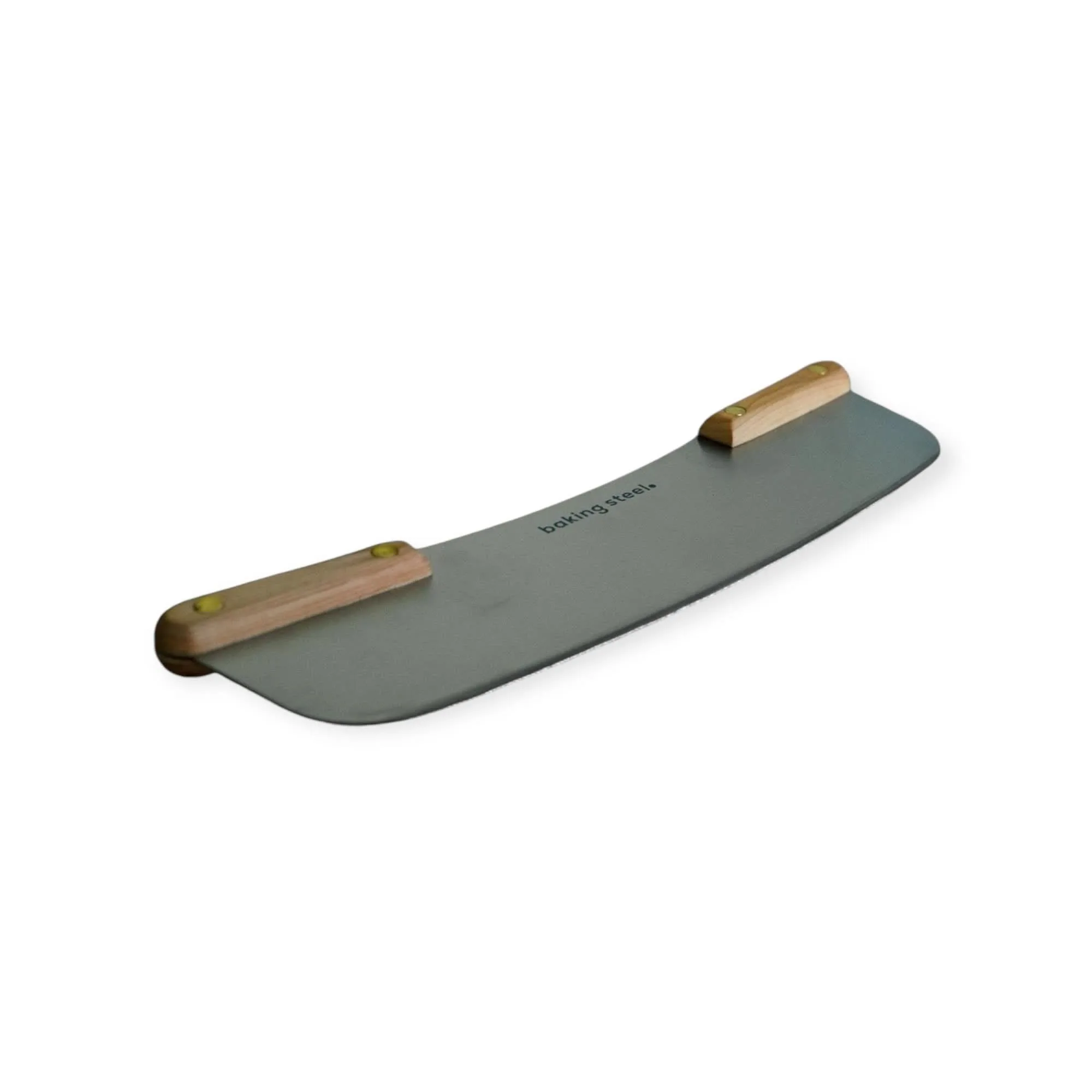
Baking Steel Pizza Rocker
Another handy tool is the Baking Steel Dough Cutter – 304 SS, Tapered Blade, Oak Handle. This cutter is great for dividing your dough into individual portions or for trimming parchment paper to size. Its tapered blade ensures precise cuts, which is especially useful when working with sticky gluten-free dough.
- Use a pizza rocker for clean, even slices.
- A dough cutter helps manage sticky gluten-free dough.
Cleaning and Maintaining Your Baking Steel
After enjoying your delicious gluten-free pizza, it's important to clean your Baking Steel properly to keep it in top condition. Never submerge the steel in water or put it in the dishwasher, as this can cause rust. Instead, let it cool completely, then scrape off any food residue with a metal spatula or a dedicated cleaning tool. For stubborn bits, you can use a damp cloth or a non-abrasive scrubber.
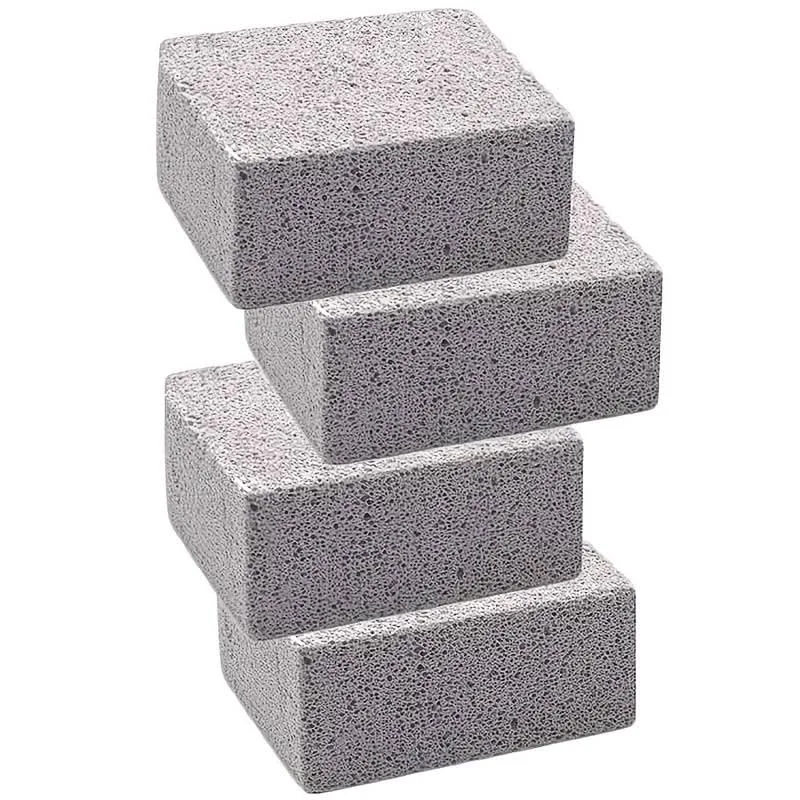
To make cleaning easier, consider using https://bakingsteeleun.com/products/baking-steel-cleaning-bricks-314758Baking Steel Cleaning Bricks. These pumice stones are designed to safely remove burnt-on residue without damaging the steel's surface. Simply rub the brick gently over the hot (but not scorching) steel to lift away grime, then wipe with a dry cloth. Regular maintenance will keep your steel performing beautifully for years to come.
- Never use soap on your Baking Steel; it can affect the seasoning.
- Use cleaning bricks for tough, baked-on residue.
Making gluten-free pizza on a Baking Steel is not only possible, but it's also a game-changer for anyone who thought they had to give up crispy, delicious pizza. With the right dough, proper preheating, and a few helpful tools, you can enjoy restaurant-quality gluten-free pizza right at home. So why wait? Grab your Baking Steel and start experimenting today. And if you're looking to upgrade your pizza-making gear, check out the Baking Steel Pizza Rocker to make slicing a breeze.