Quick Answer
To make hair color last longer, wash less often with a sulfate free shampoo-s1506-283740-3095753">shampoo-s1245-242887-3072605">shampoo-2971621">shampoo for color treated hair, rinse with cool water, and protect your hair from heat before styling. A color preserving shampoo plus a heat protectant and weekly masque does more for longevity than any single product.

protect
Fresh color looks best in the first two weeks, then slowly dulls as water, heat, and friction strip the cuticle. You can slow that fade without turning your routine into a science project. The steps below are ordered by impact, so start at the top and add as you go.
This guide assumes you already have color you want to keep, whether it is a single-process shade, highlights, or a gloss. It focuses on habits and product types you can actually stick to between appointments, and it flags the mistakes that quietly undo your salon investment.
Start With Your Wash-Day Rhythm
Most color loss happens in the shower, not at the salon. Every wash opens the cuticle and lets some pigment escape, so stretching washes to two or three times a week is the single biggest lever you have. If your scalp gets oily before your ends do, a dry shampoo or a quick water-only rinse can buy you an extra day without a full wash.
When you do wash, reach for a sulfate free shampoo for color treated hair. Sulfates are efficient cleansers, but they can strip color faster than gentler surfactants. You do not need to spend a fortune, but you do need to read the label rather than assume a bottle labeled color-safe is automatically sulfate free.
- Common mistake: washing daily out of habit even when your hair does not need it.
- Checkpoint: if your color looks noticeably duller after three washes, your cleanser is too harsh.
Adjust Water Temperature and Rinse Order
Hot water feels good, but it lifts the cuticle and speeds pigment loss. Keep your shower warm rather than steaming, and finish your wash with a cool rinse. That final cool rinse helps the cuticle lay flat, which makes hair look shinier and slows the release of color molecules.
Order matters too. Shampoo first, then apply conditioner from mid-length to ends, and let it sit for a minute or two before rinsing. Conditioner closes the cuticle and adds a light protective layer, so it does more good after cleansing than before.
- Common mistake: skipping conditioner because you think it weighs hair down. Use less, not none.
- Checkpoint: cool rinse water should feel noticeably cooler than your wash water, not icy.
Add a Weekly Masque Instead of Over-Conditioning
Color-treated hair tends to feel drier because the coloring process lifts the cuticle. A weekly masque or treatment gives you a concentrated dose of moisture and slip without the daily buildup you get from piling on conditioner. Once a week is usually enough; twice if your hair is very porous or bleached.
Look for treatments that mention color preservation or bond support rather than heavy oils that sit on top of the hair. Apply to clean, damp hair, comb through, and follow the package timing. Rinsing thoroughly matters, because residue dulls shine and can make roots look greasy faster.
- Common mistake: leaving a masque on for hours, which can over-soften hair and cause breakage.
- Checkpoint: after a month, your ends should feel softer without looking limp.
Protect Before You Heat Style
Heat is the second-biggest cause of fading after water. Flat irons, curling wands, and blow dryers all lift the cuticle, and repeated exposure leaves color looking brassy or washed out. A heat protectant spray or cream creates a buffer, but it only works if you apply it to damp or dry hair before the tool touches it, not after.
Turn your tools down a notch. Most hair types do not need the highest setting, and lower heat with a few extra passes often gives the same result with less damage. If you can, let hair air-dry most of the way before blow-drying to cut down total heat exposure.
- Common mistake: applying heat protectant after styling, which does nothing for the damage already done.
- Checkpoint: if you smell a hot, burnt-hair scent, your iron is too hot.
Watch Sun, Chlorine, and Hard Water
UV rays break down pigment the same way they fade fabric, so sun exposure matters more than most people expect. A hat or a UV-protectant spray helps during long outdoor days. If you swim, wet your hair with fresh water first so it absorbs less chlorinated water, and rinse immediately after.
Hard water leaves mineral deposits that make color look dull and can interfere with how well your products work. A clarifying wash once or twice a month, or a shower filter, can help if you notice buildup, brassiness, or a filmy feel even after washing.
- Common mistake: swimming in chlorinated pools without wetting hair first.
- Checkpoint: if color turns brassy faster than expected, test your water or book a gloss.
Handle Wet Hair Gently
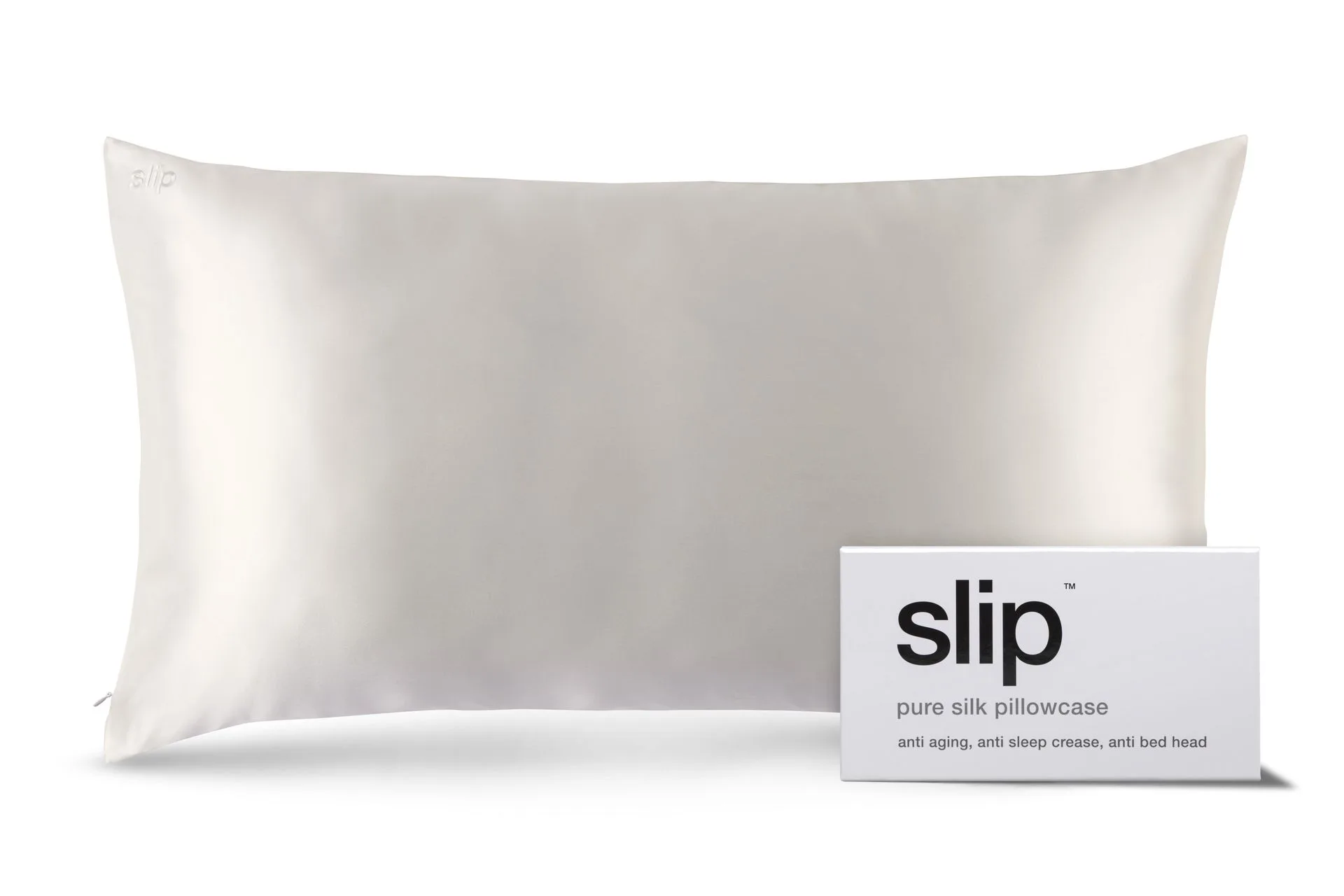
Wet hair stretches and breaks more easily, and breakage exposes lighter inner layers that read as fading. Swap a rough terry towel for a soft microfiber towel or a cotton T-shirt, and squeeze water out instead of rubbing. Detangle with a wide-tooth comb or a wet brush starting at the ends and working up.
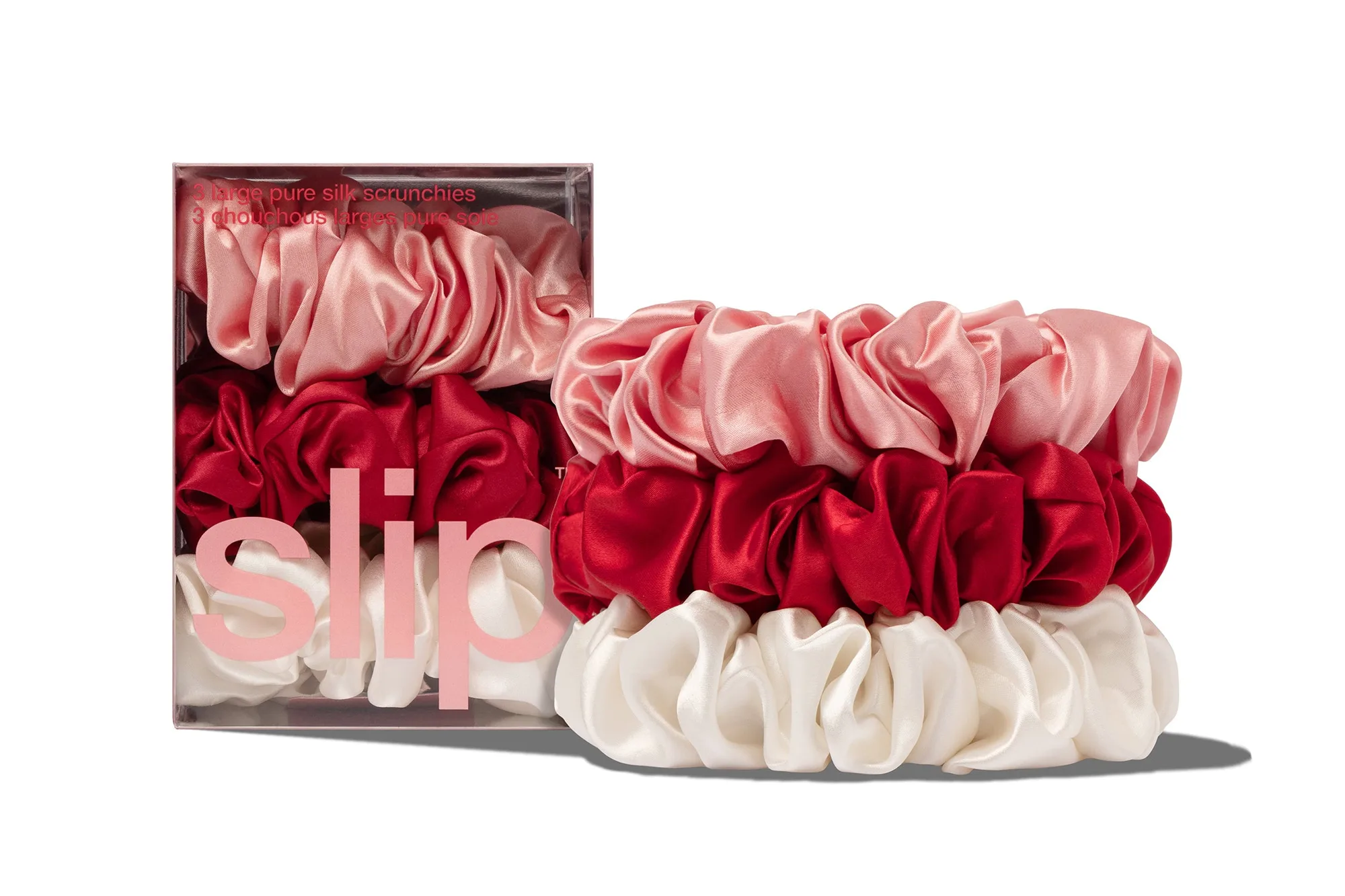
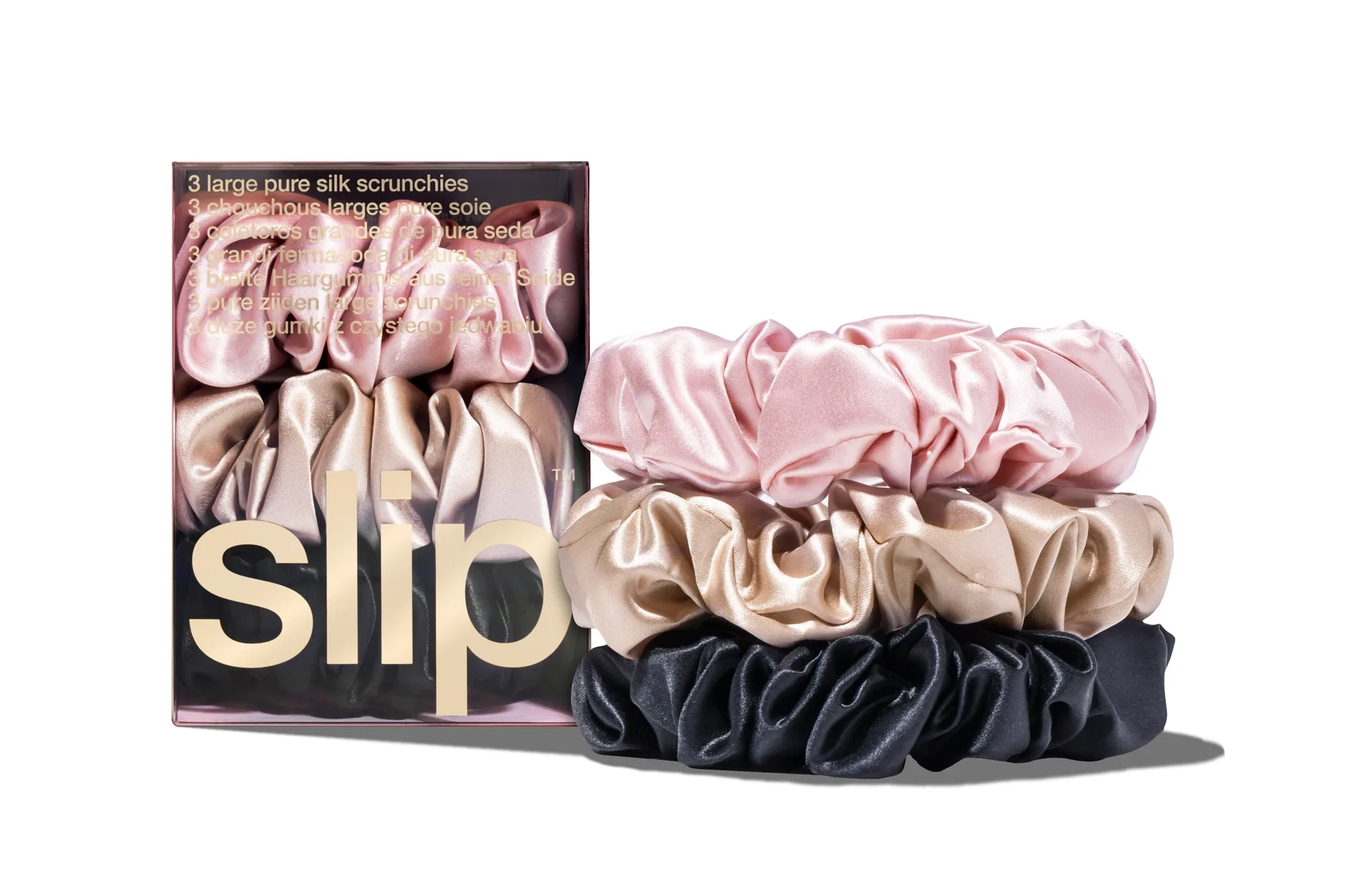
Avoid tight ponytails and buns on wet hair, especially with elastic bands that crease and pull. If you need to tie hair back, use a covered elastic or a clip and keep tension low. Small friction habits add up over weeks.
- Common mistake: brushing wet hair from the roots down, which causes snapping.
- Checkpoint: fewer broken strands on your brush means your handling is improving.
Prep for Your Next Salon Visit
Book your next appointment before you leave the salon, and ask your colorist what they recommend for your specific shade. Reds and fashion colors fade fastest, while darker browns and blacks hold longer, so your maintenance schedule should match your color rather than a generic six-week rule.
Come in with hair that is not freshly washed if your colorist prefers it, and mention any products that seemed to strip color. A gloss or toner refresh between full color appointments is often cheaper than a full redo and keeps tone consistent.
- Common mistake: waiting until roots are extreme and color is dull before rebooking.
- Checkpoint: a quick gloss at week four often saves a full color correction later.
Your 7-Step Color Care Routine
- Step 1: Stretch your washes: Aim for two or three washes a week using a sulfate free shampoo for color treated hair. Use dry shampoo or a water-only rinse on off days. Checkpoint: if color fades within a week, reduce wash frequency further.
- Step 2: Wash with warm, rinse with cool: Keep shower water warm rather than hot, and finish with a cool rinse to help seal the cuticle. Checkpoint: the cool rinse should feel distinctly cooler, not uncomfortable.
- Step 3: Condition mid-length to ends: Apply conditioner after shampooing, leave for a minute or two, and rinse thoroughly. Avoid the roots if your scalp gets oily. Checkpoint: hair should feel soft but not coated.
- Step 4: Use a weekly masque: Once a week, swap conditioner for a color-safe masque or treatment. Apply to damp hair, comb through, and follow the timing on the label. Checkpoint: after four weeks, ends should feel noticeably softer.
- Step 5: Apply heat protectant before styling: Spray or work in a heat protectant on damp or dry hair before using any hot tool. Lower the temperature on your iron or wand. Checkpoint: if hair smells burnt, your tool is too hot.
- Step 6: Shield against sun, chlorine, and hard water: Wear a hat outdoors, wet hair before swimming, and rinse immediately after. Use a clarifying wash monthly if you have hard water. Checkpoint: brassiness or dullness that returns quickly may mean mineral buildup.
- Step 7: Book a gloss between full appointments: Schedule a toner or gloss around week four to refresh tone without a full color service. Ask your colorist for shade-specific advice. Checkpoint: consistent tone between visits means your routine is working.
Products That Support Color Longevity
- BOHA 1ml: BOHA 1ml is a 1ml sample of the BOHA fragrance from JeroboaM, presented as an extrait de parfum, ideal for experiencing the scent before committing to a larger bottle. If you avoid washing your hair to preserve color, a small fragrance sample lets you refresh your scent without a full shower.
- Mozi - Insulated Lunch Bag: The Mozi Insulated Lunch Bag uses custom prints and insulation to make carrying lunch more fun. Not a hair product, but a practical reminder that heat exposure matters. Keep hair protected from heat just as you would keep food cool.
Color longevity comes down to fewer washes, gentler water, and consistent heat protection. Pick the two or three steps that fit your routine now, and add more as they become habit. Your next salon visit will show the difference.