Quick answer
Scones rise tall when cold butter stays in visible flecks, the dough is handled just enough to come together, and the oven is fully preheated before the tray goes in. If your scones spread flat, chill the dough for 15 minutes, cut straight down with a sharp edge, and bake on a hot stone or heavy sheet.
A scone that spreads into a puddle instead of climbing has almost always lost its structure before it ever hit the oven. The good news is that flat scones are rarely caused by bad flour or a bad recipe. They are caused by a handful of repeatable mistakes in temperature and handling.
This guide walks through the most common reasons scones fail to rise, what to change on your next batch, and when to stop troubleshooting and simply buy a scone that already has the height and layers you want.
Why scones go flat instead of tall
Scone height comes from steam and lift created when cold fat melts inside a hot oven. If the butter has already softened or melted before baking, it blends into the flour instead of leaving pockets. Those pockets are what push the dough upward and create the flaky layers people expect.
The second cause is gluten development. Scones are not bread. The more you knead or twist the dough, the tighter and tougher it gets, and a tight dough spreads rather than rises. The third cause is oven temperature. Scones dropped into an oven that has not fully preheated will melt their butter slowly, and the structure sets before it can climb.
- Cold fat creates lift; warm fat creates spread.
- Under-kneading is safer than over-kneading for scones.
- A fully preheated oven matters more than a higher temperature.
Cold butter scones: the temperature rules that actually matter
For cold butter scones, freeze the butter for 15 minutes, then grate it or cut it into small cubes before rubbing it into the flour. You want flat, flour-coated flakes, not a smooth sandy texture. Stop when the largest pieces are roughly the size of a pea.
If your kitchen is warm, chill the flour bowl and your tools too. After the dough is mixed, pat it into a block and refrigerate for 15 to 20 minutes. This rest lets the flour hydrate and firms the butter again, which is one of the most reliable scone baking tips for a taller bake.
- Grated frozen butter distributes more evenly than cubed butter.
- Chill the shaped dough, not just the ingredients.
- Work quickly and return the dough to the fridge if it starts to feel greasy.
Scone dough handling: how much is too much
Mix until the dough just holds together, then turn it onto a lightly floured surface and fold it two or three times. Folding creates layers; kneading creates toughness. If the dough is sticky, dust your hands and the bench rather than adding a lot of extra flour, which dries the crumb and limits rise.
When you cut, press straight down with a sharp knife or cutter. A twisting motion seals the edges and prevents the scone from expanding upward. For round scones, dip the cutter in flour between cuts so it releases cleanly instead of dragging the dough.
- Fold, do not knead, once the dough comes together.
- Cut straight down; never twist the cutter.
- Flour the cutter, not the whole dough surface.
Oven setup and baking for a taller rise
Preheat for at least 20 minutes, and place a baking stone or heavy sheet pan on the middle rack while it heats. Bake scones on a hot surface so the bottom sets quickly and the steam pushes the dough upward. Leave space between scones on the tray so they are not crowded.
If your oven runs cool, an inexpensive oven thermometer will tell you more than any recipe adjustment. Bake until the tops are golden and the sides look set, then let them rest on the tray for a few minutes before moving them.
- A hot baking surface gives better lift than a cold tray.
- Crowded scones steam each other and spread.
- Check your oven temperature once with a thermometer before blaming the recipe.
When to stop troubleshooting and buy instead
If you have fixed the butter temperature, lightened your handling, and confirmed your oven, and the scones still disappoint, the problem may be the recipe itself or the flour you are using. At that point, it is reasonable to stop chasing a perfect batch and buy a scone that already has the texture you want.
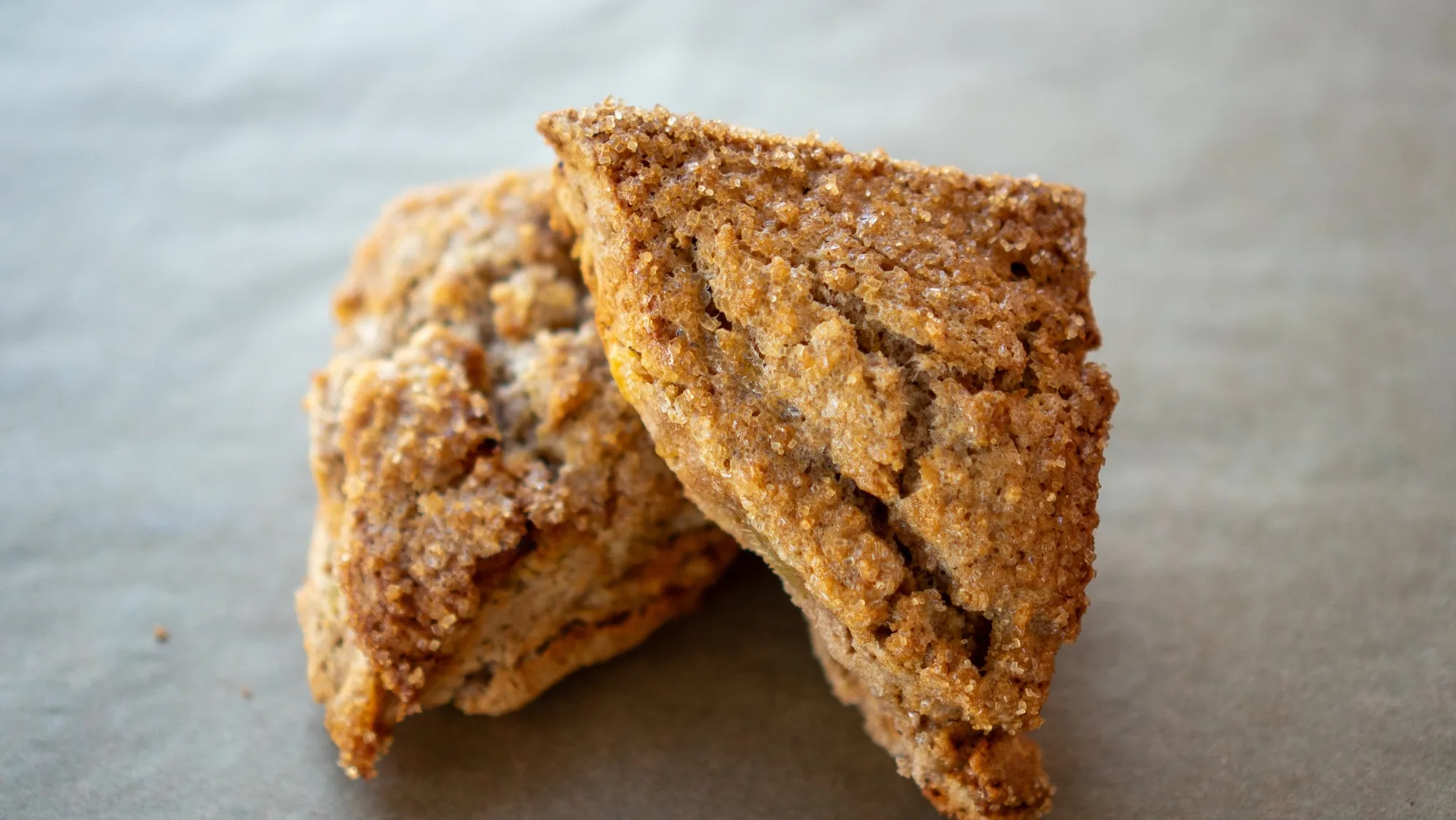
A bakery scone is also a practical way to compare what a proper rise and crumb should look like. Once you know the target, going back to your own dough is easier.
- Change one variable at a time so you know what worked.
- If two or three fixes fail, try a different recipe or flour.
- Buying a good scone is a legitimate way to calibrate your expectations.
Scone diagnosis: symptom, cause, fix, stop point
- Scones spread flat and wide: The butter was too warm or the dough was overworked before baking. Chill the shaped dough 15 minutes and fold the dough only two or three times. If it still spreads, your recipe may use too much liquid.
- Scones rise unevenly or lean: The cutter was twisted, or the dough was rolled to an uneven thickness. Cut straight down and roll to a consistent 1-inch thickness. Stop adjusting if the unevenness is minor; it rarely affects flavor.
- Scones taste dense and heavy: Too much flour was added during shaping, or the dough was kneaded instead of folded. Use a light hand and add flour only to your hands and cutter. If density persists after two tries, switch to a recipe with a higher fat ratio.
- Scones brown outside but stay raw inside: The oven is running hot, so the outside sets before the center bakes. Lower the temperature slightly and bake longer. If your oven has hot spots, rotate the tray halfway through.
- Nothing you change makes a difference: The recipe or flour may not suit scones, or your expectations may be higher than the formula allows. Stop troubleshooting after three disciplined attempts and buy a bakery scone as a reference. That is a reasonable end point, not a failure.
A bakery reference for scone texture
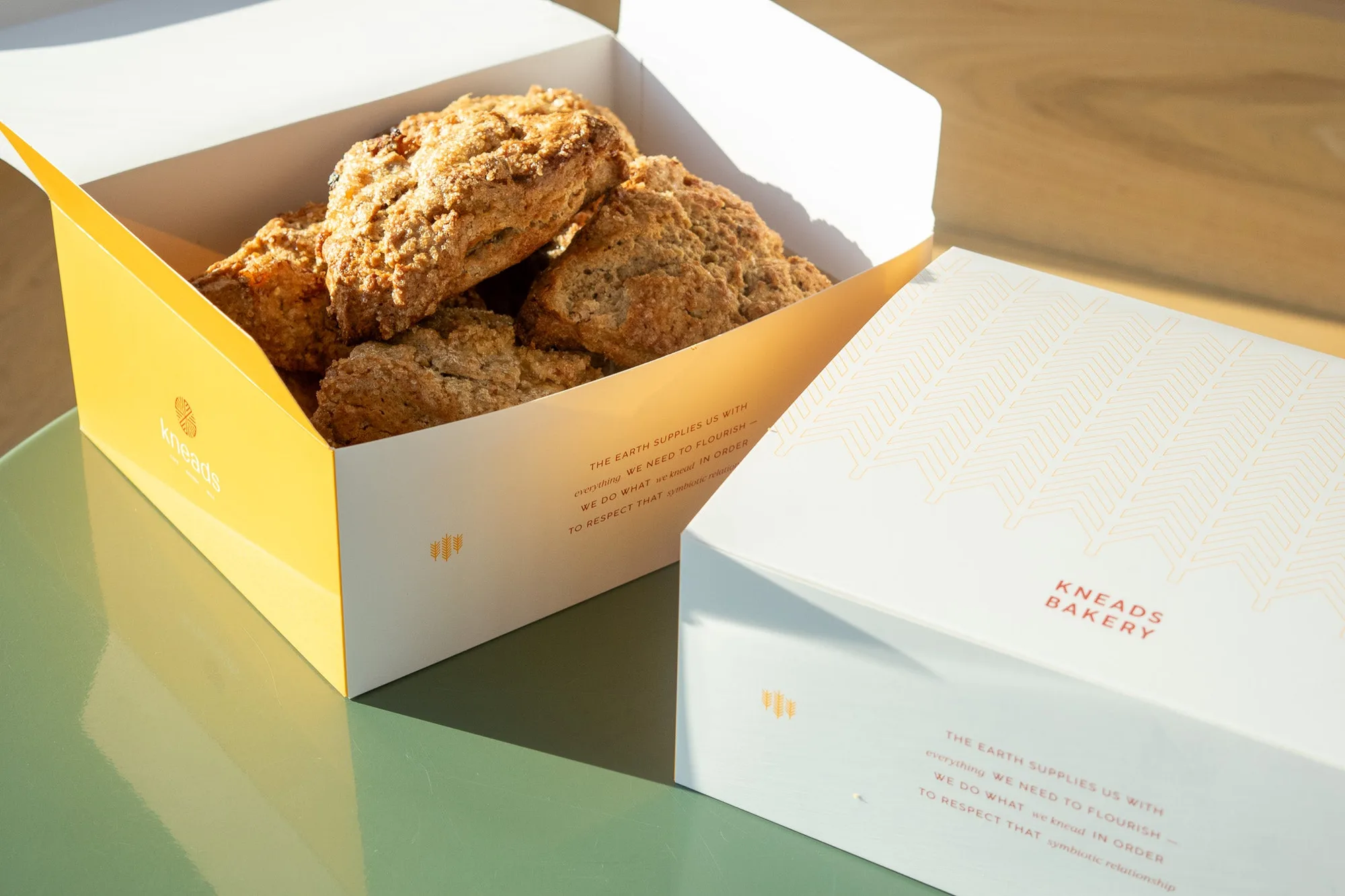
- https://kneadsbakeshopcafe.com/products/seasonal-fruit-scone-box-993e50136dad3036c4dae4e0-1645719Seasonal Fruit Scone Box: Made with freshly milled spelt and fruit, offered as a one dozen count suitable for pastry catering. A freshly milled flour scone shows you the crumb and height to aim for, and the one dozen box is useful when you want to compare your own batch side by side.
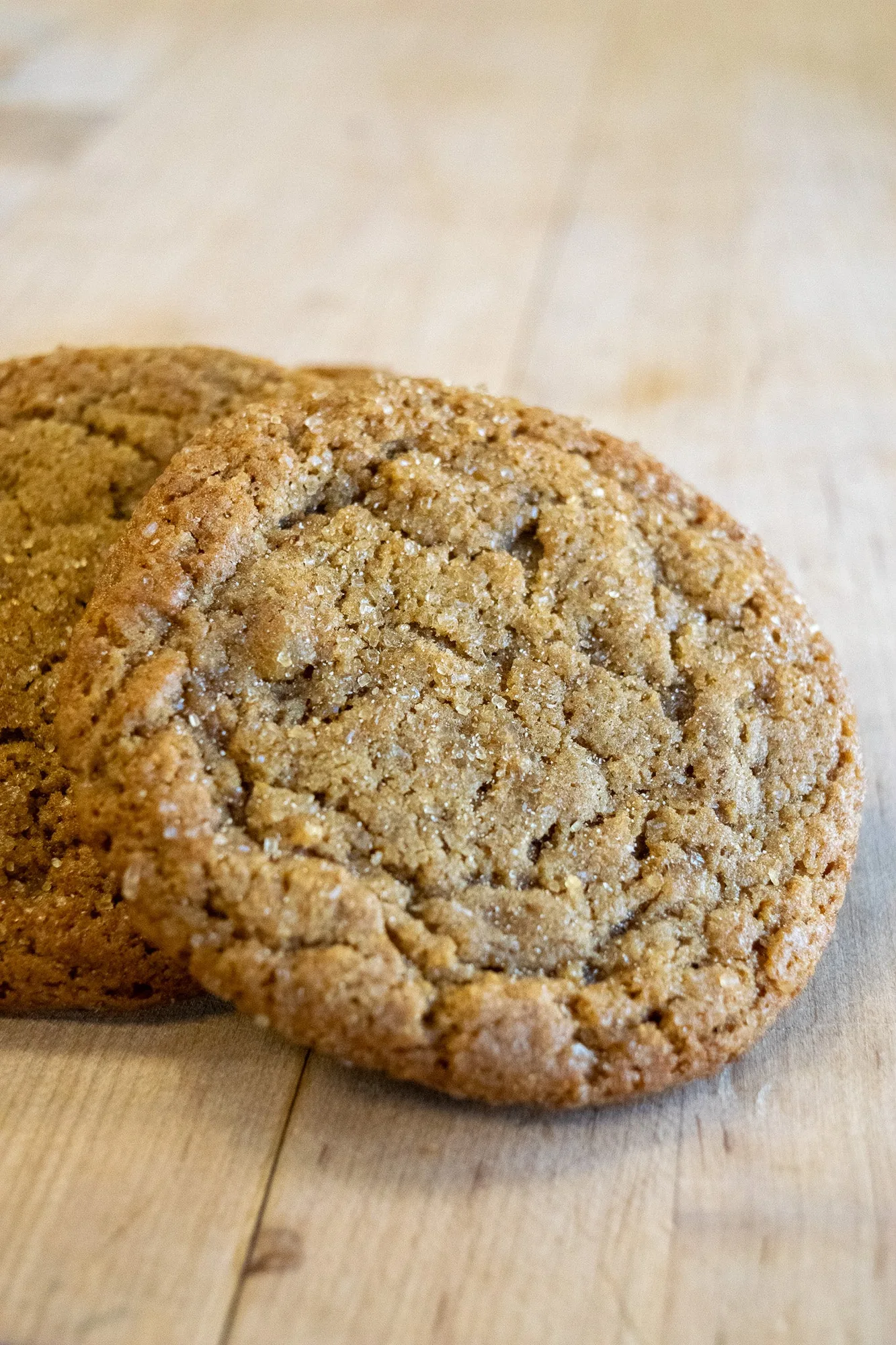
- Ginger Cookie: A bakery-style cookie from the KNEADS brand in the Pastries & Scones category, sold as a simple ready-to-enjoy treat. If your scone practice is not going well, a small ready-made pastry keeps the coffee break going without another test batch.
Tall scones come down to cold butter, gentle handling, and a hot, fully preheated oven. Fix those three and most flat-scone problems disappear. If they do not, a bakery scone is a fair way to reset your benchmark before trying again.