Quick Answer
To make your own sofubi custom, start with a blank or existing soft vinyl figure, clean and prime it, then paint with acrylics designed for vinyl, and seal with a flexible topcoat. Work in thin layers and allow proper curing time to avoid tackiness or chipping.
Customizing soft vinyl toys, or sofubi, is a hands-on way to make a figure that's uniquely yours. Whether you're working with a blank from a favorite brand or repainting an existing piece, the process is approachable if you follow a few key steps. This guide walks you through a complete sofubi custom tutorial, from choosing your base to sealing the finished paint job.
Unlike resin or PVC figures, sofubi is flexible, which means your paint and finishes need to flex with the vinyl. That's why a dedicated approach matters. You'll also want to think about the original sculpt and how your color choices affect the details. With the right preparation, you can create a durable custom that looks intentional and lasts.
What You Need to Start Your Sofubi Custom
Before you begin, gather your supplies. You'll need a base figure—either a blank sofubi or a pre-painted one you plan to repaint. For paint, use acrylics formulated for vinyl or plastic, and consider a primer that bonds to soft vinyl. You'll also need a flexible topcoat, fine brushes, and a clean, dust-free workspace.
It's also smart to have a few tools like cotton swabs, toothpicks, and masking tape. These help with cleanup and keeping paint lines crisp. If you're working with a pre-painted figure, you'll need a mild degreaser or isopropyl alcohol to remove the factory finish. Remember that sofubi is soft, so handle it gently to avoid dents or warping.
- Choose a base figure that you're comfortable altering—some collectors prefer to start with a blank or a duplicate of a design they already own.
Preparing Your Sofubi Figure for Paint
Preparation is the most important step in any sofubi custom. Start by washing the figure with warm water and a mild soap to remove any mold release or oils from manufacturing. For pre-painted figures, gently remove the original paint using a vinyl-safe paint remover or isopropyl alcohol, testing on an inconspicuous area first.
Once the surface is clean, let the figure dry completely. Then apply a thin layer of primer designed for soft vinyl. This helps the paint adhere and prevents chipping. Let the primer cure for the recommended time—often 24 hours—before you start painting. Skipping this step is a common mistake that leads to paint peeling.
- Checkpoint: If the primer beads up or doesn't stick, the figure wasn't clean enough. Wash again and dry thoroughly.
Painting Your Sofubi: Techniques and Tips
When you're ready to paint, work in thin layers. Sofubi is flexible, so thick paint can crack when you bend the figure. Use multiple light coats rather than one heavy one. Acrylics formulated for vinyl or plastic are your best bet because they flex with the material. You can also mix in a vinyl medium to increase flexibility.
Use small brushes for detail work and consider using a paint pen for fine lines. If you're adding patterns or gradients, practice on a piece of tape or scrap vinyl first. Keep a wet palette to prevent paint from drying out, and clean your brushes between colors. Patience is key—allow each layer to dry fully before adding the next.
- Common mistake: Painting too thickly can obscure sculpt details and cause cracking. Thin layers preserve the original design.
Sealing and Protecting Your Finished Custom
After your paint has cured completely—usually 24 to 48 hours—apply a clear topcoat. Choose a matte, satin, or gloss finish depending on the look you want. A flexible topcoat is essential because it moves with the vinyl. Spray topcoats work well, but you can also brush on a vinyl-safe varnish.
Apply the topcoat in a well-ventilated area, using thin, even passes. Let it dry fully before handling the figure. If you notice any areas that need touch-up, do that before the final seal. Once sealed, your custom sofubi is ready for display, but keep it out of direct sunlight to prevent fading.
- Checkpoint: If the topcoat feels tacky after drying, it may need more time to cure. Wait 48 hours before judging the finish.
Your Sofubi Custom Workshop Steps
- Choose your base figure: Select a sofubi you're willing to alter. Blanks are ideal, but a pre-painted figure you own can work if you remove the original finish. Consider the sculpt's details and size—larger figures are easier for beginners. Checkpoint: Make sure the base is clean and free of damage before you start.
- Clean and prep the surface: Wash the figure with mild soap and water, then dry completely. If repainting, strip the old paint with a vinyl-safe remover. Apply a thin primer coat and let it cure fully. Checkpoint: If primer doesn't adhere, repeat the cleaning step.
- Paint in thin layers: Use acrylics for vinyl and build up color with multiple light coats. Let each layer dry before adding the next. Use small brushes for details and avoid thick paint that can crack. Checkpoint: If you see brush strokes, thin your paint slightly and use lighter pressure.
- Seal with a flexible topcoat: After the paint cures, apply a clear topcoat in your preferred finish. Use thin, even passes and allow full curing time. This protects your work and lets the figure flex without cracking. Checkpoint: If the topcoat feels tacky, wait longer—it may not be fully cured.
Great Bases for Your First Custom
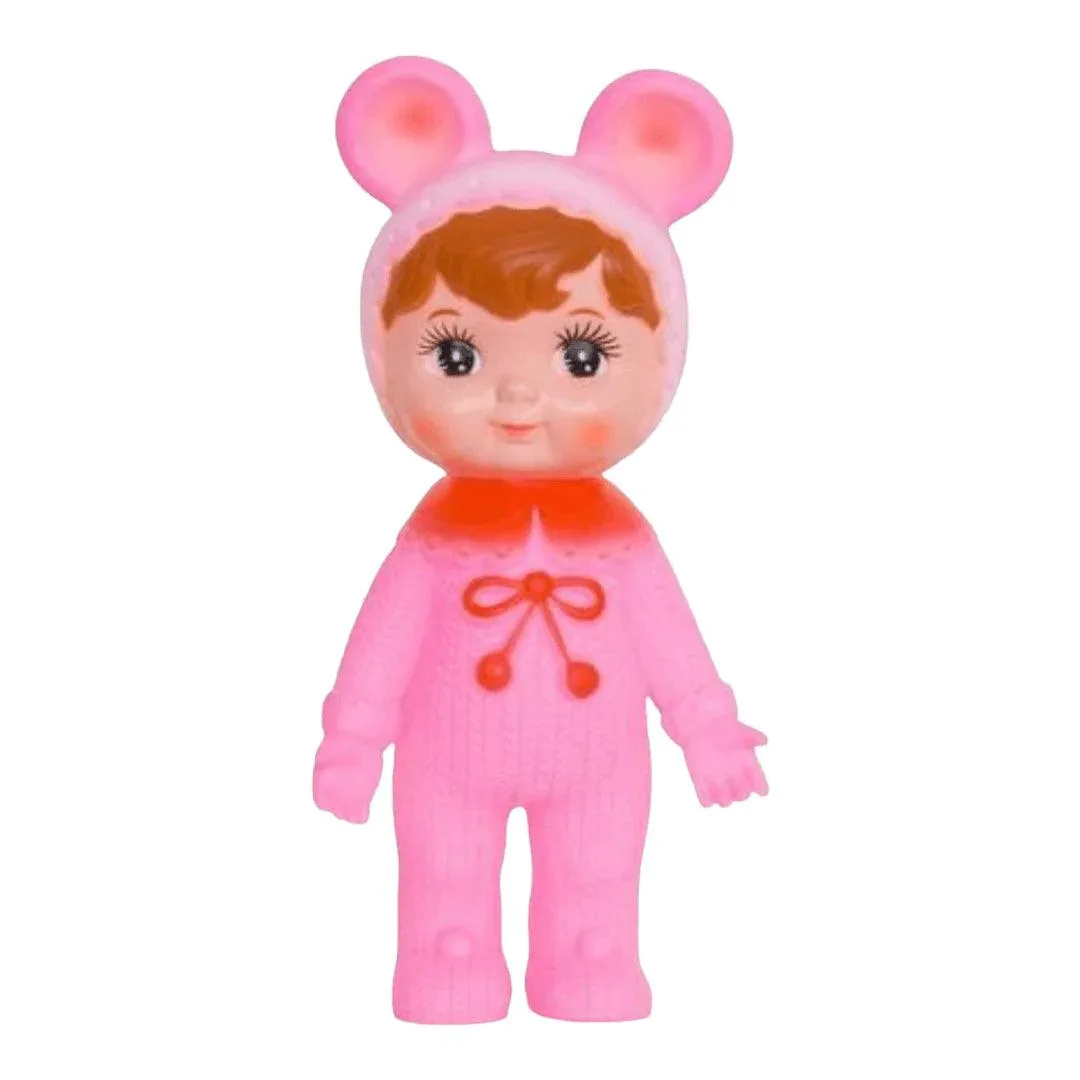
- Cherry Charmy-chan by KODAMA SANGYO TOY: Cherry Charmy-chan Kodama Sangyo TOY株式会社, which was founded as Kodama Celluloid in 1930, manufactures soft vinyl dolls such as Showa Retro Nakayoshi Charmy-chan and Type 5 animals made in Japan. Material: Sofvbi. Size: 3.25" W x 4" L x 8.25" T. With its classic Showa retro sculpt and larger size, this figure gives you plenty of surface area to practice your painting techniques. Its soft vinyl construction is ideal for learning how to work with flexible material.
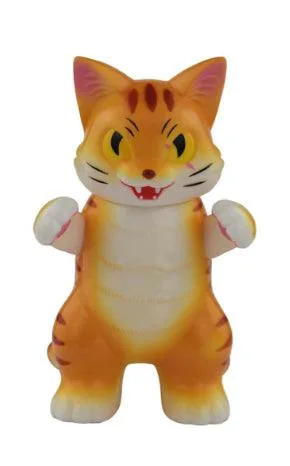
- Original Boss Negora by Konatsu: Original Boss Negora. Size: 3 inches tall approx. Material: Japanese Soft Vinyl. Konatsu Koizumi, who professionally identifies herself simply as Konatsu, is a Japanese painter and illustrator known for using the traditional sumi-e style. This 3-inch figure is a compact canvas that's perfect for experimenting with bold color changes. The sumi-e-inspired sculpt has nice details that will pop with a fresh paint job.
Making your own sofubi custom is a rewarding way to connect with the soft vinyl hobby. By following these steps—choosing a good base, prepping properly, painting in thin layers, and sealing with a flexible topcoat—you'll avoid common pitfalls and create a figure you're proud to display. Start with a simple project, be patient, and enjoy the process.