Quick answer
Bathe your heavy-shedding dog every three to four weeks with a gentle dog shampoo, work the lather down to the skin, rinse until the water runs clear, and blow or towel dry completely. Regular baths loosen dead undercoat before it lands on your floors, and the massage improves skin circulation. Pair baths with brushing and a fatty-acid supplement for the best results.
Shedding is normal, but the volume can feel out of control when dead undercoat sits trapped against the skin. Bathing is one of the most effective ways to release that coat because warm water and lather soften the hair and help it slide out in the tub instead of on your couch.
The trick is doing it consistently and correctly. A rushed bath with the wrong shampoo can dry out the skin, which triggers more shedding and itching. This guide walks through a repeatable bath routine for shedding dog care, plus the products that support it.
Why baths reduce shedding
Loose undercoat needs moisture and mechanical action to release. When you wet and lather a shedding dog, the water softens the coat and the massage lifts dead hair away from the skin. Most of that hair goes down the drain instead of onto your floors.
Bathing also removes dander, dirt, and oil buildup that can clog follicles and irritate skin. Clean skin and coat shed more efficiently, and your dog gets relief from itching. A dog bath for shedding is not a cure for medical hair loss, but it is a strong maintenance tool for seasonal and year-round shedders.
- Bathe every 3-4 weeks during heavy shedding seasons; stretch to 4-6 weeks otherwise.
- Use lukewarm water, not hot, to avoid drying the skin.
- If you see bald patches, redness, or scabs, see your vet before assuming it is normal shedding.
Pick a shampoo that supports skin and coat
The best shampoo for shedding is one that cleans without stripping natural oils. Look for gentle, dog-specific formulas, and avoid human shampoos that can disrupt the skin barrier. If your dog has dry, flaky, or itchy skin alongside shedding, a medicated or soothing shampoo may help.
For dogs with confirmed skin conditions, medicated options like chlorhexidine wipes and medicated shampoo can address the underlying irritation. If shedding comes with itching and flaking, a fatty-acid supplement such as Shed & Itch Reducer Krillex Chew supports skin and coat from the inside. Always follow label directions and check with your vet if your dog is on other medications.
- Dilute shampoo in a cup of warm water for easier, more even distribution.
- Avoid medicated shampoos unless your vet recommends them for a diagnosed issue.
- Rinse longer than you think you need to; leftover shampoo causes itching and flaking.
Set up a low-stress bath station
A slippery tub makes dogs anxious, and anxious dogs shed more. Put a non-slip mat in the tub or use a raised tub with a tether. Gather everything before you turn on the water: shampoo, a cup for rinsing, two towels, and a brush.
Keep the water pressure low and the temperature lukewarm. If your dog is large, a handheld sprayer helps you reach the undercoat without soaking your own clothes. Work in sections so you are not fighting the whole coat at once.
- Brush your dog before the bath to remove loose hair and prevent matting.
- Use a cotton ball in each ear to keep water out.
- Keep treats within reach for calm, cooperative behavior.
Dry and brush to capture the rest
Drying is where a lot of shedding happens. Towel-dry first, then use a forced-air dryer on a cool setting if your dog tolerates it. A high-velocity dryer blows out loosened undercoat and speeds drying, which prevents skin issues. If you air-dry, keep your dog in a warm room and check that the undercoat is fully dry.
Once dry, brush thoroughly with a slicker brush or undercoat rake. This is the checkpoint where you will see whether the bath did its job. If hair keeps coming out in clumps after a full dry and brush, your dog may be blowing coat, which is normal, or may need a vet check for skin or thyroid issues.
- Never leave a dog damp in a cold room; damp undercoat can cause hot spots.
- Brush in the direction of hair growth, then against it to lift undercoat.
- Clean up with a vacuum or lint roller immediately to avoid hair settling into fabric.
Support the coat between baths
Bathing is the anchor, but between baths you can reduce shedding with daily or every-other-day brushing, a fatty-acid supplement, and a clean sleeping area. Wash your dog's bed covers regularly, because trapped hair and dander get redistributed every time your dog lies down.
If your dog chews or scratches at their skin, address that too. All Natural No Chew Spray For Dogs can discourage licking and chewing on hot spots, bandages, and furniture. It is water-based and will not sting or stain, which makes it useful during shedding season when skin is already sensitive.
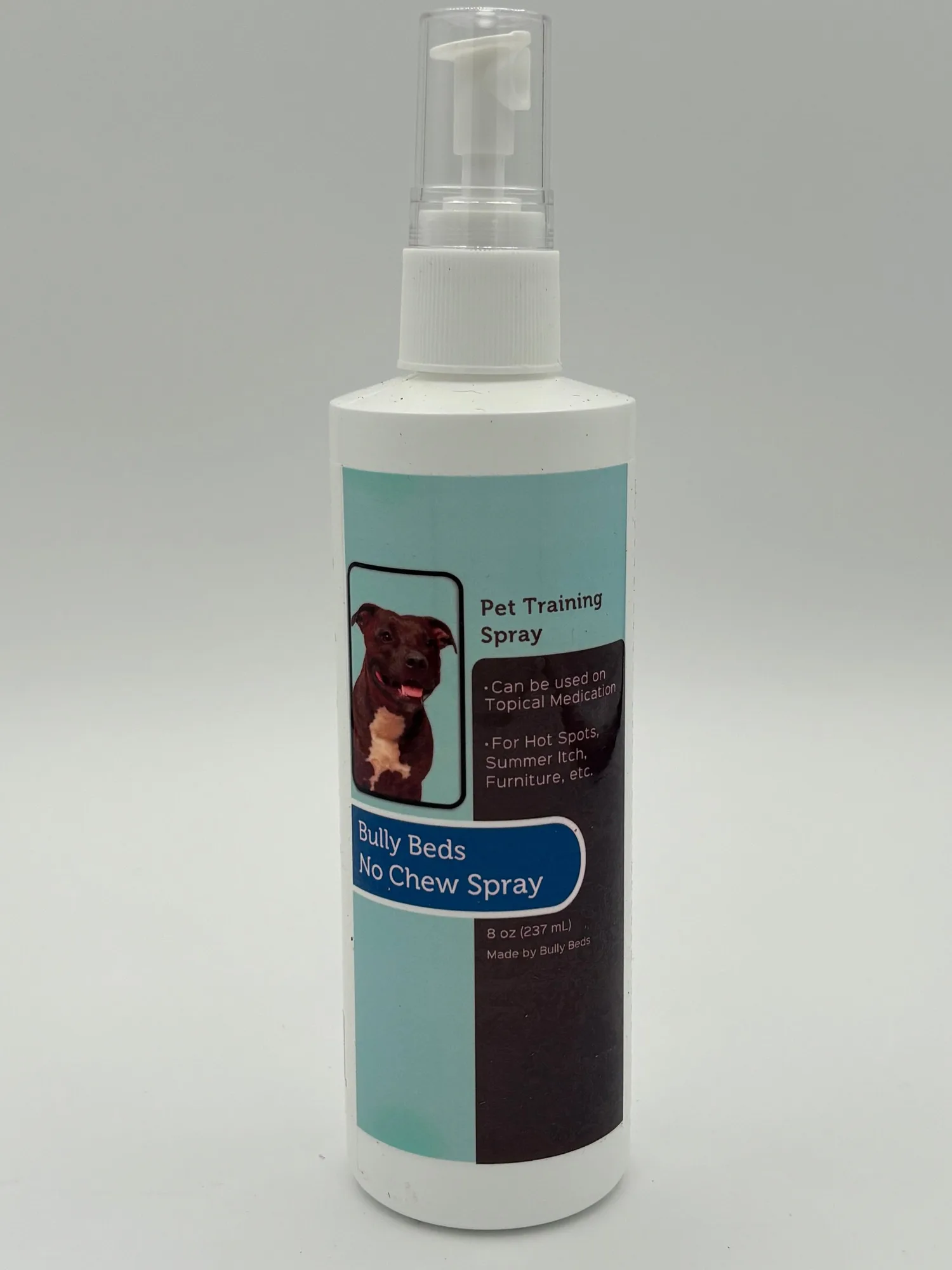
All Natural No Chew Spray For Dogs
- Add a shedding supplement only after confirming it is safe with your vet.
- Keep bedding clean to reduce dander and loose hair in the environment.
- Use a covered bed with a washable cover for easier cleanup.
Your step-by-step shedding bath routine
- Brush before you bathe: Remove loose hair and tangles with a slicker brush or undercoat rake. This prevents mats from tightening in the water and lets shampoo reach the skin. Checkpoint: if you find mats, work them out gently before wetting the coat.
- Wet thoroughly with lukewarm water: Saturate the coat all the way to the skin, using a handheld sprayer for large dogs. Keep water pressure low to avoid startling your dog. Mistake to avoid: only wetting the topcoat, which leaves shampoo unable to reach the undercoat.
- Lather and massage: Apply diluted dog shampoo and work it into the coat with your fingers or a rubber curry brush. Massage for at least 3-5 minutes to lift dead hair and stimulate skin. Checkpoint: if the lather turns gray quickly, rinse and repeat once.
- Rinse until the water runs clear: Rinse from the head down, paying extra attention to the belly, armpits, and groin where shampoo pools. Residual shampoo causes itching and flaking. Mistake to avoid: stopping too soon; rinse at least twice as long as you lathered.
- Towel-dry and use a forced-air dryer: Squeeze excess water with a towel, then use a high-velocity dryer on cool to blow out loosened undercoat. If your dog fears the dryer, towel-dry and keep them in a warm room. Checkpoint: the undercoat must be completely dry before your dog lies down.
- Brush again after drying: Once dry, brush the entire coat to remove remaining dead hair. This is when you will see the biggest drop in shedding. Next step: repeat the full routine every 3-4 weeks during heavy shedding.
Products that support a shedding routine
- Shed & Itch Reducer Krillex Chew: Savory soft chews that help reduce shedding and alleviate itchy skin by supporting healthy skin and coat; they address fatty-acid deficiency, which can cause dry, flaky, scaly skin and itching. If your dog sheds heavily along with itching or flaking, this chew targets the skin and coat from the inside, complementing your bath routine.
- All Natural No Chew Spray For Dogs: Water-based formula that stops pets from chewing on furniture, paws, wounds, and more; will not sting or stain and can be used on hot spots, fur, bandages, plants, wood, or couches. During shedding season, irritated skin can lead to licking and chewing; this spray helps protect hot spots and your furniture without harsh ingredients.
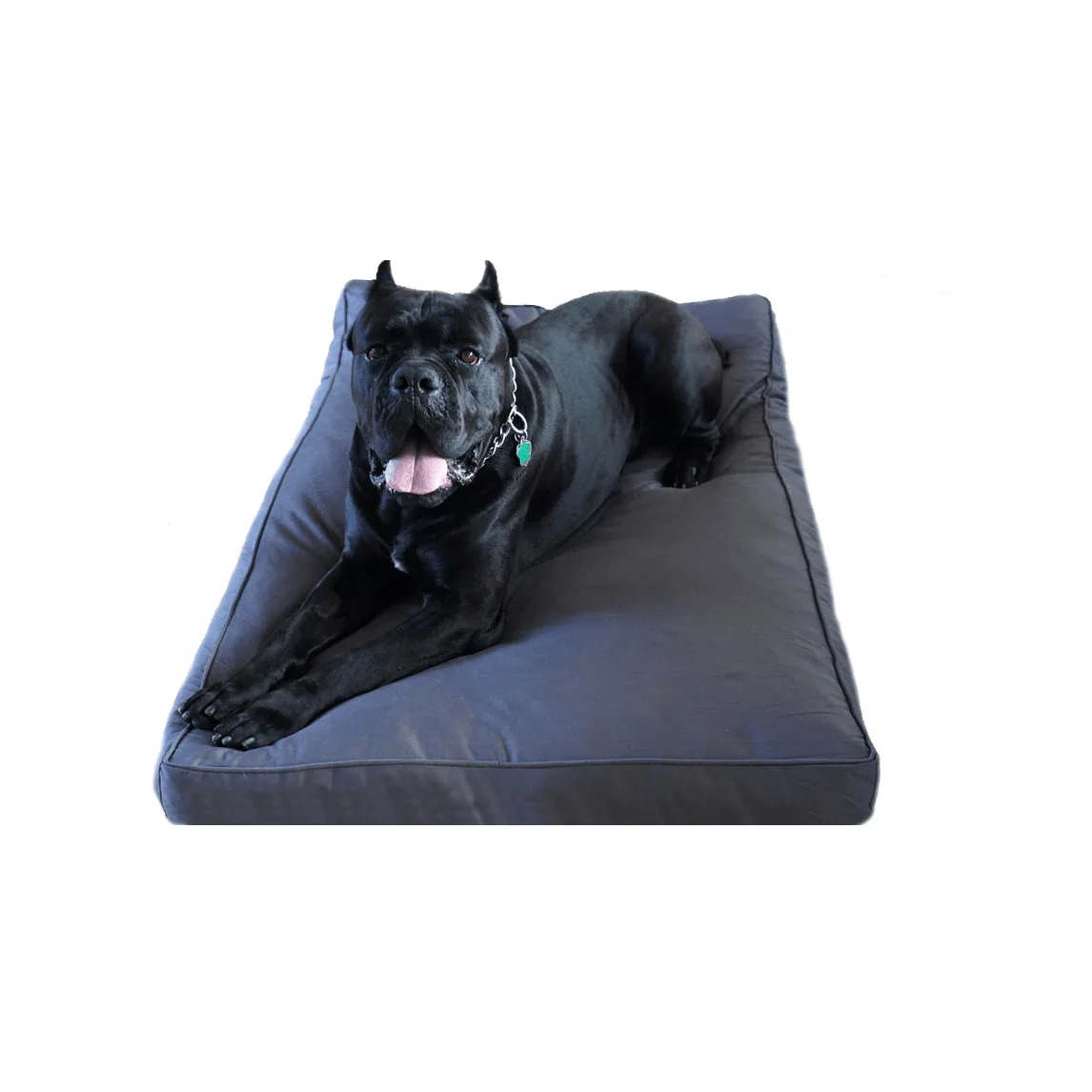
- Chew Proof Dog Bed (with a 200 Day Guarantee): Chew-resistant dog bed with extra strong padding and fabric resistant to wear and tear, designed for big dogs with stronger bites. A durable bed with a washable cover makes it easier to keep your dog's sleeping area clean and hair-free between baths.
Regular baths are not just about smell; they are a practical way to manage dog shedding by removing dead undercoat before it spreads. Pair a consistent bath schedule with brushing, a clean bed, and targeted skin support, and you will spend less time vacuuming and more time enjoying your dog.