Quick answer
Match new animal figures to your collection by measuring the height and length of three figures you already own, then buying figures within about 20 percent of that range. Group by real-world size category rather than brand, and place larger species on the back row of a shelf so smaller figures stay visible.
Scale mismatches rarely ruin a collection on their own, but they do make a shelf look accidental. A tiger the size of a house cat sitting beside a life-sized-looking elephant reads as a mistake, even when both figures are well made and well painted.
The fix is not to buy only one brand or one size. It is to decide what your collection is actually representing, measure a few figures you already own, and use those numbers as a filter before you add anything new.
Step 1: Decide what your collection represents
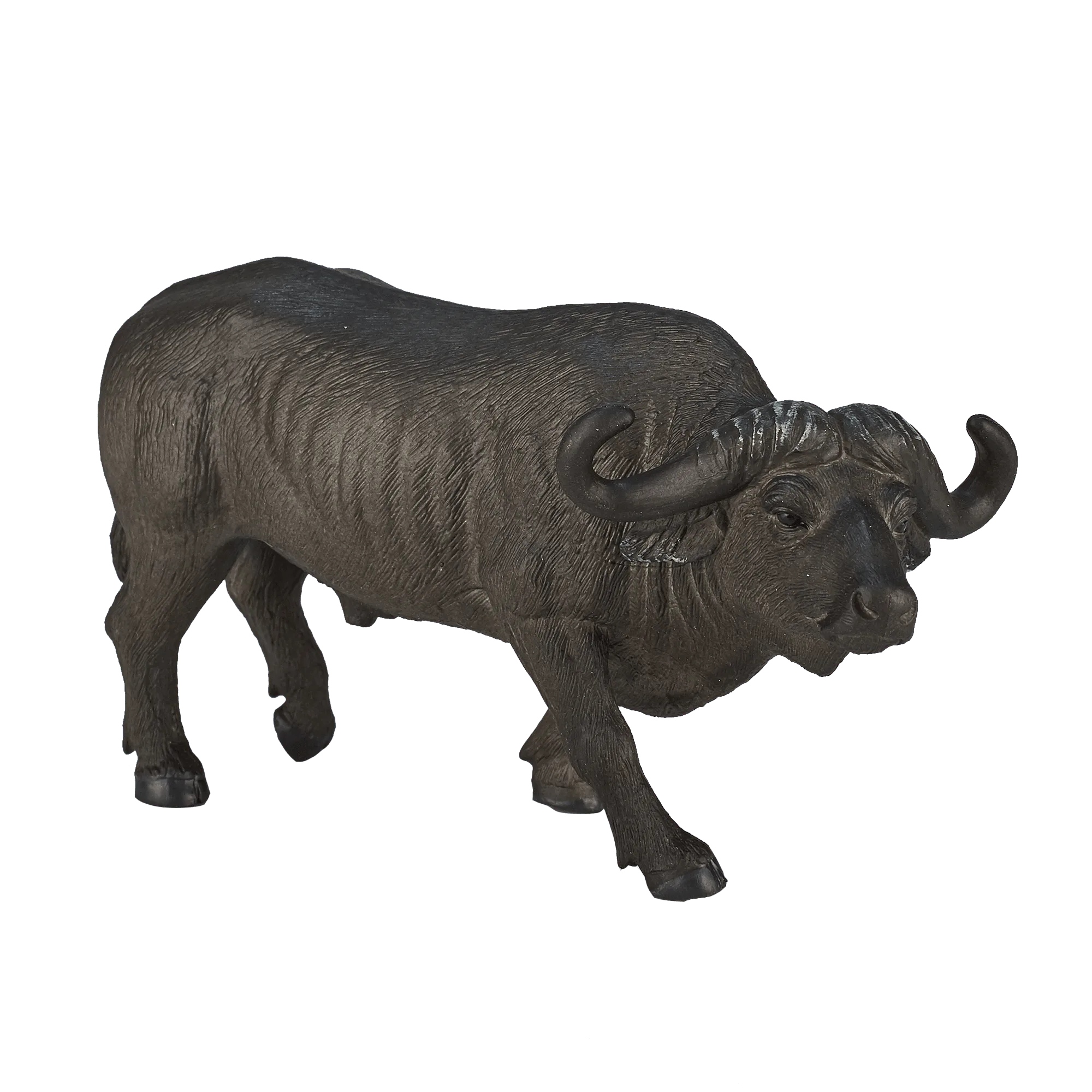
Before you measure anything, answer one question: is your shelf a realistic wildlife scene, a mixed-species display, or a loose assortment of favorites? A realistic scene needs figures that share a consistent size relationship, so a Cape Buffalo should look substantially larger than a Snowy Owl. A mixed display gives you more freedom, but you still want a dominant size band so the shelf does not look like three different collections sharing space.
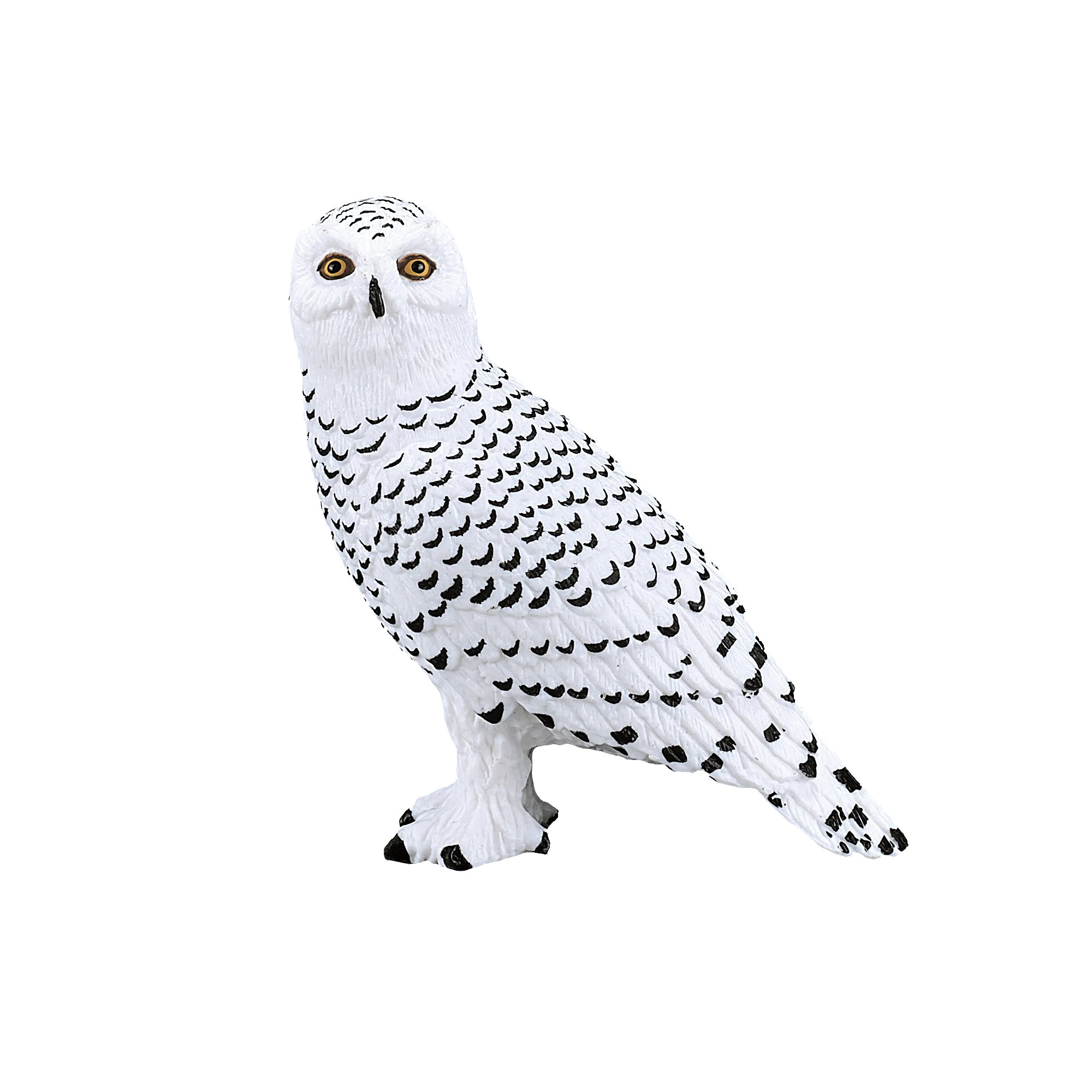
Snowy Owl
Write your answer down in one sentence. It becomes the rule you check every new purchase against, and it stops impulse buys from breaking the look you already built.
- Common mistake: buying a figure because the species is missing from your collection without checking whether its size fits the shelf.
Step 2: Measure three figures you already own
Pick three figures that represent your collection well, ideally one large, one medium, and one small. Measure the standing height from the base to the highest point, and the length from nose to tail or beak to tail. Write both numbers down in centimeters or inches, but stay consistent.
Those six numbers give you a size band. If your medium figures run 6 to 9 cm tall, a new figure at 12 cm will stand out whether you want it to or not. This is the core of any animal figure scale guide: your own shelf sets the standard, not a manufacturer's label.
- Checkpoint: if your three measurements vary by more than double, your collection is already mixed-scale and you should choose a target band rather than matching everything.
Step 3: Compare real-world size, not just figure height
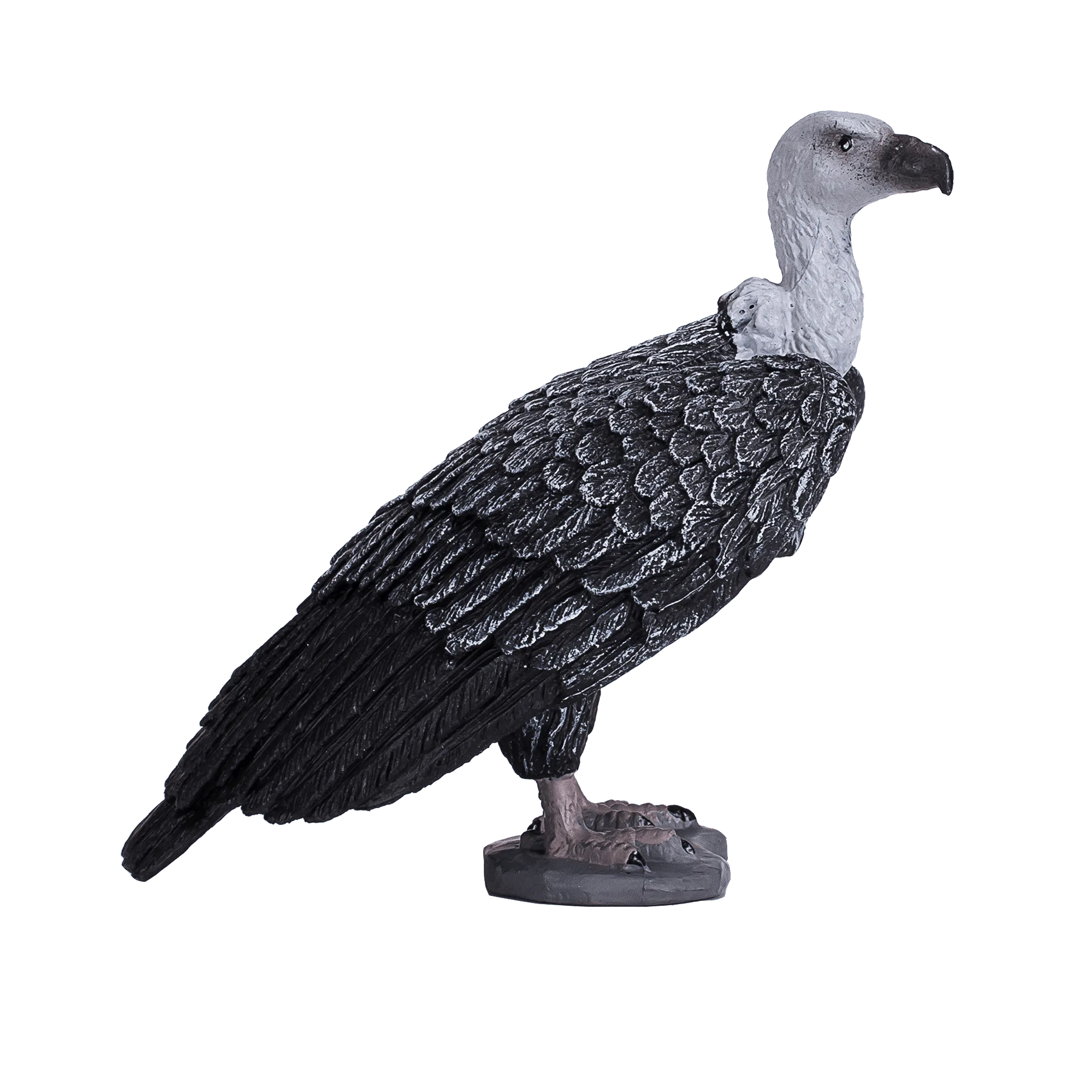
Two figures can be the same height and still look wrong together if the real animals are wildly different in size. A https://mojofunmgb.com/products/griffon-vulture-fc10b3a2a7ba6c3fd29921d1-1558929Griffon Vulture and a Cape Buffalo should not share a scale if the buffalo is the same height as the bird. Use real-world size relationships as your filter, then check whether the figure's proportions support that relationship.
This is where a toy animal size comparison gets useful. Line up candidates side by side in your hand or on a table before committing shelf space, and ask whether the size gap feels believable for the species involved.
- Common mistake: assuming all figures from one brand share a scale. Many lines mix scales across species.
Step 4: Group by size band on the shelf
Once you have a target band, arrange figures in groups rather than one long row. Put larger species at the back and smaller ones at the front, or separate them onto different shelves entirely. This makes figurine scale for display work in your favor because the eye reads each group as its own scene.
Keep a small gap between groups. A visible break of a few centimeters signals a deliberate change of subject, which is much better than a jarring size jump in the middle of a row.
- Practical tip: photograph your shelf after rearranging. Scale problems are easier to spot in a photo than in person.
Step 5: Test before you commit
Before buying several figures at once, add one new piece to the shelf and live with it for a week. If it looks right from your normal viewing distance, the scale works. If your eye keeps returning to it for the wrong reason, the size or proportions are off.
This test also protects you from overcorrecting. Collectors who discover scale often swing to buying only tiny figures or only large ones, which creates a new mismatch. One test figure at a time keeps the collection balanced.
- Checkpoint: judge from where you actually view the shelf, not from 10 cm away with a ruler.
Step 6: Handle oddities on purpose
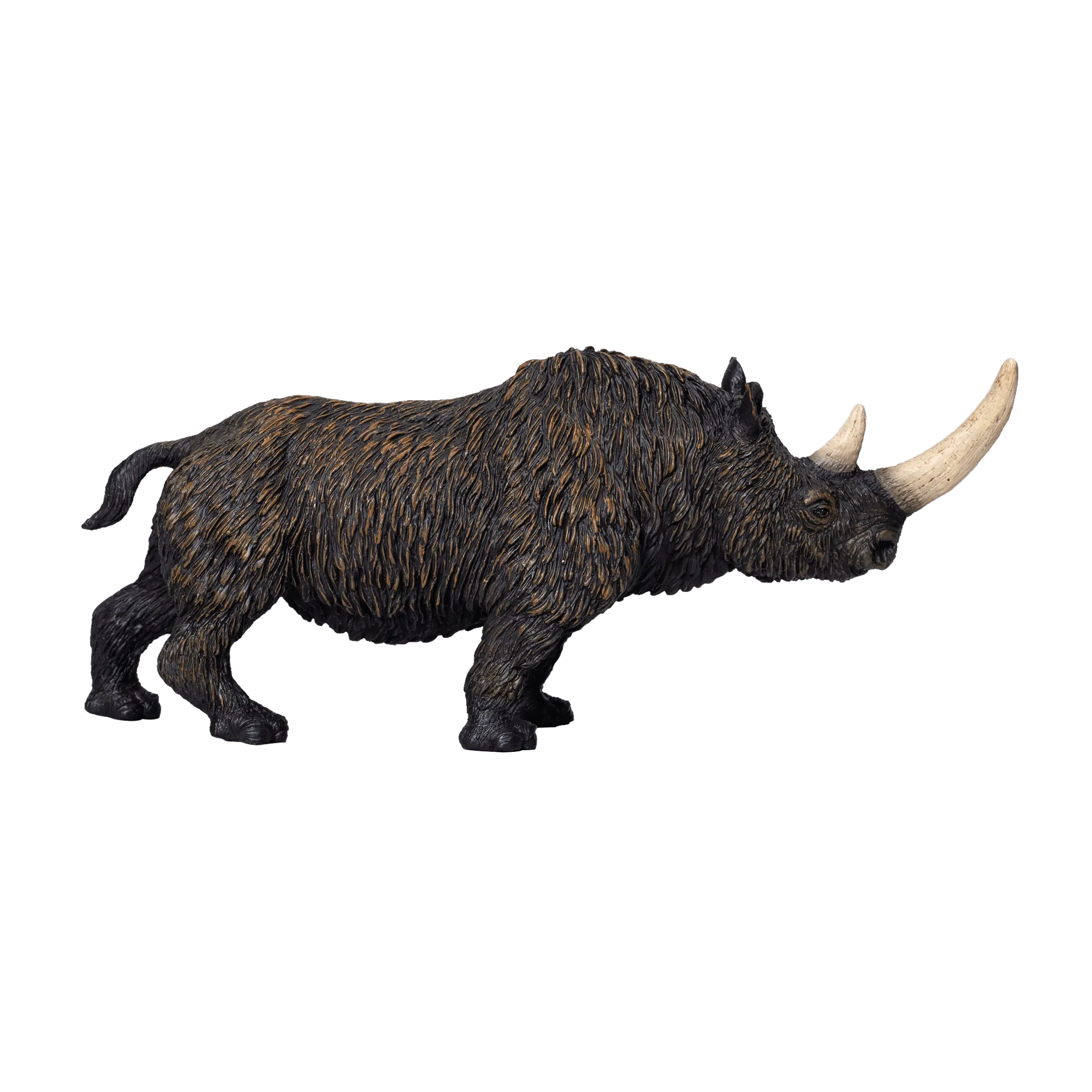
Some figures will never match, and that is fine if you display them as intentional outliers. A Woolly Rhino, for example, is a prehistoric animal that most collections do not have a natural size reference for, so it can sit slightly outside your band without looking wrong. The same applies to folkloric creatures like a Yeti, which has no real-world size to match against.
Give outliers their own small area or a raised platform. Framing them as a separate display removes the expectation that they should match the main group.
- Common mistake: forcing an outlier into the main row, where it makes every correctly scaled figure around it look off.
Your scale-matching checklist
- Define the shelf's purpose: Write one sentence describing whether the display is a realistic scene, a mixed assortment, or a themed group. Checkpoint: if you cannot describe it in one sentence, decide before you buy anything else.
- Measure three existing figures: Record standing height and total length for one large, one medium, and one small figure you already own. Checkpoint: if the numbers vary by more than double, pick a target band instead of matching everything.
- Set your target size band: Aim for new figures within roughly 20 percent of your measured medium figure's height. Common mistake: trusting a brand name to guarantee consistent scale across species.
- Check real-world size relationships: Compare the species, not just the figures. A buffalo should not match a vulture in height on a realistic shelf. Checkpoint: line candidates up side by side before buying.
- Arrange by group, not one long row: Place larger figures behind smaller ones and leave a small gap between groups. Practical tip: photograph the shelf to spot mismatches faster.
- Test one new figure first: Add a single piece, live with it for a week, and judge it from your normal viewing distance. Common mistake: overcorrecting and buying only tiny or only oversized figures.
- Give outliers their own space: Prehistoric and folkloric figures often have no real-world size reference, so display them separately. Checkpoint: an outlier on its own platform stops the main row from looking wrong.
Figures that illustrate the scale question
- Cape Buffalo: Other than the human, the African buffalo has no real natural predators as the buffalo is able to easily defend itself using the buffalo's sheer size and power. A figure representing an animal defined by size should read as one of the larger pieces on your shelf, so it is a useful anchor when setting your target size band.
- Snowy Owl: In order to sustain itself, the snowy owl must eat around 5 lemmings or mice every day, which is nearly 2,000 in one year. A bird figure belongs at the smaller end of a realistic wildlife group, so pairing it with large mammal figures at the same height is the clearest sign your scale is off.
- Woolly Rhino: Made of high-quality plastic, this toy figure is perfect for play and collection. Prehistoric species have no living size reference on most shelves, which makes them good candidates for a separate outlier display instead of the main size band.
- Griffon Vulture: Although vultures are generally fairly solitary animals, groups of vultures are often seen circling prey from the sky above. A large bird of prey sits between small songbirds and large mammals in real-world size, so it is a good test piece when checking whether your shelf handles mid-size figures.
Scale matching is a measuring habit, not a rule about brands or price. Measure what you own, set a target band, test one figure at a time, and your collection will read as intentional no matter how many species it holds.