Quick answer
Your lens filter size is the diameter of the front thread, usually printed on the lens barrel or front cap as a number followed by mm (e.g., 58mm, 67mm, 95mm). Buy a filter that matches that exact thread size. If you plan to use one filter across several lenses, buy for your largest lens and use step-up rings on the smaller ones.
Where to find the thread size on your lens
The filter thread diameter is almost always engraved on the front of the lens barrel, near the glass, or printed on the inside of the front lens cap. It appears as a number followed by the millimeter symbol, such as 58mm, 67mm, or 95mm. If you cannot find it there, check the lens specification page on the manufacturer's website or the original box. Do not measure the glass itself; the thread is the outer ring that accepts the filter.
How to measure lens diameter if the marking is missing
If the engraving has worn off or you are using an older or third-party lens, use a ruler or caliper across the inside of the front thread. Measure from inner edge to inner edge in millimeters. Common sizes include 49mm, 52mm, 58mm, 67mm, 72mm, 77mm, and 95mm. If your measurement falls between two standard sizes, round down to the nearest standard size; filter threads are slightly recessed and a millimeter difference can prevent proper threading.
Choosing between 58mm, 67mm, and 95mm filters
Filter size must match your lens thread exactly. A 58mm filter will not fit a 67mm lens, and a 95mm filter is designed for large-diameter lenses such as certain telephoto or cinema lenses. When you own multiple lenses with different thread sizes, you have two practical options: buy a separate filter for each size, or buy one large filter and use step-up rings. Step-up rings screw onto the lens and adapt a smaller thread to a larger filter. For example, a 58mm-to-67mm step-up ring lets you use a 67mm filter on a 58mm lens. This is often cheaper than buying duplicates, but the larger filter may block your lens hood or look oversized.
Why filter size matters for polarizers and ND filters
Polarizing filters and neutral density (ND) filters are the most size-sensitive because they are often left on the lens for many shots. A polarizer must rotate freely, and an ND filter must sit flush to avoid vignetting. If you use a step-up ring, check that the filter does not intrude into the frame on wide-angle lenses. For ND filters, also consider whether you need a variable ND or a fixed ND; fixed ND filters are generally thinner and less prone to vignetting. If you often switch between lenses, standardizing on one large size with step-up rings can simplify your kit.
Step-by-step: matching a filter to your lens
- Find the thread size on your lens: Look for a number followed by mm on the front of the lens barrel or inside the front cap. If missing, check the lens manual or manufacturer's website. Checkpoint: Write down the exact size for each lens you own.
- Measure if the marking is unreadable: Use a ruler or caliper to measure the inside diameter of the front thread in millimeters. Round down to the nearest standard filter size. Common mistake: Measuring the glass instead of the thread, which gives an incorrect size.
- Decide between one size or step-up rings: If all your lenses share one thread size, buy filters in that size. If you have mixed sizes, buy for your largest lens and use step-up rings on smaller lenses. Checkpoint: Ensure the step-up ring does not block your lens hood or cause vignetting.
- Choose the filter type and size: Select a polarizer, ND, or clear filter that matches the thread size you need. For ND, consider whether you need a fixed or variable filter. Common mistake: Buying a filter that is too small for your largest lens, forcing you to buy again later.
- Test the fit and check for vignetting: Screw the filter on gently; it should thread smoothly without force. Take a test shot at your widest focal length and inspect the corners for darkening. If vignetting appears, try a thinner filter or a larger size with a step-up ring.
Example filters by size
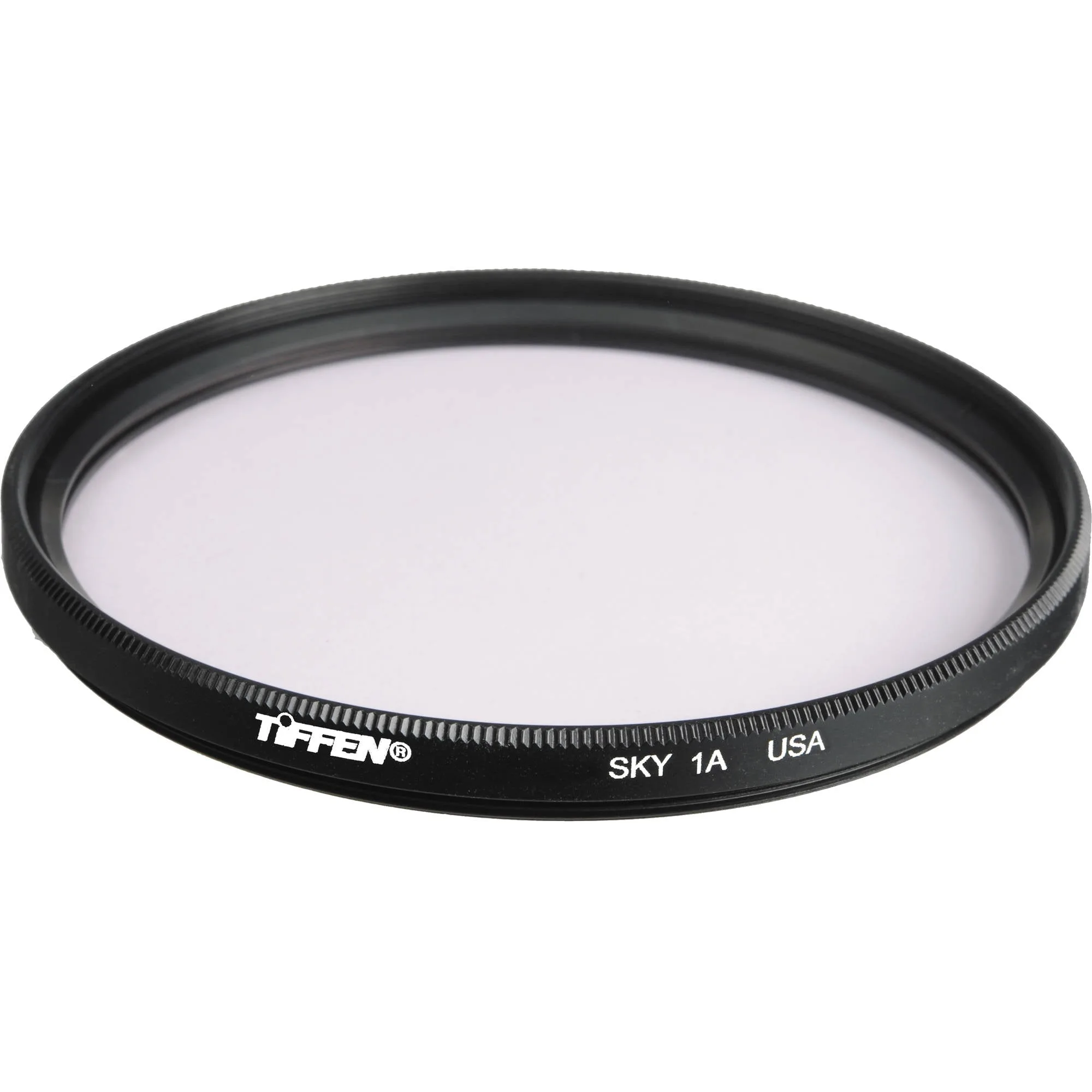
- Tiffen 95mm Skylight 1-A Polarizing Lens Filter (Course Thread): Tiffen 95mm Skylight 1-A Polarizing Lens Filter (Course Thread) protects against dust, moisture, fingerprints, scratches, and damage; absorbs almost half of UV light; pink-tinted for added warmth and better colors; especially helpful in outdoor open shade and on overcast days. A 95mm filter suits large-diameter lenses and combines UV reduction with a warming effect, useful for landscape and outdoor portraits.
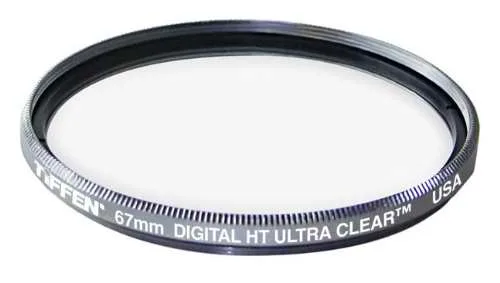
- Tiffen 67mm HT Ultra Clear Titanium: Tiffen 67mm HT Ultra Clear Titanium offers optimum protection without color shift or reflective glare; protects against dirt, grime, fingerprints, and bumps; can be kept on the lens at all times; hardened coatings for durability. A 67mm clear filter is a common size for many standard zooms and primes, providing protection without altering image color.
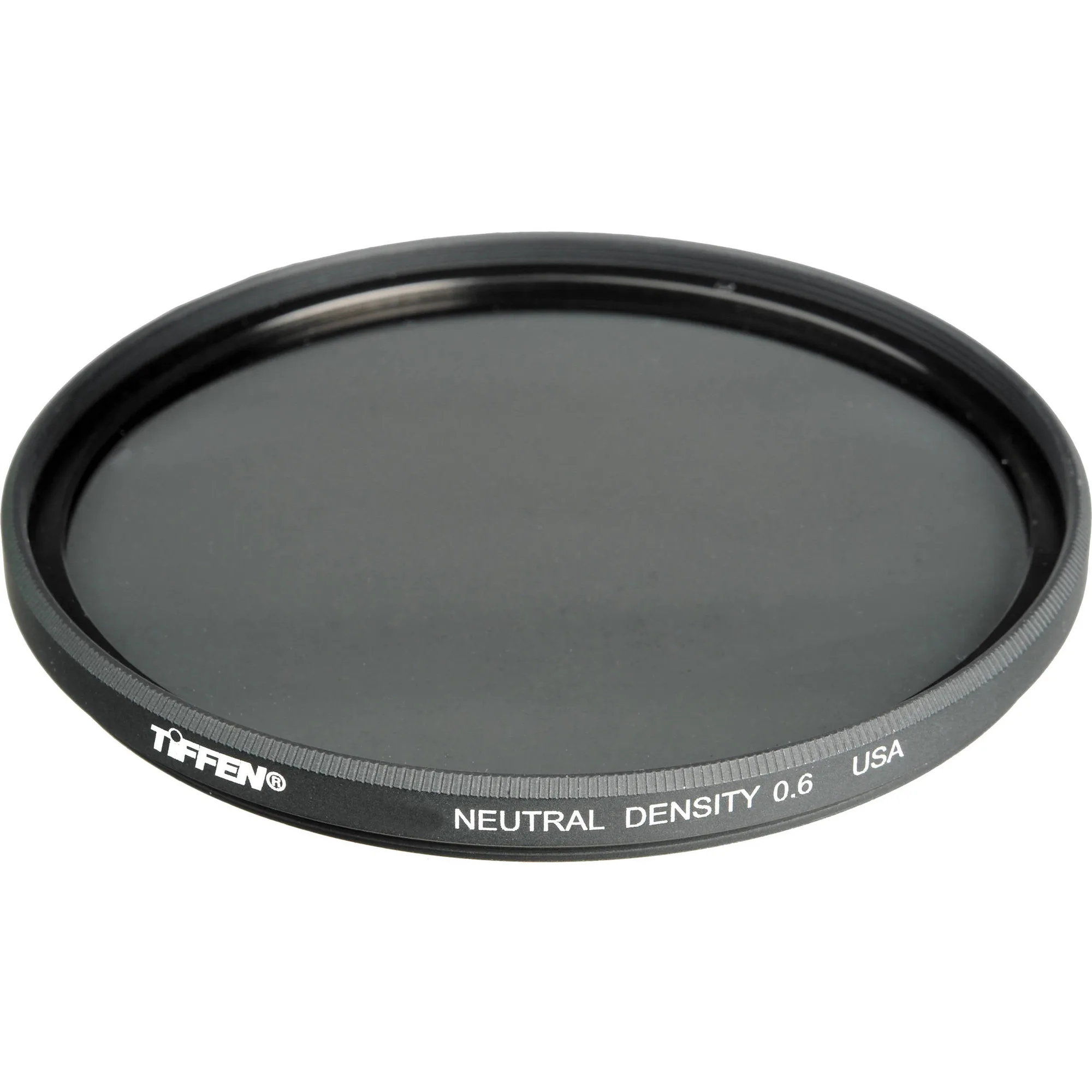
- Tiffen 58mm Neutral Density 0.6 Lens Filter: Tiffen 58mm Neutral Density 0.6 Lens Filter eliminates overly bright, washed-out images; balances exposure; controls depth-of-field; allows slower shutter speeds to produce blurred motion effects; reduces light without changing color. A 58mm ND filter fits many kit lenses and is useful for bright-light shooting, such as smoothing water or capturing motion blur.