Quick answer
To choose a lip liner that complements your lipstick, match the liner to your lipstick's undertone and depth. For a natural look, pick a liner one shade darker than your natural lip color. For a bold lip, match the liner exactly to the lipstick shade. Always consider the finish and formula of both products.
Why Lip Liner Matters for Lipstick
A lip liner does more than define your lip shape. It creates a barrier that prevents lipstick from feathering or bleeding, especially with creamy or glossy formulas. A well-matched liner also helps your lip color last longer and look more polished. The wrong shade, however, can create a harsh outline or make your lips look uneven. The key is pairing the liner's undertone and depth with your lipstick's color.
Matching by Undertone and Depth
Start by identifying your lipstick's undertone: is it warm (peach, coral, brick), cool (pink, berry, mauve), or neutral? Your liner should share that undertone. For depth, a liner one shade darker than the lipstick creates definition without a visible line. If you want a seamless look, choose a liner that is the exact same shade as your lipstick. For a gradient or ombre effect, go two shades darker on the outer corners.
When to Go Nude or Clear
Nude liners work well with pale, sheer, or glossy lipsticks because they define the lip shape without competing with the color. A clear lip liner is a versatile option that works with any lipstick shade, though it won't correct color mismatches. For most people, a neutral brown or beige liner is a safe backup that pairs with a wide range of pinks, nudes, and even some reds.
Decision Rules for Pairing Lip Liner and Lipstick
- Rule 1: Match Undertone First: Check your lipstick's undertone (warm, cool, or neutral) and choose a liner with the same undertone. A warm peach lipstick needs a warm peach or brown liner, not a cool pink one. Undertone mismatch is the most common mistake.
- Rule 2: Depth Difference Matters: For a natural look, pick a liner one shade darker than your lipstick. For a bold, defined lip, match exactly. For an ombre effect, go two shades darker on the outer corners. One shade darker is the safest starting point.
- Rule 3: Consider Formula and Finish: Creamy or glossy lipsticks need a liner to prevent feathering. Matte lipsticks can work with a slightly lighter liner for a softer edge. Always apply liner to clean, dry lips for best adhesion. Liner is essential with glossy formulas.
Products That Help You Nail the Pairing
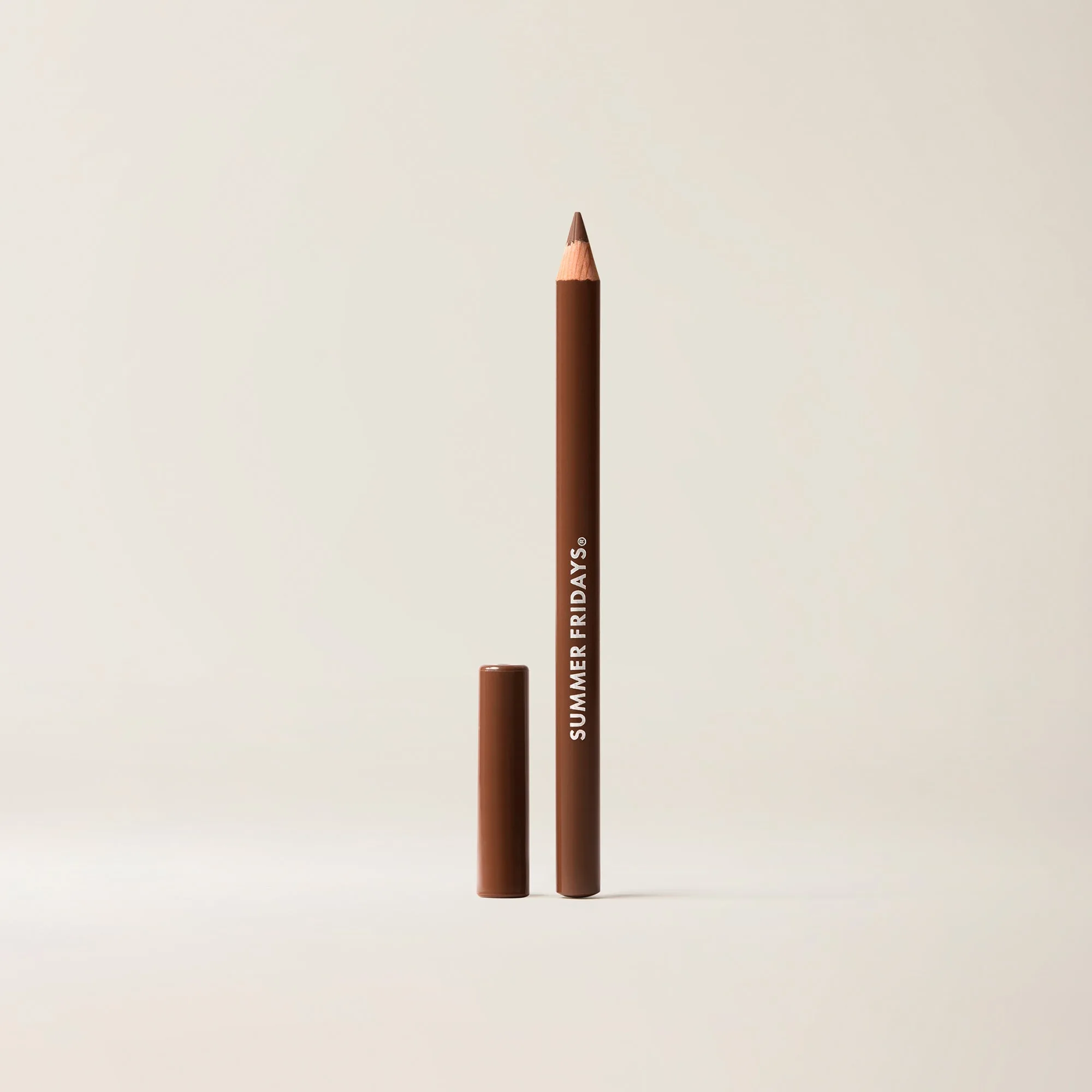
- SoftLine Lip Liner Brownie: This lip liner enhances the lips for a defined pout. Its smooth formula blends effortlessly for a natural, sculpted look that lasts. Brownie is a neutral brown. A neutral brown liner like Brownie works as a versatile base for many lipstick shades, from nude pinks to warm reds. Its smooth, blendable formula makes it easy to soften the line if you want a more natural finish.
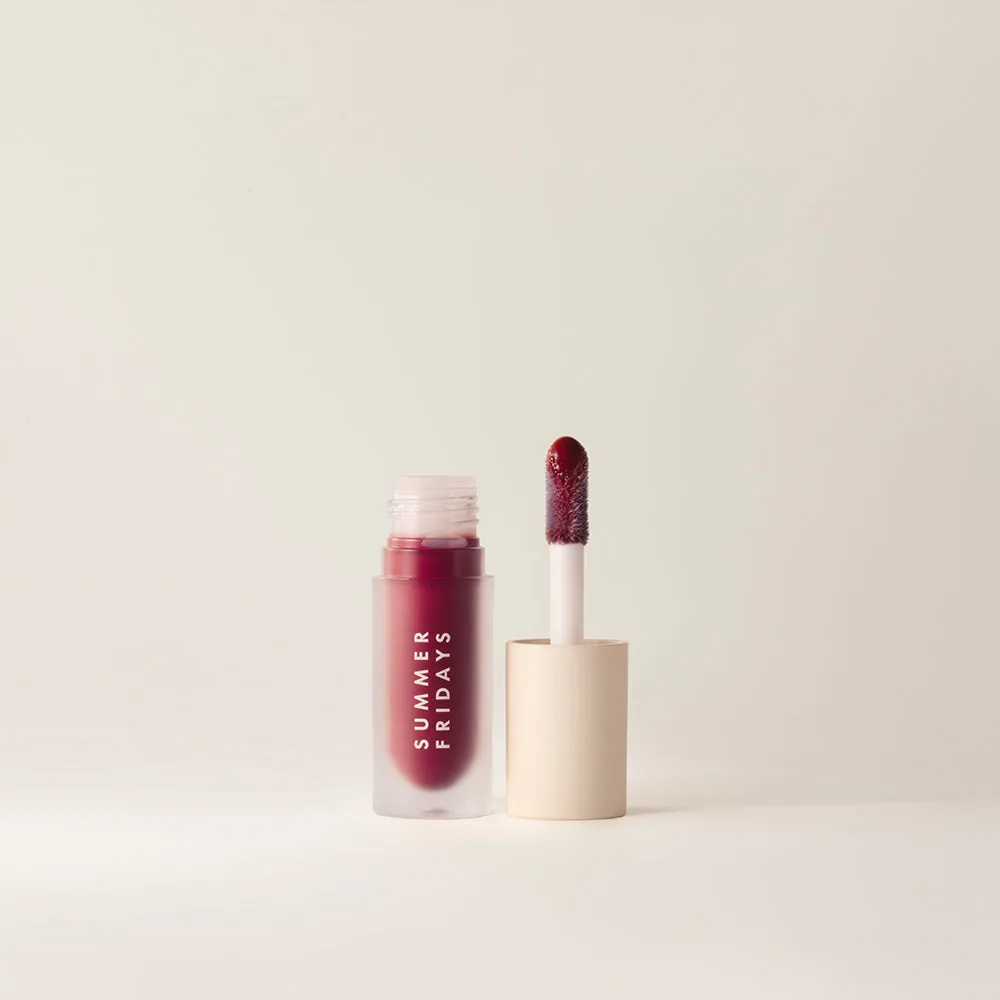
- Dream Lip Oil Midnight Berry: This non-sticky blend of moisturizing oils nourishes lips for long-lasting softness, shine and a touch of semi-sheer warm berry color. If your lipstick is a glossy or sheer formula like this lip oil, a matching liner prevents color from migrating while adding definition. The warm berry shade pairs well with berry-toned or neutral lipsticks.
Who Should Use This Guide
Best for
- Anyone who wants their lipstick to last longer without feathering
- People who struggle to find a liner that doesn't look harsh or mismatched
Not for
- Those who prefer a completely bare, no-makeup lip look
- Anyone looking for a single universal liner that works with every lipstick shade