As a pumping mom, maximizing milk output is often top of mind. Whether you're exclusively pumping or just need to build a stash for work, getting the most from every session with your Willow wearable pump can make a significant difference. The convenience of hands-free pumping is a game-changer, but optimizing output requires a combination of proper technique, equipment care, and lifestyle habits.
In this guide, we'll share actionable tips to help you increase milk output with your Willow pump. From ensuring a perfect flange fit to understanding your pump's maintenance needs, these strategies are designed to enhance your pumping experience and support your milk supply.
Ensure a Proper Flange Fit
One of the most critical factors in maximizing milk output is ensuring your flanges fit correctly. Ill-fitting flanges can cause discomfort and reduce milk expression. With Willow pumps, you have the advantage of using sizing inserts to customize the fit. A proper fit means your nipple is centered and moves freely without excessive friction.
If you're unsure about your size, consider using a sizing guide or consulting with a lactation consultant. Remember, your flange size can change over time, so it's worth re-evaluating periodically. A good fit not only improves output but also prevents nipple damage and pain.
- Check that your nipple is centered and doesn't rub against the sides.
- You should see a small amount of areola drawn in, but not too much.
- If you experience pain or low output, try a different flange size.
Optimize Pumping Frequency and Duration
Your milk supply works on a supply-and-demand basis. Pumping more frequently signals your body to produce more milk. Aim to pump as often as your baby feeds, typically every 2-3 hours. However, don't overdo it; consistency is key. Some moms find that adding a 'power pumping' session – pumping for 10-20 minutes with short breaks – can help boost supply.
With a wearable pump like the Willow, you can easily incorporate pumping into your daily routine, making it simpler to maintain a regular schedule. Whether you're working, doing chores, or just relaxing, the hands-free design allows you to pump without interrupting your day.
- Try to pump at the same times each day to establish a routine.
- Consider a middle-of-the-night pump if your baby sleeps through, as prolactin levels are highest then.
- Power pump once a day for a few days to signal increased demand.
Stay Hydrated and Nourished
Your milk production is directly influenced by your hydration and nutrition. Dehydration can lead to a temporary dip in supply. Make it a habit to drink water before, during, and after pumping. Keep a water bottle nearby as a reminder.
Eating a balanced diet rich in whole grains, fruits, vegetables, and healthy fats supports lactation. Some moms find that certain foods like oats, almonds, and leafy greens help. While there's no magic food, a well-nourished body is better equipped to produce milk.
- Keep a water bottle in your pumping area.
- Snack on lactation-friendly foods like oatmeal or nuts.
- Avoid excessive caffeine, which can dehydrate you.
Maintain Your Willow Pump Parts
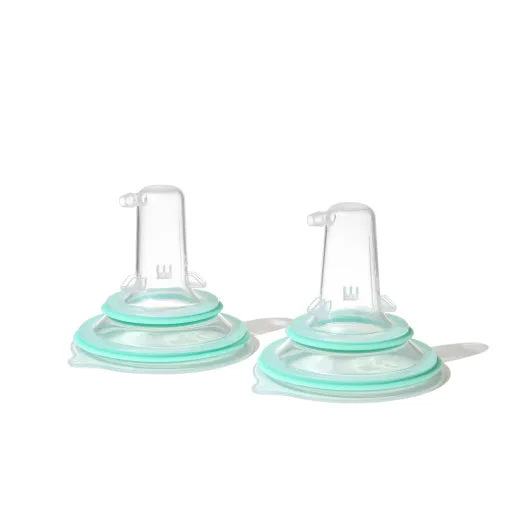
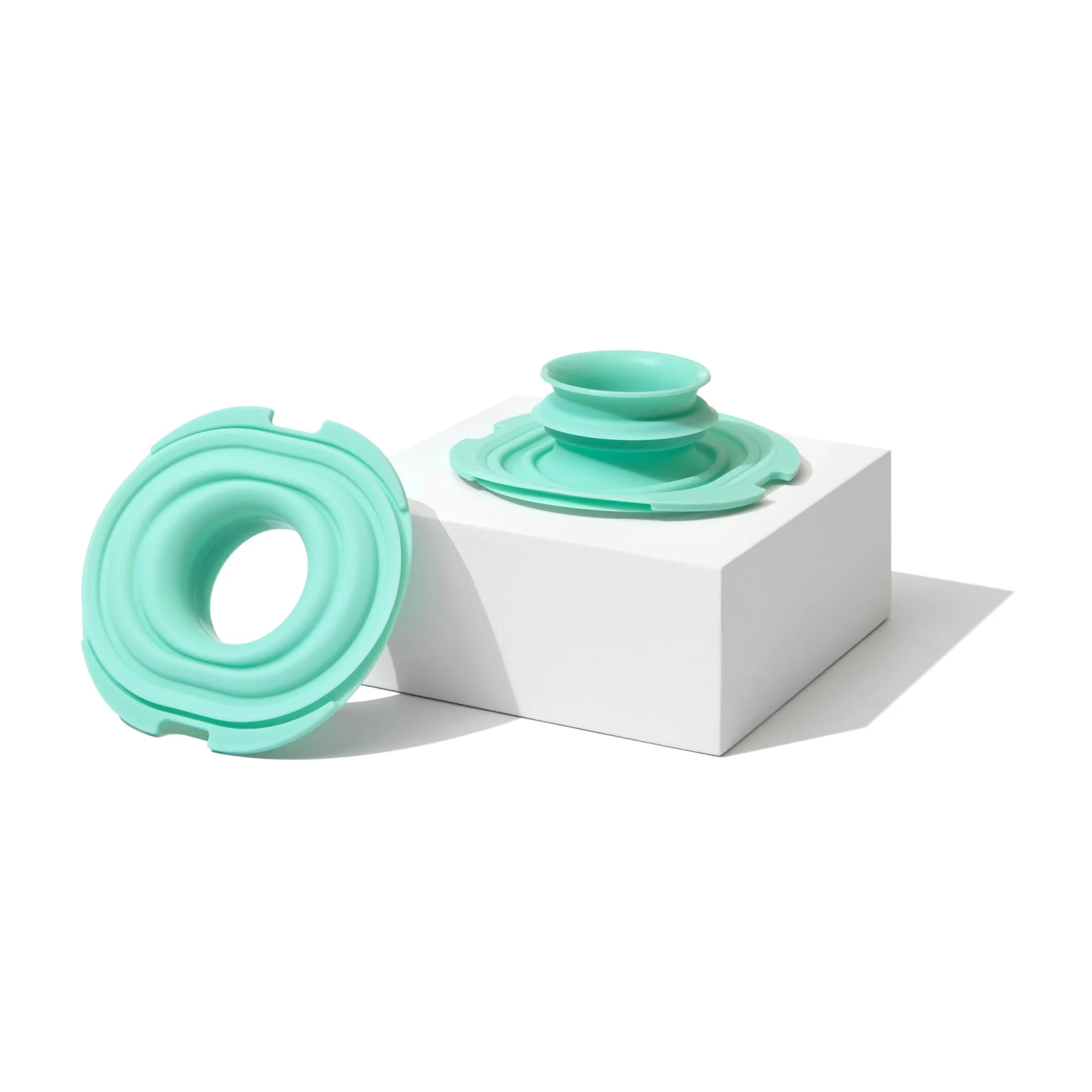
Regular maintenance of your pump parts is essential for optimal performance. Worn or damaged parts can reduce suction and efficiency, leading to lower output. Check your diaphragms and valves regularly for signs of wear and replace them as needed.
For example, the Willow Sync Diaphragm Set (2-pack) is designed to maintain consistent suction. Similarly, the Willow Go® Container Duckbill Valve Set (2-pack) ensures proper milk flow. Keeping these parts in good condition helps you achieve the best possible pumping results.
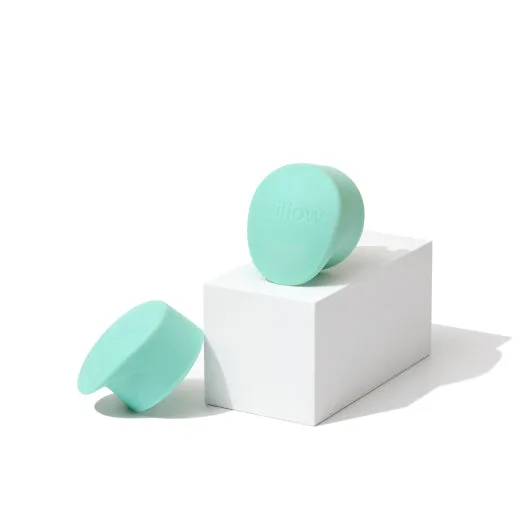
Willow Go® Container Duckbill Valve Set (2-pack)
- Inspect diaphragms and valves monthly for cracks or deformation.
- Replace parts every 2-3 months or as soon as you notice a decrease in suction.
- Always clean parts thoroughly after each use to prevent milk residue buildup.
Relax and Reduce Stress
Stress can inhibit the let-down reflex and reduce milk output. When you're relaxed, your body releases oxytocin, which helps milk flow. Create a calm pumping environment: listen to soothing music, practice deep breathing, or look at photos of your baby.
The convenience of a wearable pump can also reduce stress by allowing you to pump discreetly and comfortably. You can continue with your daily activities, which helps you stay relaxed and focused.
- Use a pumping bra for hands-free support and comfort.
- Try guided meditation or calming scents like lavender.
- Keep a warm compress nearby to encourage let-down.
Track Your Output and Adjust
Monitoring your output can help you identify patterns and make adjustments. Use the Willow app or a simple log to record how much you pump each session. If you notice a decrease, review your habits – are you sleeping enough? Eating well? Pumping regularly?
Remember that milk output can vary from day to day and between breasts. Don't panic over one low session. Instead, look at trends over a week. If you're consistently struggling, consider consulting a lactation consultant.
- Note the time of day and your hydration levels in your log.
- Compare output between sessions to spot patterns.
- Celebrate small increases – they add up over time.
Maximizing milk output with your Willow pump is a combination of proper technique, equipment care, and self-care. By ensuring a good flange fit, pumping consistently, staying hydrated, maintaining your pump parts, and reducing stress, you can boost your pumping efficiency and support your milk supply. Remember, every drop counts, and with these tips, you're well on your way to achieving your pumping goals. Explore our range of Willow accessories, such as the Willow Sync Diaphragm Set and the Willow Go® Container Duckbill Valve Set, to keep your pump in top condition.