Quick answer
Measure your dog's chest girth at the deepest point behind the front legs, neck circumference at the middle of the neck, and waist just in front of the hind legs. Use a soft tape measure and keep it snug but not tight. Write down each number and compare it to the brand's size chart before ordering.
Gather the right tools and set up your dog
You need a soft measuring tape, a helper if your dog wiggles, and a few treats. A cloth tape used for sewing works best because it conforms to the body. If you only have a metal tape measure, use a piece of string to wrap around your dog, then lay the string flat against a ruler. Stand your dog on a level surface in a natural standing position. Measure the right side of the body consistently to avoid confusion.
Measure chest girth for harness sizing
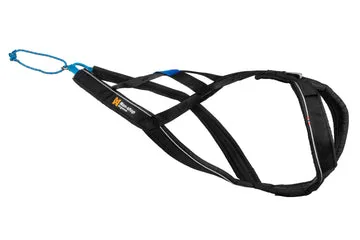
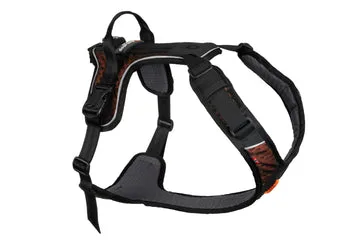
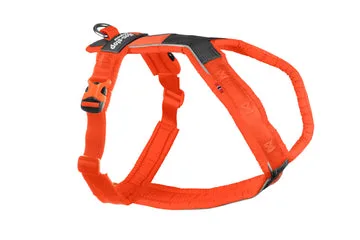
Chest girth is the most important measurement for a harness. Wrap the tape around the widest part of the rib cage, usually right behind the front legs. The tape should sit flat against the fur without compressing it. For dogs with thick coats, add about half an inch to allow for fur compression. Write down the number in centimeters or inches, but stay consistent. This measurement directly determines harness size. For example, the https://waggygoai.com/products/line-harness-grip-292998Line Harness Grip Wd and Line Harness Long Wd both rely on an accurate chest girth to sit correctly without rubbing.
Measure neck for collar sizing
Neck circumference is measured at the middle of the neck, not right behind the ears or at the base of the skull. Wrap the tape snugly, then slide two fingers under it to ensure you can still fit a comfortable gap. A collar should not be so loose that it slips over the head, nor so tight that it presses on the throat. If your dog has a thick ruff, measure over the fur and add a little extra. Always check the collar size chart for the specific brand because sizing varies between manufacturers.
Measure waist for belts and back-length gear
Waist measurement is useful for dog belts, backpacks, or long-line harnesses that have a belly strap. Measure the narrowest part of the torso, just in front of the hind legs. Keep the tape level and snug. If your dog is between sizes, size up for adjustable gear or choose a model with a wider adjustment range. The Line Harness Long Wd, for instance, offers a long design that provides ample coverage and support, so an accurate waist and chest measurement helps you pick the right size.
Check fit and adjust after trying on
Once you have your measurements, order the size that matches the chart. When the gear arrives, put it on your dog and check for two-finger space under straps, no twisting, and full range of motion. Watch your dog walk, trot, and sit. If the harness or collar shifts or rubs, you may need a different size or a different model. Remember that a harness should not restrict the shoulders. For a grip handle option like the Line Harness Grip Wd, ensure the handle sits comfortably on top and does not interfere with movement.
Step-by-step measuring process
- Step 1: Measure chest girth: Wrap a soft tape around the widest part of the rib cage, just behind the front legs. Keep the tape snug but not tight. Write down the number. Common mistake: measuring too far forward or backward. The tape should sit right behind the front legs.
- Step 2: Measure neck circumference: Wrap the tape around the middle of the neck. Slide two fingers under the tape to check for a comfortable fit. Record the measurement. Checkpoint: you should be able to fit two fingers between the tape and the neck without forcing.
- Step 3: Measure waist: Find the narrowest part of the torso, just in front of the hind legs. Wrap the tape level and snug. Write down the number. Common mistake: letting the tape slope. Keep it horizontal for an accurate waist measurement.
- Step 4: Compare to the size chart: Use the brand's specific size chart for the harness, collar, or belt you plan to buy. Match your dog's measurements to the closest size. If between sizes, choose the larger size for adjustable gear. Checkpoint: never assume a size from another brand. Sizing varies between manufacturers.
- Step 5: Test the fit after trying on: Put the gear on your dog and check for two-finger space under straps, no twisting, and full range of motion. Watch your dog walk, trot, and sit. Next step: if the gear rubs or shifts, exchange for a different size or model.
Harness options that rely on accurate measurements
- Line Harness Grip Wd: The Line Harness Grip Wd is a practical harness designed for everyday use, built with a focus on comfort and control. It features a grip handle for added control when needed and is suitable for a variety of dog sizes with a standard fit option. A grip handle helps you steady your dog in busy areas, but the harness only works well if the chest girth measurement is correct. If the fit is off, the handle can shift and become less effective.
- Line Harness Long Wd: The Line Harness Long Wd is a durable and functional harness designed for active dogs. Its long-line construction offers a secure fit while allowing freedom of movement, making it suitable for everyday walks and outdoor adventures. The long design covers more of the body, so accurate chest and waist measurements are critical to prevent rubbing or restriction. This harness suits dogs that need extra support without losing range of motion.