Quick answer
Wrap a soft tape measure around the middle of your dog's neck, snug but not tight, and add about two inches for a heavy-duty collar. If the number falls between two sizes, choose the larger one. Then recheck the fit on your dog: you should fit two fingers flat between the collar and the neck.
A heavy-duty collar only works if it fits. Too loose and your dog can back out of it; too tight and it rubs, restricts breathing, or sits wrong on the neck. The good news is that a dog neck measurement takes about a minute once your dog is standing still.
This guide walks through measuring, choosing a size, and checking the fit after the collar arrives. It also covers the small differences that matter for thick-coated dogs, growing puppies, and hardware-heavy collars.
Before you start: gather the right tools
Use a soft fabric tape measure, the kind sold for sewing. A rigid tape measure or a metal ruler will not curve around the neck and will give you a false reading. If you do not have a soft tape, use a piece of string or a shoelace, then lay it flat against a ruler to get the number.
Have a few small treats within reach. You want your dog standing, not sitting or lying down, because posture changes the neck circumference. Standing also keeps the neck straight, which is the position the collar will actually sit in.
- Soft tape measure or string plus a ruler
- Treats to keep your dog steady
- A helper if your dog wiggles a lot
Measure the middle of the neck, not the base
Slide the tape around the middle of the neck, roughly halfway between the head and the shoulders. This is where a standard collar sits. Measuring at the base of the neck, right against the shoulders, gives a larger number and leads to a collar that is too loose.
Keep the tape level all the way around. If it rides up on one side, the reading will be short. Pull it snug enough that the fur compresses slightly, but stop before the tape digs in. Write down the number in inches or centimeters, and stay consistent with whichever unit you choose.
- Common mistake: measuring over a thick coat without pressing the fur down, which adds an inch or more
Add allowance for a heavy-duty collar
Heavy-duty collars are usually wider and thicker than everyday collars, and the hardware takes up space. Add about two inches to your dog's neck measurement for a comfortable working fit. A collar that measures exactly the neck size will be too tight once it is buckled.
If your dog is between sizes, size up rather than down. You can always punch an extra hole or tighten a buckle, but you cannot add length to a collar that is already too small. For wide collars, the extra allowance also keeps the edges from pressing into the neck.
- Checkpoint: your final number should be neck measurement plus roughly two inches
Recheck the fit on your dog after it arrives
Once the collar is on, slide two fingers flat between the collar and the neck. They should fit with light pressure. If you can fit a whole hand, the collar is too loose. If your fingers barely squeeze in, loosen it by one hole.
Watch your dog move for a minute. The collar should stay in place without spinning freely or sliding down to the shoulders. A collar that rotates on its own is too loose, and one that leaves a red mark after a few minutes is too tight.
- Test after a meal and after a walk, since the neck can change slightly with activity
When to remeasure
Puppies need a new measurement every few weeks until they stop growing. Adult dogs generally keep the same neck size, but a significant weight change, a thick winter coat, or a shaved coat can shift the number enough to matter. Remeasure after any of those changes.
If you use a prong collar or a training collar with links, sizing works differently because you add or remove links rather than adjust a buckle. In that case, measure the neck the same way, then fine-tune the length with replacement links so the collar sits high on the neck.
- Remeasure puppies monthly, adult dogs after major weight or coat changes
Five-step heavy-duty collar measuring process
- Step 1: Stand your dog still: Have your dog stand squarely on all four legs with the head facing forward. Sitting or lying down changes the neck shape and gives a short reading. Checkpoint: if your dog will not stand, wait and try again rather than measuring while seated.
- Step 2: Wrap the soft tape at mid-neck: Place the tape around the middle of the neck, level all the way around, and pull it snug enough to press the fur down without digging in. Common mistake: measuring at the base of the neck, which adds length you do not need.
- Step 3: Record the number: Write down the measurement in inches or centimeters and note the unit. Do not round up or down yet; keep the exact number for the next step. Checkpoint: measure twice and compare. If the two numbers differ by more than half an inch, measure a third time.
- Step 4: Add about two inches: Add roughly two inches of allowance for the width and hardware of a heavy-duty collar. If you land between sizes, choose the larger size. Common mistake: ordering the exact neck measurement, which leaves no room to buckle comfortably.
- Step 5: Verify the fit on your dog: Put the collar on and slide two fingers flat underneath. It should pass with light pressure and the collar should not rotate or slide down on its own. Checkpoint: if two fingers will not fit, loosen one hole; if a whole hand fits, tighten one hole.
Products that help you dial in the fit
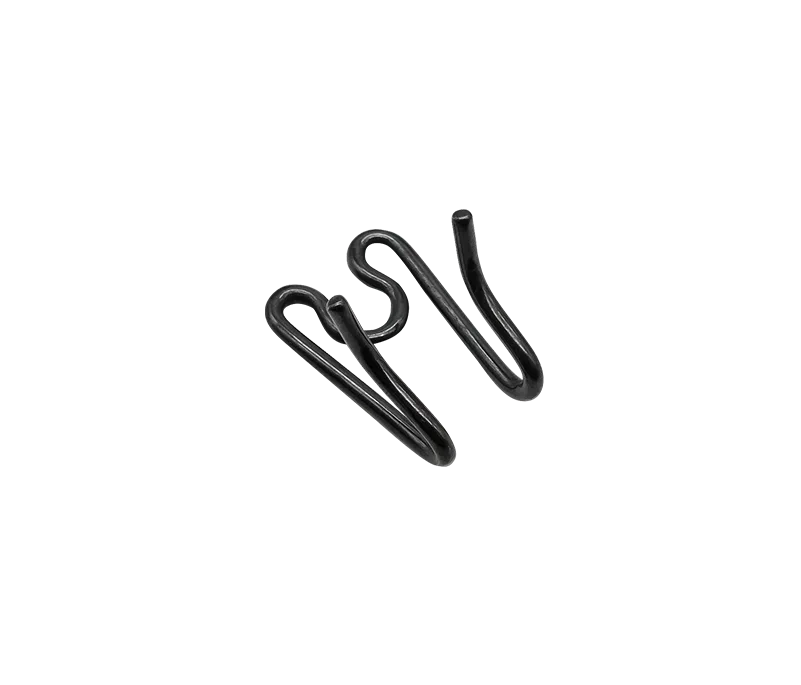
- 3.25mm Black Stainless Herm Sprenger Ultra-Plus Prong Training Dog Collar Replacement Links: These links are used to add length to the Herm Sprenger Ultra-Plus Prong Training Dog Collars. The blunt design is effective and easily attaches to existing links for a perfect fit. If your prong collar is just barely too short after measuring, adding a link is often easier than buying a whole new collar.
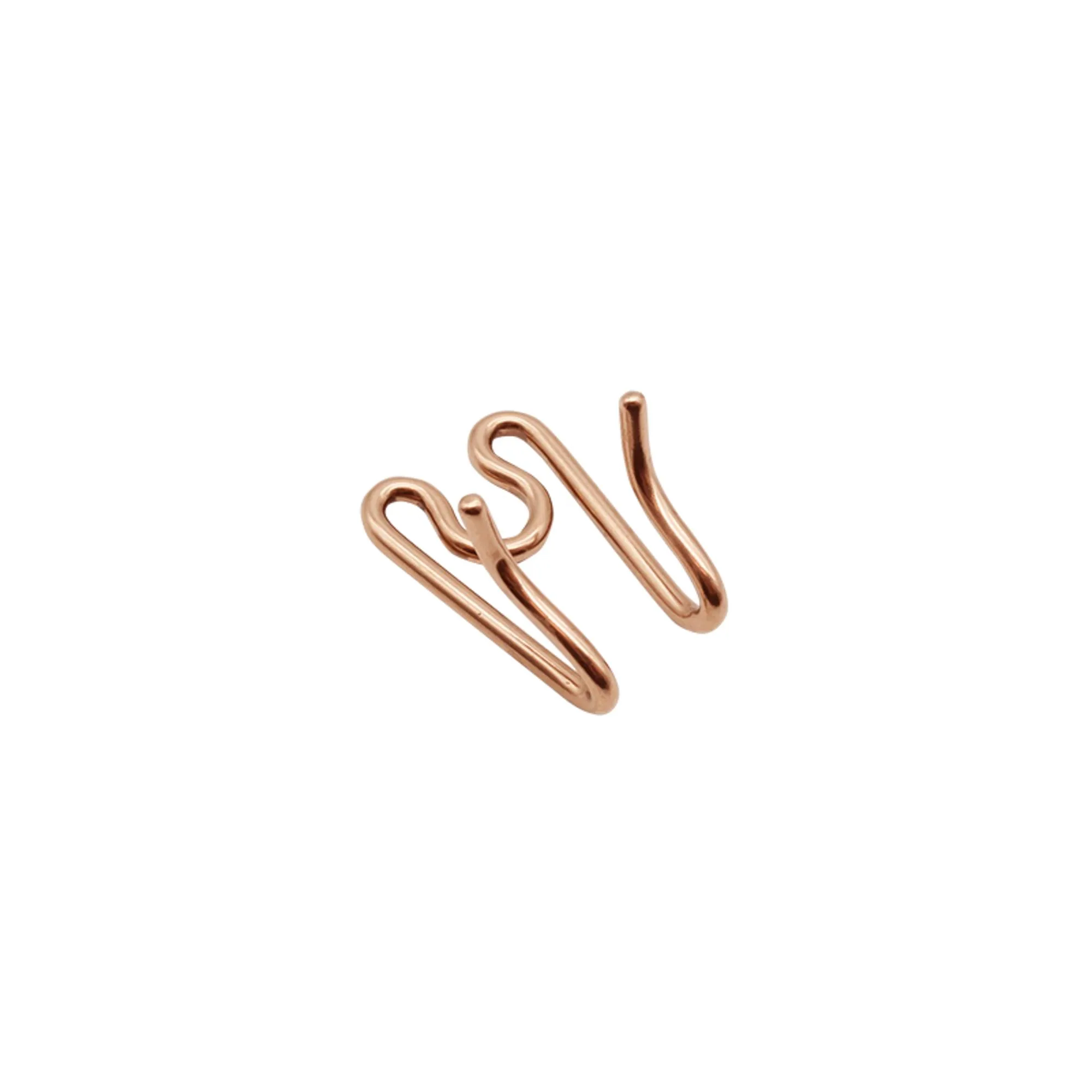
- 3.25mm Curgoan Herm Sprenger Ultra-Plus Prong Training Dog Collar Replacement Links: These links are used to add length to the Herm Sprenger Ultra-Plus Prong Training Dog Collars. The blunt design is effective and easily attaches to existing links for a perfect fit. The same add-a-link approach works here, so you can fine-tune the fit in small increments instead of guessing at a new size.
Measure at mid-neck, add about two inches, and always recheck the fit on your dog before you rely on the collar. A few minutes with a soft tape saves you from returns and keeps your dog comfortable.