Measuring gluten-free flour mixes correctly is one of the most important steps in gluten-free baking. Unlike wheat flour, gluten-free flours have different densities and moisture absorption, so a simple mistake in measurement can lead to dry, crumbly, or dense baked goods. Whether you're using a ready-made mix like Mom's Best Gluten-Free Flour Blend 5lb (WS) or a specialty blend, understanding the right measuring techniques is key to consistent results.
In this guide, we'll walk you through the best practices for measuring gluten-free flour mixes, including the scoop-and-level method, spoon-and-level, and using a kitchen scale. We'll also share tips for specific products like Mom's Best Gluten-Free Rolls or Bread Mix and the Gluten-Free Sourdough Start and Flour Blend Combo to help you bake with confidence.
Why Measuring Gluten-Free Flour Is Different
Gluten-free flour blends are made from a variety of grains and starches, such as rice flour, tapioca starch, potato starch, and xanthan gum. These ingredients have different particle sizes and densities compared to wheat flour. As a result, a cup of gluten-free flour can weigh significantly more or less than a cup of all-purpose flour, depending on how it's scooped.
If you use the wrong measuring technique, you might end up with too much or too little flour, which can throw off the hydration of your batter or dough. This is especially critical for recipes that rely on precise ratios, like breads, rolls, and pastries. Fortunately, with a few simple adjustments, you can measure gluten-free flour accurately every time.
- Gluten-free flours are denser and absorb more liquid, so accurate measuring prevents dry or gummy results.
- Different blends have different densities, so always check the label for specific instructions.
The Scoop-and-Level vs. Spoon-and-Level Methods
The most common way to measure flour is the scoop-and-level method, where you dip your measuring cup into the flour bag and then level off the excess with a knife. However, for gluten-free flour, this method can compact the flour, leading to too much flour in the cup. Instead, many bakers recommend the spoon-and-level method: spoon the flour into the measuring cup and then level it off without packing it down.
For gluten-free mixes like Mom's Best Gluten-Free Flour Blend 5lb (WS), the spoon-and-level method is often preferred because it gives a lighter, more accurate measurement. However, some blends are specifically designed to be scooped, so always check the product instructions. If you're using a mix that includes a scoop, like the Gluten-Free Sourdough Start and Flour Blend Combo, follow the recommended method to achieve the best texture.
- Spoon-and-level: Spoon flour into the cup, then level with a straight edge. Do not tap or pack.
- Scoop-and-level: Dip the cup into the flour and level off. Use only if the package recommends it.
Weighing Gluten-Free Flour: The Most Accurate Method
For the most precise results, especially in gluten-free baking, using a kitchen scale is the gold standard. Weighing your flour eliminates the guesswork and ensures you get the exact amount every time. Most gluten-free flour blends have a specific weight per cup, which is usually listed on the package. For example, Mom's Best Gluten-Free Flour Blend 5lb (WS) may have a weight of about 140 grams per cup, but always check the label.
When a recipe calls for a certain weight, use your scale to measure the flour directly into your mixing bowl. This is particularly useful for bread and roll mixes like Mom's Best Gluten-Free Rolls or Bread Mix, where precise hydration is crucial for a good rise. If you don't have a scale, you can convert the weight to volume using the conversion on the package, but be aware that this is less accurate.
- Invest in a digital kitchen scale for consistent results.
- Check the package for grams per cup and use it as a reference.
Tips for Measuring Specific Gluten-Free Mixes
Different gluten-free mixes may require slightly different measuring approaches. For instance, when using a bread mix, you might need to measure the flour more loosely to achieve a lighter crumb. On the other hand, for a dense, moist dessert like the Gluten-Free Banana Cream Pie Combo Mix, you might want a more accurate measurement to ensure the filling sets properly.
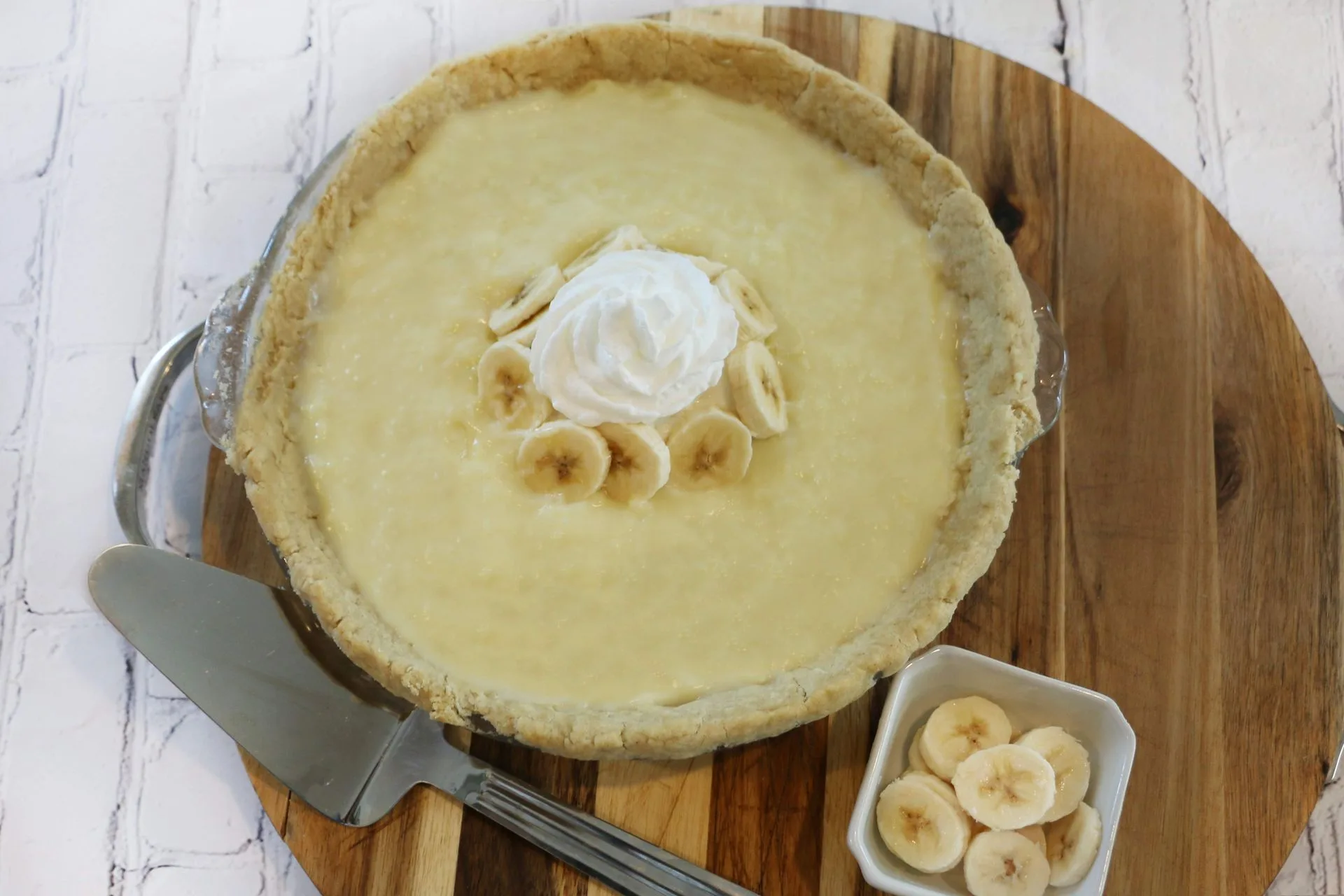
Gluten-Free Banana Cream Pie Combo Mix
Always read the instructions on the package. Some mixes, like the Gluten-Free Cream of Chicken Soup Mix, are meant to be used as a thickener, so measuring by weight is less critical. However, for baking mixes, following the recommended measuring method is essential. If you're unsure, start with the spoon-and-level method and adjust based on the consistency of your batter or dough.
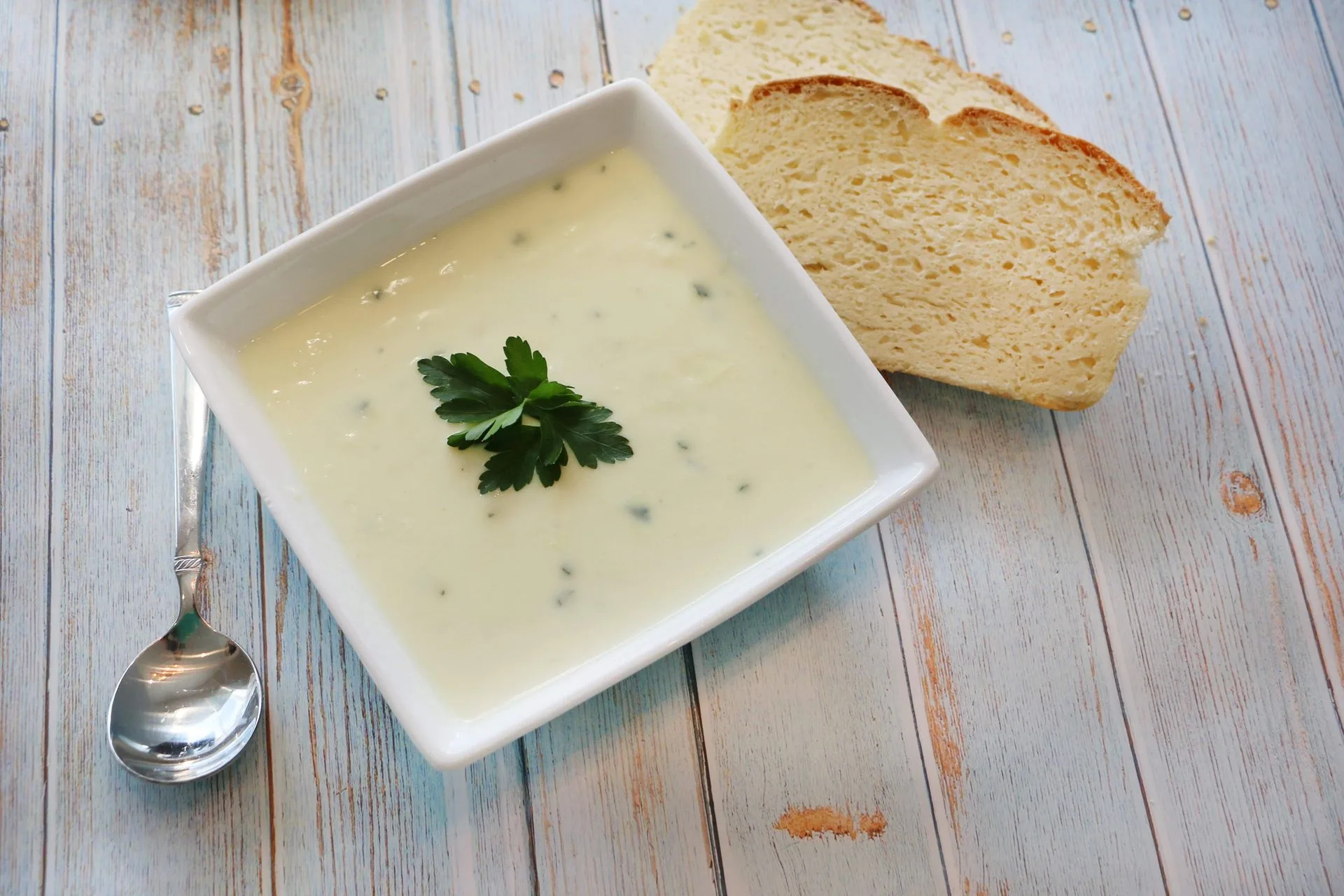
Gluten-Free Cream of Chicken Soup Mix
- For bread and roll mixes, measure flour lightly to avoid dense results.
- For dessert mixes, follow the package instructions to ensure proper texture.
Common Mistakes to Avoid
One of the most common mistakes is packing the flour into the measuring cup, which can add up to 20% more flour than intended. Another mistake is using a liquid measuring cup for dry ingredients, which can lead to inaccurate measurements. Always use dry measuring cups for flour and liquid measuring cups for liquids.
Also, avoid shaking or tapping the cup to level the flour, as this compacts it. Instead, use a knife to level off the top. Finally, don't scoop directly from the bag if the flour has settled; fluff it with a fork or whisk before measuring to aerate it.
- Never pack the flour into the cup.
- Use dry measuring cups for flour.
- Fluff the flour before measuring to break up clumps.
Mastering how to measure gluten-free flour mixes correctly is a game-changer for your baking. By using the right techniques, whether it's spoon-and-level or weighing, you'll achieve better texture and flavor in all your gluten-free creations. For high-quality gluten-free flour and mixes, explore the selection at Moms Place Gluten Free, and don't forget to check out the Mom's Best Gluten-Free Flour Blend 5lb (WS) for your pantry staple. Happy baking!