Quick answer
Measure your dog from the tip of the nose to the base of the tail while they stand, then add 6 to 12 inches of extra room. For curl-up sleepers, also measure the width across the shoulders. Match those numbers to the size chart for the bed you want, and size up if your dog is between sizes or a senior.
A bed that fits properly keeps joints supported and gives your dog room to stretch or curl without hanging off the edge. The tricky part is that most people measure once, order, and hope. This guide walks you through the exact measurements that matter for a Bully Bed, where to take them, and how to translate them into the right size.
You will need a soft tape measure, a helper if your dog wiggles, and a few treats. The whole process takes about five minutes. Do it while your dog is standing naturally, not lying down, because a curled-up dog hides the true length you need to plan for.
Why Bully Bed sizing is different from a standard dog bed
Bully Beds are built around orthopedic foam and heavy-duty covers, so the dimensions are more deliberate than a generic plush bed. The Original Bully Bed comes in sizes from Medium to XXL, and the round bolster model is shaped for dogs that tuck their legs in. That means the right size is not just about floor space; it is about how your dog actually sleeps.
A bed that is too small forces your dog to hang a leg or chin over the edge, which defeats the purpose of an orthopedic surface. A bed that is too large can feel exposed to a dog that likes to curl against a bolster. Measuring first is the only way to avoid both problems.
- Measure while standing, not sleeping.
- Write down length and width before you look at any size chart.
- If you are between sizes, choose the larger bed for a large or senior dog.
What you need before you start
A flexible cloth tape measure works best because it follows the curve of the body. A stiff builder's tape can work, but you will need a helper to hold the end. Have a few high-value treats ready so your dog stays in a standing position long enough to get a clean number.
You do not need to measure height or weight for most Bully Bed orders, but weight is useful context when you compare sizes. If your dog is a senior or has arthritis, note that too, because it changes how much extra room you should add.
- Soft tape measure or a piece of string plus a ruler.
- Treats to keep your dog standing still.
- A notepad or phone to record numbers immediately.
Step-by-step: measuring your dog for a Bully Bed
- Step 1: Measure nose to tail while standing: Have your dog stand naturally on a flat floor. Place the tape at the tip of the nose and run it along the spine to the base of the tail, not the tip of the tail. Keep the tape straight and snug, but do not pull tight. Common mistake: measuring a curled-up or sitting dog. That gives you a short number and a bed that is too small.
- Step 2: Measure across the shoulders: Measure the widest part of the chest or shoulders, just behind the front legs. This width tells you whether your dog can lie flat without pressing against the sides of the bed. For round bolster beds, this is the number that decides whether your dog can curl comfortably. Checkpoint: if shoulder width is more than half the bed width, size up.
- Step 3: Add 6 to 12 inches of extra room: Add 6 inches to the nose-to-tail length for a dog that curls tightly, and 12 inches for a dog that stretches out or is a senior with stiff joints. The extra space lets your dog shift positions during the night without hanging off the orthopedic foam. Common mistake: adding extra room only to the length and forgetting width. Both numbers matter.
- Step 4: Match your numbers to the size chart: Compare your final length and width to the size chart for the specific Bully Bed you are considering. The Original Bully Bed runs from Medium to XXL, and the round bolster bed has its own dimensions. Do not assume a size name means the same thing across models. Checkpoint: if your dog is between two sizes, choose the larger one, especially for large breeds and seniors.
- Step 5: Recheck with your dog lying down: Once you have a candidate size, mark it out on the floor with tape or a blanket. Ask your dog to lie down on the outline. If a paw, chin, or tail hangs over the edge, go up a size. This five-minute check prevents most returns and gives you confidence before ordering.
Bully Bed options that affect your size choice
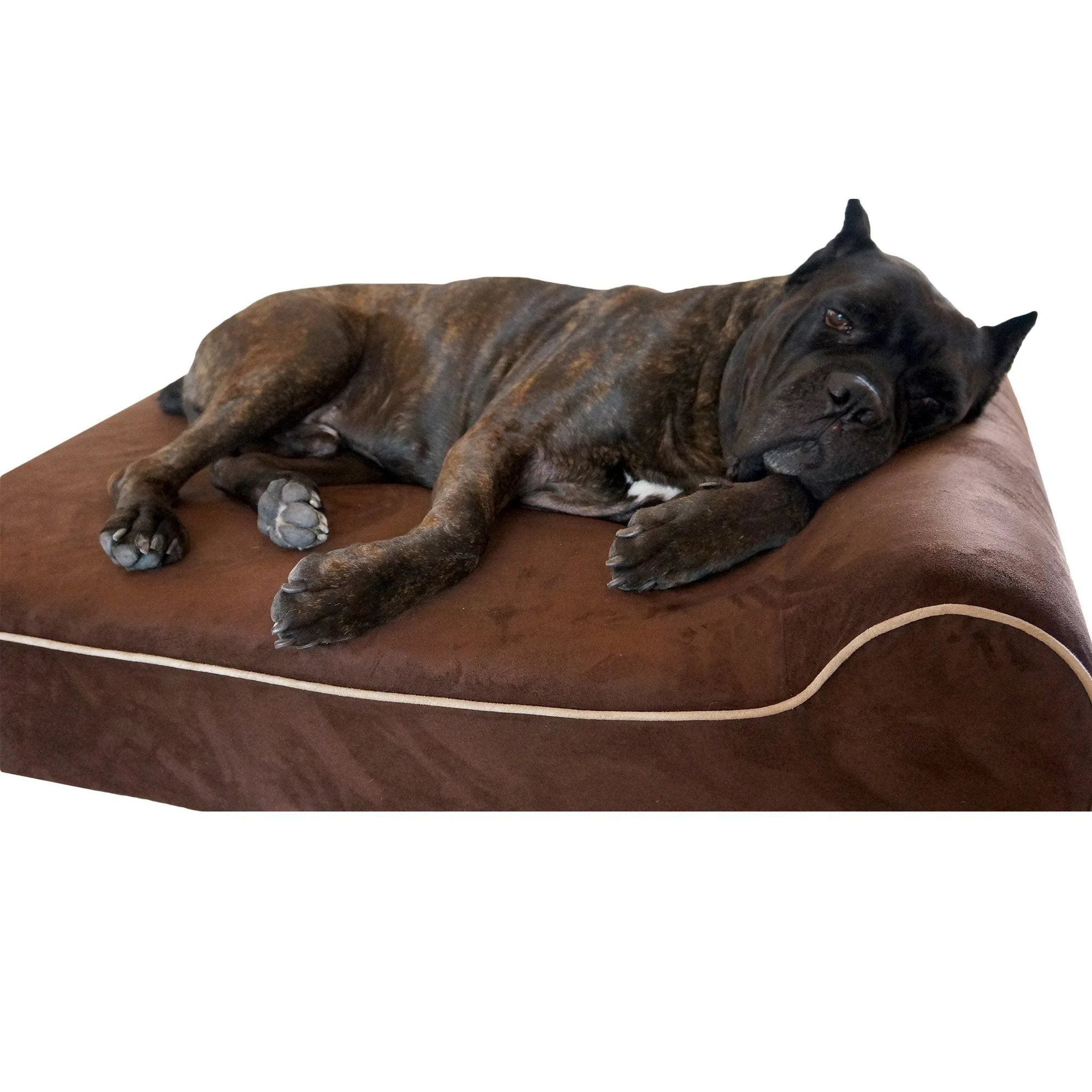
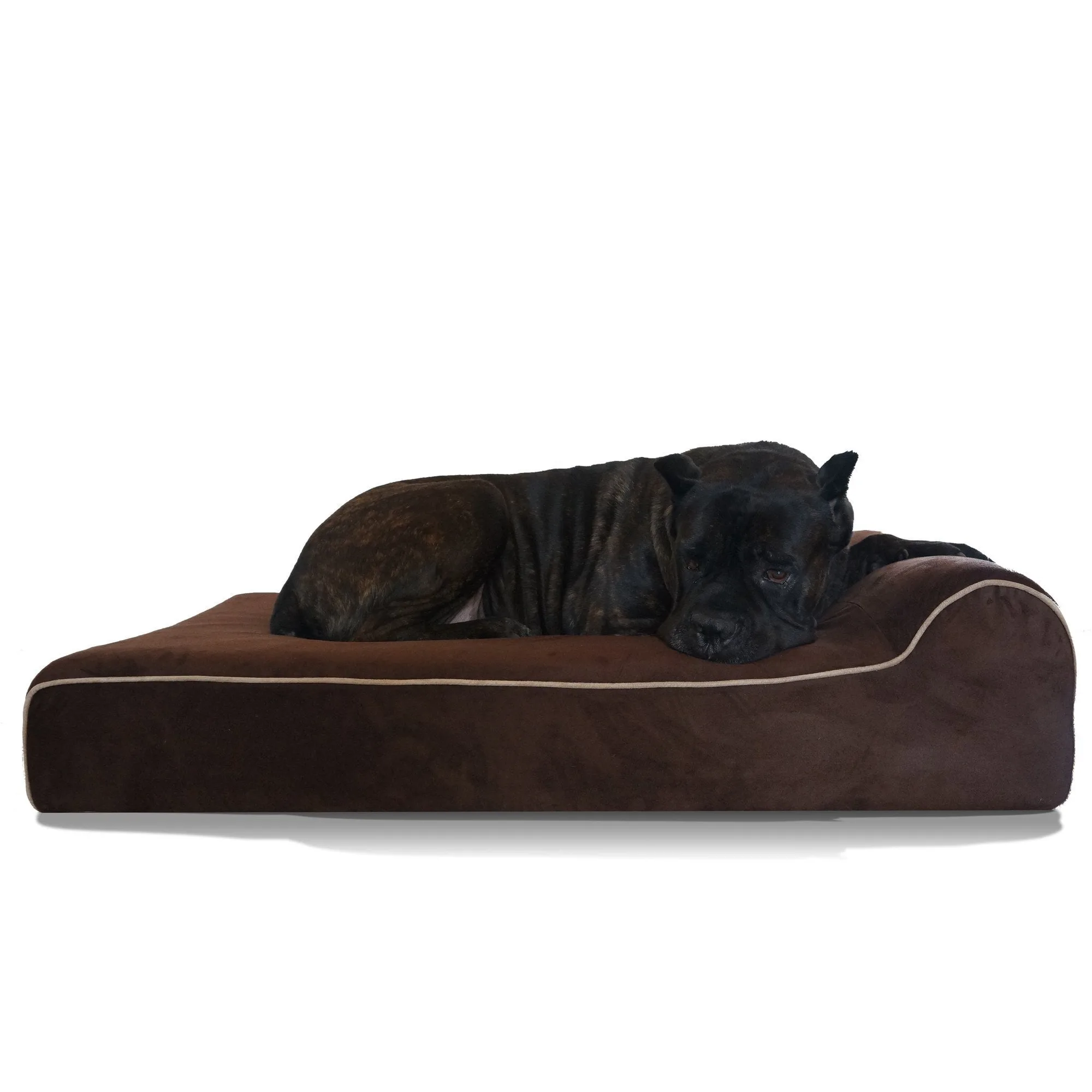
- Original Bully Bed - Large Orthopedic Dog Bed: This orthopedic dog bed comes with 4.5lb density human grade memory and support foam, and is available in sizes from Medium to XXL. If your dog is a large or senior breed, the XXL option gives you room to follow the 6-to-12-inch rule without guessing. The foam density is the reason a properly sized bed actually supports joints instead of flattening.
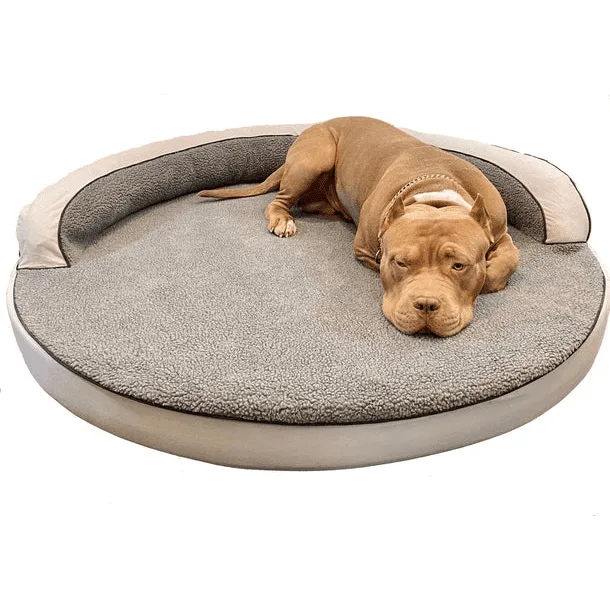
- Orthopedic Large Round Dog Bed (With Sherpa Bolster Top): Designed with a bolster running half the width of the bed, it is ideal for dogs that like something to curl up against. For curl-up sleepers, the round shape changes how you measure. You still measure nose to tail, but you also want to check shoulder width so your dog can lean into the bolster without being cramped.
- Original Orthopedic Bully Bed Covers: Covers fit the original Bully Bed, are super soft microfiber, washable and removable, and zip on and off with ease. They are not a complete bed. If you already own a Bully Bed and only need a replacement cover, match the cover size to your existing bed size rather than remeasuring your dog. This avoids ordering a cover that does not fit the bed you have.
Measuring your dog for a Bully Bed takes five minutes and saves you the hassle of a return. Stand your dog up, measure nose to tail and across the shoulders, add 6 to 12 inches, and size up if you are between sizes. Do that, and your dog gets the joint support and room to stretch that an orthopedic bed is supposed to provide.