Quick answer
To measure your dog for a harness, coat, and booties, use a soft measuring tape. Measure the girth (widest part of the ribcage), back length (base of neck to tail), and paw width (widest part of the paw). Always measure while your dog is standing. When in doubt, size up for adjustable gear like harnesses and coats, but ensure a snug fit for booties to prevent slipping.
Why accurate measurements matter
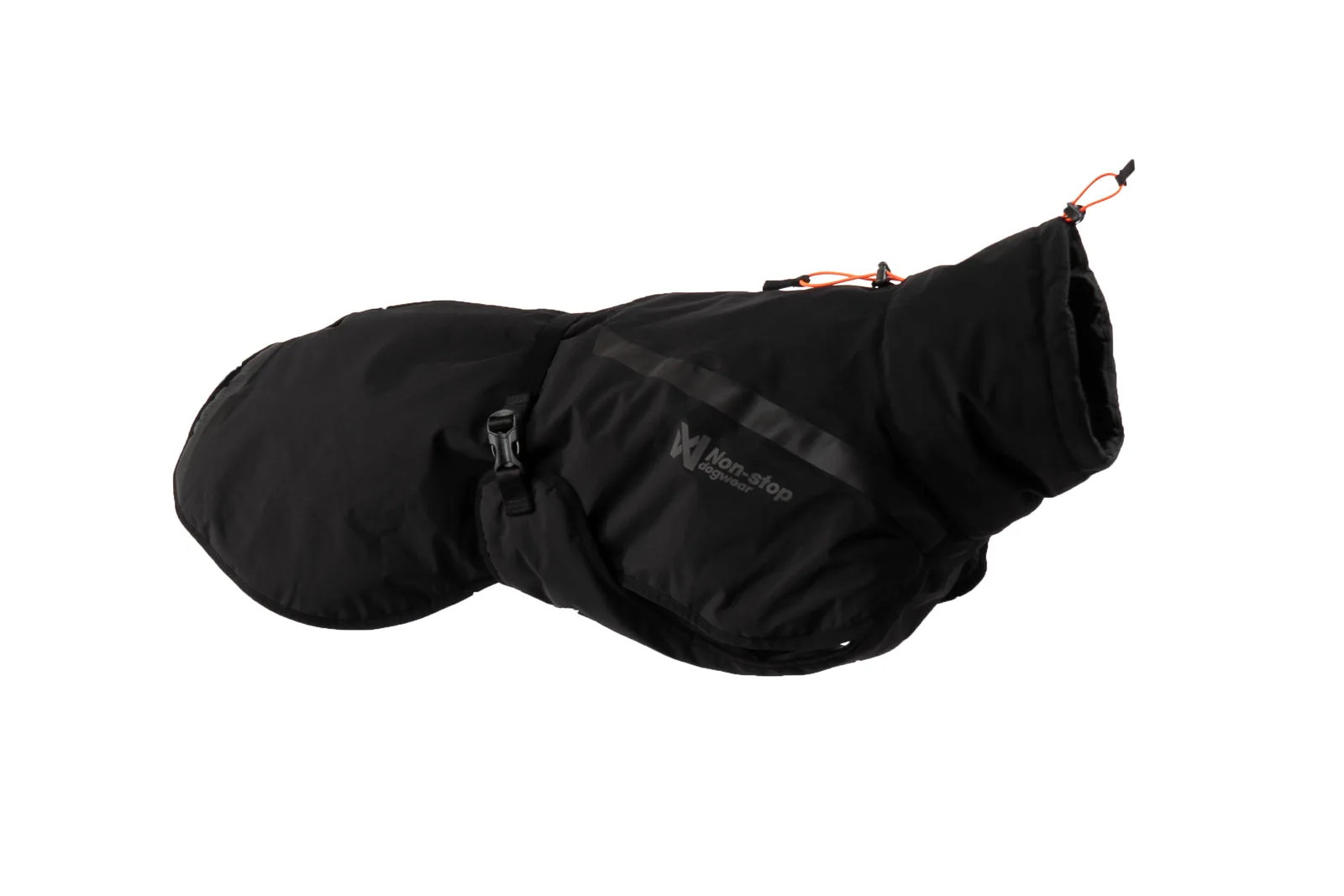
Ill-fitting gear can cause chafing, restrict movement, or slip off during activity. For example, a harness that's too loose can cause your dog to back out, while a coat that's too tight limits mobility. Booties that are too large may fall off, and too small can cause discomfort. Taking a few minutes to measure correctly ensures safety and comfort for your dog, whether you're hiking, running, or just walking in cold weather.
Tools you'll need
A soft measuring tape (like a tailor's tape) is ideal. If you don't have one, use a piece of string or ribbon and then measure it against a ruler. You'll also want a notebook or phone to record measurements. Have some treats handy to keep your dog relaxed and standing still.
Step-by-step measuring guide
- Measure girth: Wrap the tape around the widest part of your dog's ribcage, just behind the front legs. Keep the tape snug but not tight—you should be able to fit two fingers underneath. Common mistake: measuring too far back or too loose. Checkpoint: The tape should be level and parallel to the ground.
- Measure back length: Measure from the base of the neck (where the collar sits) to the base of the tail, following the curve of the spine. Your dog should be standing straight. Common mistake: measuring while the dog is sitting or lying down. Checkpoint: The tape should follow the natural topline.
- Measure neck circumference: Measure around the middle of the neck, where a collar would normally sit. This is important for harnesses that have a neck opening. Common mistake: measuring too high near the ears or too low at the shoulders. Checkpoint: The tape should be snug but allow two fingers.
- Measure paw width: Have your dog stand on a piece of paper. Press down gently on the paw to spread the toes, then mark the widest points (including nails) and measure the distance. Common mistake: measuring a relaxed paw. Checkpoint: Measure the widest part to ensure booties don't squeeze.
- Measure paw length: Measure from the back of the paw pad to the tip of the longest nail. This helps determine bootie length. Common mistake: forgetting to include nails. Checkpoint: If between sizes, choose the larger size for booties.
- Record and compare: Write down all measurements and compare them to the sizing chart of the specific product. Each brand may have different sizing, so always check the individual product page. Common mistake: assuming sizes are universal. Checkpoint: If measurements fall between sizes, size up for adjustable gear like harnesses and coats, but for booties, ensure a snug fit to prevent slipping.
Product facts
- Protector life jacket: Protector life jacket sets the new standard for flotation aids with a unique design that optimizes buoyancy, stability, and freedom of movement. Proper measurements ensure the life jacket fits securely, keeping your dog safe and comfortable in and by the water.
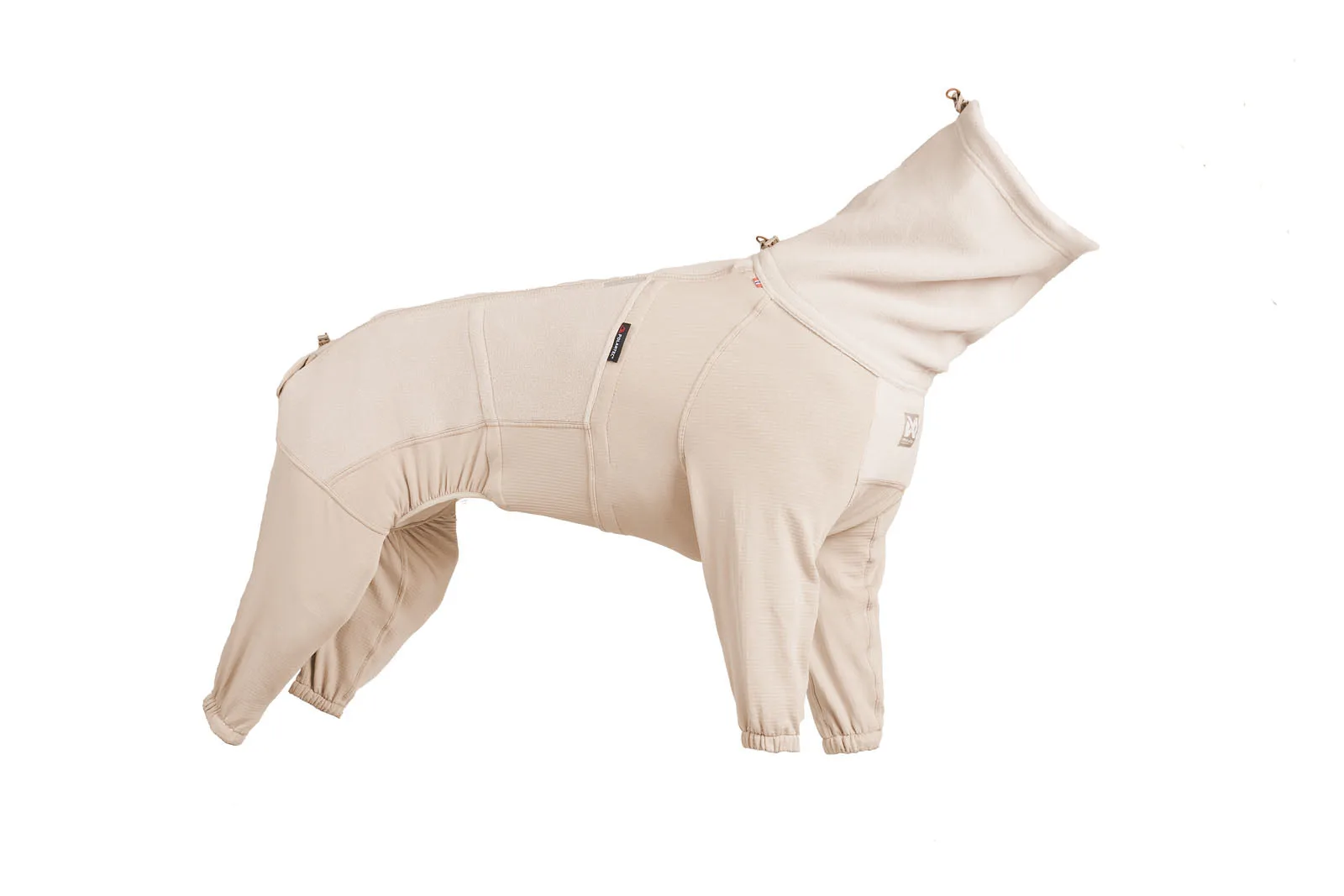
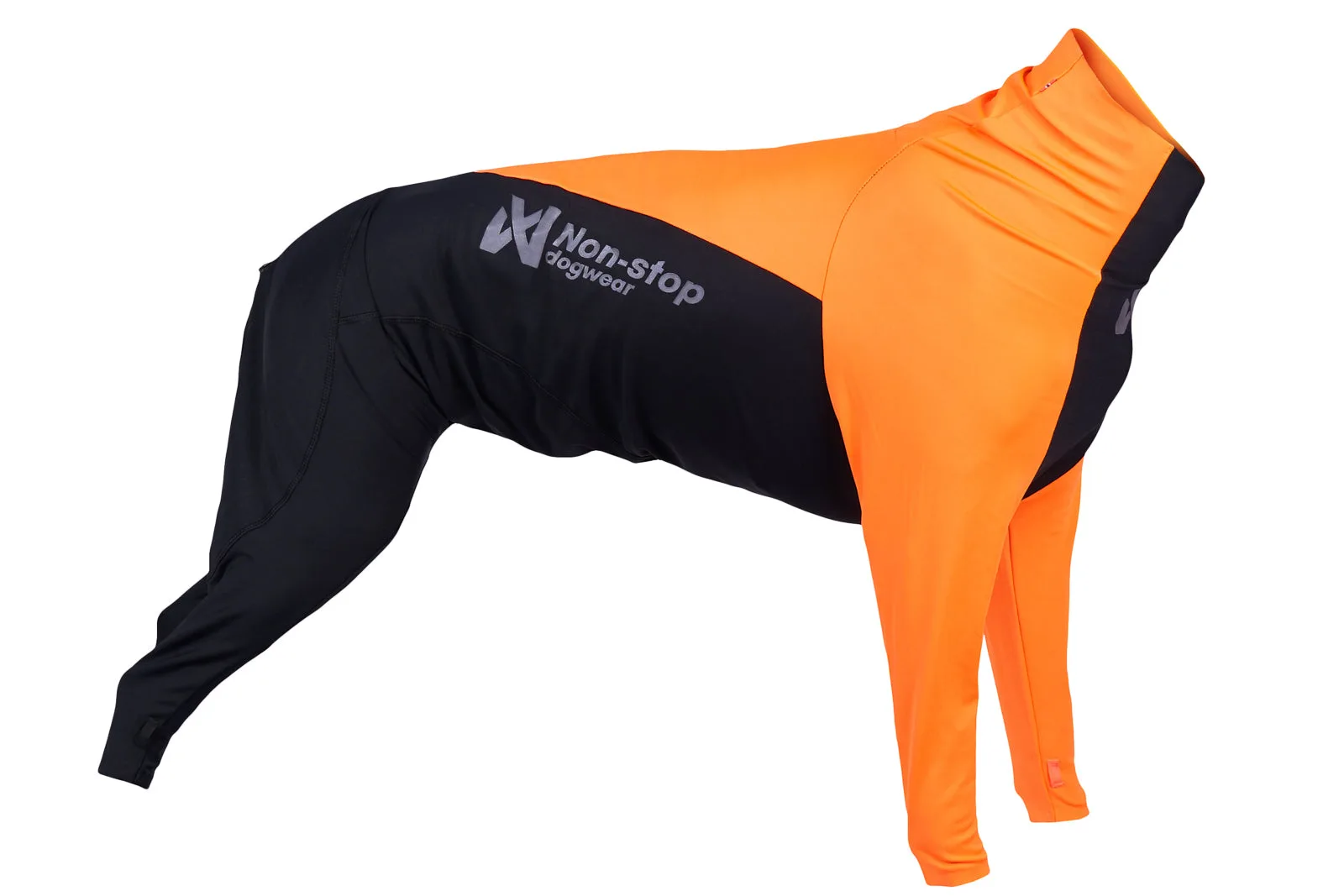
- Protector suit M: Protector suit M is a full-body dog suit that protects from packing snow, mud, ticks, and more, made for year-round use with a lightweight, stretchy design. Accurate sizing ensures the suit allows natural, unrestricted movement while providing full protection.
- Move leash: Move leash is a soft and comfortable, yet solid dog leash developed for an active lifestyle, equipped with a Twistlock carabiner to keep your dog secure. While leashes don't require sizing, a secure carabiner and comfortable design complement a well-fitted harness for safe walks.