Quick answer
Wean gradually, starting with daytime pacifier use and protecting sleep last. Most babies do best when you drop one pacifier moment at a time over two to four weeks, offering extra cuddles, feeding, or a comfort object in place of the pacifier. If your baby is under 12 months, teething hard, or recently started daycare, pause and try again in a few weeks.
Pick your start date and clear the calendar
Choose a two-week window with no travel, no vaccinations, no new childcare arrangement, and no major illness in the house. Pacifier weaning is a habit change, and babies cope better when their routine is otherwise steady. Tell any regular caregivers which pacifier moments you are dropping first so nobody accidentally reintroduces it during a fussy afternoon.
Decide which pacifier moments go first
List every time the pacifier appears in a normal day: morning wake-up, stroller, car seat, diaper changes, fussy evenings, naps, and bedtime. Rank them from easiest to hardest. Daytime boredom or comfort pacifiers usually go first because you can substitute a snack, a song, or a walk. Nap and bedtime are the hardest because the pacifier is tied to falling asleep, so they come last.
Use age as a guide, not a deadline
There is no single correct age to stop pacifier use. Many pediatric dentists suggest reducing pacifier use after the first year and aiming to stop before prolonged sucking starts affecting dental development, but your baby's temperament and health matter more than a calendar. Under 12 months, weaning is often about limiting pacifier use to sleep rather than removing it completely. Between 12 and 24 months, a gradual plan usually works well. After age two, you can add simple choices and praise, which many toddlers respond to.
Wean the nap before the night
Naps are shorter and easier to reset than night sleep, so they are a useful practice run. For the first few days, offer the pacifier only after your baby has been lying down for a few minutes, not the moment they hit the mattress. Then try one nap without it, using the same wind-down routine: dark room, feed or snack, song, and a comfort object. If the nap fails completely, rescue it and try again the next day rather than forcing a fight.
Adjust breastfeeding without derailing it
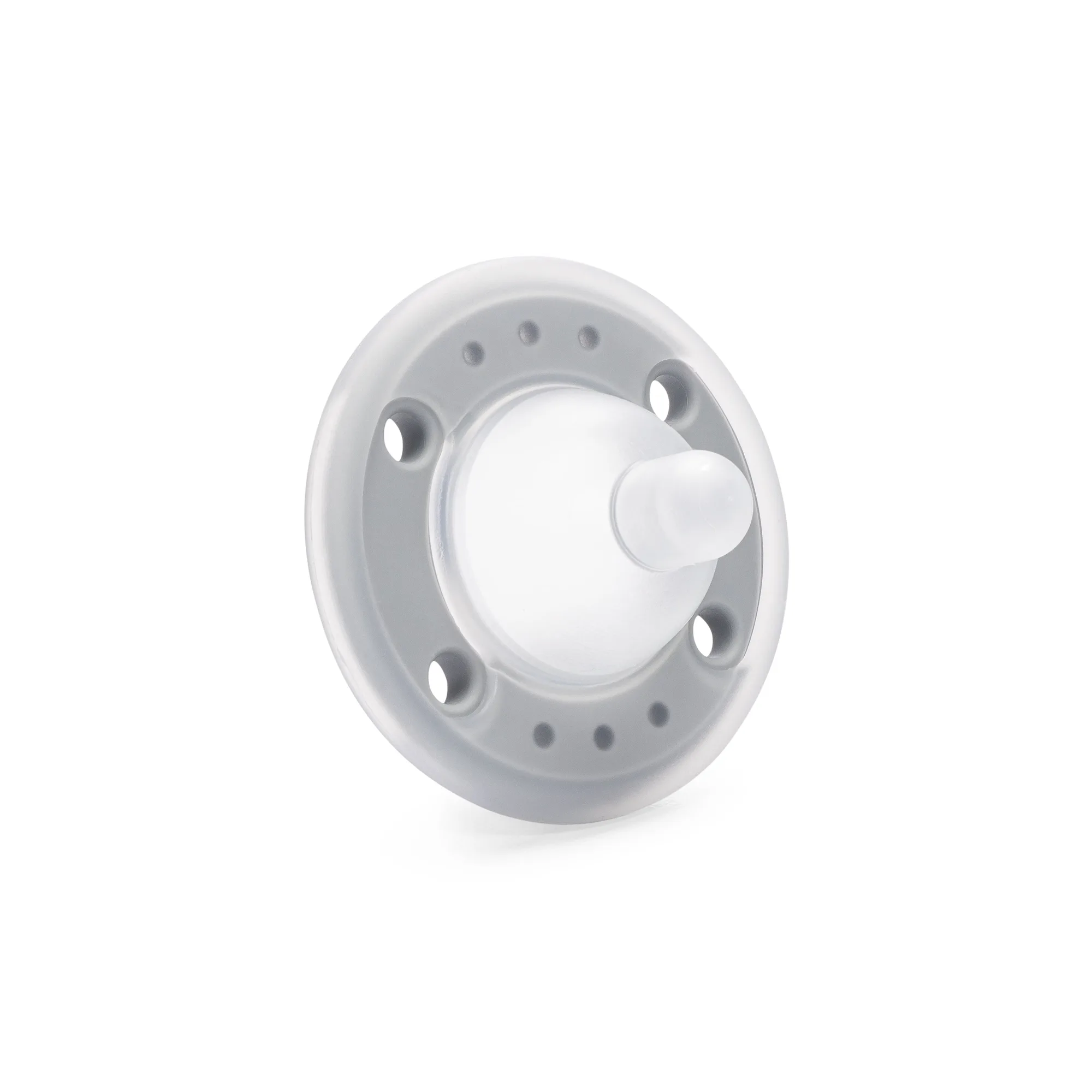
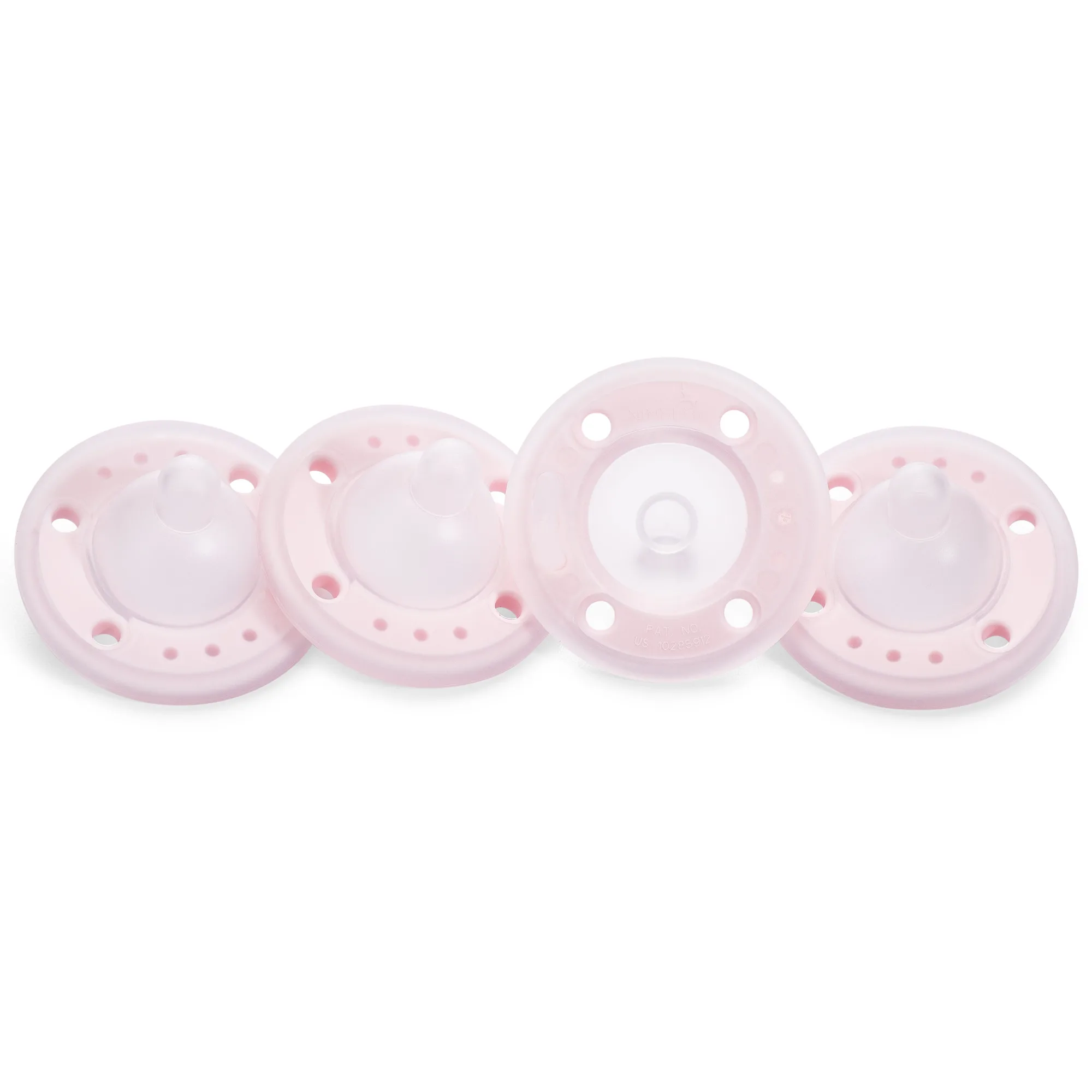
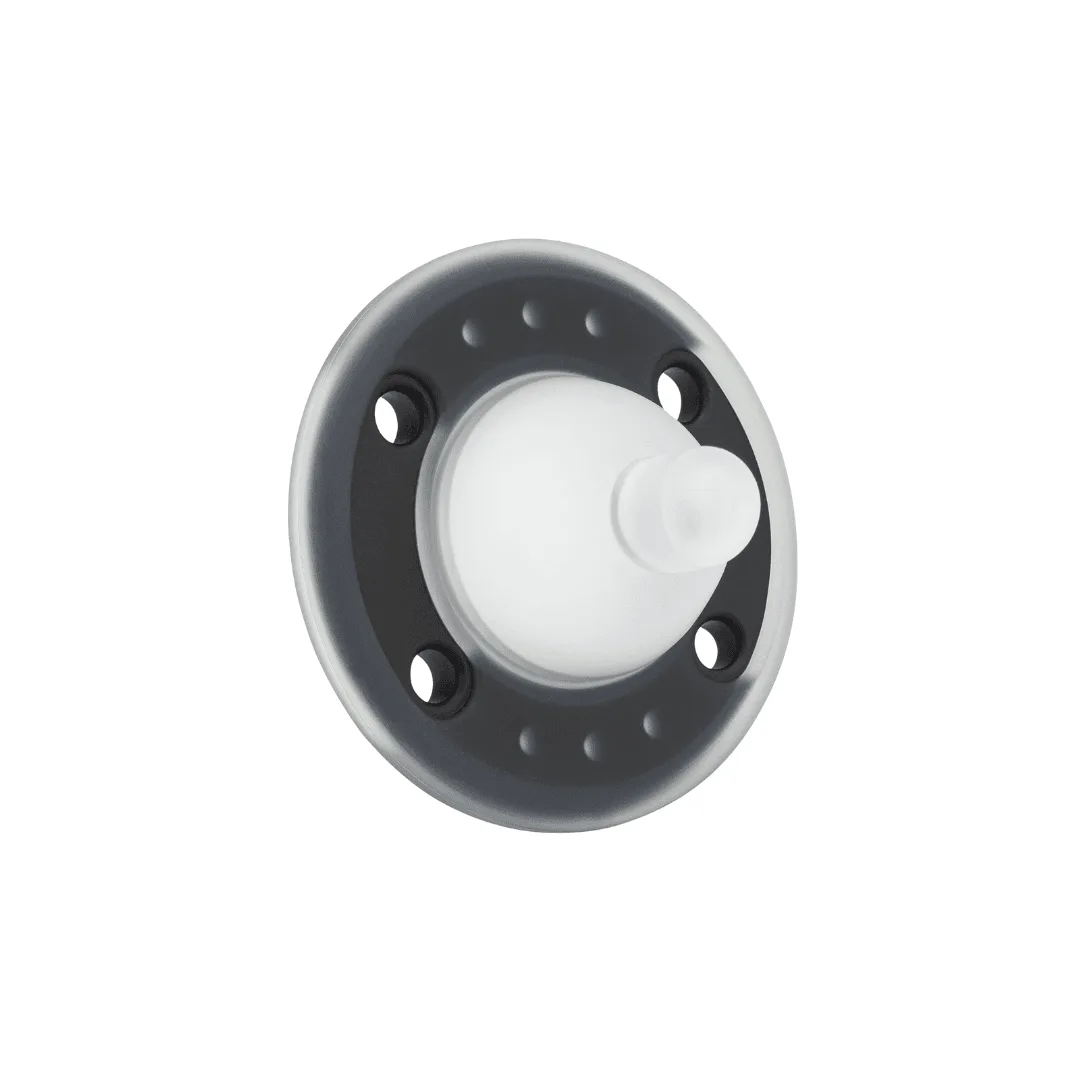
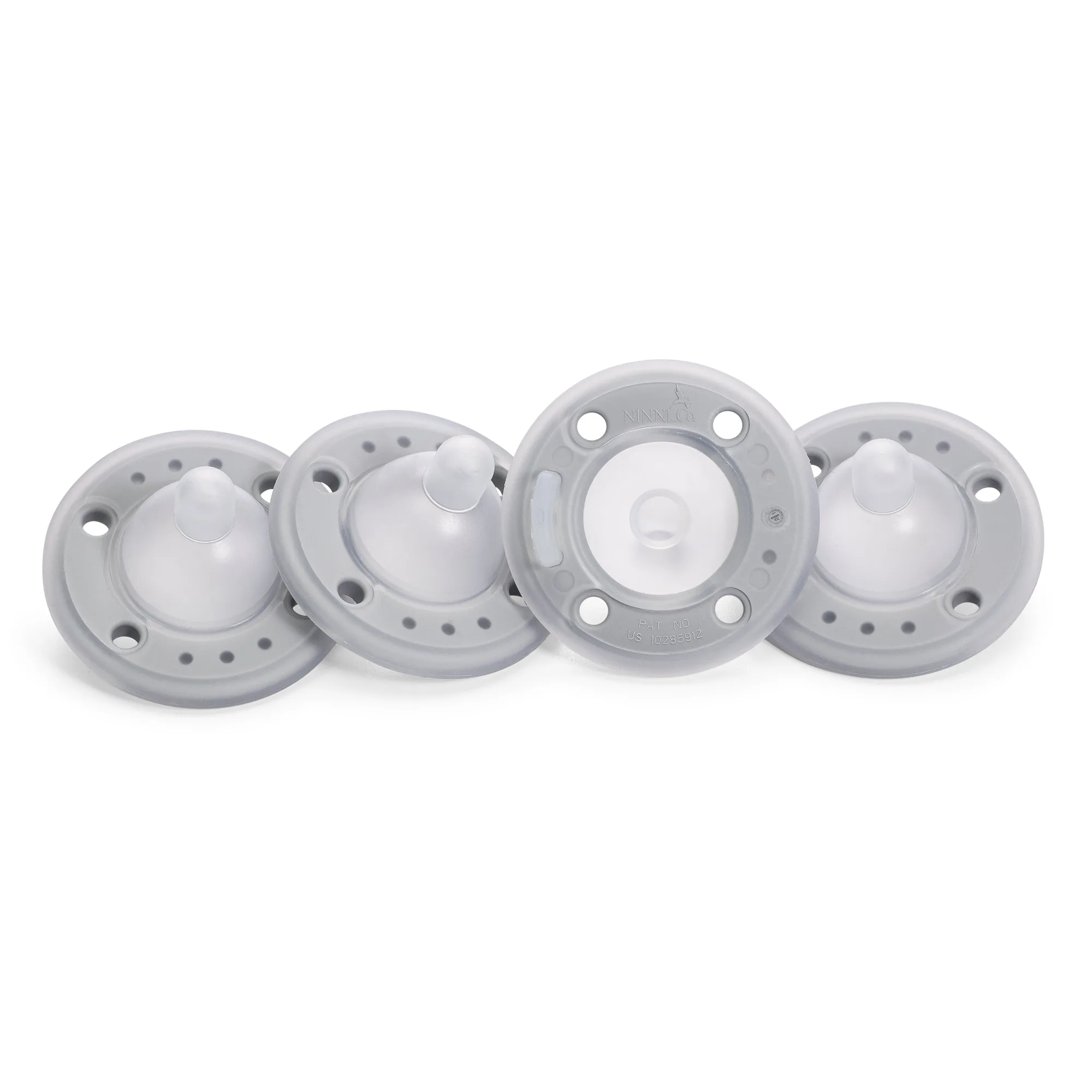
If you are breastfeeding, pacifier weaning can change how often your baby seeks comfort at the breast. Some babies nurse more for a few days, which is normal. Offer the breast when your baby is hungry or clearly needs soothing, and use other comfort tools when they are simply bored or tired. A breastfeeding-friendly pacifier with a round base and a soft, graspable nipple can help babies keep a natural latch during the transition, especially if they still use a pacifier for part of the day.
Handle setbacks without starting over
Expect at least one rough week. Illness, teething, and travel commonly bring the pacifier back. If that happens, give it for the hard moment, then return to your plan once your baby is well. A temporary return does not erase progress. What matters is that the pacifier stays limited to the moments you have not weaned yet, rather than spreading back into the whole day.
Your step-by-step gentle weaning plan
- Step 1: Set a two-week window with no other changes: Block out travel, vaccinations, and new childcare starts. Pick a start date when your baby is healthy and your routine is stable. Checkpoint: if your baby is teething hard or sick, move the start date rather than pushing through.
- Step 2: List every pacifier moment and rank it: Write down each time the pacifier appears in a day, then order them from easiest to hardest. Daytime boredom pacifiers usually go first; bedtime goes last. Common mistake: removing the pacifier at bedtime first, which makes everyone exhausted and often ends the plan early.
- Step 3: Drop the easiest daytime pacifier for three days: Replace that moment with a specific substitute, such as a snack, a song, or a walk. Keep the other pacifier moments unchanged so your baby still has predictable comfort. Checkpoint: if your baby is inconsolable for more than a few minutes at that moment, slow down and stay on this step longer.
- Step 4: Remove the nap pacifier before the night pacifier: Delay offering the pacifier at nap by a few minutes, then try one nap without it using your normal wind-down routine. If the nap fails, rescue it and try again tomorrow. Common mistake: expecting the first pacifier-free nap to be a full-length nap. A shorter nap is still progress.
- Step 5: Keep the pacifier for night sleep while you stabilize: Leave bedtime pacifier use in place for at least three to five calm nights after naps are pacifier-free. This protects sleep while your baby adjusts to the daytime change. Checkpoint: night sleep should be roughly back to normal before you move to the next step.
- Step 6: Shorten the bedtime pacifier, then remove it: Offer the pacifier after your baby is in bed rather than during the story, then remove it once they are asleep. After a few nights, try bedtime without it, using extra rocking, feeding, or a comfort object. Common mistake: going cold turkey at bedtime and then giving the pacifier back at 3 a.m., which teaches your baby that crying long enough brings it back.
- Step 7: Hold the line for two weeks and expect one setback: Keep the pacifier out of the daytime and nap routine, and only use it for genuine illness or travel. If it comes back for a hard week, return to the plan once your baby is well. Next step: once night sleep is pacifier-free for a week, put the remaining pacifiers away in a case so they are not the first thing you reach for.
Products that can support the transition
- Ninni Pacifier Creme 1 Pack: The Ninni Pacifier Creme 1 Pack is a single breast-like pacifier recommended for ages 0-24 months, designed for dental health and packed in a rice paper kraft bag. A single pacifier is useful during weaning because you can keep one comfort option available for the hardest sleep moments without having a drawer full of backups that make it easy to give in.
- Pacifier Case - Slate Gray: The Pacifier Case - Slate Gray is made from BPA-free silicone with a secure zipper closure that keeps pacifiers shielded from dirt. When you are down to one or two pacifiers, a clean case keeps them ready for the moments you still allow, so you are not hunting under the crib or washing a dusty pacifier at 2 a.m.