Quick answer
Start by choosing two to four packing cubes that match your trip length, then pack by category rather than by day: clothes in one cube, small items in a pouch, and bulky layers flat at the bottom of the bag. Roll or fold items to fit the cube's shape, place the heaviest cube closest to the wheels, and keep one cube for dirty laundry. The goal is a bag you can open in a hotel room without unpacking everything.
A carry-on only works when you can find what you need without unpacking the whole bag. Packing cubes turn a loose pile of clothes into labeled, movable compartments, so you can pull out one cube for a meeting and leave the rest untouched. They also make repacking at the end of a trip faster because everything has a home.
This guide walks through a repeatable process for using packing cubes to organize a carry-on, from picking the right cubes to layering them in the bag. Each step includes a checkpoint and a common mistake to avoid. You do not need special gear beyond a few cubes and a bag with a main compartment.
Choose cubes by trip length and bag shape
For a two- to three-day trip, two medium cubes plus a small pouch usually cover clothes and toiletries. For a week, use three cubes: one for tops, one for bottoms, and one for socks, underwear, and sleepwear. Measure your bag's main compartment before buying; cubes that are too wide will not sit flat next to each other, and cubes that are too small waste space. A soft-sided cube compresses better than a rigid one when the bag is full.
Match the cube material to how you pack. Lightweight nylon cubes slide easily and add almost no weight, while structured cubes hold their shape when you open them on a hotel bed. If you pack bulky items like sweaters, a compression cube can save space, but it also makes the bag denser and harder to close if you overfill it. Pick a set with at least one small pouch for cables, chargers, and other loose items.
- Checkpoint: lay your cubes side by side on the floor in the same footprint as your bag's main compartment before you pack anything.
- Common mistake: buying a cube set without checking the internal dimensions of your carry-on, then forcing the zipper closed.
Pack by category, not by day
Packing by day feels organized at home but breaks down on the road. If Monday's outfit is split across three cubes, you unpack all three to get dressed. Pack by category instead: all tops in one cube, all bottoms in another, and small items in a third. This way you can pull one cube for a specific need and leave the rest packed. It also makes it obvious when you have packed too much of one category.
Roll t-shirts, socks, and underwear to fill gaps, and fold structured items like button-downs flat so they do not crease. Place heavier items at the bottom of each cube and lighter items on top. If you use a bundle, put the items you will wear first on top so you are not digging through the cube on day one.
- Checkpoint: after packing, each cube should close without force and hold only one category of item.
- Common mistake: mixing clean and dirty clothes in the same cube, which makes the whole cube feel used after one day.
Layer cubes in the bag for balance and access
Put the heaviest cube closest to the wheels or the bottom of the bag, then stack lighter cubes on top. This keeps the bag stable when you roll it and prevents it from tipping when you open it standing up. If your bag has a front pocket or a laptop sleeve, keep that area for items you need at security or on the plane, not for cubes. A slim pouch for chargers and a travel wallet can sit in the front pocket for quick access.
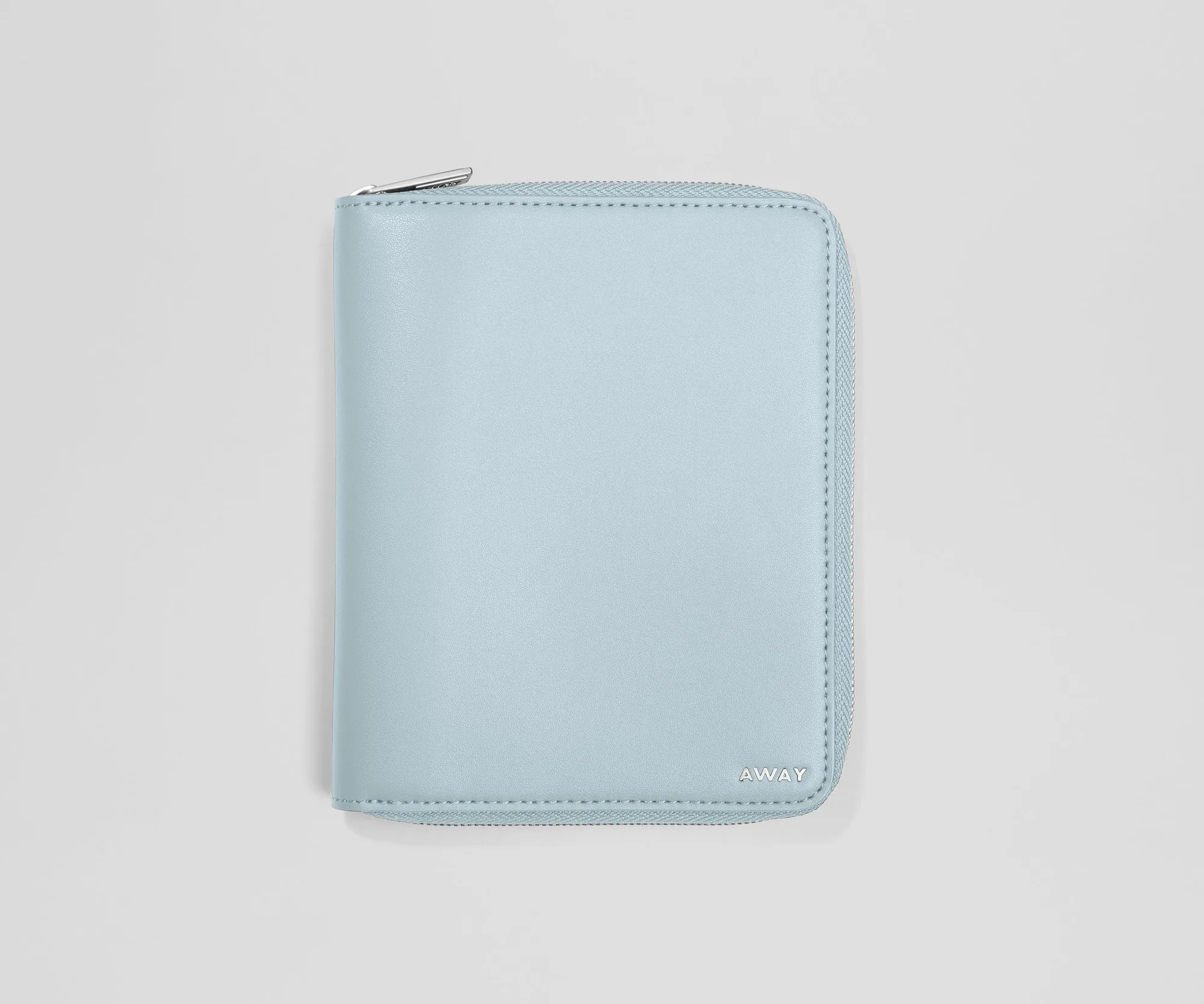
travel wallet
Leave a little empty space at the top of the main compartment. A bag packed to the zipper line is hard to close and has no room for a jacket you take off mid-trip. If you use a carry-on with a compression panel, place cubes so the panel can press down evenly rather than on one corner.
- Checkpoint: close the bag and roll it a few feet; if it tips or feels top-heavy, move the heaviest cube lower.
- Common mistake: packing cubes so tightly that the bag's own compression system cannot work.
Use one cube for laundry and keep a repacking routine
Designate one cube, ideally a small or medium one, as the laundry cube. As clothes get dirty, move them into that cube instead of mixing them back into clean categories. This keeps the rest of the bag fresh and makes unpacking at home simple. If you are traveling with a partner, give each person their own set of cubes so you are not sorting socks in a hotel room.
At the end of each trip, repack the cubes before you put the bag away. Fold or roll items back into their categories, wipe down the cubes if needed, and store them inside the carry-on so they are ready for the next trip. This routine takes a few minutes and saves you from starting from scratch every time.
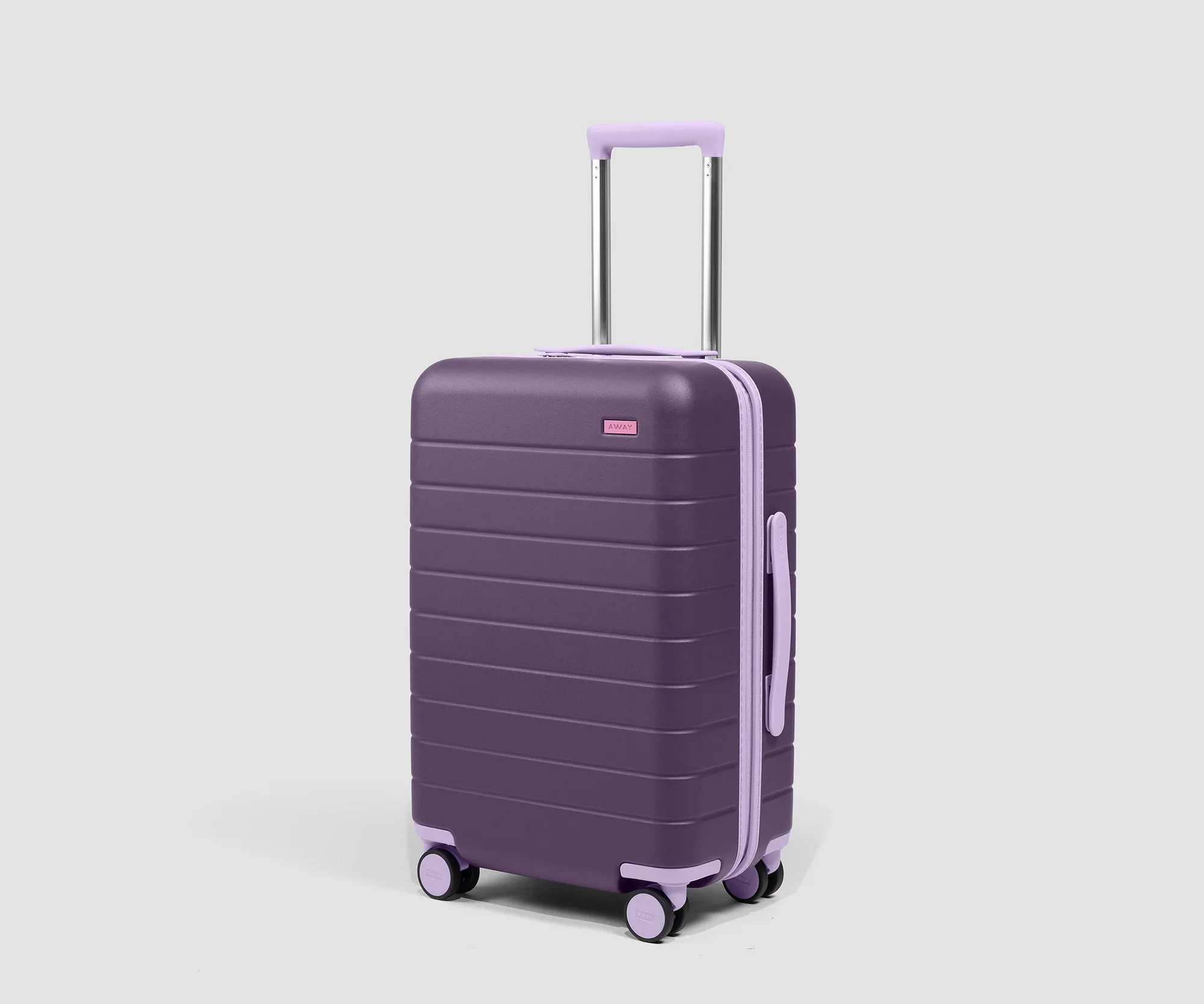
the carry-on
- Checkpoint: when you return home, the laundry cube should be the only cube with dirty items.
- Common mistake: leaving cubes empty and loose in the bag, which wastes the space they could organize on the next trip.
Your packing cube routine, step by step
- Step 1: Sort by category: Lay out everything you plan to bring and group it into tops, bottoms, small items, and toiletries. This shows you what you actually have before you commit to cubes. Checkpoint: if one category fills more than one cube, remove items until it fits.
- Step 2: Match cubes to categories: Assign one cube per category and keep the smallest pouch for chargers and cables. Do not mix categories in a single cube, even if there is empty space. Checkpoint: each cube should have a clear label in your head, like tops or laundry.
- Step 3: Pack each cube with a method: Roll soft items and fold structured ones, placing heavier pieces at the bottom of the cube. Fill gaps with socks or underwear so the cube keeps its shape. Checkpoint: the cube closes without straining the zipper.
- Step 4: Load the bag heaviest-first: Place the heaviest cube near the wheels or bottom of the carry-on, then stack lighter cubes on top. Keep tech and documents in the front pocket, not in the main stack. Checkpoint: the bag stands and rolls without tipping.
- Step 5: Repack at the end of each day: Move dirty clothes to the laundry cube and return clean items to their category cube. This keeps the bag organized for the next morning. Checkpoint: only the laundry cube holds dirty items.
Products that support this packing method
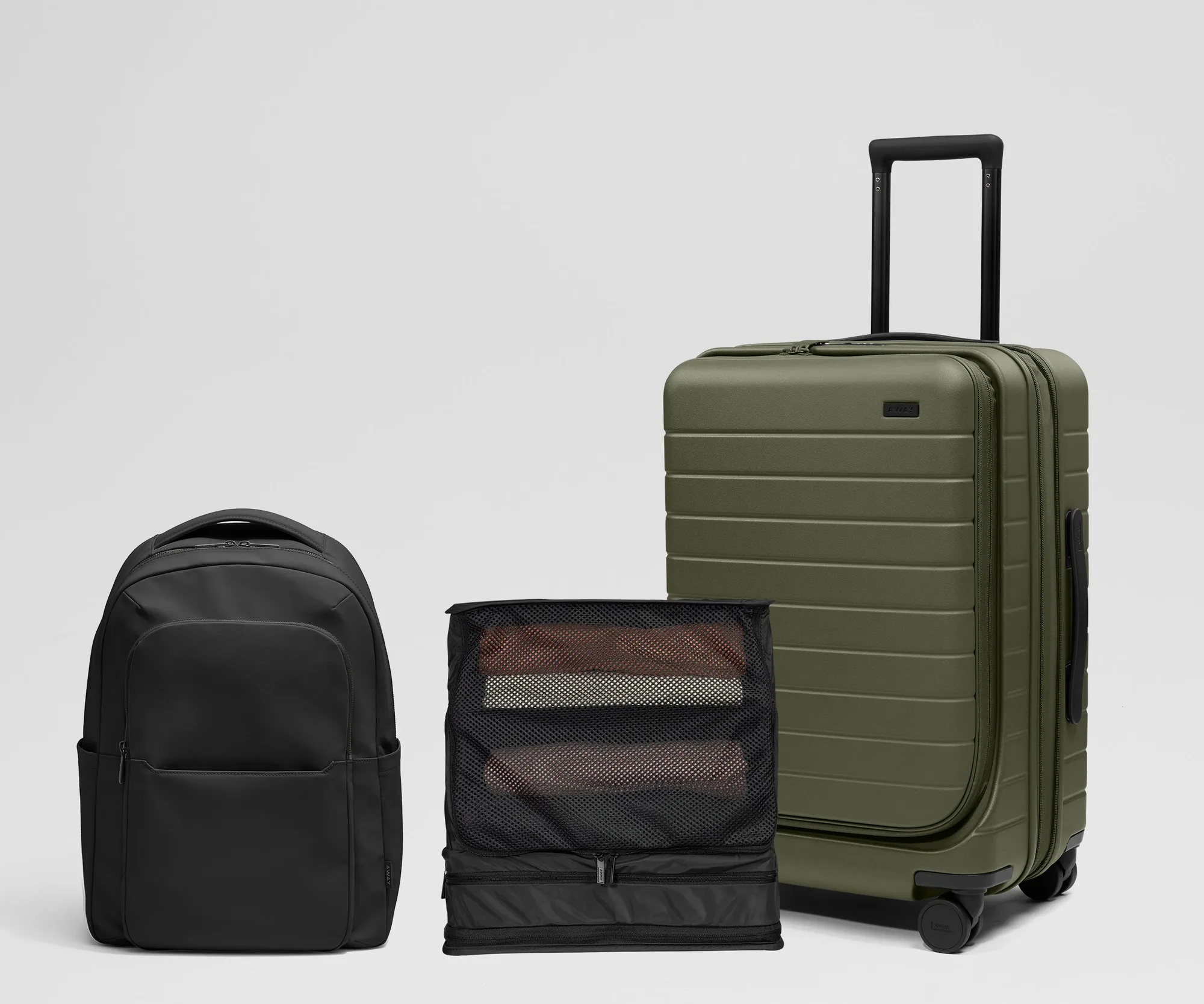
- The Carry-On Travel Set: A streamlined travel system designed to keep you moving efficiently through every trip, with smart organization and lightweight versatility for weekend getaways and quick work trips. The set gives you a carry-on and matching pieces that work together, so cubes fit a known interior rather than a random bag.
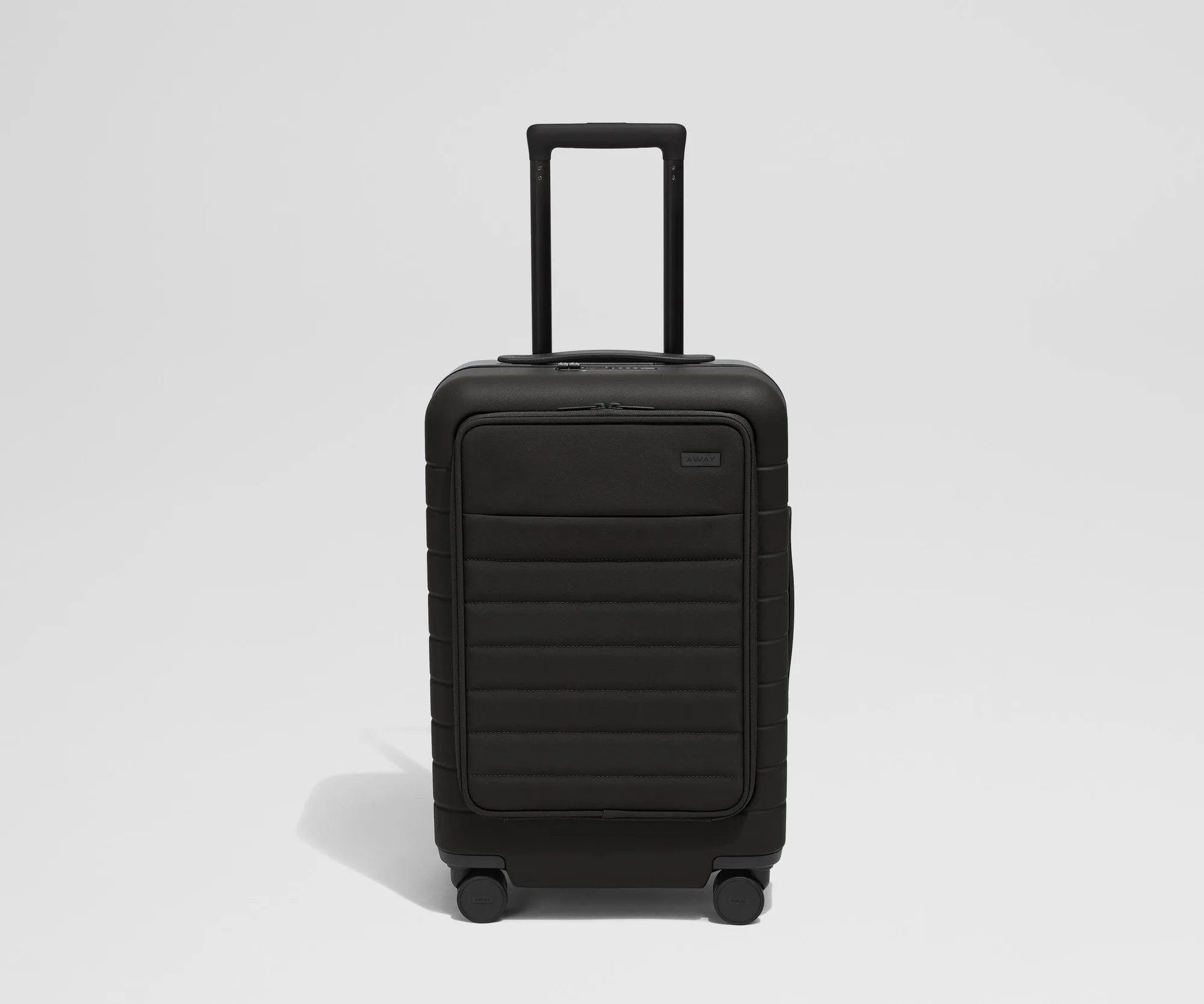
- The Executive Carry-On: Offers a spacious front pocket with dedicated sleeves for a 14-inch laptop, phone, and passport, plus a main compartment with room for multiple outfits. The front pocket keeps tech and travel documents out of the cube stack, so you can reach them at security without unpacking.
- Travel Wallet in: Crafted with 51% smooth recycled leather and built to hold up to four passports, five credit cards or IDs, plus a zippered pocket for coins and small essentials. A single wallet for passports and cards replaces loose pouches in your cubes and keeps boarding passes easy to find.
Packing cubes work best when you treat them as movable drawers, not as extra bags. Sort by category, load the heaviest cube low, and keep one cube for laundry. With that routine, your carry-on stays organized from the first flight to the last hotel room.