Quick answer
Organize a crossbody bag by dividing it into three zones: daily essentials in the main compartment, flat items in a slip pocket or insert, and rarely used items in a separate pouch. For a small crossbody, keep the load to about five core items and choose a style with compartments or card slips so small pieces do not sink to the bottom.
Start with the bag you actually carry
Your everyday crossbody setup should match the bag's real shape. A slim crossbody with a drawstring closure and a shallow depth holds less than a structured bag with two compartments, so the same packing list will not work in both. Check the depth before you add a pouch or insert; a bag that is only about three-quarters of an inch deep will not close comfortably around a bulky organizer.
If your crossbody has a strap drop around 17 inches, it sits near the hip, which means you can reach the main opening without lifting the bag. That is a good sign the bag rewards front-pocket organization rather than deep, stacked packing.
Build a five-item core kit
Most small crossbody packing problems come from carrying too many loose objects. Limit the core kit to phone, wallet or cardholder, keys, one lip product, and a compact pouch for anything else. If you carry a cardholder instead of a full wallet, you free up a surprising amount of room in a narrow bag.
For a crossbody with interior card slips, use those slips for transit cards or a frequently used debit card instead of adding a separate wallet. That keeps the flat items flat and leaves the main space for your phone and keys.
Use a crossbody bag insert only when the shape allows it
A crossbody bag insert works best in bags with a wide, flat base. In a very slim crossbody, a full insert can make the bag bulge and strain the closure. A felt insert with low sides is usually a better fit than a rigid box because it holds its shape without pressing against the fabric.
If an insert will not fit, use two small pouches instead: one for keys and one for cables or medication. The goal is to stop small items from migrating to the bottom, not to fill every inch of the bag.
Assign each zone a job
Keep the main compartment for items you touch every hour. Put flat items in the rear slip pocket or the card slips, and place anything you need only occasionally in a front or side pouch. This zoning is the core of crossbody bag organization because it means you never dig through the whole bag for one item.
A backpack can follow the same logic on a larger scale: main compartment for daily carry, front pocket for small tools, and a dedicated spot for keys. The principle does not change with bag size.
Reset the bag once a week
Empty the bag completely, wipe the interior, and remove anything you did not use that week. Receipts, extra pens, and backup chargers are the most common clutter. A two-minute weekly reset is enough to keep the bag from slowly filling with non-essentials.
Check the closure and strap attachment points during the reset. A drawstring closure can loosen over time, and a strap that has started to twist is easier to fix before it becomes a daily annoyance.
Seven steps to a crossbody you can actually navigate
- Empty the bag completely: Turn the bag upside down and remove every item, including receipts and loose cards. Wipe the interior with a dry cloth. Checkpoint: if you find three or more items you forgot were in the bag, your daily load is too heavy.
- Sort into keep, relocate, and remove: Keep only what you used in the last seven days. Relocate backup chargers and full-size wallets to a backpack or tote. Remove trash and expired items. Common mistake: keeping a full wallet in a small crossbody when a cardholder would do.
- Measure the depth before adding an insert: Lay a ruler across the bottom of the bag. If the depth is under one inch, skip a rigid insert and use flat pouches instead. Checkpoint: the bag should close without pressure on the closure.
- Place flat items in slips or a rear pocket: Put cards in the interior card slips and cash or a transit pass in a flat pocket. This keeps the main compartment free for bulkier items. If your bag has no slips, use a slim cardholder rather than a zip wallet.
- Load the main compartment front to back: Place your phone against the back wall, keys in a small pouch in the middle, and anything you rarely use toward the front. Common mistake: dropping keys loose so they scratch the phone screen.
- Test the reach without looking: Close the bag, then open it and find your phone, keys, and card without looking inside. Adjust placement until each item is reachable in one motion. Checkpoint: if you need two hands and a look inside for any core item, move it.
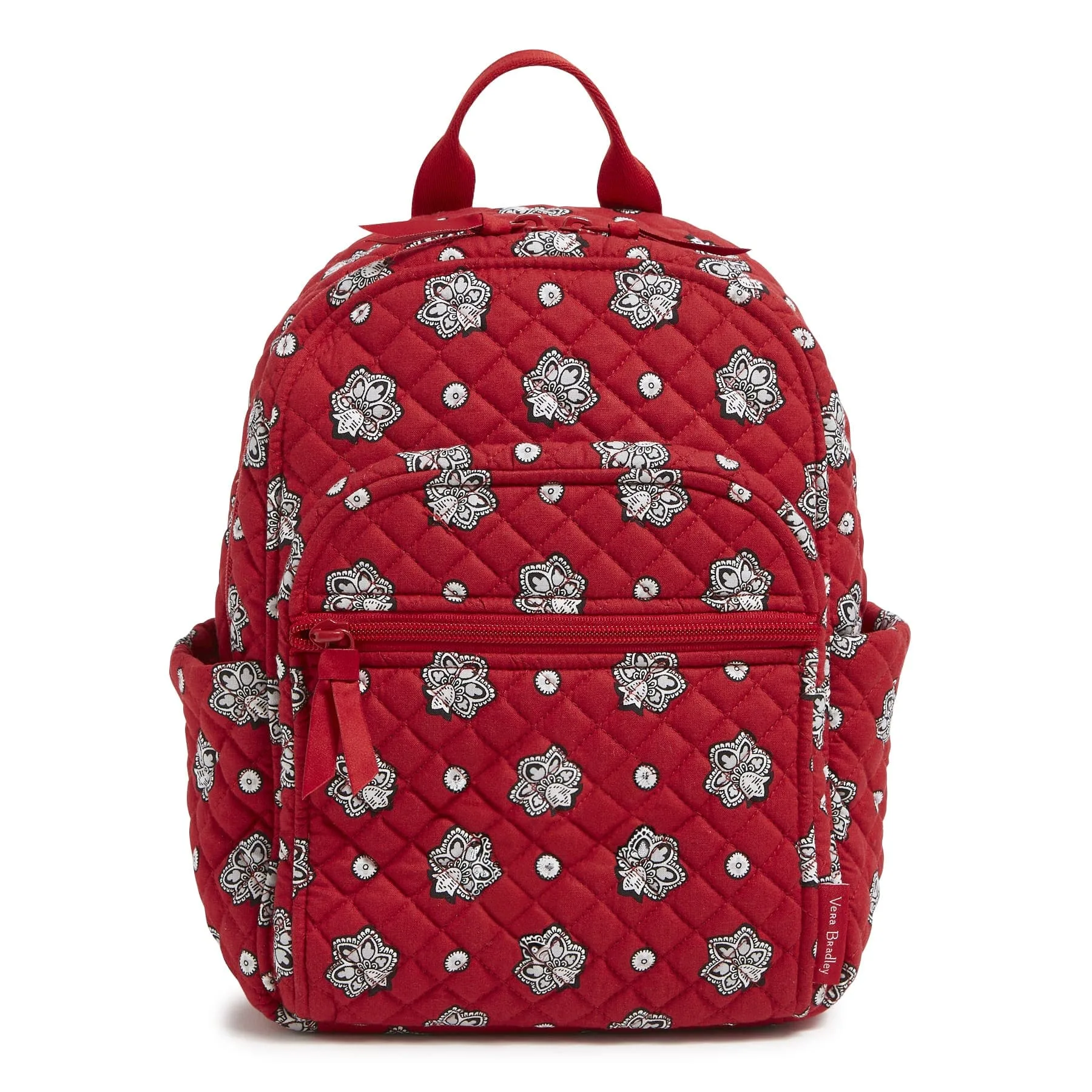
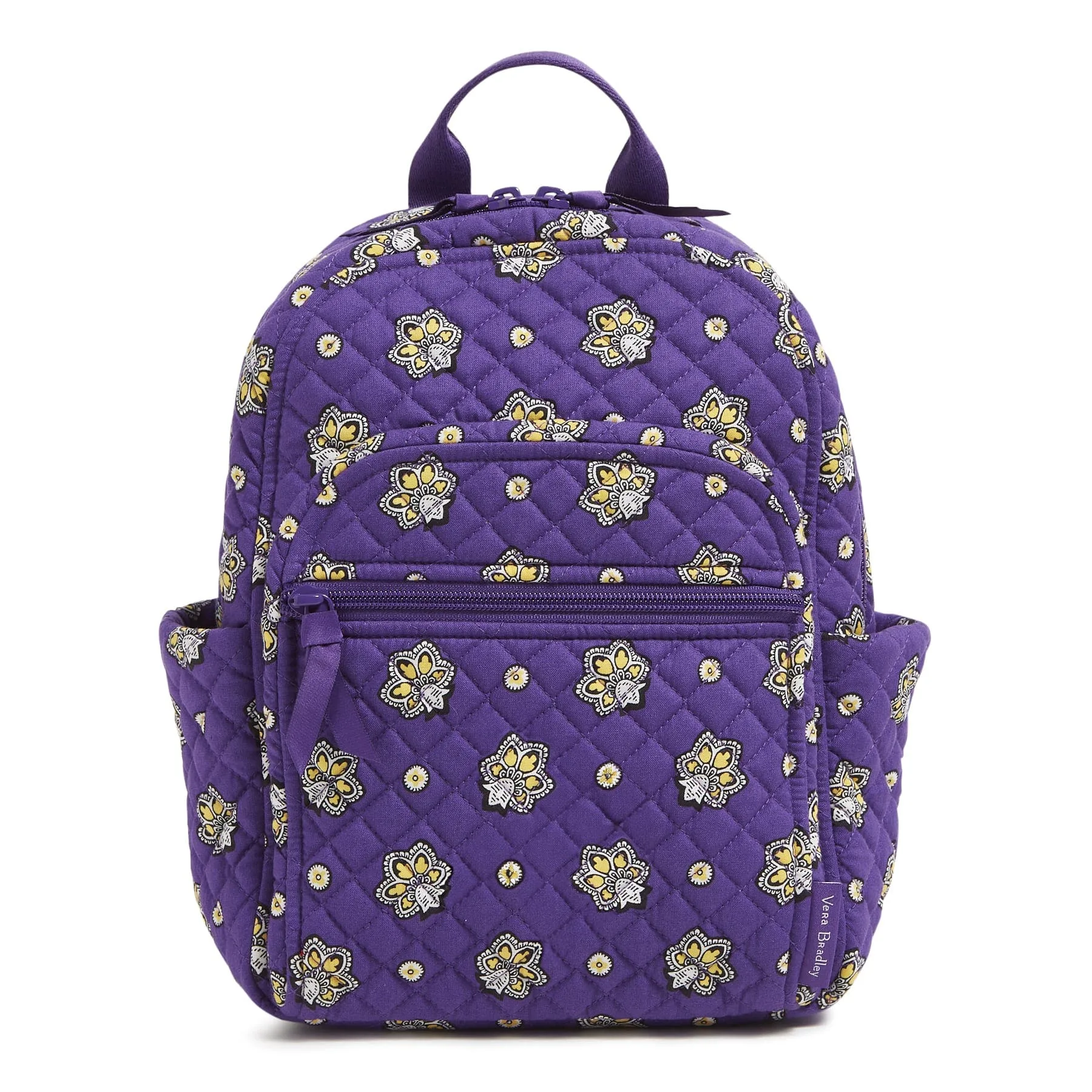
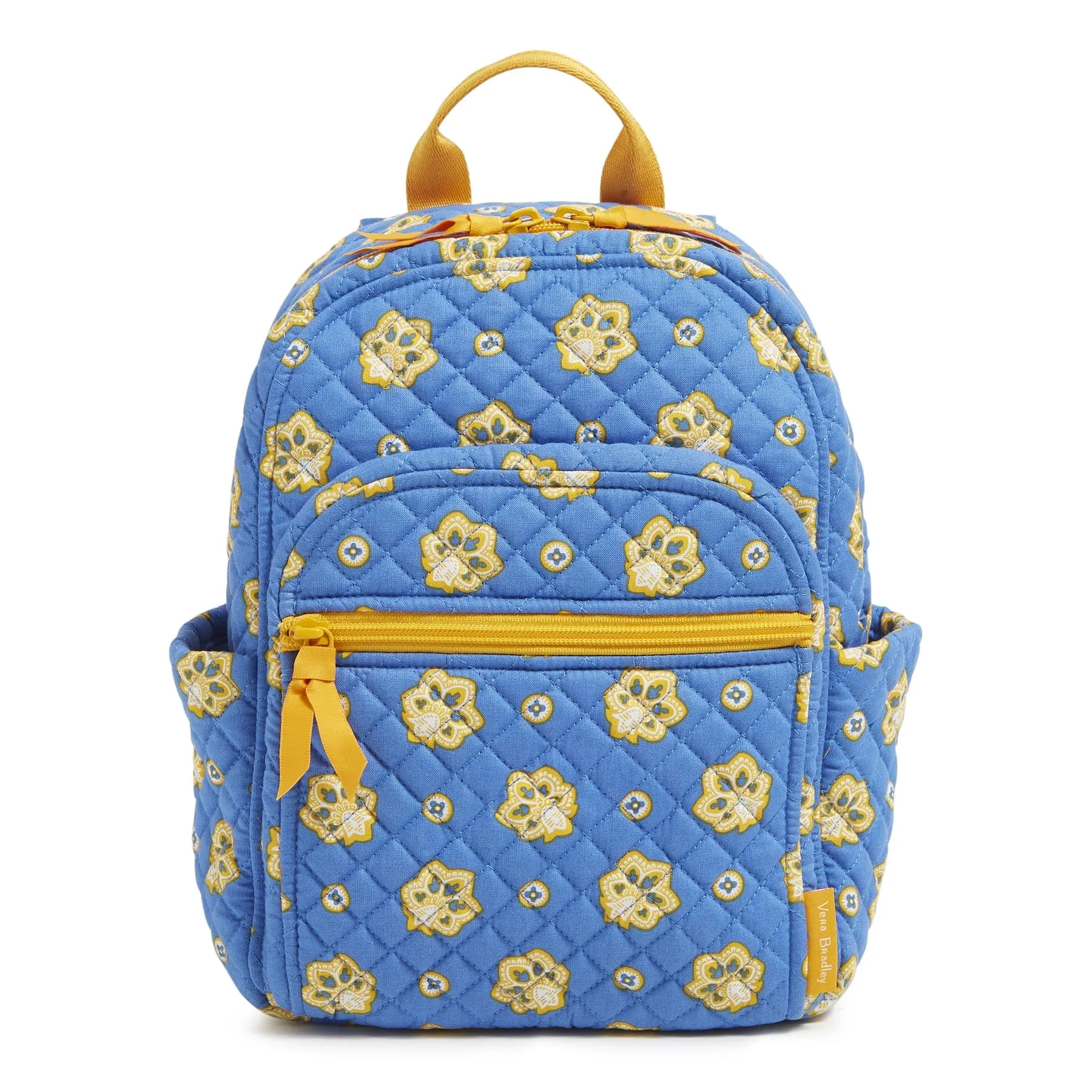
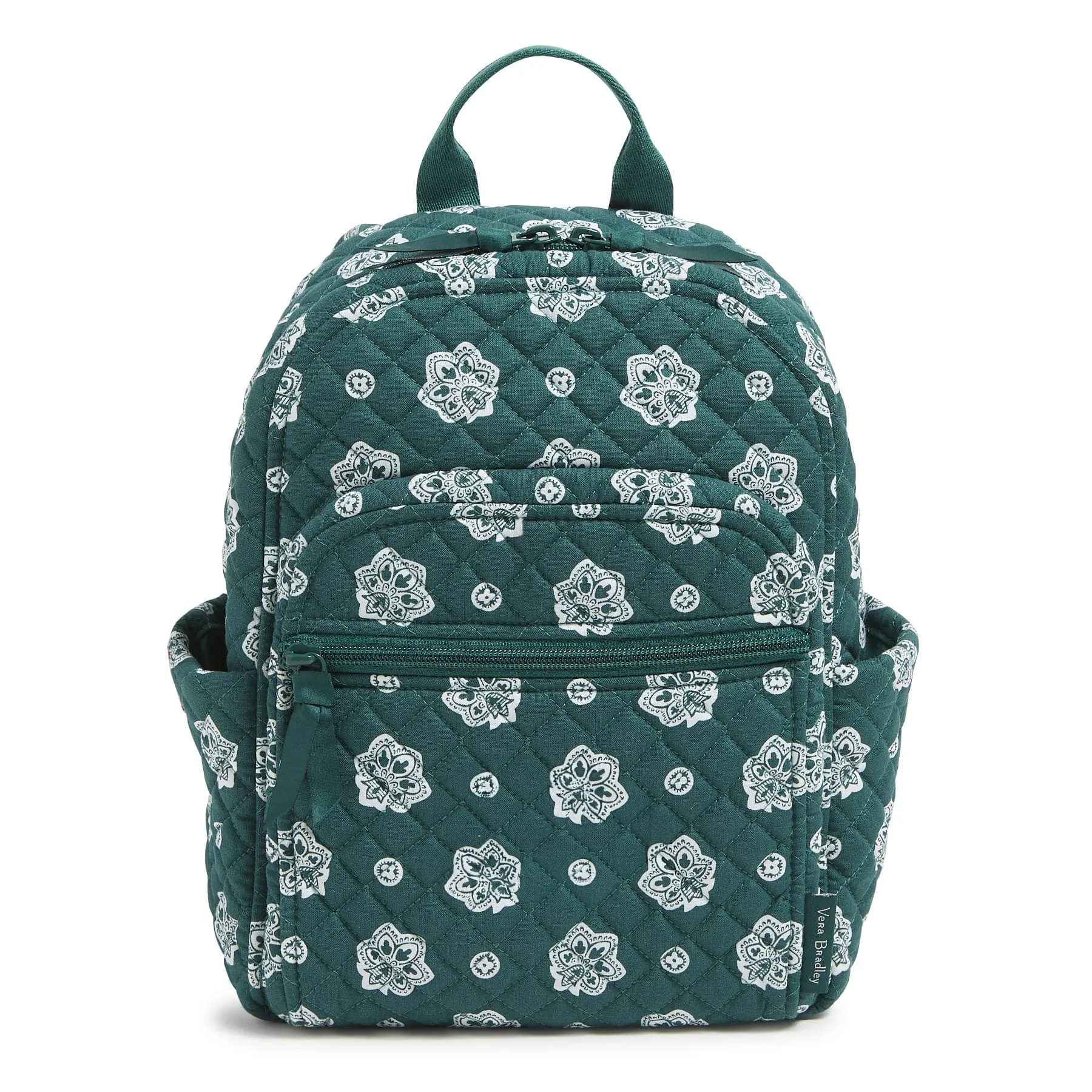
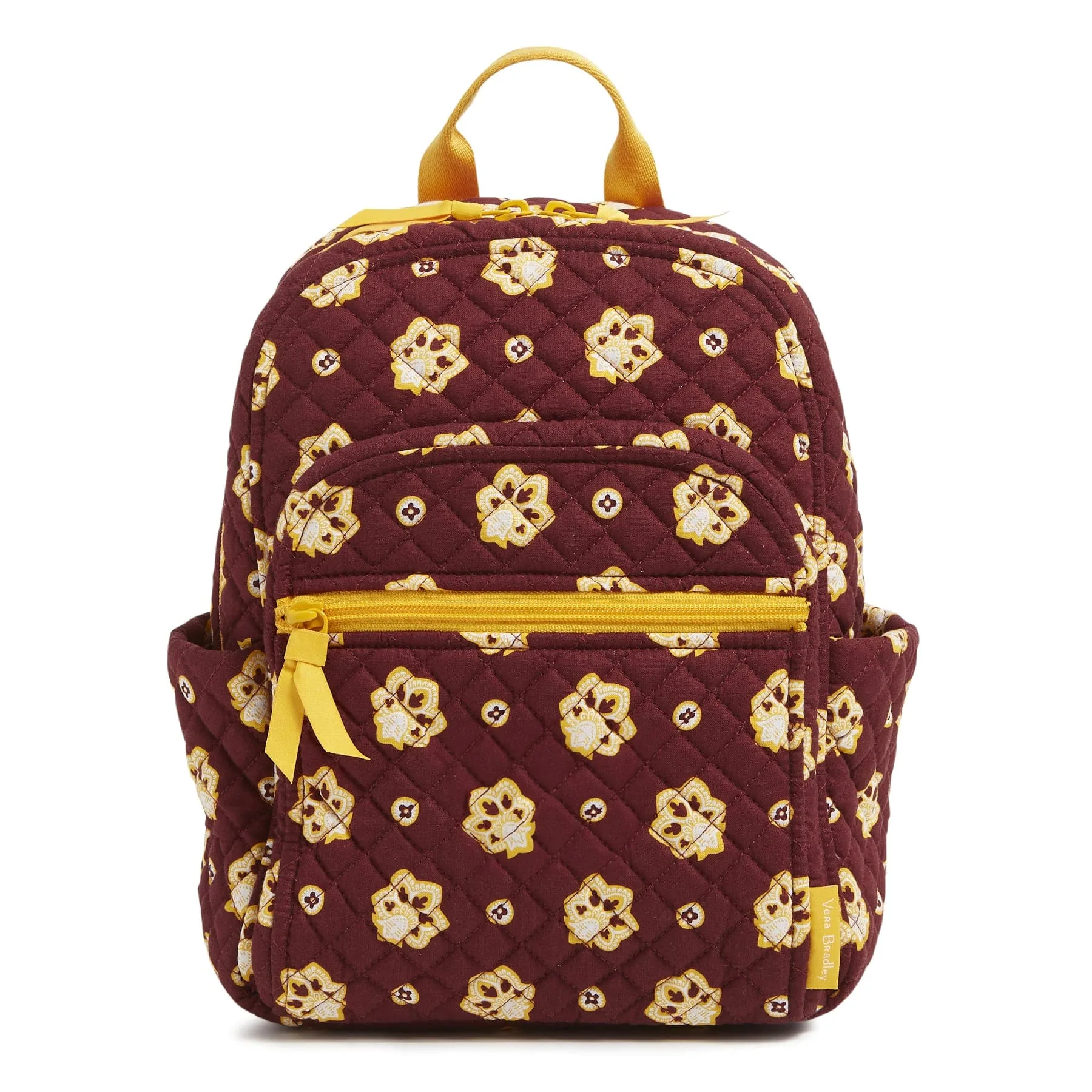
- Reset weekly and check hardware: Repeat the empty-and-sort step every week, and inspect the strap, closure, and seams while the bag is empty. Next step: if the bag stays overcrowded after two resets, move up to a https://verabradleyoutletex.com/products/small-backpack-27513081-7107f8227e372d13144ac72f-1639791https://verabradleyoutletex.com/products/small-backpack-3889018730-5e3b6847ee8a3c50ada22576-1639805https://verabradleyoutletex.com/products/small-backpack-3889018736-85c8191ddce6c1d060bf7d28-1639816https://verabradleyoutletex.com/products/small-backpack-3889018733-45c02c67b86da966e7167a13-1639838small backpack.
Bags that make organization easier
- NFL RFID Small Stadium Crossbody Bag: This small crossbody provides RFID protection for credit and debit cards and has two interior compartments plus three card slips. The card slips and compartments let you separate cards, cash, and your phone without adding a wallet, which is exactly what a small crossbody needs.
- Outlet Slim Easy Crossbody: The Outlet Slim Easy Crossbody has a drawstring closure, measures 5.5 inches wide by 8.25 inches high by 0.75 inches deep, and weighs 0.08 pounds. The very slim depth means a bulky insert will not fit; use flat pouches and card slips instead, and keep the load light so the drawstring closes cleanly.
- Small Backpack: The Small Backpack measures 9.0 inches wide by 12.0 inches high by 4.75 inches deep and has adjustable straps. If your crossbody essentials regularly overflow, this small backpack offers more depth for a pouch-based setup while still keeping your hands free.