Quick answer
Use a dedicated ruler storage rack to keep your quilting rulers upright, visible, and within easy reach. Choose the size that fits your collection and workspace, then arrange rulers by frequency of use.
Why a dedicated rack beats a drawer or bin
Stacking rulers in a drawer or bin leads to scratches, bent edges, and wasted time hunting for the right size. A vertical rack holds rulers on edge so you can see every option at a glance. The non-slip base keeps the rack stable even when you pull out a ruler quickly.
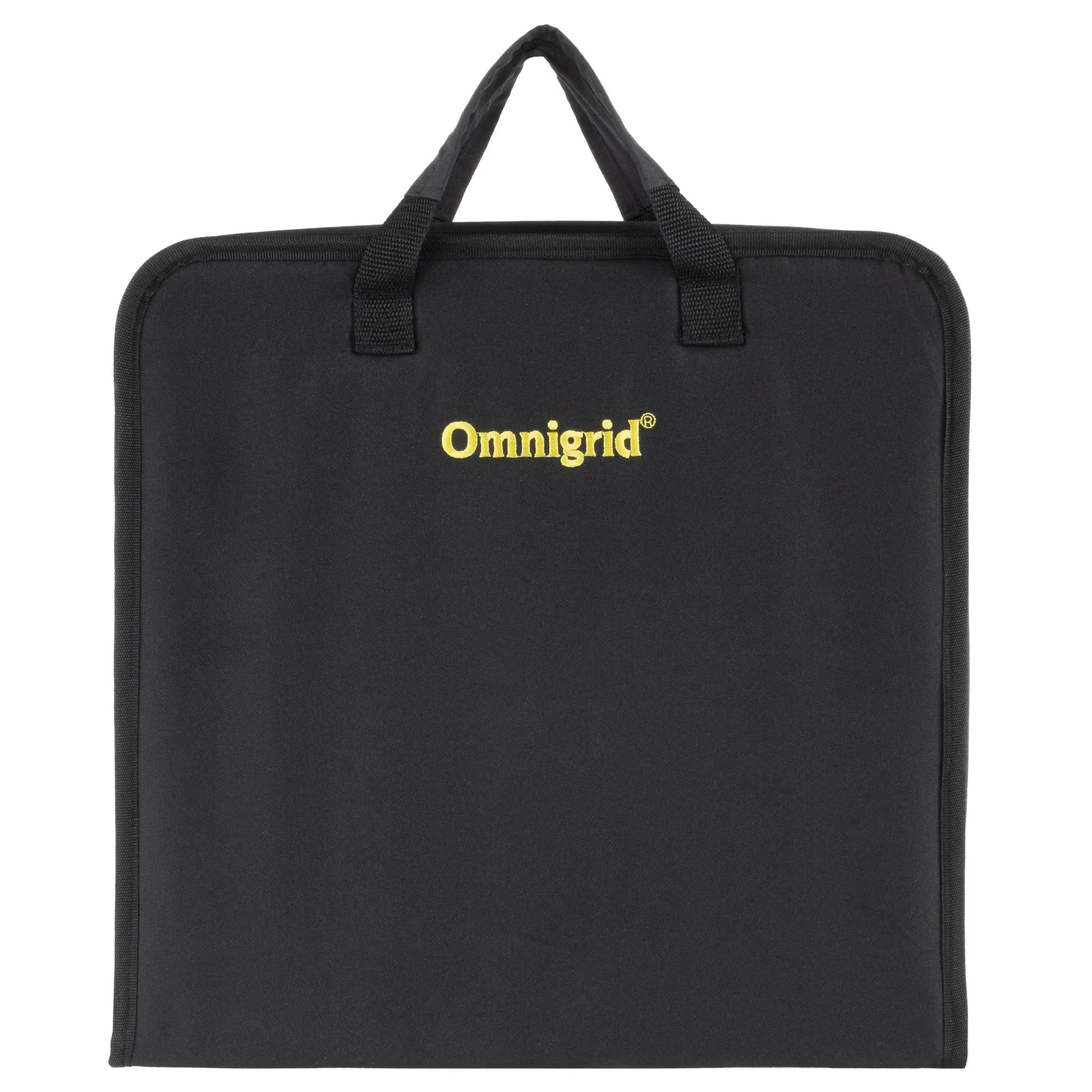
If you travel to classes or retreats, a portable option like the Quilters Travel Case can double as both storage and transport. For a stationary home setup, a rack that sits on your cutting table or shelf works best.
Steps to organize your rulers with a storage rack
- Measure your ruler collection: Lay out every ruler you own and note the longest length and widest width. This tells you whether a full-size rack (13-5/8" tall) or a mini (about one-third that height) fits your set. Common mistake: buying a rack that is too short for your longest ruler, leaving it to lean or stick out.
- Choose the rack location: Place the rack on a stable surface near your cutting mat or sewing machine. The non-slip base on OmniRack models helps keep the rack from sliding when you pull out a ruler. Checkpoint: make sure the spot is free of overhead cabinets that could block tall rulers. A location within arm's reach of your cutting area saves you from walking back and forth.
- Arrange rulers by frequency of use: Put the rulers you grab most often—like a 6" x 24" or a square ruler—in the front slots. Less-used specialty rulers can go in the back or in horizontal slots. Common mistake: filling every slot randomly, which makes you search for the right size later.
- Use the catch-all compartments for small tools: Drop rotary cutter blades, seam rippers, or marking pens into the integrated compartments. This keeps small items from getting lost in a drawer and puts them next to the rulers you use them with. Checkpoint: avoid overfilling the compartment so you can still grab a tool quickly.
- Expand with a mini rack if your collection grows: If you outgrow the full-size OmniRack, add a Mini OmniRack next to it. The two racks share the same footprint and can sit side by side without taking up extra table width. Common mistake: buying a second full-size rack when a mini would fit the overflow rulers just as well.
Storage solutions that work
-
OmniRack Ruler Storage: The OmniRack Ruler Storage features vertical and horizontal slots for ruler placement versatility and an integrated catch-all compartment for small tools. You can store both long and short rulers in the same rack, and keep scissors or marking tools right next to them.
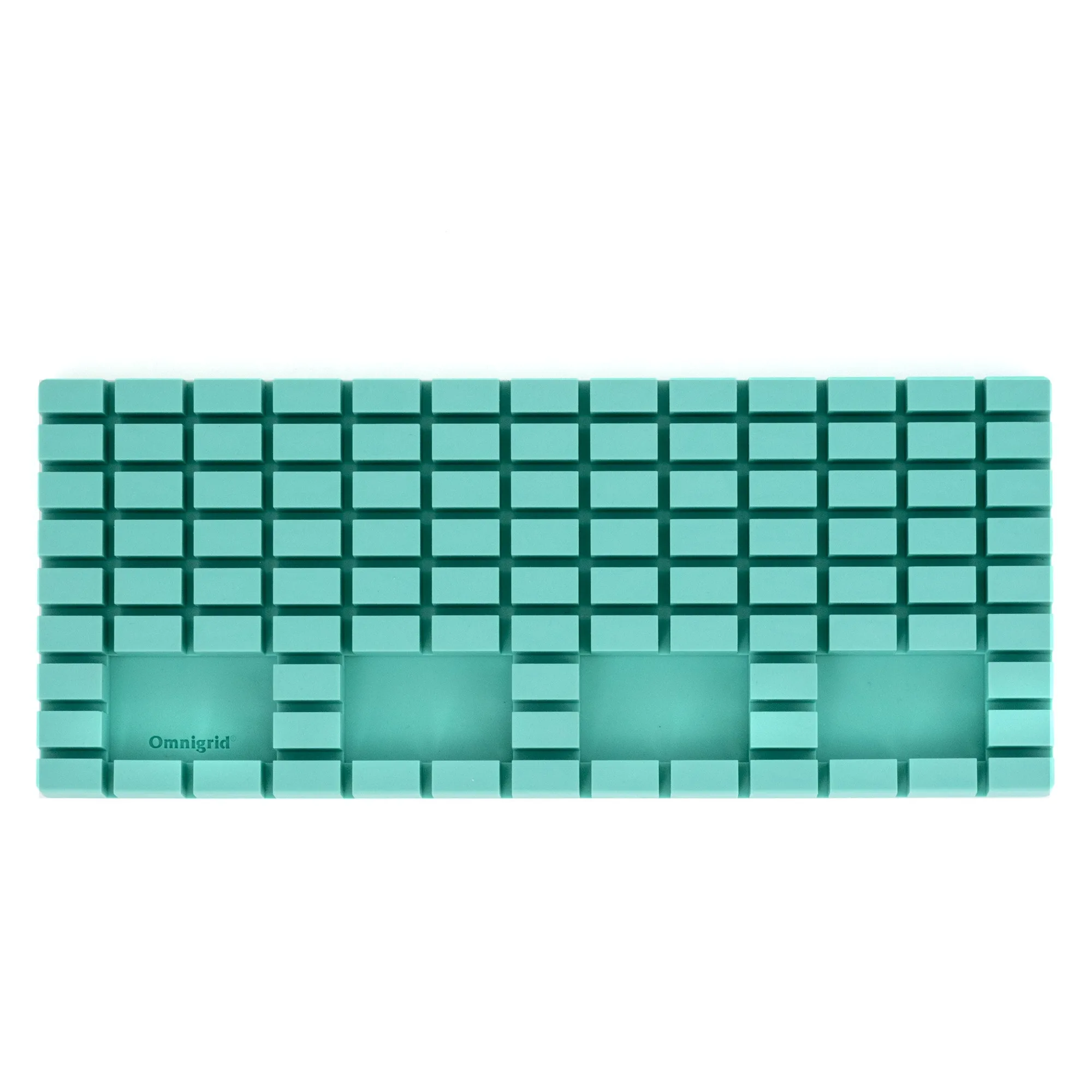
OmniRack Ruler Storage
-
Mini OmniRack Ruler Storage: The Mini OmniRack is one-third the size of the original, built for portability or tight spaces, and can be used alone or alongside the full-size rack. If your ruler collection is small or your cutting area is cramped, the Mini saves space without sacrificing organization.
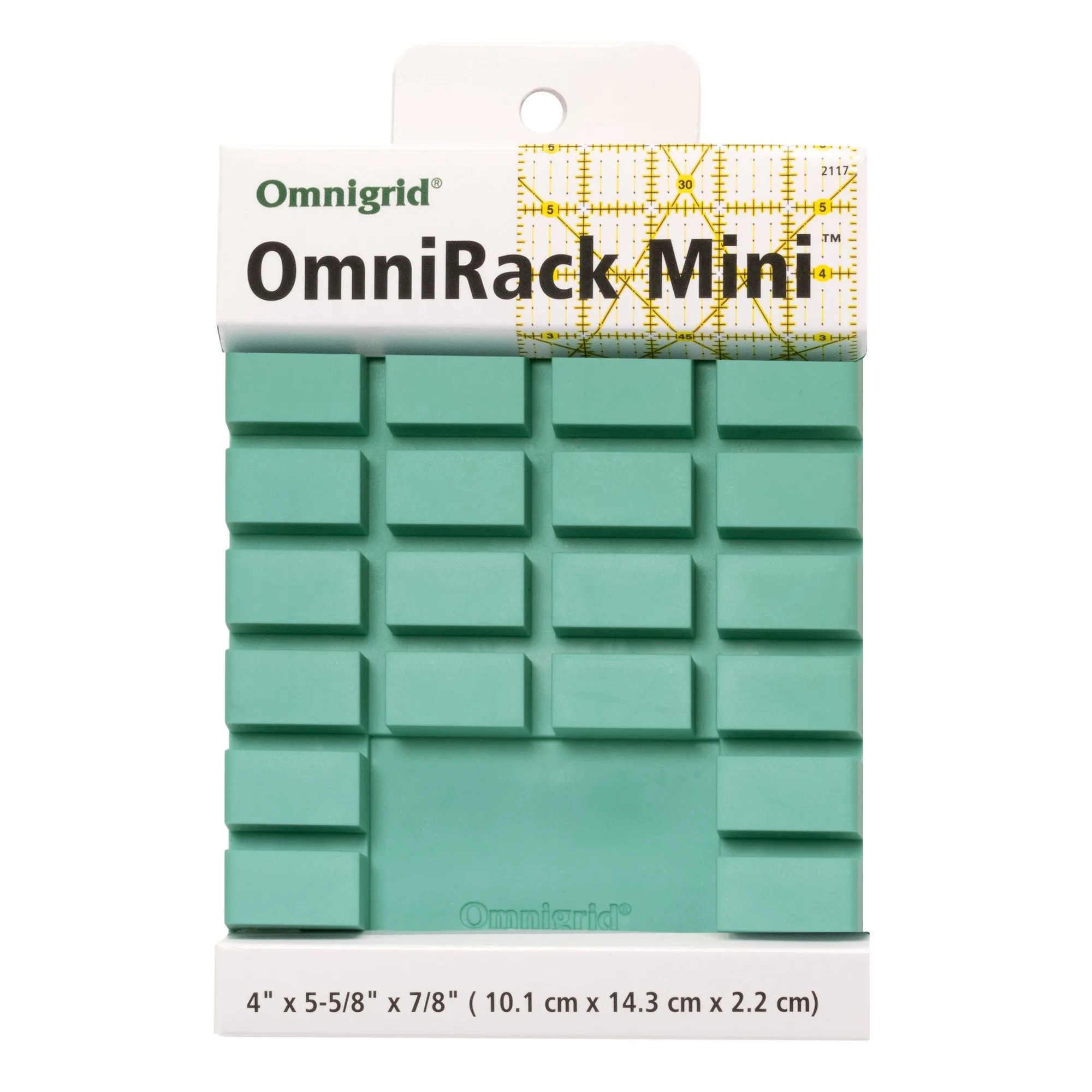
Mini OmniRack Ruler Storage
-
Quilters Travel Case: The Quilters Travel Case fits unfinished quilt blocks up to 12-1/2" square and includes multi-pocketed lid interior and straps for accessories. It protects rulers and blocks during travel, and the removable shoulder strap makes it easy to carry to a class or retreat.