Whether you're a seasoned collector or just starting your journey, keeping your trading cards organized is essential. A well-organized collection not only makes it easier to find specific cards but also helps preserve their condition and value. In this guide, we'll walk you through the best practices for sorting your cards by set, rarity, and condition, so you can enjoy your collection to the fullest.
From Pokémon to One Piece and Dragon Ball, trading cards come in all shapes and sizes, each with its own unique organization challenges. By the end of this article, you'll have a clear system in place that you can adapt to any card game or collectible series.
Why Organizing by Set Matters
Organizing your collection by set is the most intuitive way to start. Each set has its own card list, and grouping cards together makes it easier to identify missing pieces, track your progress, and showcase your collection. For example, if you're collecting the Pokémon Abyss Eye M5 Booster Box - Mega Series - Japanese, you'll want to keep those cards together to see which ones you've pulled and which you still need.
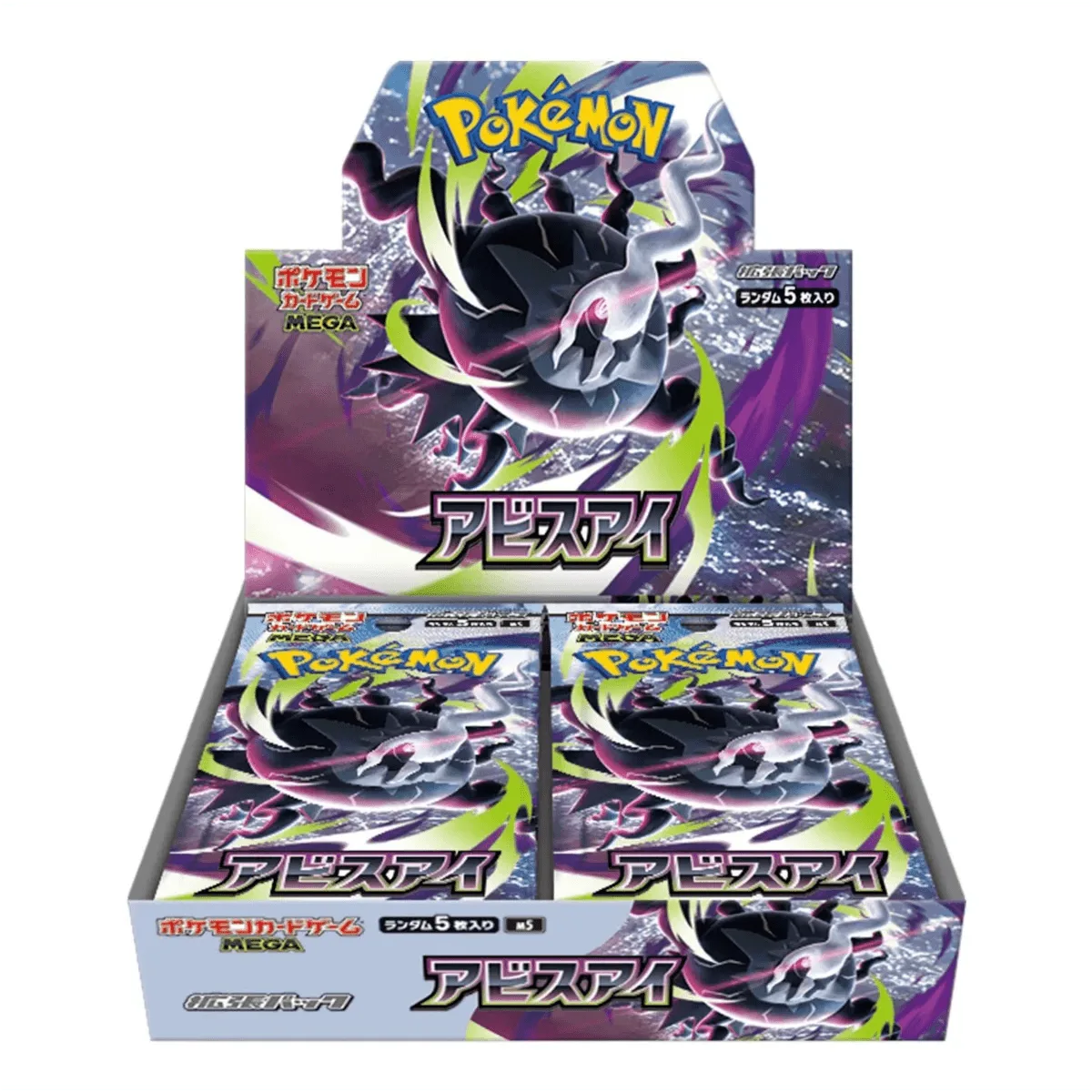
Pokémon Abyss Eye M5 Booster Box - Mega Series - Japanese
Set-based organization also simplifies trading and selling. When you know exactly what you have from each set, you can quickly respond to trade offers or list duplicates online. It also helps you avoid buying duplicates, saving you money in the long run.
- Start by separating cards by game or franchise (e.g., Pokémon, One Piece, Dragon Ball).
- Within each game, group cards by set name or set code (e.g., OP-12, DBS-B31).
- Use dividers or labeled binder pages to keep sets visually distinct.
Sorting by Rarity: From Common to Secret Rare
Once your cards are grouped by set, the next step is to sort by rarity. Most trading cards have a rarity symbol or color coding—common (C), uncommon (U), rare (R), and higher rarities like super rare, ultra rare, or secret rare. Sorting by rarity helps you quickly locate your most valuable cards and protect them accordingly.
For instance, in the One Piece OP-12 Legacy of the Master Booster Box - Japanese - Trading Card Game OP12, you'll find a mix of common, uncommon, rare, and special rarity cards. By separating these, you can ensure your rarest cards get the best protection, such as being placed in top loaders or magnetic holders.
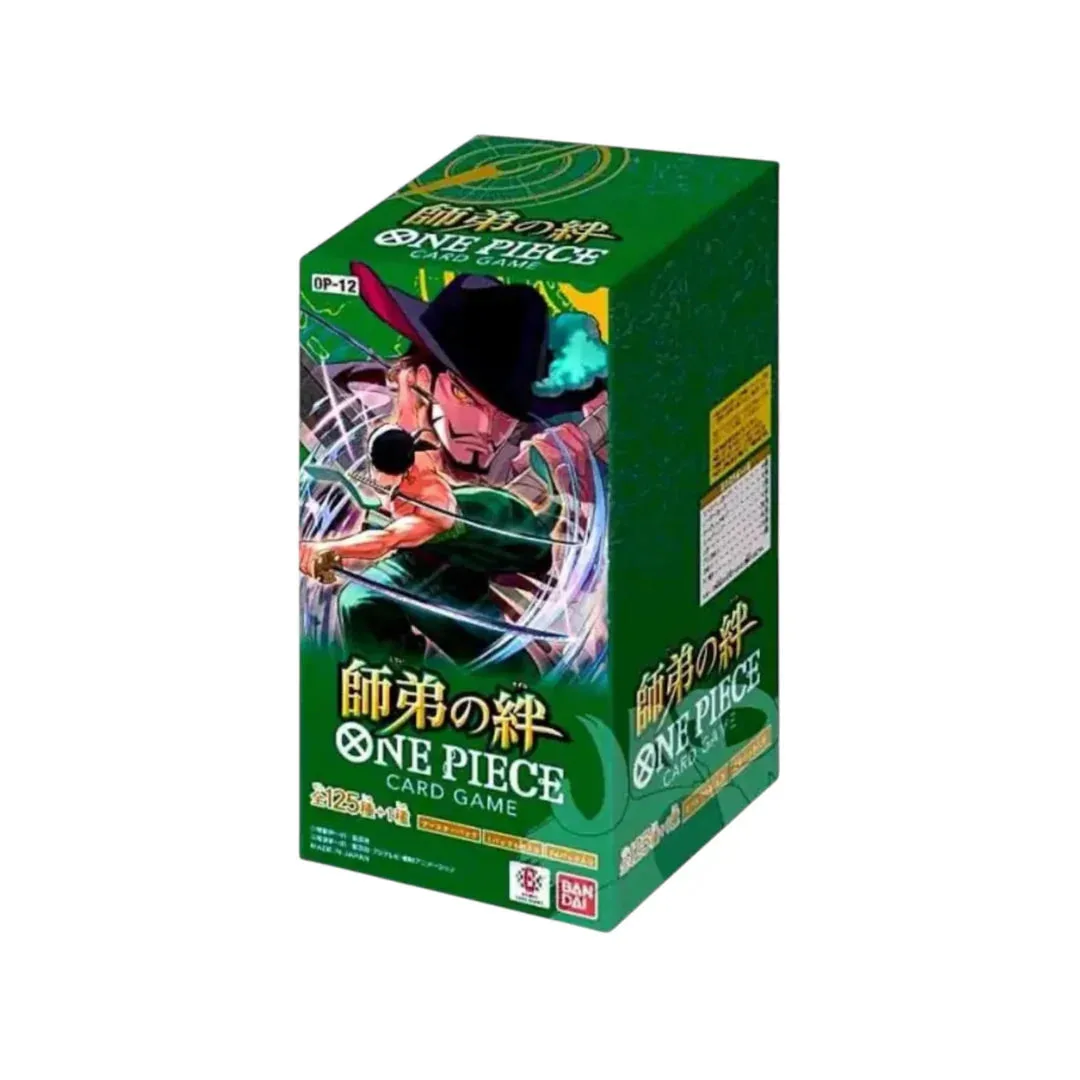
One Piece OP-12 Legacy of the Master Booster Box - Japanese - Trading Card Game OP12
Rarity sorting also makes it easier to assess the overall value of your collection. You can quickly count how many ultra rares you own and estimate their worth, which is useful for insurance or resale purposes.
- Learn the rarity symbols for each card game (e.g., star, circle, diamond for Pokémon).
- Create separate sections for each rarity level within a set.
- Consider using a binder with multiple pockets to display cards by rarity.
Condition: The Key to Value and Preservation
A card's condition significantly impacts its value. Cards in mint condition can be worth several times more than the same card in played condition. Therefore, it's crucial to sort your cards by condition, especially if you have duplicates or cards you plan to sell or trade.
Start by grading each card's condition: Mint (M), Near Mint (NM), Excellent (EX), Good (G), and Played (P). Look for any scratches, whitening on edges, or creases. Cards that are in pristine condition should be stored separately from those that are well-played to prevent further damage.
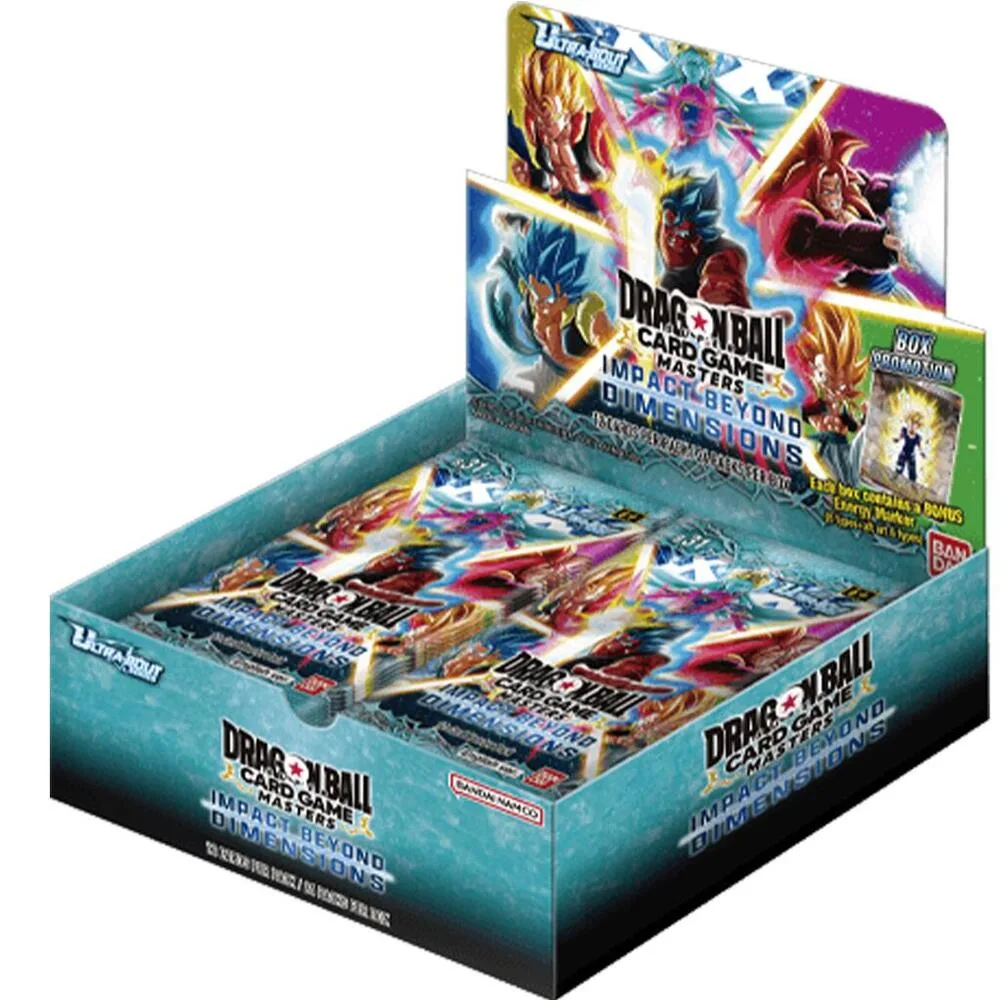
For high-value cards, consider using protective sleeves and top loaders. Even if you don't plan to sell, keeping your cards in the best possible condition ensures they retain their value over time. Products like the Dragon Ball Super Card Game Masters Ultra-Bout Series 04 Impact Beyond Dimensions [DBS-B31] Booster Box contain cards that are highly sought after, so protecting them is a smart investment.
- Use a magnifying glass or bright light to inspect cards for damage.
- Store mint and near-mint cards in individual sleeves and top loaders.
- Keep played cards in a separate binder or box to avoid damaging better-condition cards.
Creating a Trading Card Inventory System
An inventory system is the ultimate tool for serious collectors. By cataloging your cards, you can track what you own, what you need, and what you might want to trade. There are several ways to create an inventory, from simple spreadsheets to dedicated card-collecting apps.
Start by listing each card's name, set, rarity, condition, and quantity. You can also include the approximate value or the price you paid. This data is invaluable when you're considering a trade or sale. For example, if you have a collection that includes the DON!! Card (Sky Island Map) (Double Pack Set Vol. 10) - Adventure on Kami's Island Foil, you can note its condition and value for future reference.
A digital inventory also helps you avoid buying duplicates. Before making a purchase, you can quickly check your list to see if you already have the card. This is especially useful when buying booster packs or boxes, where you might pull duplicates.
- Use a spreadsheet or an app like TCGplayer or Deckbox to catalog your cards.
- Include columns for card name, set, rarity, condition, quantity, and value.
- Update your inventory regularly, especially after opening new booster boxes.
Storage Solutions: Binders, Boxes, and Sleeves
The right storage solutions keep your cards safe and make organization easier. Binders are great for displaying cards by set or rarity, while storage boxes are ideal for bulk commons and uncommons. Card sleeves protect individual cards from scratches and wear, and top loaders offer extra protection for high-value cards.
When choosing a binder, look for one with acid-free, archival-quality pages to prevent damage over time. For boxes, make sure they are sturdy and fit the card size. And always use sleeves that are the correct size for your cards—standard size for most trading cards, but Japanese cards are slightly smaller, so check the dimensions.
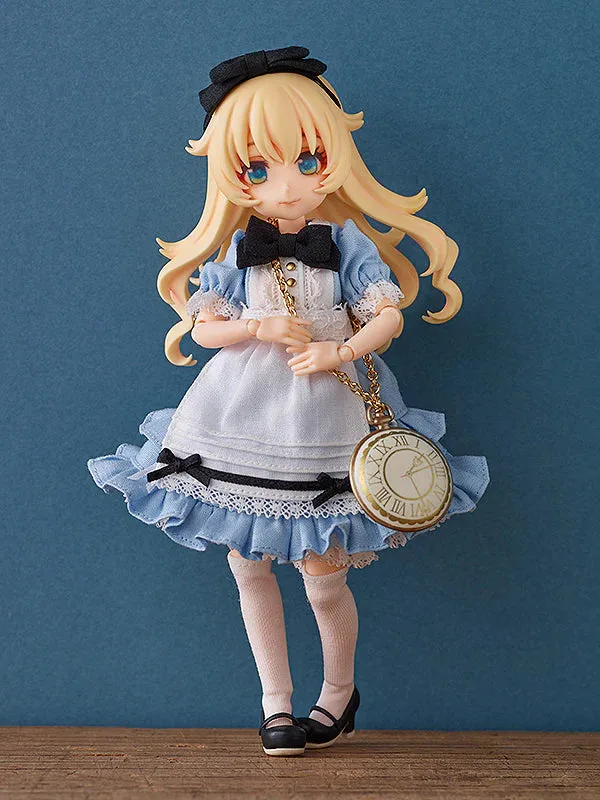
If you're a fan of collectible figures, you might also enjoy items like the PARDOLL: Alice – Fairytale Series Figure | Aniplex Collectible, which can be displayed alongside your card collection to create a themed showcase. But for cards, focus on functional storage that protects your investment.
- Invest in high-quality binders with side-loading pages to prevent cards from falling out.
- Use cardboard or plastic storage boxes with dividers for bulk cards.
- Always use sleeves for cards you handle frequently, and top loaders for valuable cards.
Organizing your trading card collection by set, rarity, and condition is a rewarding process that enhances your collecting experience and protects your investment. With the right system and storage solutions, you'll be able to enjoy your cards for years to come. Start today by sorting a small portion of your collection, and gradually expand your organization to include every card you own. For high-quality storage supplies and the latest trading card products, explore our selection at Super Anime Store.