Quick answer
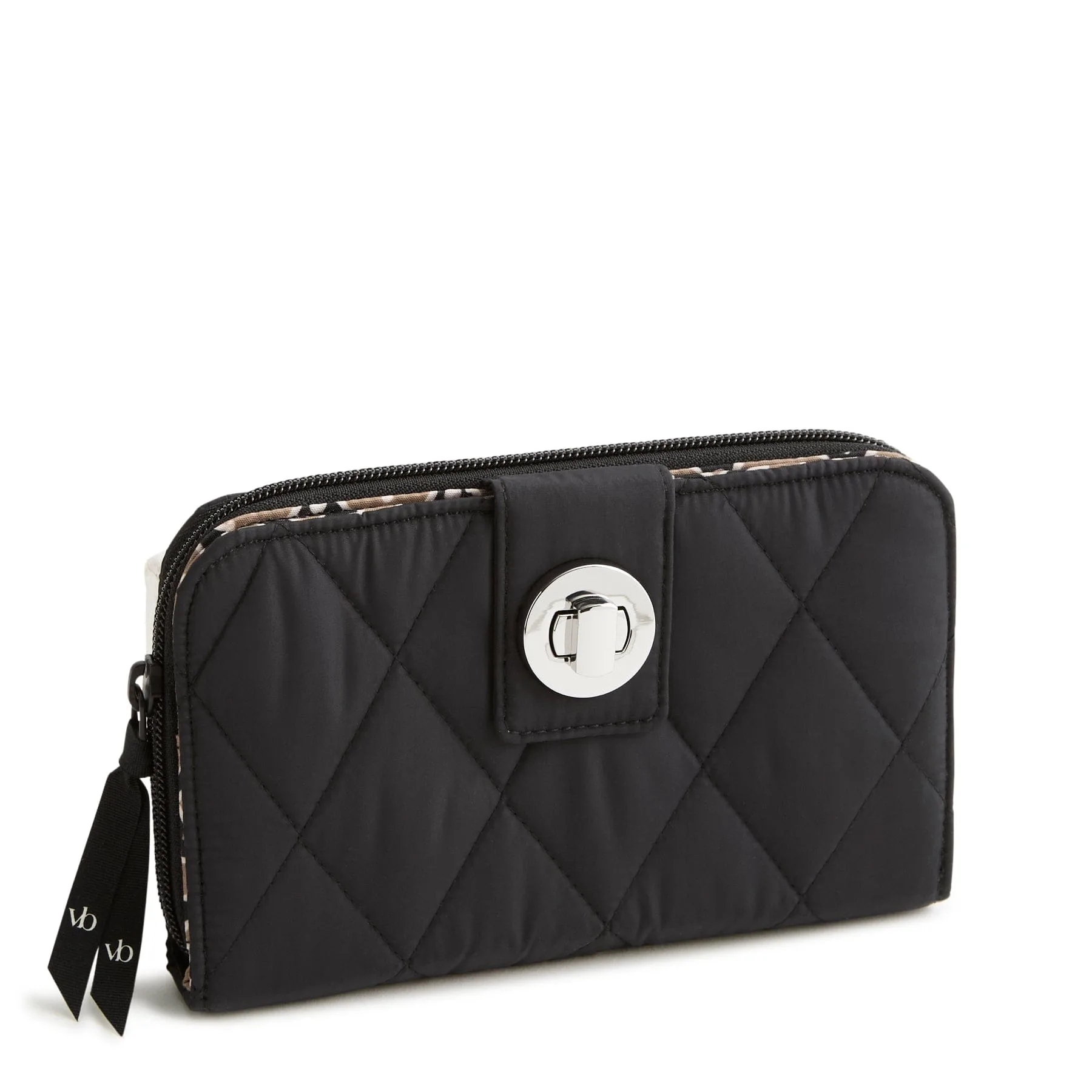
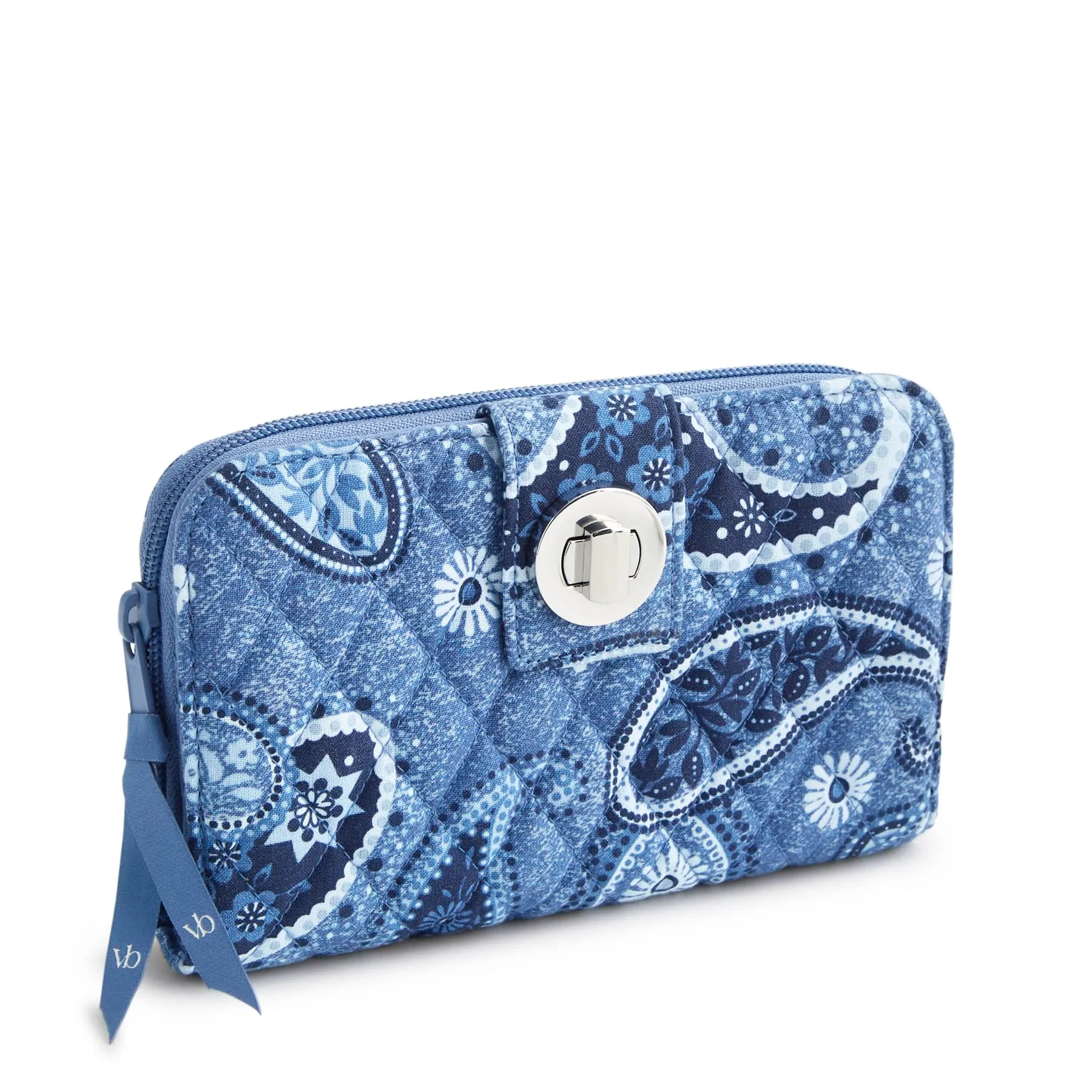
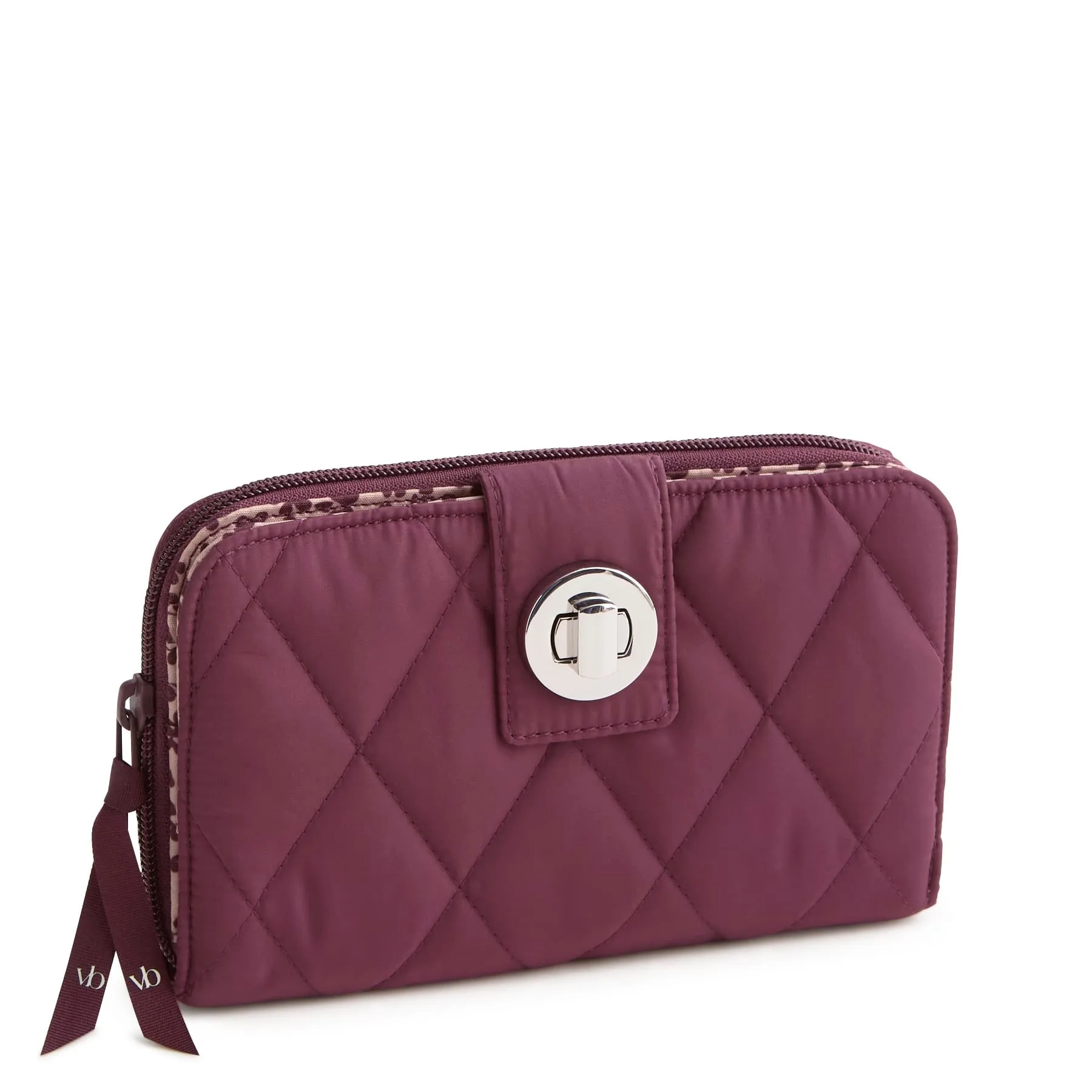
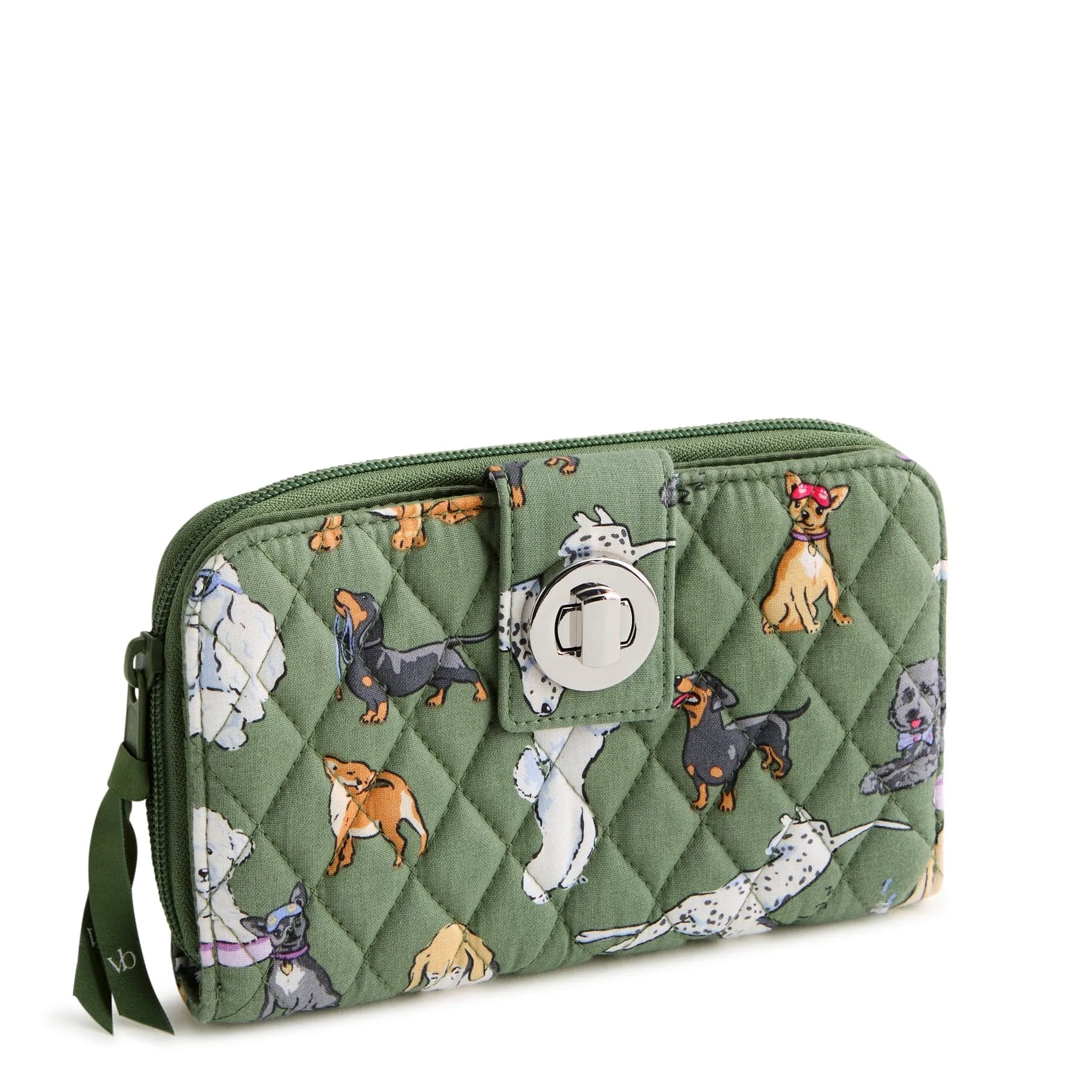
Empty your wallet completely, sort every card into keep, backup, or remove, then reload it so the cards you use daily sit in one outer slot and nothing overlaps. A wallet with dedicated card slip pockets and a secure closure, like the https://verabradleyoutletex.com/products/outlet-essential-turnlock-wallet-5450323029-86061a3958e4148a71ae1550-1642926https://verabradleyoutletex.com/products/outlet-essential-turnlock-wallet-5450520089-293c06214cfea438323379a2-1642927https://verabradleyoutletex.com/products/essential-turnlock-wallet-5450324292-71a1f782f9877a7bdeb9c2a4-1642936https://verabradleyoutletex.com/products/outlet-essential-turnlock-wallet-5450522514-8c1c6766590487249df613f0-1642942Outlet Essential Turnlock Wallet, makes that one-card-per-slot habit easy to keep.
Losing a card is rarely one dramatic moment. It is usually a stack of overlapping cards, a receipt stuffed in the wrong compartment, and a backup debit card that quietly slid out of view weeks ago.
The fix is not a bigger wallet. It is a repeatable routine that gives every card a fixed home, limits how many you carry, and makes it obvious when something is missing. The steps below take about twenty minutes the first time and two minutes to maintain.
Step 1: Empty Everything and Sort Into Three Piles
Turn the wallet upside down over a table and remove every card, receipt, and folded bill. Sort items into three piles: daily (cards you use at least weekly), backup (cards you need occasionally but not every day), and remove (expired cards, store loyalty cards you never scan, and receipts you do not need).
The common mistake is sorting while the cards are still in the wallet. You will unconsciously keep things because they are already there. Emptying first forces a real decision about each item.
- Checkpoint: if you have not used a card in three months, it belongs in the backup pile, not the daily pile.
Step 2: Decide What Actually Earns a Daily Slot
Most people can run a full day on one primary payment card, one backup payment card, an ID, and a transit or access card. Everything else, including gift cards and membership cards, can live in a separate pouch or at home. This is the core of a minimalist wallet setup: fewer cards means fewer places for one to hide.
If you genuinely need more than six or seven cards daily, that is fine, but the wallet needs enough dedicated slots to hold them without stacking. Stacking is what causes cards to slide out when you pull one free.
- Common mistake: carrying two cards in one slot to save space. That is the single biggest cause of dropped cards.
Step 3: Assign One Card Per Slot and Keep the Order Fixed
Reload the wallet so each card sits alone in its own slot, in an order you never change. A simple system works well: most-used card in the front outer slot, ID visible in a window, backup card in the last slot. Because the position never changes, you can check at a glance whether anything is missing.
Wallet card organization depends on the wallet having real slots rather than one open compartment. The Outlet Essential Turnlock Wallet has 12 card slip pockets, two ID windows, and four slip pockets, which gives you enough defined positions to keep cash, cards, and IDs from mixing.
- Checkpoint: after reloading, close the wallet and confirm it lies flat. A wallet that bulges is overfilled.
Step 4: Use a Second Pouch for the Overflow
Cards that did not earn a daily slot still need a home, or they will drift back into your wallet. A small zip pouch keeps backup cards, gift cards, and loyalty cards together in one place you can grab when you need it. The Disney Zip Card Pouch is built for exactly this: compact storage for cards and cash with easy access, so your pockets stay free and your main wallet stays lean.
Keep this pouch in your bag rather than your pocket, and treat it as a reference file, not a second wallet. When a backup card gets promoted to daily use, move it into the main wallet and retire the card it replaces.
- Common mistake: letting the overflow pouch become a second daily wallet. If you open it every day, those cards belong in the main wallet.
Step 5: Handle Receipts and Cash the Same Day
Receipts are the main reason a tidy wallet becomes a mess within a week. Set a rule: receipts come out of the wallet at the end of the day, either into a folder at home or into the trash if you do not need them for returns or expenses. Cash goes into one dedicated compartment, not folded between cards.
This step takes seconds but protects the whole system. Once receipts start sharing card slots, cards get pushed forward and start falling out when the wallet opens.
- Checkpoint: if a receipt is still in your wallet after a week, you probably do not need it.
Step 6: Do a Two-Minute Weekly Reset
Pick one day a week and run a quick reset: open every compartment, remove anything that does not belong, and confirm each card is in its assigned slot. This catches a card that slipped out of order before it becomes a lost card. It also tells you when a wallet has stopped working for you.
A weekly reset is also the right time to check closures and zippers. A wallet with a worn closure, like a turnlock that no longer snaps firmly, will let cards escape no matter how well you organize them.
- Common mistake: waiting until you lose something to check the wallet. The reset is preventive, not reactive.
Your wallet reset checklist
- Empty and sort: Remove every card, receipt, and bill. Sort into daily, backup, and remove piles. Checkpoint: nothing stays in the wallet just because it was already there.
- Trim to daily essentials: Keep one primary card, one backup card, an ID, and any access card you use daily. Move the rest to a pouch or leave them at home. Aim for six or seven cards maximum in the main wallet.
- Assign one card per slot: Load cards so none overlap, with the most-used card in the front slot and your ID in a window. A fixed order lets you spot a missing card at a glance.
- Give overflow a separate home: Put backup, gift, and loyalty cards in a small zip pouch kept in your bag, not your pocket. If you open the pouch daily, promote those cards into the main wallet.
- Clear receipts and cash daily: File or toss receipts at the end of each day and keep cash in one compartment. Receipts in card slots are what push cards out.
- Run a weekly reset: Once a week, empty every compartment, re-slot each card, and check that closures still hold firmly. A worn closure means it is time to replace the wallet, not reorganize harder.
Wallets and pouches that support this routine
- Outlet Essential Turnlock Wallet: Two compartments, one with a zip closure and one with a turnlock, plus interior features including two ID windows, 12 card slip pockets, and four slip pockets. Dimensions: 7.5" w x 4.75" h x 1.0" d. The 12 card slip pockets let you give every daily card its own slot, and the two closures keep the two halves of your carry separated so cards do not migrate.
- Disney Zip Card Pouch: A compact zip pouch designed for minimalist card and cash carrying, with easy access to essentials while on the go. It works as the overflow pouch in step 4, holding backup and loyalty cards outside your main wallet so the daily carry stays thin.
- Outlet Essential Zip Wristlet: Zip closure with three interior card slip pockets. Dimensions: 6.75" w x 4.0" h, wrist strap drop 6.0", weight 0.09 lb. Three defined card pockets make it a good short-trip option when you want to carry only the cards you truly need for the day.
A wallet stays organized when every card has one slot and one purpose. Sort once, keep the order fixed, and give the overflow its own pouch, and losing a card stops being a recurring event.