Quick answer
Pack a garment bag by laying it flat, placing your suit or dress in first with the shoulders at the top, then filling the remaining space with soft items and small accessories. Close the bag loosely, fold it once along its natural crease, and carry it flat or hang it as soon as you arrive. The goal is to limit the number of folds and keep pressure off the shoulders and lapels.
A garment bag is the simplest way to move business clothing from your closet to a hotel without pressing everything twice. The trick is not just owning one, but loading it in an order that keeps shoulders, lapels, and hems from creasing under their own weight.
This guide walks through a practical packing sequence you can repeat for every trip. It also covers what to put in the pockets, how to fold the bag for a flight, and which small habits make the biggest difference when you unpack.
Start with a flat, clean surface
Open the garment bag fully on a bed or table so the interior lies flat. A flat surface lets the fabric relax and prevents the bag from twisting as you load it. If your bag has a hook, hang it from a door frame instead, but keep it unzipped and open.
Check the inside for crumbs, dust, or leftover items from the last trip. A quick wipe with a dry cloth keeps light-colored suits from picking up marks. This is also the moment to make sure all zippers run smoothly before you commit to a full pack.
- Mistake to avoid: packing on a couch or chair, which causes the bag to fold unevenly before you even start.
Place the suit or dress in first
Lay your jacket or dress in the bag with the shoulders near the top and the hem toward the bottom. This orientation uses the bag's length instead of forcing extra folds. Button the jacket once to keep its shape, and leave the sleeves relaxed rather than crossed tightly over the front.
For a suit, place trousers underneath the jacket, aligning the waistband near the top and letting the legs run down the bag. If the bag has a dedicated garment sleeve, use it for the jacket and keep trousers in the main compartment. The fewer times a garment bends, the better it looks on arrival.
- Checkpoint: the shoulders should sit at the top of the bag, not bunched in the middle.
Fill the gaps with soft items
Use the space beside and below the suit for soft clothing such as undershirts, socks, or a light sweater. These items cushion the garment and reduce shifting during transit. Avoid placing hard objects like shoes or a toiletry kit directly against the suit, since they create pressure points that lead to creases.
If you need to bring shoes, put them in a separate compartment or at the very bottom of the bag, away from the jacket. A small packing cube or drawstring bag keeps them contained. This separation also protects the interior lining from dirt.
- Mistake to avoid: overstuffing, which forces the bag to bulge and presses folds into the suit.
Use the pockets for accessories, not bulk
Garment bag pockets are best for flat items: ties, belts, a charger, or a small notebook. Roll ties loosely and place them in an interior pocket so they do not crease. Belts can be coiled and tucked into an exterior pocket, but avoid letting the buckle press against fabric.
Keep the bag's weight balanced. If one side is much heavier, the bag will hang crooked and the suit will slide. Distribute accessories evenly, and leave the main garment compartment as smooth as possible.
- Checkpoint: close the bag and lift it by the handle. If it hangs at an angle, redistribute the contents.
Fold and close the bag correctly
Zip the bag closed, then fold it along its natural crease. Most garment bags are designed to fold in half or thirds, and following that line prevents new wrinkles. If your bag has a strap or closure system, use it to hold the fold instead of compressing the bag with your hands.
For air travel, carry the bag flat in the overhead bin if space allows, or hang it in a closet. If you must fold it into a suitcase, place it on top of softer items so nothing presses into the shoulders. A garment bag that stays flat will almost always deliver better results.
- Mistake to avoid: folding the bag in the opposite direction from its designed crease.
Unpack and hang immediately
As soon as you reach your hotel, take the suit out and hang it on a proper hanger. Give it a few minutes to relax before you inspect it. Small creases often fall out on their own, especially in a steamy bathroom after a hot shower.
If you need a quick refresh, hang the garment in the bathroom while you shower, then let it air dry. Avoid pressing unless you have to, since heat can damage some fabrics. A little patience at check-in saves time later.
- Checkpoint: hang the suit before you unpack anything else, so it has the longest possible time to recover.
Your step-by-step garment bag packing sequence
- Lay the bag flat and check it: Open the garment bag fully on a bed or table and wipe the interior clean. Make sure zippers run smoothly before loading. A flat, clean start prevents uneven folds and marks on light fabrics.
- Place the suit or dress in first: Lay the jacket or dress with shoulders at the top and hem at the bottom. Button the jacket once and let sleeves relax. Put trousers underneath, aligned at the waistband. Fewer folds mean fewer creases; keep the shoulders at the top of the bag.
- Fill gaps with soft items: Use undershirts, socks, or a light sweater to cushion the garment. Keep shoes and hard items in a separate compartment or at the very bottom. Soft filler reduces shifting; hard objects create pressure points.
- Use pockets for flat accessories: Roll ties loosely and place them in an interior pocket. Coil belts and tuck them into an exterior pocket. Balance weight on both sides. If the bag hangs crooked when lifted, redistribute the contents.
- Fold and close along the natural crease: Zip the bag, then fold it along its designed crease. Use the bag's strap or closure to hold the fold instead of pressing it down. Folding against the design creates new wrinkles; follow the existing line.
- Unpack and hang immediately: Hang the suit on a proper hanger as soon as you reach your room. Let it relax, or hang it in the bathroom during a hot shower to release light creases. The sooner it hangs, the less time creases have to set.
Products that support this routine
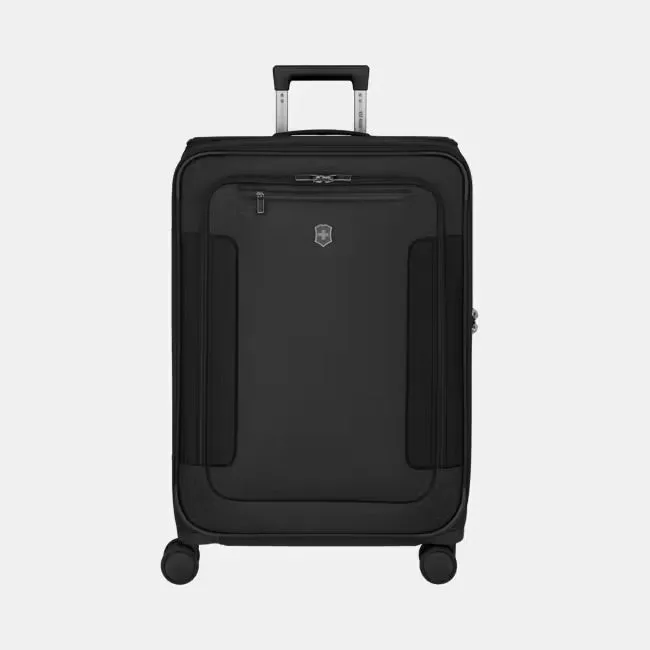
- Werks Traveler 7.0 Medium Case: This case includes an integrated garment sleeve and a washable laundry bag, plus a dedicated business storage area and an essential device compartment with anti-scratch lining. If you prefer a single case for business travel, the built-in garment sleeve lets you apply the same flat-packing approach without carrying a separate garment bag.
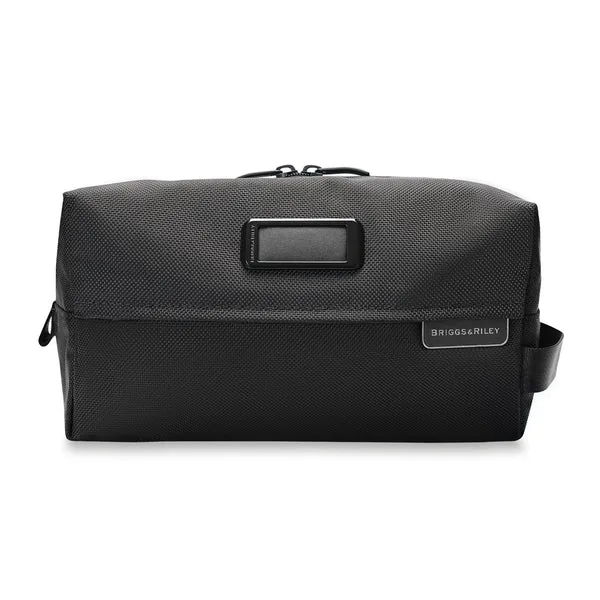
- EVERYDAY ESSENTIALS KIT: This kit is designed to keep travel accessories organized, with a PVC-lined main compartment and an intuitive side pocket for essentials. Use it to hold ties, belts, or small electronics so they stay off the suit and do not create pressure points inside your garment bag.
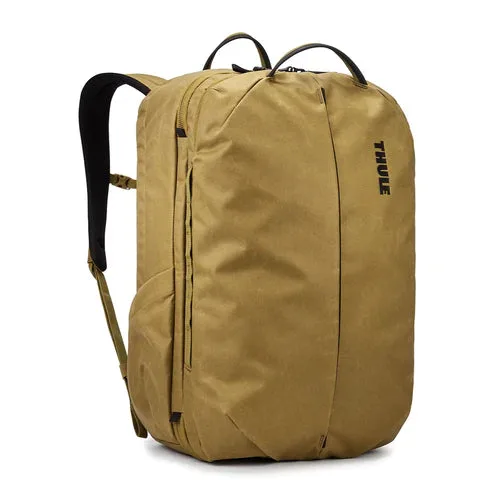
- Thule-Aion Travel Backpack 40L: This backpack features a removable rolltop bag with a TPU lining that keeps odor, moisture, and dirt from spreading to the rest of the bag. If you combine a garment bag with a backpack, the removable rolltop bag gives you a separate place for gym clothes or damp items so your business clothing stays clean.
Packing a garment bag well comes down to order, restraint, and a little patience at the other end. Load the suit first, cushion it with soft items, and hang it the moment you arrive. Do that, and your business clothing will look ready for the meeting, not the laundry.