Quick answer
Pack a kids lunchbox by working in a fixed order: choose the main, add a fruit or veg, add a protein or dairy, add a small treat, then pack it so nothing shifts. Keep portions small and use a compartment lunchbox so foods stay separate. A lunchbox that comes home empty is the goal, not a lunchbox that looks full at 7 a.m.
Start with the container, not the food
The container decides what you can pack. A lunchbox with separate compartments keeps crackers from going soft next to cucumber and stops a sandwich from sliding into the yogurt. That separation matters more than fancy recipes: kids often reject food that has touched something else. If your child is in a growth spurt or has a bigger appetite, size up rather than overfilling a small box. If they are a grazer, a smaller box with smaller portions works better than a large one you feel obliged to fill.
Use a 5-slot formula instead of a menu
You do not need new recipes every week. You need a repeatable formula: one main, one fruit or vegetable, one protein or dairy, one crunchy or fun extra, and water. Rotate the contents, not the structure. This makes lunchbox meal prep for kids faster because you shop and pack by category. It also makes it easy to see what your child actually ate, since you know what each slot contained.
- Main: sandwich, wrap, pasta, rice, or leftovers that taste fine cold.
- Fruit or veg: berries, apple slices, cherry tomatoes, cucumber rounds.
- Protein or dairy: cheese, yogurt, hummus, edamame, or a boiled egg.
- Crunchy or fun extra: crackers, popcorn, or a small sweet.
- Drink: water in a leakproof bottle.
Cut food small and keep it finger-friendly
Lunchtime at school is short and social. Kids eat faster when food needs no cutting, peeling, or unwrapping. Halve grapes, slice apples, and cut sandwiches into quarters. If your child has loose teeth, avoid very hard or very sticky items. A stainless steel lunchbox with compartments lets you pack these small pieces without them mixing, which is often the difference between eaten and ignored.
Pack it so it survives the backpack
A lunchbox that leaks or shifts gets rejected. Put wet items in their own compartment or a small lidded pot. Keep the heaviest items at the bottom. Add a small ice pack if you pack dairy or meat, especially in warm months. If your child carries a backpack with a laptop or books, choose a lunchbox that fits neatly and does not bulge.
Involve your child without giving up control
Kids eat more of what they chose. Offer two options for the main and two for the fruit or veg, then let them pick. This is not the same as letting them pack only crackers. You set the categories; they choose within them. On weekends, let them help with lunchbox meal prep for kids by washing fruit or filling small pots. That small ownership often carries into the school week.
Watch what comes home and adjust
The lunchbox is feedback. If the same item comes home three days in a row, stop packing it for a week. If everything comes home untouched, the portions are probably too big or the lunch period is too short. If only the treat is eaten, you are packing too much treat. Adjust portions and combinations before you change the whole menu. Most lunchbox problems are portion or packaging problems, not picky-eating problems.
5-step lunchbox packing routine
- Step 1: Choose the main: Pick one main that tastes good cold or at room temperature, such as a sandwich, wrap, pasta, rice, or leftovers. Cut it into small, easy-to-hold pieces. Common mistake: packing a hot main that will be cold and unappealing by lunch. Checkpoint: can your child eat it with one hand and no cutting?
- Step 2: Add a fruit or vegetable: Add one fruit or vegetable that is already bite-sized or easy to eat, such as berries, apple slices, cherry tomatoes, or cucumber rounds. Keep it in its own compartment so it does not make the main soggy. Common mistake: packing a whole apple or unpeeled orange that takes too long to eat. Checkpoint: will it still look appealing after four hours in a bag?
- Step 3: Add a protein or dairy: Add one protein or dairy item, such as cheese, yogurt, hummus, edamame, or a boiled egg. If you pack dairy or meat, include a small ice pack in warm weather. Common mistake: skipping this slot, which leaves kids hungry an hour later. Checkpoint: is the item sealed or in its own compartment?
- Step 4: Add a crunchy or fun extra: Add one small crunchy or fun item, such as crackers, popcorn, or a small sweet. Keep the portion small so it does not become the whole lunch. Common mistake: making the treat the biggest item. Checkpoint: does the treat fit in one small compartment?
- Step 5: Pack and close: Put the heaviest items at the bottom, close all lids firmly, and slide the lunchbox into the backpack so it stays upright. Add a leakproof water bottle. Common mistake: packing wet foods loose next to dry foods. Checkpoint: shake the closed lunchbox gently. If you hear sliding or feel wetness, repack.
Products that make this routine easier
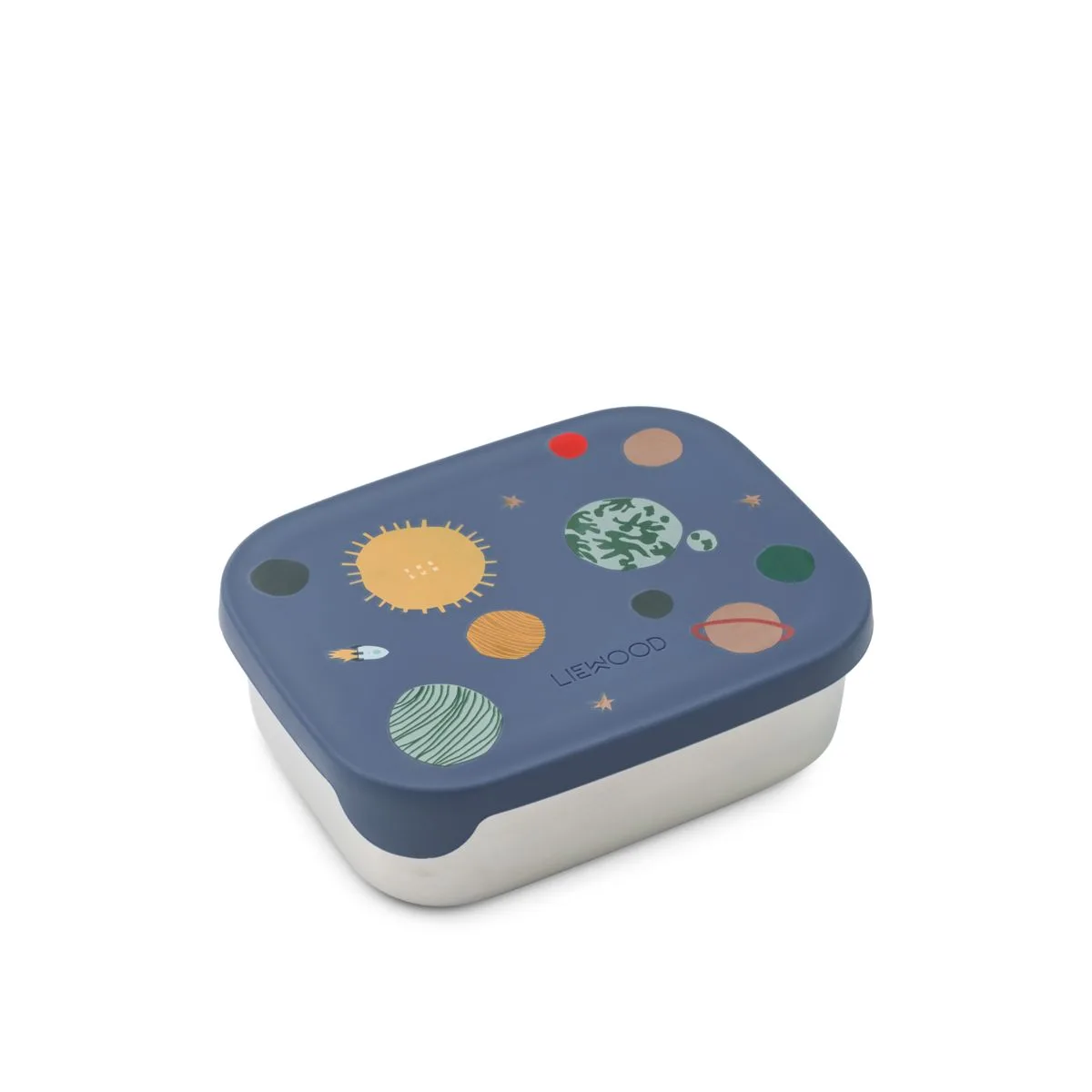
- ARTHUR Steel Lunchbox - Universe / Classic navy: The ARTHUR stainless steel children's lunchbox has 3 practical compartments and is designed to fit neatly into backpacks. Three compartments let you pack the main, fruit or veg, and protein separately so foods do not touch or go soggy, and the slim shape means it slides into a school bag without bulging.
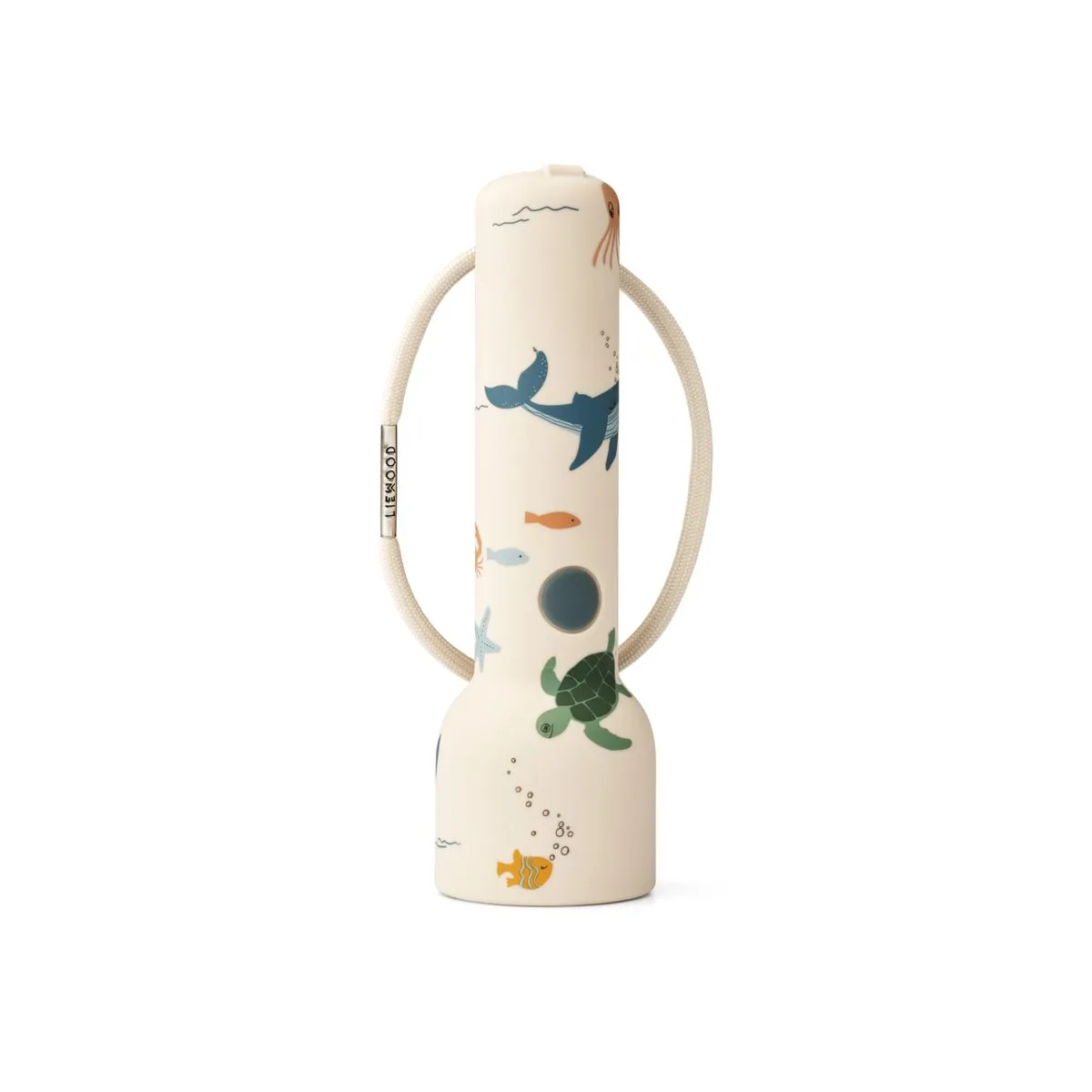
- Gry Printed Flashlight - Sea creature / Sandy: The GRY flashlight is dimmable, has a soft silicone handle, and recharges with a USB-C cable. If your child helps with after-school lunchbox prep or eats in a dim kitchen corner, this is a safe, rechargeable light they can handle themselves.
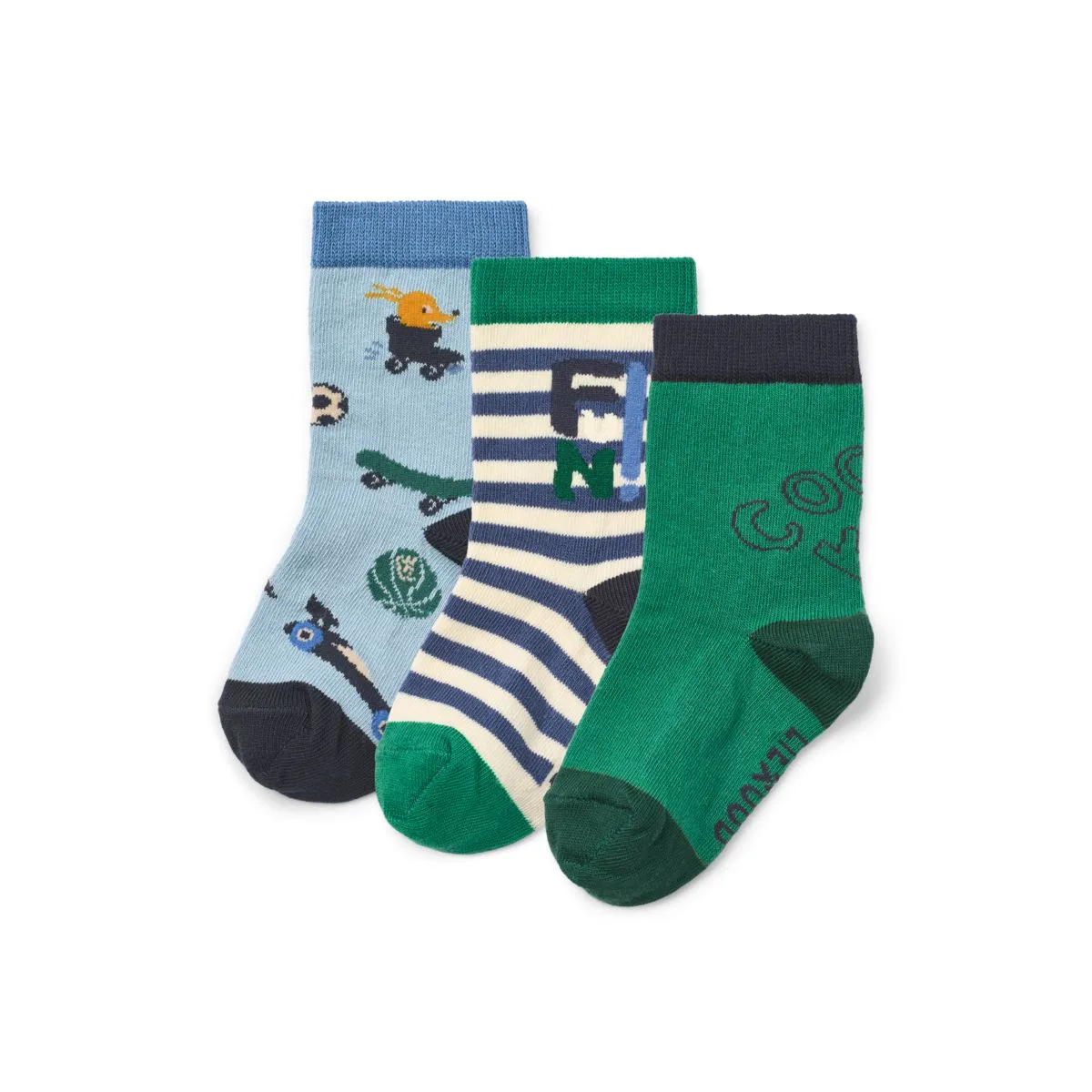
- Silas Socks 3-Pack - Fun / Beach blue mix: The SILAS socks are made from a breathable blend of cotton, polyamide, and elastane with an elasticated fit. A small comfort detail: socks that stay put and breathe make the whole school-day routine smoother, especially on long days.