Quick answer
For most kids, a high-protein cereal works best when each bowl delivers 10–12g of protein and no more than 3–4g of sugar, paired with milk or yogurt. If your child wants something crunchy and sweet after school, a high-protein treat with similar numbers is a smarter snack than a candy bar. Start with a variety pack so you learn which flavors actually get eaten before you commit to a full case.
What to check on the label before you buy
Protein and sugar are the two numbers that matter most, but portion size changes everything. A cereal that lists 12g of protein per serving only helps if your child eats that serving. Check the serving size in grams or cups, then compare it to what your child typically pours. If they usually eat double, the sugar doubles too.
Fiber is the third number worth a glance. It slows digestion and helps breakfast last until lunch. A cereal with 1g of sugar but no fiber may leave a child hungry by mid-morning. Look for at least 3–5g of fiber per serving if it is listed.
Ignore front-of-box claims like 'made with real honey' or 'natural flavors.' They say nothing about protein or sugar. Flip the box over and read the panel instead.
Cereal vs. treats: how to use each one
Cereal is a breakfast food. Treats are a snack food. They are not interchangeable, even when both carry a protein claim. A bowl of cereal with milk gives your child a sit-down meal with liquid volume, which helps with fullness. A treat is portable, shelf-stable, and eaten in two bites, so it will not replace a meal.
Use treats for the after-school gap, the car ride between activities, or the lunchbox dessert slot. Use cereal for the morning routine or a weekend breakfast when you have time to sit down. If your child asks for a treat at breakfast, offer cereal instead and save the treat for later.
One practical rule: if the treat is the only thing your child eats between lunch and dinner, add a glass of milk or a piece of fruit so the snack has staying power.
How to introduce a new high-protein cereal without waste
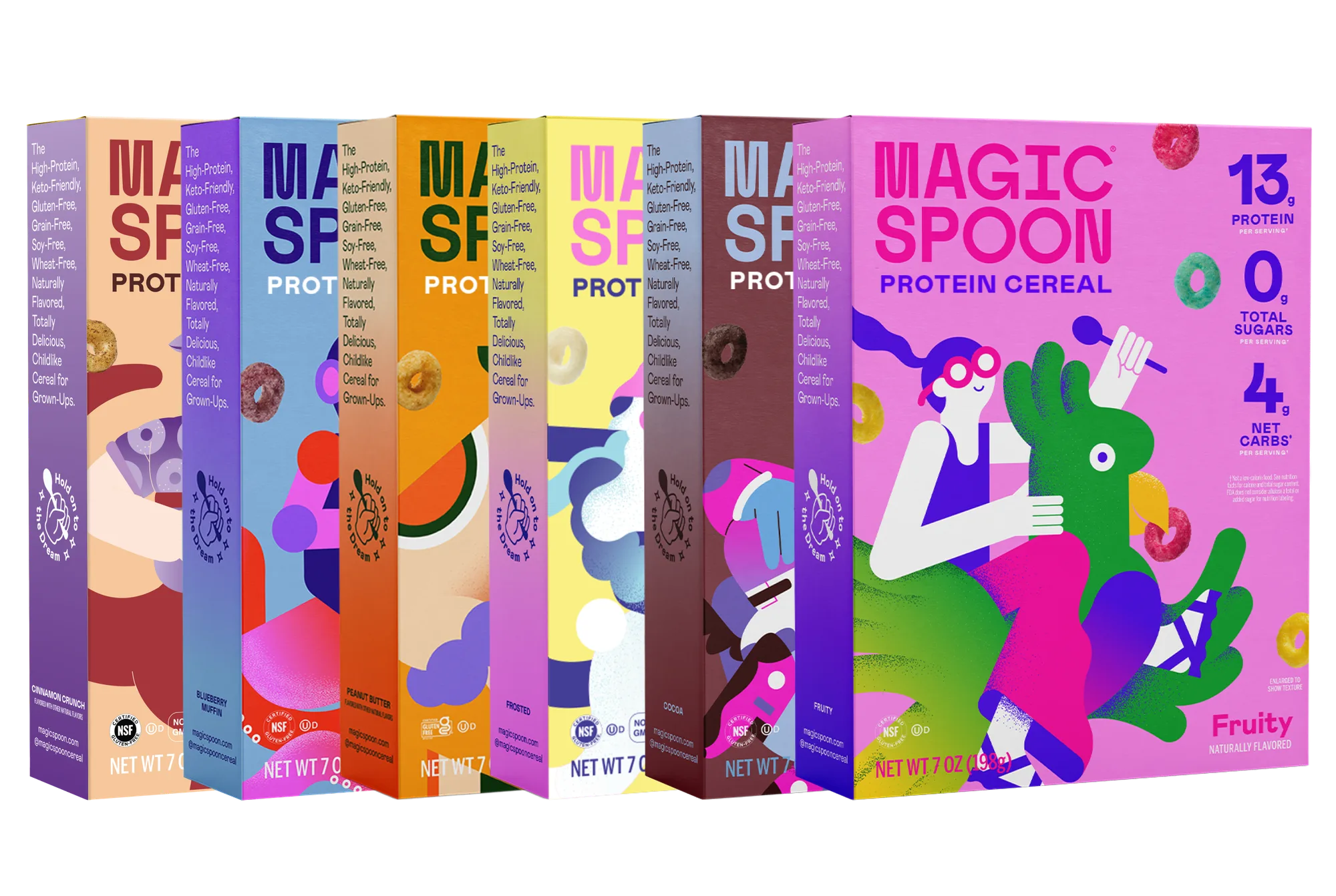
Kids reject new foods for reasons adults do not notice: the shape, the crunch, the color of the milk afterward. Buy the smallest format available first. A variety pack lets you test two or three flavors in one purchase instead of committing to a full case of one flavor your child may refuse.
Serve the new cereal next to something familiar. A bowl of the new cereal with a few spoonfuls of their usual cereal on top lowers the stakes. If they eat it, great. If not, you have not wasted a whole box.
Give it three tries on three different days before you decide. First impressions are unreliable, especially with texture. If it fails three times, move on.
Portion and timing rules that actually work
Pour the cereal yourself for the first week. Kids pour by volume, not by serving size, and a large bowl can easily double the sugar. Once you see what a real serving looks like in your bowls, your child can take over.
Pair cereal with a protein side when the cereal itself is on the lower end of the protein range. A spoonful of Greek yogurt, a hard-boiled egg, or a glass of milk adds protein without adding sugar. This is especially useful for younger kids who eat small portions.
Keep treats out of sight between meals. A treat that is visible on the counter becomes the default snack. A treat in a closed bin is a planned snack. This one change reduces mindless eating more than any label swap.
When a high-protein cereal is not the right choice
If your child has a dairy allergy, check the allergen panel on every box. Protein cereals often contain milk or whey. If your child has a nut allergy, check for cross-contamination warnings. If your child is under two, talk to your pediatrician before adding any protein-fortified food, because their needs are different from older kids.
If your child refuses all cold cereal, do not force it. A high-protein oatmeal packet or a high-protein treat with milk may be a better fit. The goal is a breakfast they will actually finish, not a box that looks good in the pantry.
If your child is a very picky eater, start with the flavor closest to what they already like. A chocolate or marshmallow flavor is more likely to be accepted than a plain or earthy one.
Decision rules for parents
- If your child eats breakfast at home on school days: Choose a cereal with 10–12g of protein and 3g of sugar or less per serving, and measure the first few bowls yourself. This covers the morning protein gap without a sugar spike before class.
- If your child needs a portable snack between activities: Pick a high-protein treat and pair it with milk or a piece of fruit so the snack lasts longer than 20 minutes. Treats are snacks, not meal replacements.
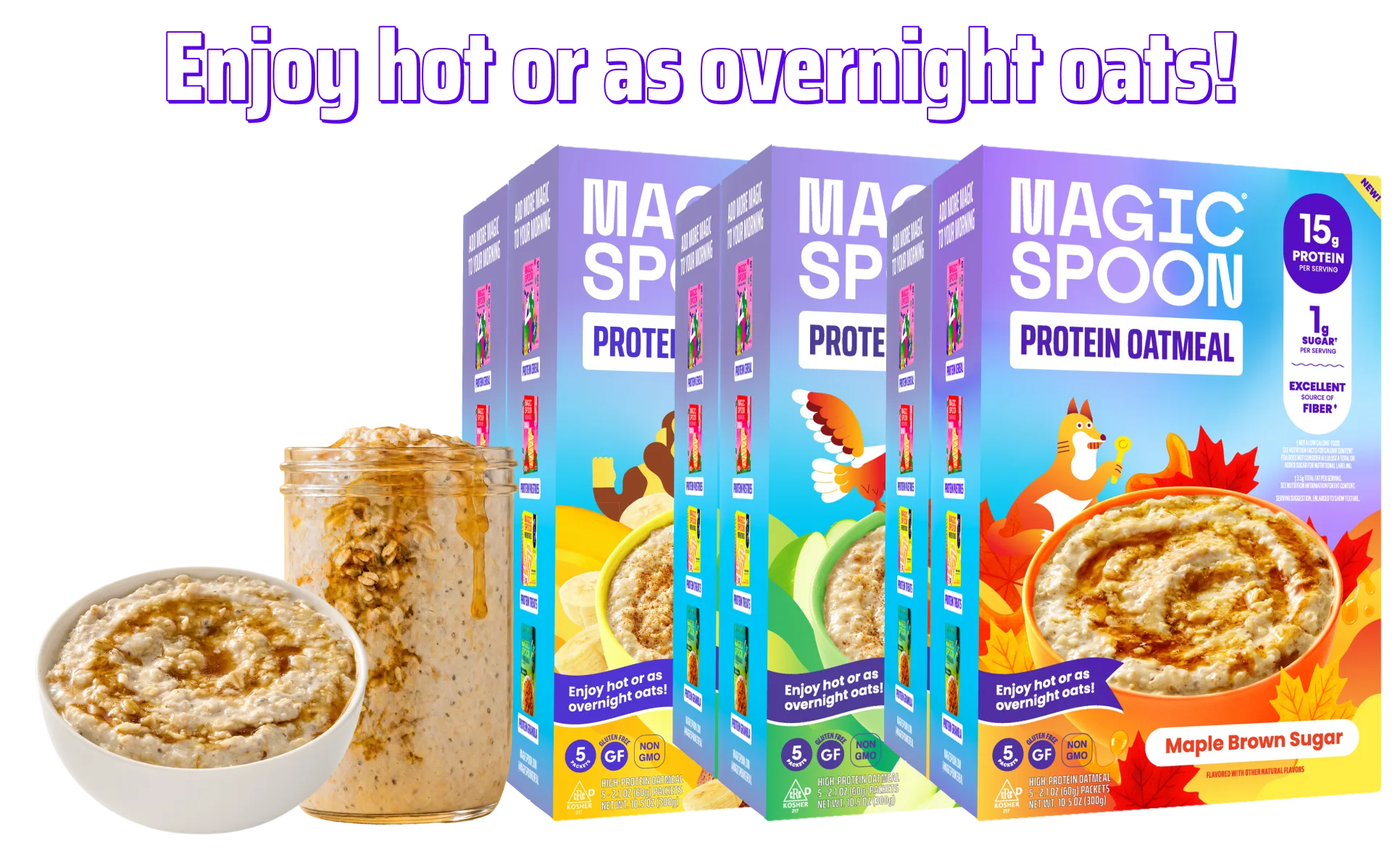
- If your child refuses cold cereal: Try a high-protein oatmeal packet instead. It delivers 15g of protein and 6g of fiber per bowl in the varieties listed above. Warm texture often wins with kids who dislike cold milk.
- If you are unsure which flavor to buy: Start with a variety pack or a single box, not a full case. Test at least three servings before you stock up. One rejected flavor is cheaper than a case of it.
- If your child has allergies: Read the allergen panel on every box before you buy. Protein cereals may contain milk, whey, or nuts. When in doubt, skip it and choose a product with a clear allergen statement.
Products that fit these rules
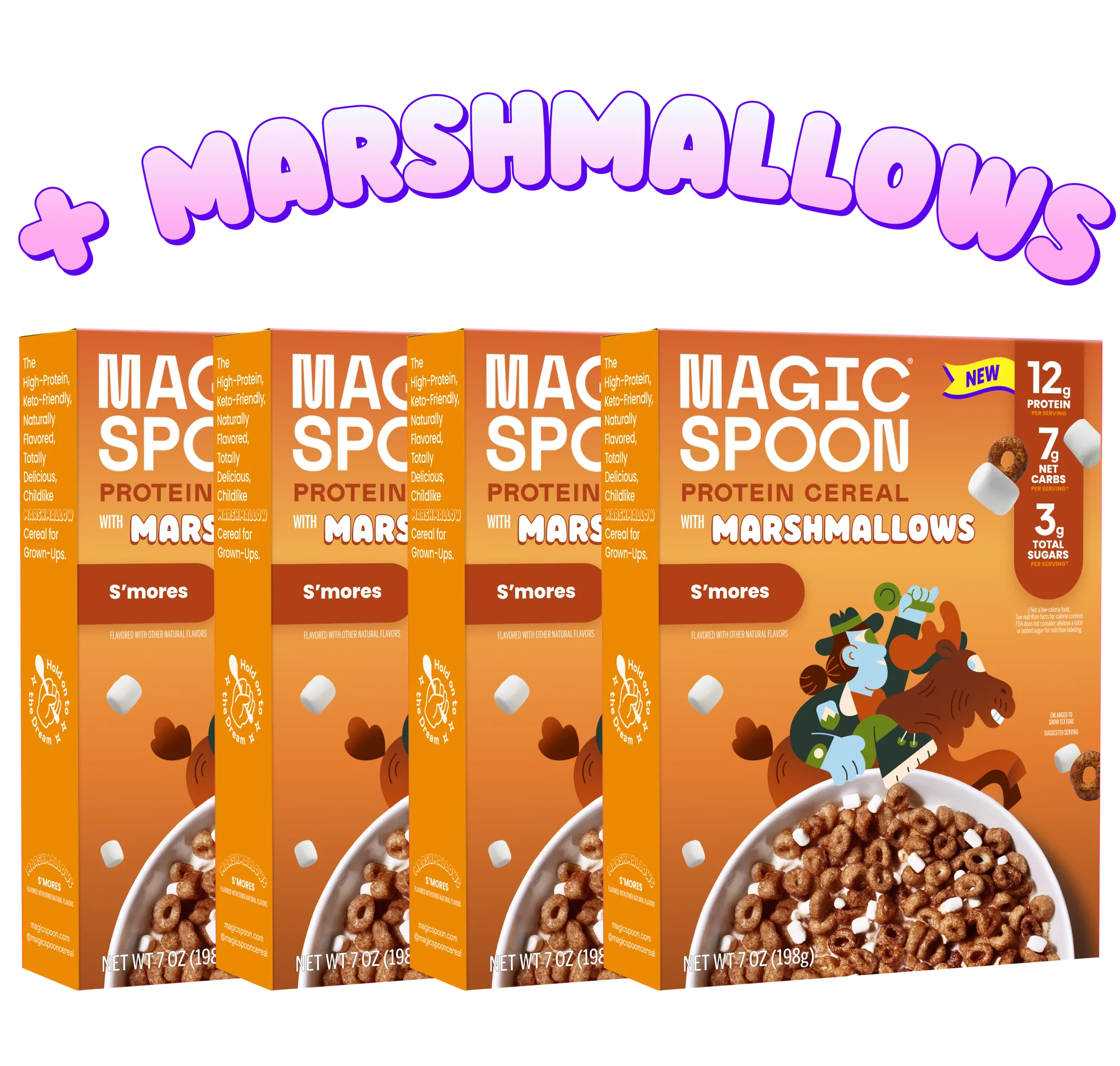
- Classic Marshmallow & S'mores - Protein Cereal with Marshmallows: Light, crispy loops meet real marshmallow bits, with 12g of protein and 3g of sugar in every bowl. Hits the 10–12g protein and under-4g sugar target, and the marshmallow flavor is familiar enough that most kids will try it.
- Classic Marshmallow - Protein Cereal with Marshmallows: Classic Marshmallow Protein Cereal with real marshmallow bits delivers 12g of protein and 3g of sugar in every bowl. A single-flavor option if your child already likes marshmallow and you do not want to commit to a variety pack.
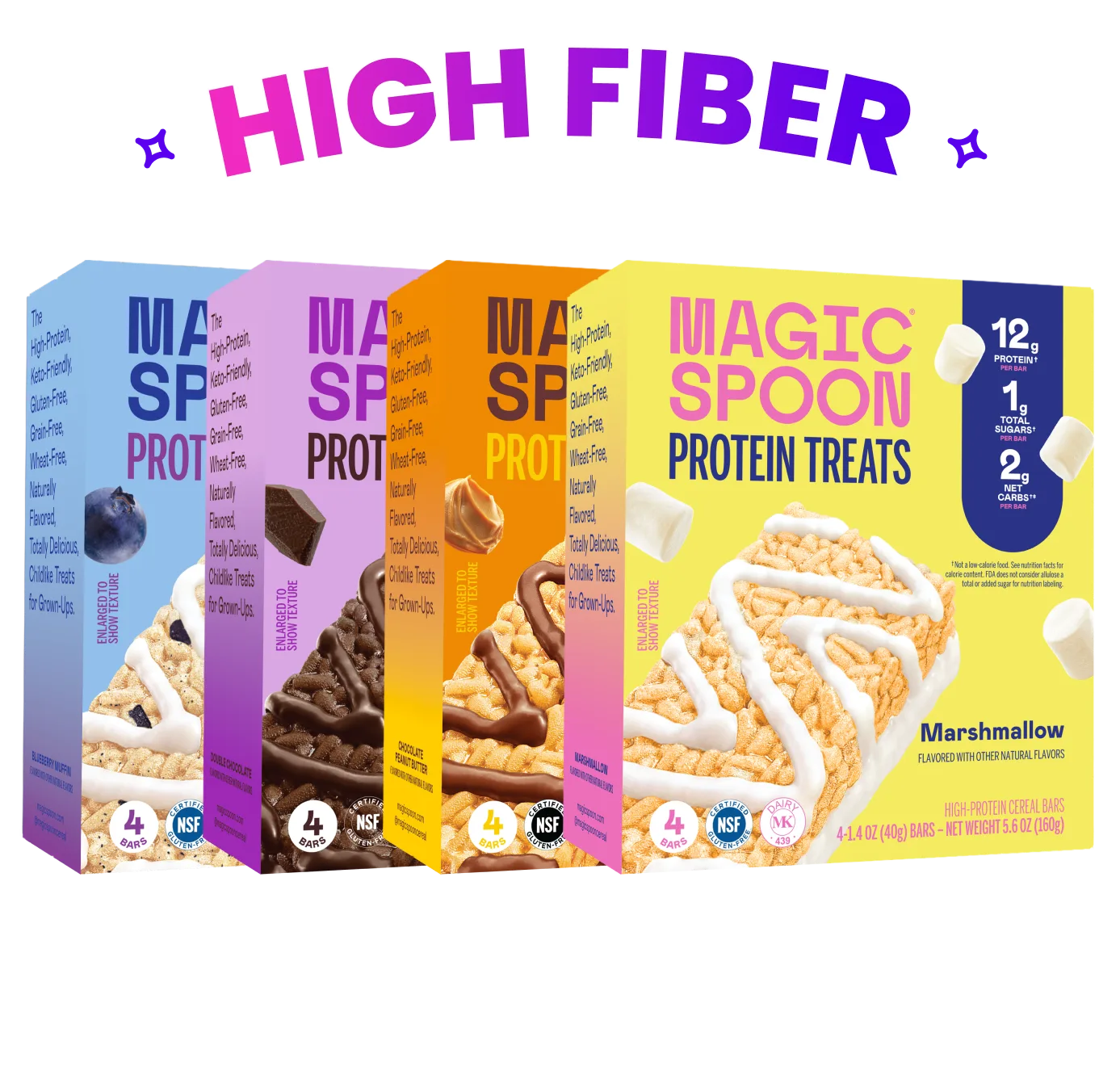
- Variety 4 - 16 Cereal Treats (4 Boxes): Variety 4 includes four boxes of Treats: Marshmallow, Chocolatey Peanut Butter, Blueberry Muffin, and Double Chocolate. Lets you test four treat flavors before buying a full case of one, which reduces waste if your child rejects a flavor.
- Oatmeal Variety 6 - 1 case (6 boxes): Oatmeal Variety 6 includes 10 packets each of Maple Brown Sugar, Apple Cinnamon, and Banana Bread, with 15g of protein, 6g of fiber, and 1g of sugar per bowl. A warm breakfast alternative if your child will not eat cold cereal, with higher protein and fiber than most cereals.
Who this approach fits
Best for
- Parents of kids ages 4–12 who want a faster, higher-protein breakfast
- Families who need portable snacks for school, sports, or car rides
- Parents who want to reduce sugar at breakfast without a fight
Not for
- Children under two, unless your pediatrician approves protein-fortified foods
- Kids with dairy or nut allergies unless the specific product is safe for them
- Families looking for a single product that replaces all meals and snacks