Quick answer
Pack your rolling duffel in layers: a light bottom layer, a dense middle layer, and a top layer for items you need first. Use packing cubes to compress clothing, keep the heaviest items over the wheel end, and leave the lid pocket for a toiletry kit or tech pouch. Weigh the bag before you leave and confirm your airline's carry-on or checked size limit.
A rolling duffel gives you the wide opening of a duffel and the easy transport of a wheeled bag, which makes it a strong choice for a week-long trip. The trade-off is that a single large compartment can turn into a pile of loose items unless you pack with a plan.
This guide walks through an ordered process for how to pack a rolling duffel for a week-long trip. Each step includes a checkpoint so you can catch the common mistakes before they cost you space, balance, or a gate-check fee.
Step 1: Choose a rolling duffel that fits your trip
Start by matching the bag to your airline and your itinerary. A rolling duffel for a week-long trip usually needs to hold five to seven days of clothing, a toiletry kit, and a pair of shoes without exceeding your carrier's size limit. Measure the bag's exterior dimensions and compare them to the published limits for your airline before you buy or pack.
If you plan to keep the bag with you, look for a rolling duffel that is explicitly sized as a carry-on or underseat bag. The CrewTM Classic Rolling UnderSeat Carry-On is designed for organized packing and fits right at your feet, which is useful when you want to avoid overhead bin space entirely. If you would rather roll a larger bag through the airport, a spinner-style carry-on like the CrewTM Classic Carry-On Spinner is built for dependability on frequent trips.
- Checkpoint: Confirm the bag's exterior dimensions against your airline's carry-on or checked limit before packing anything.
Step 2: Lay out everything before it goes in
Empty the bag and lay out every item on a bed or floor. Group clothing by category: tops, bottoms, layers, sleepwear, and shoes. This step is where week-long trip packing succeeds or fails, because you can see duplicates and unrealistic outfits before they take up space.
Build a simple capsule: three to four tops, two bottoms, one warm layer, one rain layer, and one pair of shoes you can walk in. Add underwear and socks for each day, then remove one of each. If you are traveling for business, swap one casual layer for a wrinkle-resistant blazer or a clean shirt that works with both bottoms.
- Checkpoint: If you cannot name the day you will wear an item, leave it out.
Step 3: Roll or fold with packing cubes
Packing cubes turn a rolling duffel's single cavity into movable drawers. Roll knit fabrics and casual shirts to save space, and fold structured items like collared shirts along their natural crease lines. Put each category in its own cube so you can pull one out without unpacking the whole bag.
Compression cubes help with bulky items, but do not over-compress. Overstuffed cubes become rigid bricks that are hard to fit around the wheel housing. Leave a little give in each cube so it can conform to the bag's shape.
- Checkpoint: Keep each cube under about two-thirds full so it can flex into the duffel's curves.
Step 4: Load the duffel in layers
Place soft, light items like rolled shirts or a packable jacket along the bottom, especially over the wheel end. Next, add the heaviest items, such as shoes or a toiletry kit, in the middle and centered over the wheels. Finish with a top layer of items you might need during travel, like a light layer or a book.
Keep the heaviest weight over the wheel end rather than the handle end. A rolling duffel that is top-heavy will tip when you let go of the handle, and one that is bottom-heavy will drag. Test the balance by rolling the bag a few feet before you close it.
- Checkpoint: Roll the loaded bag a few steps; if it tips or drags, move the heaviest item toward the wheel end.
Step 5: Use the lid and end pockets for essentials
The lid pocket is for items you need without opening the main compartment: a toiletry kit, a tech pouch, or a small first-aid kit. Keep anything that could leak in a sealed pouch or a separate bag, because a spill inside a rolling duffel can ruin a week of clothing.
If your duffel has end pockets, use one for a water bottle bag or a compact umbrella and the other for a small crossbody or sling bag you can carry once you arrive. The Delve SMALL CROSSBODY SLING is a good example of a compact bag that holds daily necessities like a wallet, keys, and a phone, and it packs flat when you are not using it.
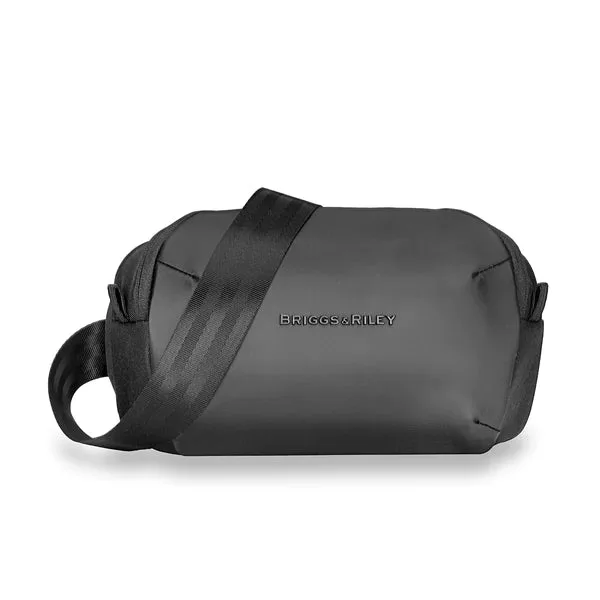
Delve SMALL CROSSBODY SLING
- Checkpoint: Seal all liquids in a separate pouch, then place that pouch upright in the lid pocket.
Step 6: Weigh the bag and confirm the limits
Weigh the packed duffel on a luggage scale before you leave. Week-long trip packing often adds up faster than expected, especially if you include shoes, a laptop, or a toiletry kit. If you are over the limit, move heavy items to a personal item or wear your bulkiest layer to the airport.
Check both the weight and the size limit for your specific airline and fare class. A bag that fits one carrier's sizer may not fit another's, and a rolling duffel's soft sides can bulge when it is full. Measure the packed bag, not just the empty one.
- Checkpoint: Weigh and measure the packed bag at home, not at the check-in counter.
Step 7: Pack a personal item that works with the duffel
A rolling duffel handles the bulk of your clothing, but you still need a personal item for valuables, documents, and anything you want at your seat. A backpack or tote that slides over the duffel handle keeps your hands free and your important items with you.
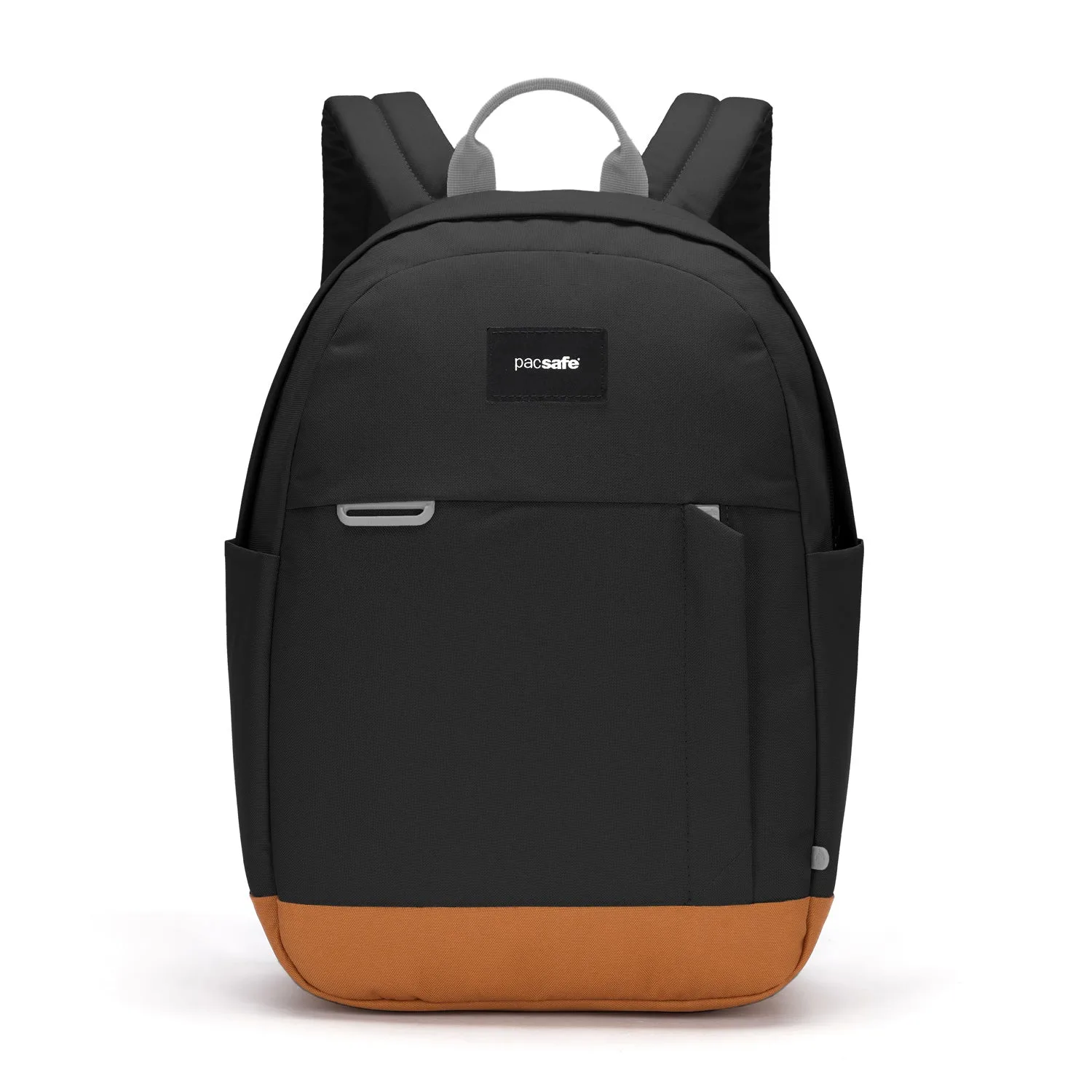
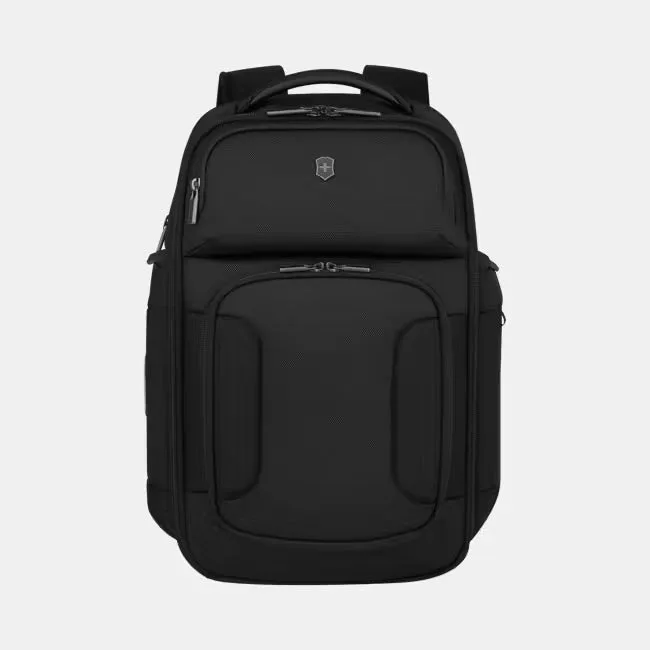
The Werks Traveler 7.0 Deluxe Backpack is designed to move from work meetings to the commute to after-work activities, so it can double as your business bag and your in-flight personal item. The Pacsafe® Go 15L Backpack is a compact anti-theft option with a 13-inch laptop sleeve, cut-resistant materials and straps, securable zippers, and an RFID-blocking pocket, which makes it a practical choice for a week-long trip where you will leave the duffel at the hotel.
- Checkpoint: Keep passports, medication, and electronics in the personal item, never in the rolling duffel.
Packing checkpoints at a glance
- Measure the bag before you pack: Compare the rolling duffel's exterior dimensions to your airline's carry-on or checked size limit. Checkpoint: If it is close to the limit, plan to check it rather than risk a gate-check fee.
- Build a capsule wardrobe: Choose three to four tops, two bottoms, one warm layer, one rain layer, and one walkable pair of shoes. Checkpoint: If you cannot name the day you will wear it, leave it out.
- Pack in cubes, then load in layers: Put soft items on the bottom, heavy items in the middle over the wheel end, and daily-use items on top. Checkpoint: Roll the bag a few steps to confirm it does not tip or drag.
- Protect the lid pocket: Seal liquids in a separate pouch and place them upright in the lid or an end pocket. Checkpoint: A leak in the main compartment can ruin a week of clothing.
- Weigh and measure the packed bag: Use a luggage scale at home and confirm both weight and size limits for your airline and fare class. Checkpoint: Move heavy items to your personal item if you are over.
- Keep valuables in your personal item: Carry passports, medication, and electronics in a backpack or sling, not in the rolling duffel. Checkpoint: Your personal item should slide over the duffel handle for hands-free transit.
Products that support this packing process
- Werks Traveler 7.0 Deluxe Backpack: Designed to maximize space and to move from work meetings to the commute to after-work activities. It can serve as your personal item and your business bag on a week-long trip, so you do not need a separate briefcase.
- Pacsafe® Go 15L Backpack: A compact anti-theft backpack with a 13-inch laptop sleeve, cut-resistant materials and straps, securable zippers, and an RFID-blocking pocket. It keeps valuables secure when you leave your rolling duffel at the hotel and carry only the essentials for the day.
- Delve SMALL CROSSBODY SLING: A small sling designed to hold daily necessities like a wallet, keys, and a phone. It packs flat in your duffel and gives you a hands-free bag for day trips once you arrive.
Packing a rolling duffel for a week-long trip comes down to a repeatable order: measure the bag, build a capsule, cube and layer your clothing, protect the lid pocket, and weigh the result. Do those steps and your duffel will roll balanced, open without an avalanche, and keep your essentials within reach.