Quick answer
Pack your tote bag for a day trip by layering from the bottom up: heavy items first, then bulky soft items, then small essentials in side pockets, and finally a light layer on top. Keep the bag under 15 pounds and use pouches or packing cubes so you can find things without unpacking the whole tote.
A tote bag is the easiest carry for a day trip—until it becomes a black hole. The fix is not a bigger bag; it is a packing order that matches how you will reach for things. This guide walks through seven steps, from choosing the right tote to a final check before you leave.
You will also see how a few smart accessories, like a collapsible stool or a compact shelter, can turn a crowded tote into a comfortable base camp. The goal is simple: carry less, find things faster, and enjoy the day.
Step 1: Choose the right tote for the day
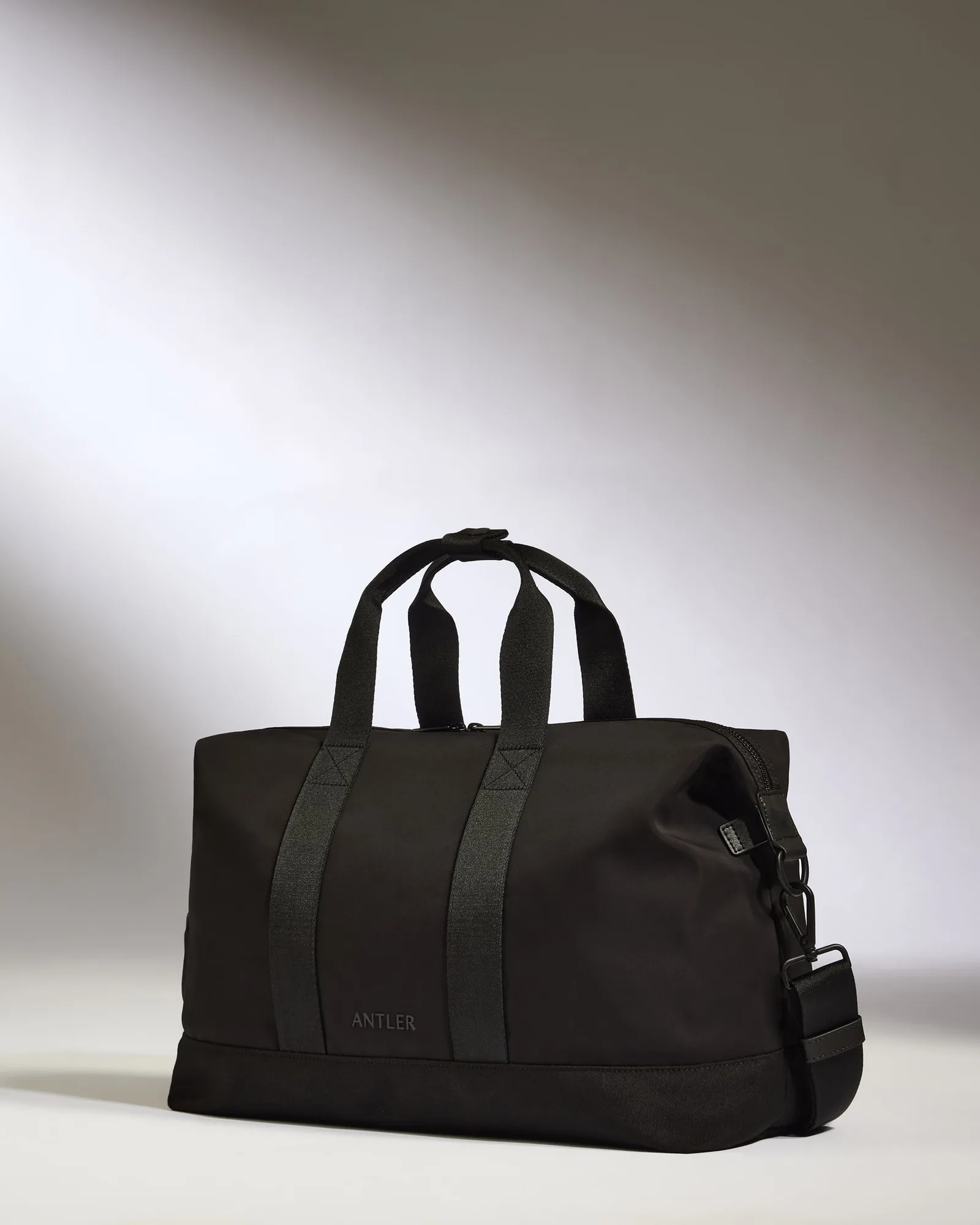
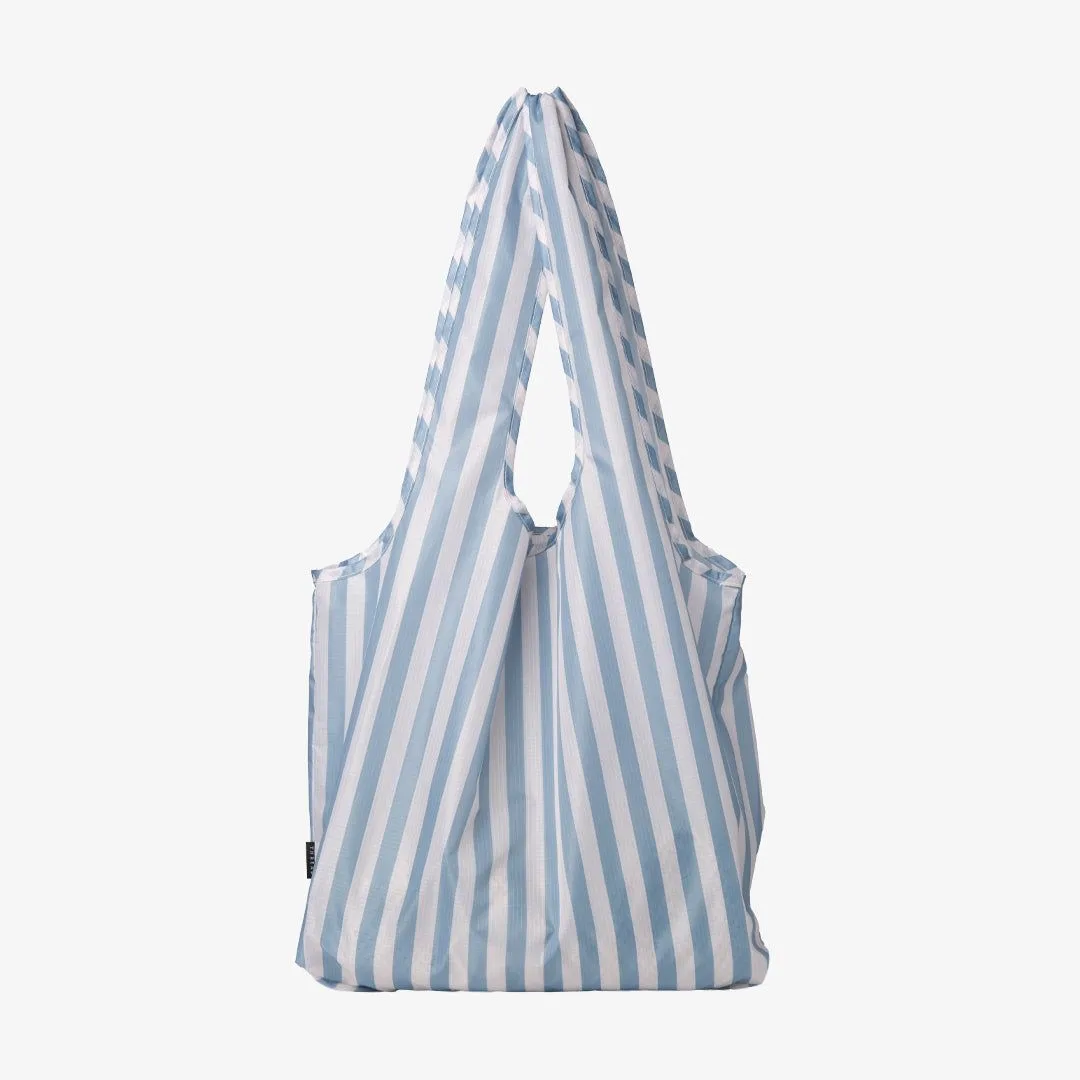
Start with a tote that matches your day. A 15–20 liter tote works for a solo city or beach trip; a 25–30 liter tote fits two people or a picnic. Look for wide straps, a flat bottom, and at least one interior pocket. Avoid open-top totes if you will be on a boat or in wind.
If you plan to sit or set up shade, consider whether the tote needs to carry a compact chair or sunshade. Measure the folded size of those items before you commit to a bag.
- Checkpoint: Put the tote on and walk around the room. If it digs into your shoulder, switch to a wider strap or a different bag.
Step 2: Lay out everything before it goes in
Empty the tote and group items on the floor: water, snacks, sun protection, layers, electronics, and a small first-aid kit. This prevents duplicates and forgotten items. It also shows you the true volume you are dealing with.
Common mistake: Packing directly into the tote. You will bury small items and forget what is at the bottom.
- Checkpoint: If the pile is taller than the tote is deep, remove one bulky item or plan to carry it separately.
Step 3: Pack heavy items against your back
Place water bottles, a folded stool, or a heavy snack container at the bottom and closest to your body. This keeps the bag from pulling away from you and reduces shoulder strain. If your tote has a flat bottom, set heavy items there first.
For a day trip, a 20-ounce bottle per person is a good baseline; refill when you can. Keep the heaviest single item centered, not on one side.
- Common mistake: Putting a heavy bottle in a side pocket. It throws off balance and can pop the seam.
Step 4: Add soft, bulky items in the middle
Layers, a small blanket, or a lightweight shelter go in the middle. These items fill space and cushion hard edges. Roll soft items instead of folding them flat—rolls pack tighter and are easier to pull out.
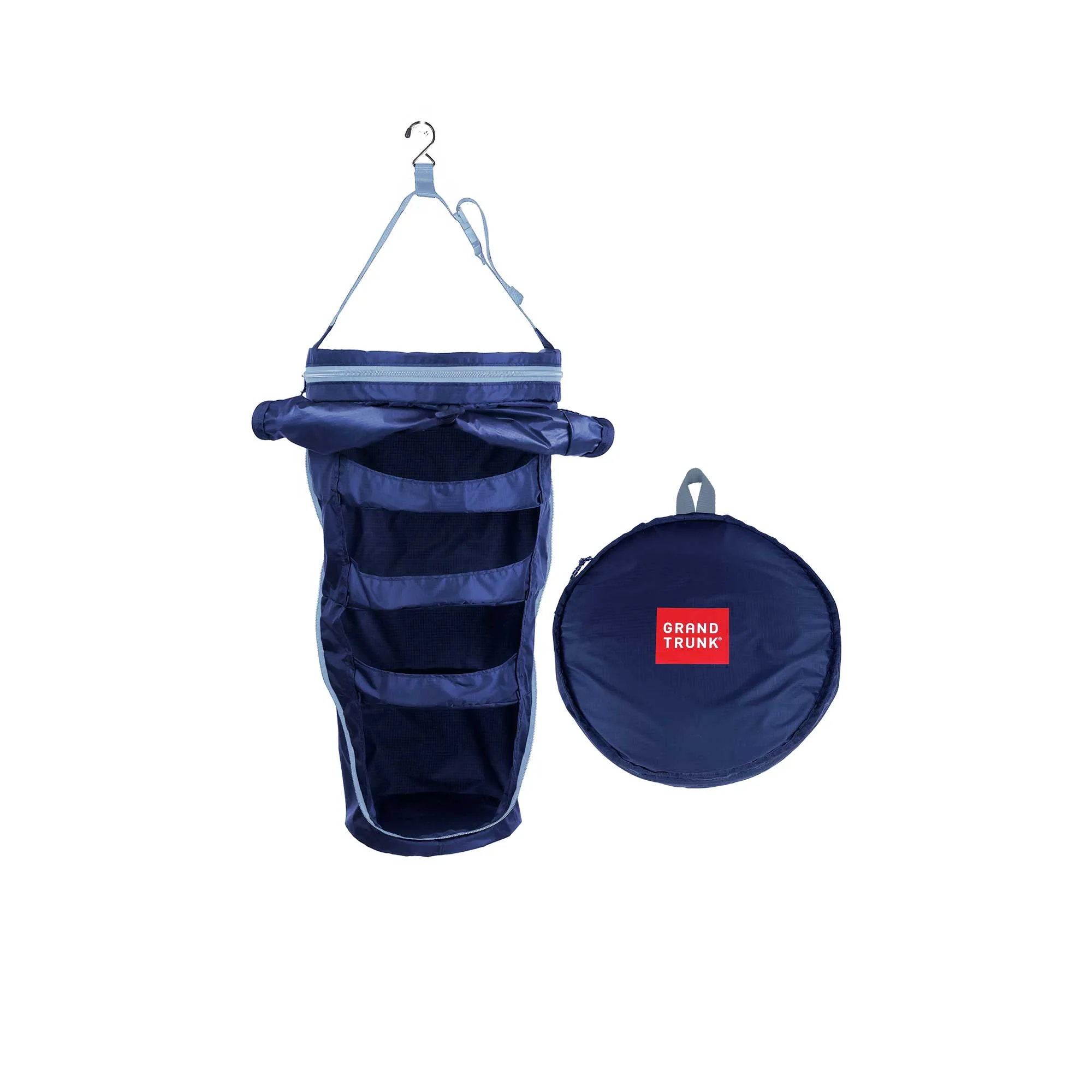
If you bring a compact sunshade or shelter, check its packed size. The ShadeCaster 2 Person Sunshade packs into its own bag, so it can sit in the middle without shifting.
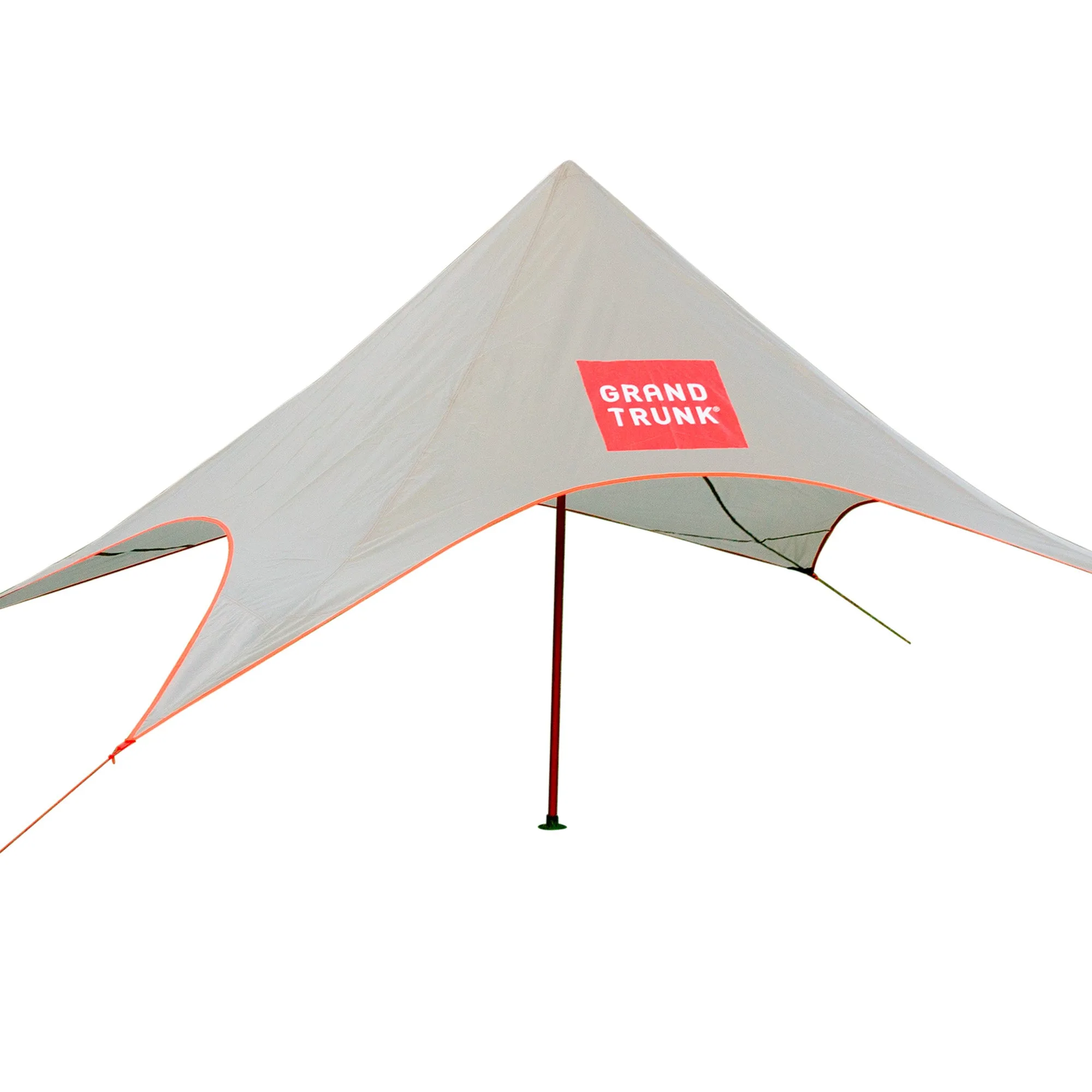
ShadeCaster 2 Person Sunshade
- Checkpoint: Shake the tote gently. If you hear sliding, add a soft item to fill the gap.
Step 5: Put small essentials in reachable pockets
Phone, keys, sunscreen, lip balm, and a power bank belong in exterior or top interior pockets. If your tote lacks pockets, use a small pouch or a zippered pencil case. This is tote bag organization in practice: the things you use most should never require unpacking.
Keep a small trash bag and a microfiber cloth in the same pouch. They weigh almost nothing and solve two common day-trip problems.
- Common mistake: Dropping loose keys and coins into the main compartment. They migrate to the bottom and scratch electronics.
Step 6: Use the top layer for quick-access and fragile items
The last items in should be the first you might need: a hat, sunglasses, a light jacket, or a snack. Fragile items like goggles or a camera go on top, ideally inside a soft pouch. This layer also closes the bag visually so you can see if anything is missing.
If you carry swim goggles, keep them in a hard case or wrapped in a cloth. The BuddySwim Ozean Swim Googles are built for comfort and clear views, but the lenses still appreciate protection from keys and bottles.
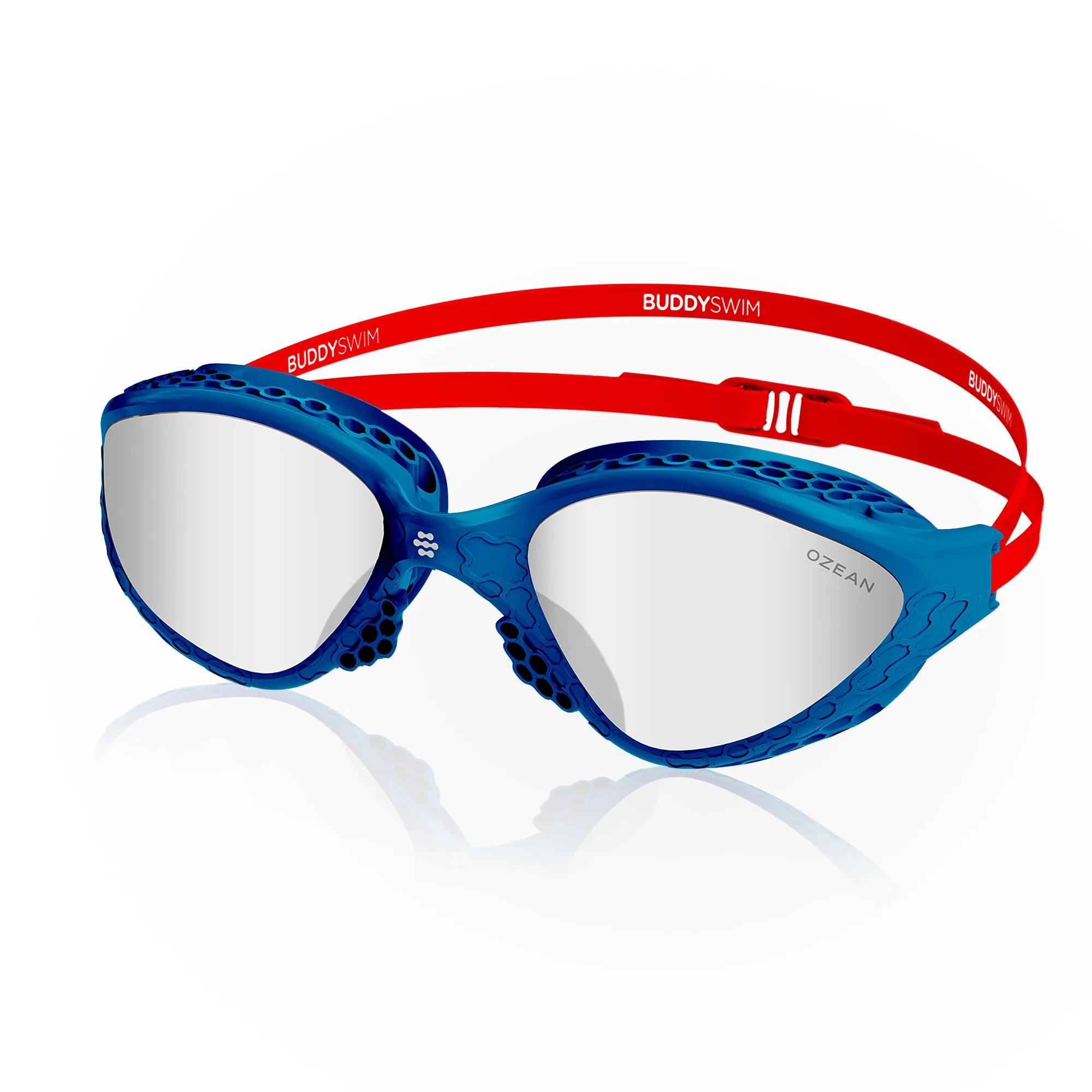
BuddySwim Ozean Swim Googles
- Checkpoint: Zip or close the tote and lift it. Nothing should shift more than an inch.
Step 7: Do a final weight and weather check
Weigh the tote on a kitchen scale or estimate: a day trip tote should stay under 15 pounds for most adults. If it is heavier, remove items you can buy or refill on the way, like extra water or snacks. Check the forecast and add only what the weather requires.
If rain is likely, line the tote with a dry bag or a large ziplock for electronics. A light rain shell can also serve as a cover in a pinch.
- Common mistake: Packing for every possible scenario. A day trip is hours, not days—trust refills and layers.
Day-trip tote packing steps at a glance
- Pick the tote size: 15–20 L for solo, 25–30 L for two. Look for wide straps and a flat bottom. If it digs into your shoulder when empty, it will hurt when full.
- Lay everything out first: Group by use: water, snacks, sun, layers, electronics, first aid. If the pile is taller than the tote, remove one bulky item.
- Heavy items low and centered: Water, stool, or heavy food go at the bottom against your back. Keep side pockets for light items only.
- Soft items in the middle: Roll layers, blankets, or a compact shelter to fill gaps. Shake the tote—if it slides, add a soft item.
- Small essentials in pockets: Phone, keys, sunscreen, power bank in reachable spots. Use a pouch if your tote has no pockets.
- Top layer for quick access: Hat, sunglasses, snack, fragile items on top. Nothing should shift more than an inch when lifted.
- Final weight and weather check: Stay under 15 pounds; add only what the forecast requires. If it is heavier, remove refillable items.
Gear that earns its place in a day-trip tote
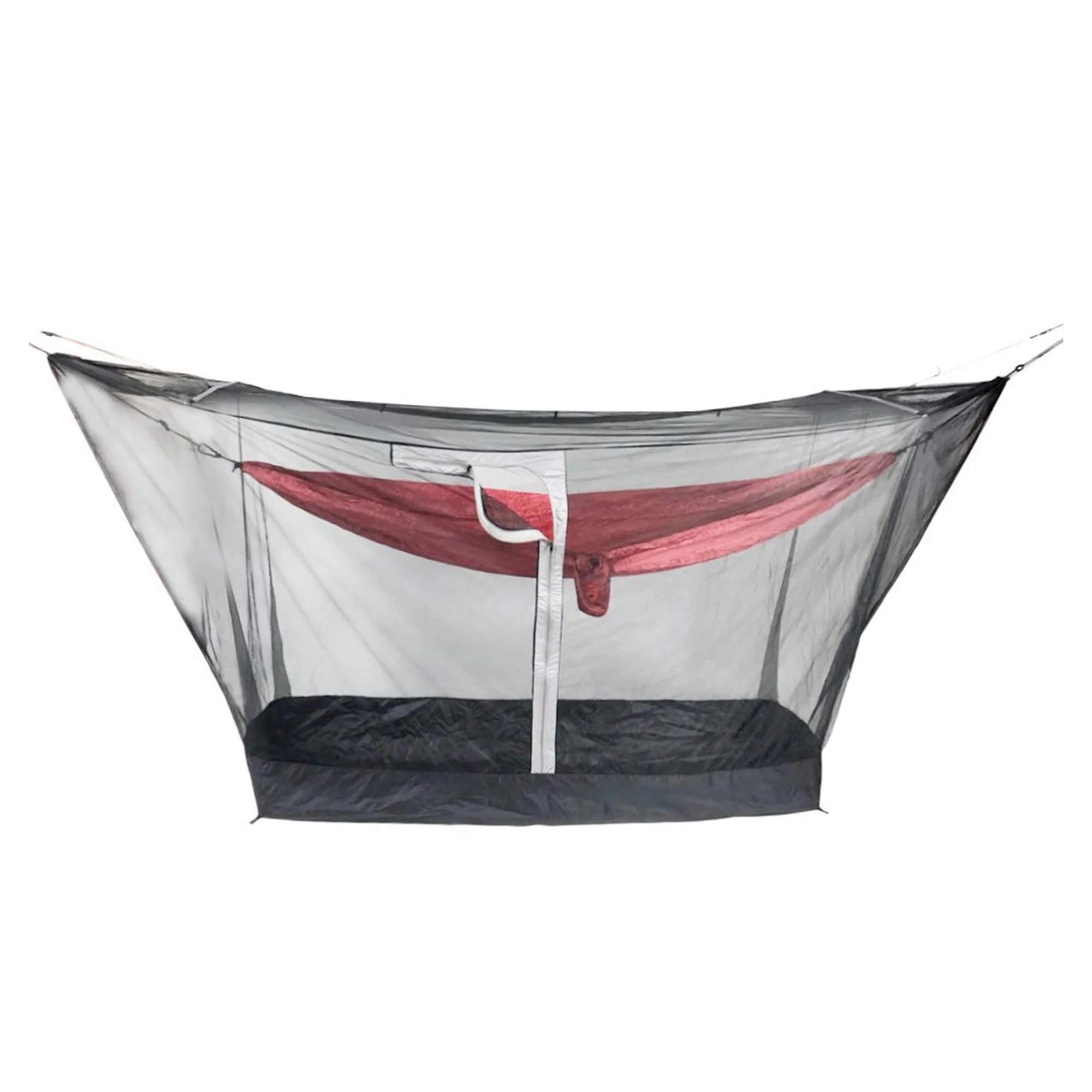
- MOZZY 360 Hammock Bug Net Shelter: Features deluxe mosquito netting that fits almost any hammock, a built-in door, and a water-resistant bathtub bottom. If your day trip includes a hammock nap near water, this adds bug-free protection for you and your gear without a separate tent.
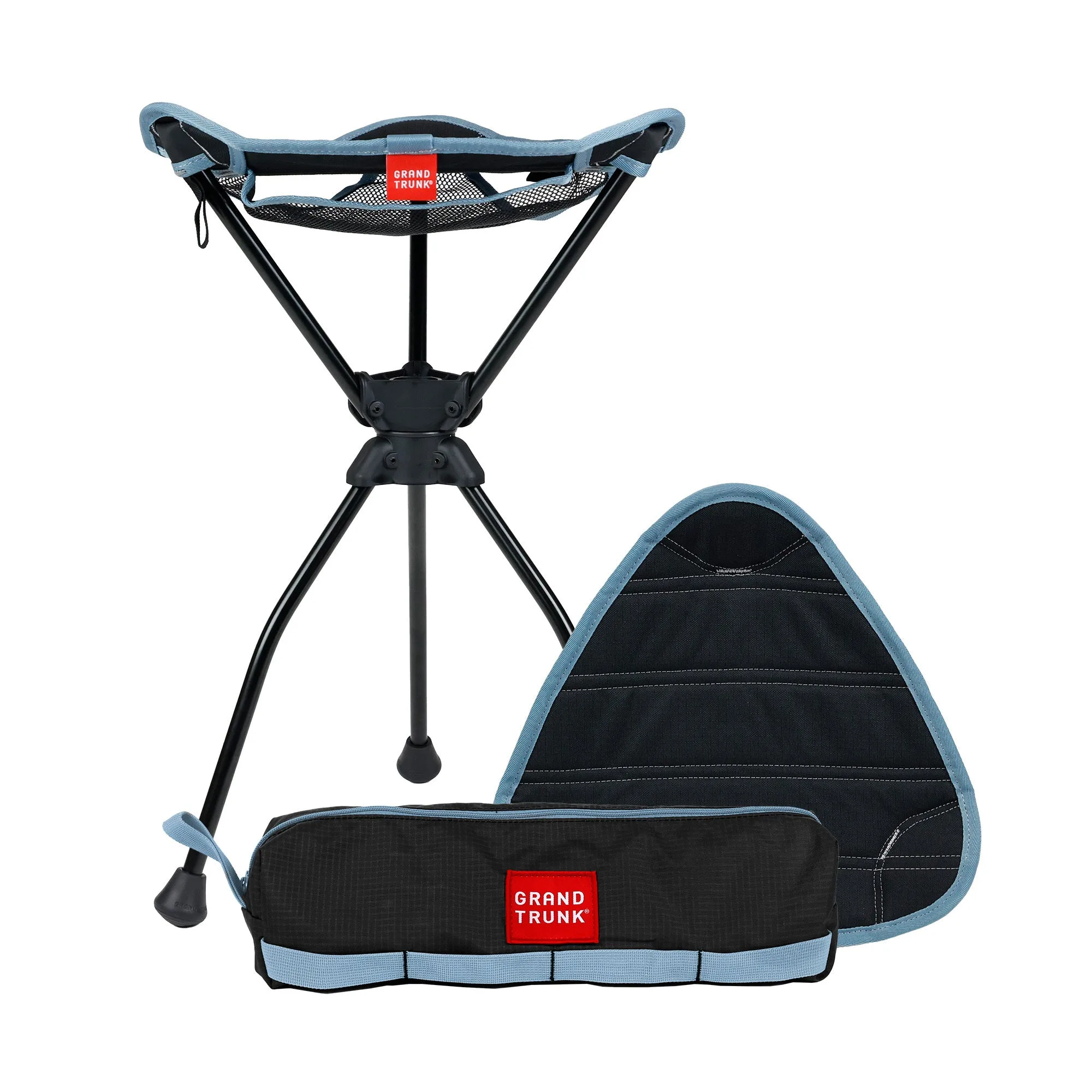
- Compass 360° XT Swivel Stool - Extra Tall: Extra tall design stands at 20 inches and is built for camping, fishing, or outdoor sitting. A taller seat is easier on knees and keeps you off damp ground, but it takes up space—pack it at the bottom of the tote or strap it outside.
- ShadeCaster 2 Person Sunshade: Simple design sets up and takes down in minutes and packs into its own bag. A compact shade option for two people makes a hot day trip more comfortable, and the included bag keeps it from snagging other gear.
A well-packed tote bag turns a day trip into a series of easy reaches instead of a scavenger hunt. Start with the seven steps, adjust for your own gear, and leave room for one small comfort item—that is usually the difference between a good day and a great one.