Quick answer
To avoid checked luggage fees, build your trip around one bag that fits your airline's carry-on size rules, pack by category instead of by outfit, and use organizers so you can see and reach everything without unpacking. Choose a bag with a trolley sleeve and enough compartments, pack it once, then do a final weigh-and-measure check before you leave.
Checked bag fees are one of the easiest travel costs to skip, but only if your bag and your packing method work together. The goal is not to cram more into a smaller space; it is to pack exactly what you will use and leave room for the things you pick up along the way.
This guide walks through a repeatable process for packing carry-on only. You will start with airline size rules, choose a bag that matches your trip, then pack in layers so a week of clothing fits without stress. Each step includes a checkpoint so you can catch problems before the airport.
Step 1: Check your airline's carry-on size rules first
Before you pack anything, look up the carry-on dimensions for the airline you are flying. Most domestic carriers publish a maximum height, width, and depth, and some budget airlines are stricter than others. Write those numbers down and measure your bag at home, including any handles or wheels that stick out. A bag that is one inch too tall can be gate-checked, which usually means a fee.
This is also the moment to decide whether you are bringing a personal item in addition to your carry-on. A personal item must fit under the seat in front of you. If you plan to bring both, pack the personal item with the things you need during the flight, and keep the carry-on for clothing and toiletries.
- Checkpoint: Measure your packed bag with a tape measure, not by eye. Airline sizers are unforgiving.
- If your bag is close to the limit, wear your bulkiest layer on the plane instead of packing it.
Step 2: Choose a travel bag that matches how you move
The right bag depends on your trip. A weekender works when you are going from car to hotel and want one large opening. A backpack works when you will walk through train stations or carry your bag for long stretches. A tote works when you want quick access and a polished look for a business trip. Each shape has tradeoffs in capacity and comfort.
Look for a trolley sleeve if you travel with a rolling suitcase, because it lets your bag sit securely on the handle. Look for multiple compartments if you carry small items like chargers, snacks, and a water bottle. A bag with structure holds its shape when full, which makes it easier to pack and unpack in a small hotel room.
- Checkpoint: Pack your bag before you buy it if you can, or compare the listed dimensions against your airline's limit.
- A bag with a laptop compartment is useful for work trips, but only if you actually need to carry a laptop.
Step 3: Lay out everything, then cut it in half
Pull out every item you think you need and place it on the bed. Then remove the duplicates: two pairs of jeans, three pairs of shoes, and a second jacket are the usual culprits. For a week-long trip, aim for three to four tops, two bottoms, one dress or layer, and one pair of shoes on your feet plus one packed pair.
Choose a color palette so everything matches. If every top works with every bottom, you can create more outfits with fewer pieces. This is the core of how to pack light for flights: fewer items, more combinations.
- Checkpoint: If you cannot carry your packed bag comfortably for ten minutes, you packed too much.
- Roll knit fabrics and fold structured items to save space and reduce wrinkles.
Step 4: Pack in layers and use organizers
Start with the heaviest items at the bottom of the bag, closest to your back or the wheels. Put shoes in a bag or pouch and place them along the edges. Roll clothing into cylinders and stack them vertically so you can see everything at a glance. Use packing cubes or pouches to group small items by category.
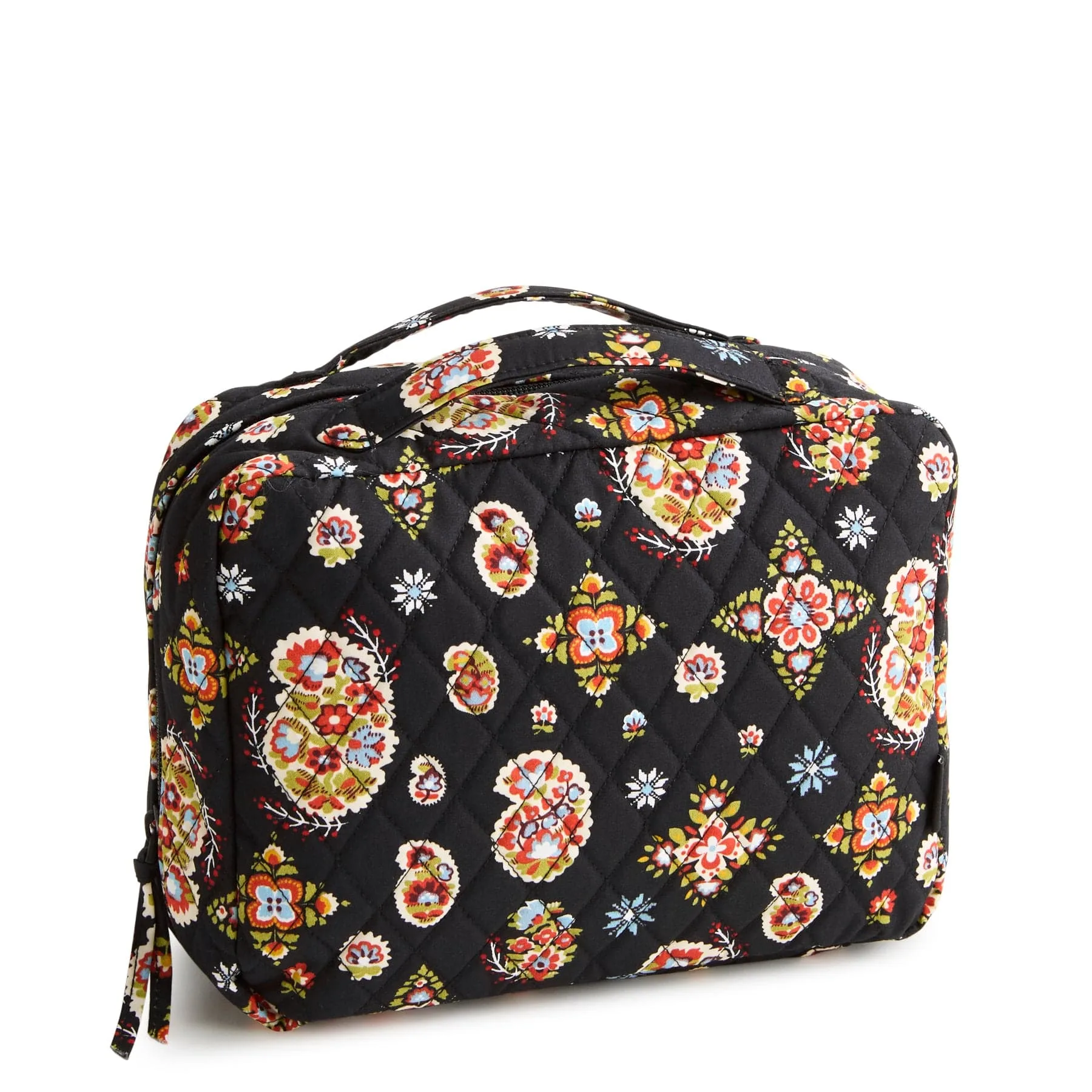
A https://verabradleyoutletex.com/products/hanging-travel-organizer-5555323513-84c8f7c7b7cbe91e5e8b02ad-1642376hanging travel organizer keeps toiletries and small accessories contained and can be hung in a bathroom, which saves counter space. Keep liquids in a clear quart-size bag at the top of your carry-on so security screening is quick. Put chargers, cables, and headphones in one pouch so you are not digging through the bag at the gate.
- Checkpoint: Leave one small area empty for souvenirs or dirty laundry.
- Keep a written list of where you packed each category for the first day of the trip.
Step 5: Do a final weigh-and-measure check
Weigh your packed bag on a bathroom scale and compare it to your airline's carry-on weight limit if one applies. Measure the height, width, and depth one more time. If you are over, remove the heaviest low-use items first, such as a second pair of shoes or a thick sweater. Wear those items on the plane if you need them.
Take a photo of your packed bag before you close it. This helps you remember what you brought and where it went, and it makes repacking for the return trip much faster.
- Checkpoint: If your bag does not close without force, you are overpacked. Remove something.
- Put your ID, wallet, and phone in a dedicated pocket you can reach without opening the main compartment.
Carry-on packing steps at a glance
- Check airline size rules: Look up the carry-on dimensions for your airline and measure your bag at home, including handles and wheels. Checkpoint: If your bag is even slightly over, plan to wear your bulkiest layer or switch bags.
- Choose the right bag shape: Pick a weekender, backpack, sling, or tote based on how you will move and what you need to carry. Checkpoint: A trolley sleeve and multiple compartments make a bag easier to live with in transit.
- Edit your packing list: Lay everything out, remove duplicates, and build a color palette so every top works with every bottom. Checkpoint: If you cannot carry the packed bag for ten minutes, remove items before you leave.
- Pack in layers with organizers: Place heavy items at the bottom, roll clothing, and group small items in pouches or a hanging organizer. Checkpoint: Keep liquids in a clear quart-size bag at the top for security.
- Weigh and measure once more: Use a bathroom scale and tape measure, then remove the heaviest low-use items if you are over. Checkpoint: Photograph your packed bag so repacking for the return trip is faster.
Travel bags and organizers that support carry-on packing
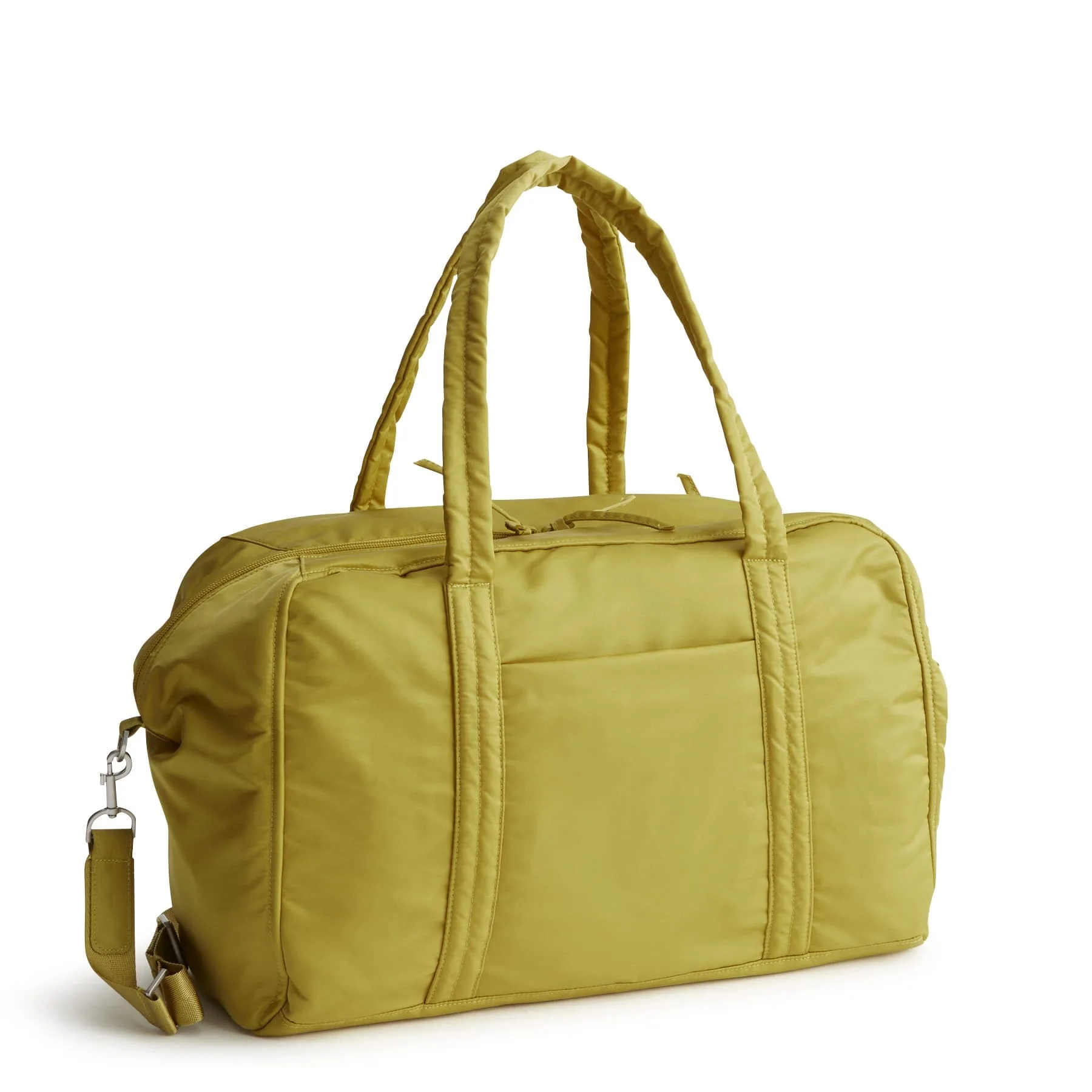
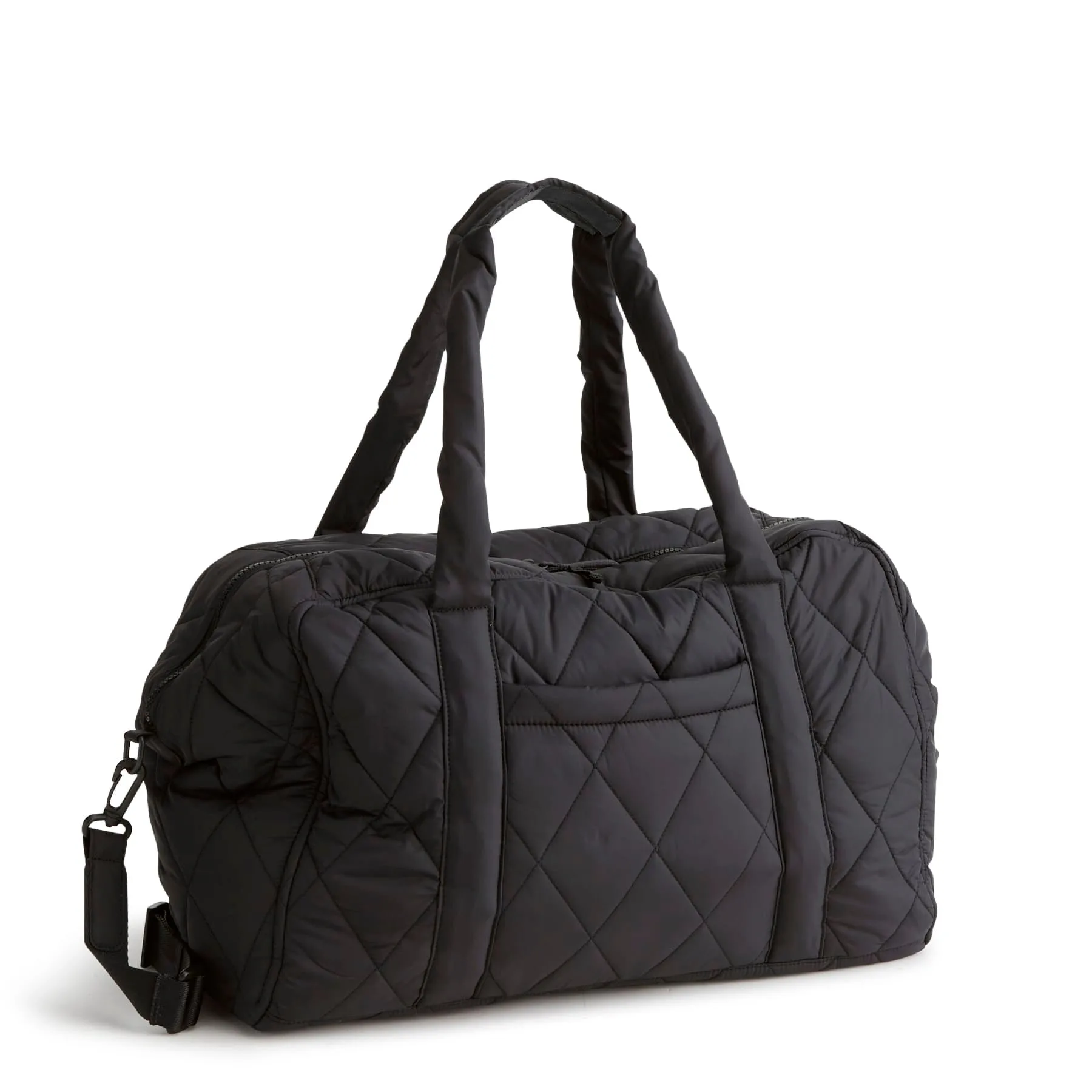
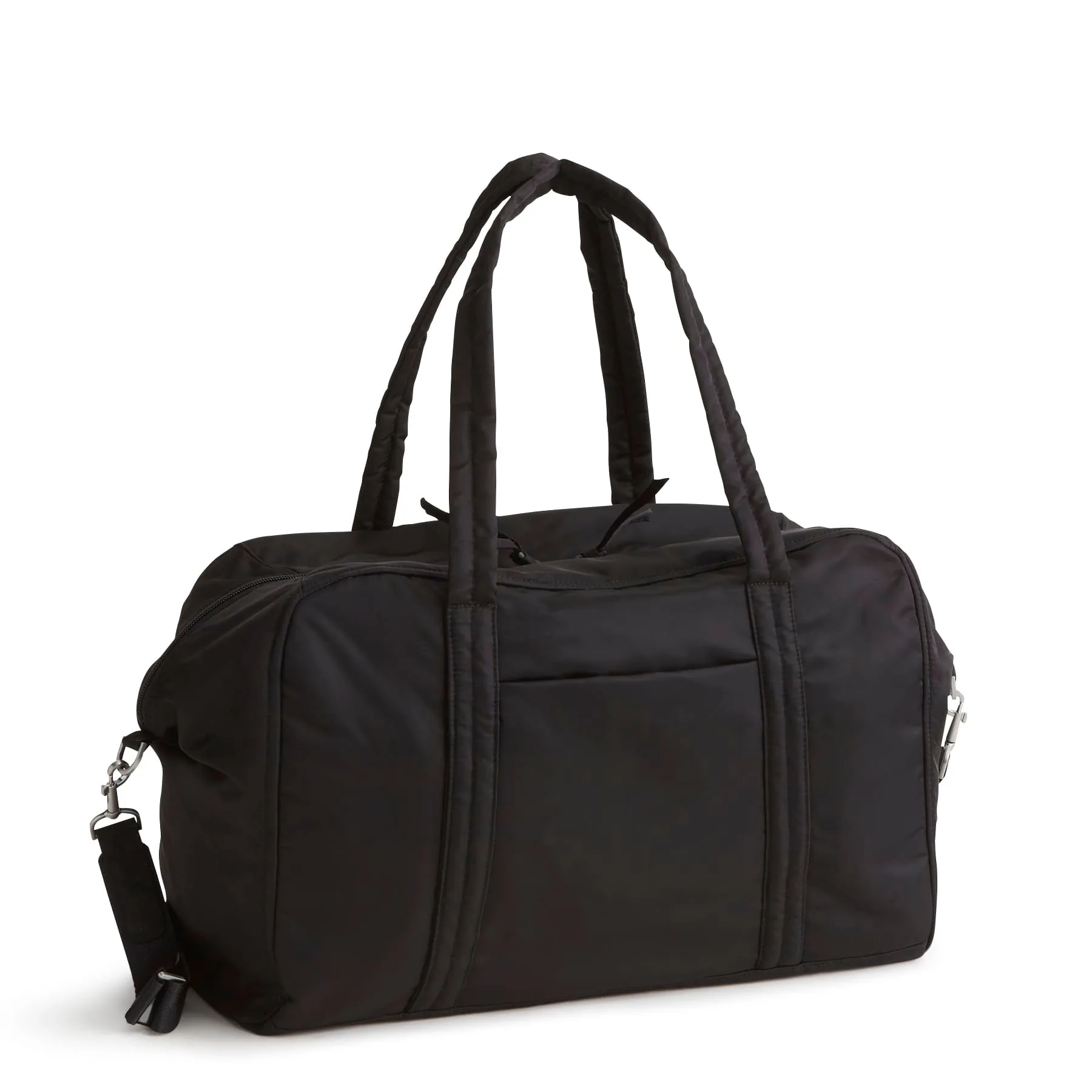
- https://verabradleyoutletex.com/products/miramar-weekender-5021120134-74d88ebfdef7b6626d487087-1642497https://verabradleyoutletex.com/products/miramar-weekender-5021120089-bd99ea4dd92b713ed7c38ba5-1642499Miramar Weekender: Designed for the modern traveler who values both fashion and functionality, this spacious bag offers ample storage space for all your essentials while ensuring you stay organized and stylish on your adventures. A weekender gives you one large opening for clothing and a separate space for shoes or laundry, which makes it easier to pack carry-on only for a short trip.
- Outlet Essential Large Backpack: Three compartments; exterior features two side pockets and a trolley sleeve; front compartment features a pen slip pocket and four slip pockets; main compartment features two slip pockets and a zip pocket; accommodates up to a 17-inch laptop. Multiple compartments keep small items organized, and the trolley sleeve lets the backpack sit on a rolling suitcase handle, so you can move through the airport hands-free.
- Outlet Essential Hanging Travel Organizer: Interior features three mesh zip compartments; metal hanger tucks away for travel; wipe-clean lining; dimensions 9.75 inches wide by 6.5 inches high by 4.0 inches deep; weight 0.47 pounds. A hanging organizer keeps toiletries and small accessories contained and visible, so you can unpack in seconds and avoid spreading items across a hotel bathroom.
- Outlet Essential Sling Backpack: Two compartments; main compartment features a zip pocket; zip closure; capacity 3 liters; dimensions 6.5 inches wide by 11.0 inches high by 2.75 inches deep; adjustable strap at longest length 44.0 inches; weight 0.44 pounds. A sling backpack works as a personal item for the items you need during the flight, and its slim shape keeps it from crowding your carry-on.
Packing carry-on only is a skill you build with each trip. Start with your airline's size rules, choose a bag that fits how you travel, and pack by category instead of by outfit. Do the final weigh-and-measure check, and you can skip the checked bag line and keep that fee in your pocket.