Quick answer
Pack the Allpa 18L Daypack by weight and access: heaviest items like water and food flat against your back in the main compartment, layers on top of them, and small essentials in the front panel and mesh pockets. Keep rain gear and a snack in the quickest-to-reach spot so you are not unpacking the whole bag on the trail. With only 18 liters, every item has to earn its place.
Start with a realistic day hike packing list
An 18L pack rewards restraint. Before you touch the bag, lay out what you actually need for the hours you will be out: water, food, a layer, rain protection, navigation, sun protection, a small first-aid kit, and your phone. Anything beyond that list is probably a comfort item, not a necessity. If you are hiking in a group, split shared gear like a pump or extra water filter so no single pack carries it all.
Load the main compartment back-to-front
The Allpa 18L is a traditional panel-loader, which means it opens flat and you can see the whole main compartment at once. Put the heaviest, densest items, such as a full water bottle or a packed lunch, closest to your back to keep the load stable. Then add your spare layer on top of them. Keep the lightest items, like a puffy or a towel, toward the outside of the compartment so they do not push weight away from your spine.
Use the laptop sleeve as a flat-item zone
The Allpa 18L includes a laptop and tablet sleeve, and on a day hike that sleeve is a useful flat pocket rather than dead weight. Slide a folded map, a thin sit pad, or a compact rain shell into it so stiff or flat items stay pressed against your back instead of bulging into the middle of the pack. If you are carrying a tablet for photos or navigation, the sleeve keeps it from sliding around when the trail gets steep.
Keep water and snacks reachable without stopping
The Allpa 18L has mesh exterior water bottle pockets, so use them for the bottle you are actively drinking from rather than burying it inside. If you carry a second bottle or a bladder, put that one in the main compartment as part of your base weight. Snacks belong in an outer pocket or the top of the main compartment, not at the bottom under your layers. The goal is to eat and drink while you walk, which keeps your energy steadier than waiting for a formal break.
Pack for weather you might actually get
A day hike can start sunny and turn windy or wet, so a light rain layer and a warm midlayer should go in even when the forecast looks clear. Roll or fold them rather than stuffing them loose, because a rolled layer takes less space and is easier to pull out one-handed. If you expect rain, put the rain shell in the laptop sleeve or near the top of the main compartment so you can grab it without exposing everything else to the weather.
Close the pack, then test the weight
Before you leave the trailhead, put the pack on and walk a few steps. The load should sit close to your back and not pull backward when you lean forward. If it does, shift the heaviest item higher or closer to your spine. Check that the zippers close without strain; an overstuffed panel-loader is harder to open and puts stress on the fabric. If you cannot close it comfortably, you are carrying more than the day requires.
Day hike packing steps for the Allpa 18L
- Lay out only what the hike requires: Build your pile from water, food, one warm layer, rain protection, navigation, sun protection, a small first-aid kit, and your phone. Leave comfort extras at home or in the car. Checkpoint: if you have more than two comfort items, you are probably overpacking for 18 liters.
- Load heavy items against your back: Open the panel flat and place water and food closest to your spine, then stack your spare layer on top of them and keep light items toward the outside. Checkpoint: the pack should feel stable, not like it is pulling you backward.
- Use the laptop sleeve for flat gear: Slide a map, sit pad, or rain shell into the laptop and tablet sleeve so stiff items stay flat against your back instead of bulging into the middle. Checkpoint: nothing in the sleeve should poke into your spine when you wear the pack.
- Put your active bottle in the mesh pocket: Keep the bottle you are drinking from in the exterior mesh pocket and store a backup bottle or bladder inside the main compartment as part of the load. Checkpoint: you should be able to drink without taking the pack off.
- Keep snacks and rain gear on top: Place snacks and your rain shell at the top of the main compartment or in an outer pocket so you can reach them without unpacking everything. Checkpoint: if you have to dig past your layers for a snack, repack it higher.
- Zip up and do a fit check: Close all zippers without forcing them, put the pack on, and lean forward. If the load shifts or pulls away from your back, move the heaviest item closer to your spine. Next step: if the pack will not close comfortably, remove one item rather than straining the zippers.
Allpa 18L Daypack facts that affect packing
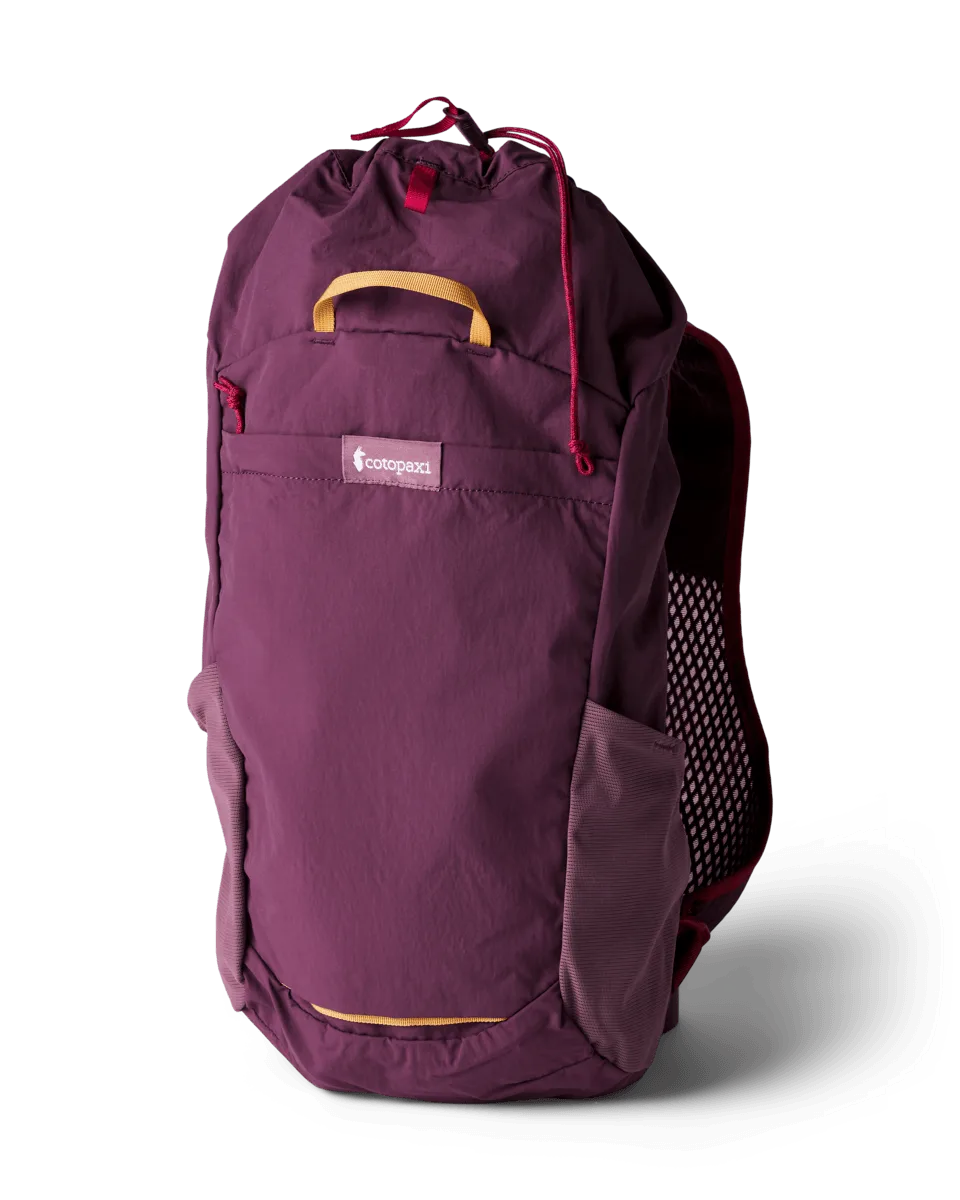
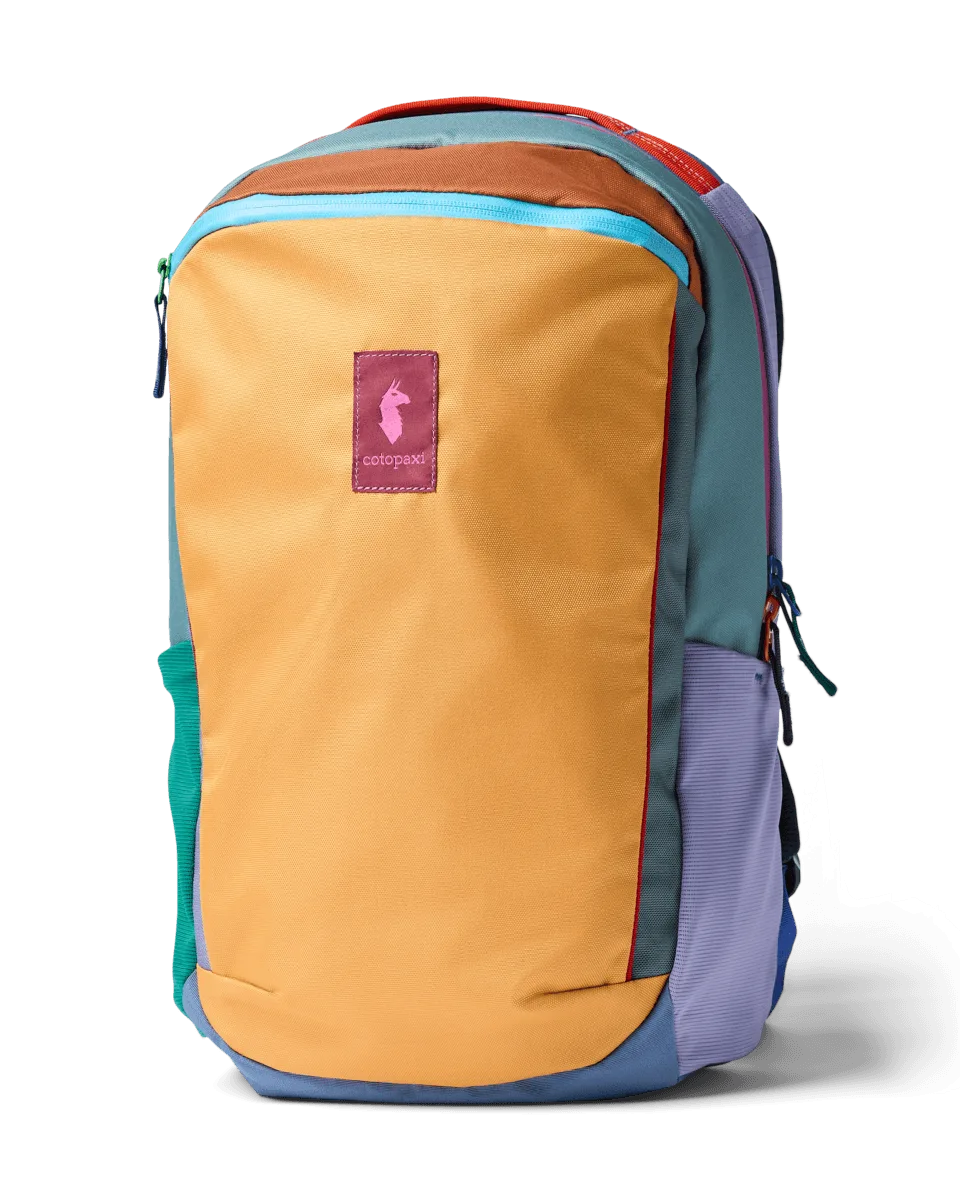
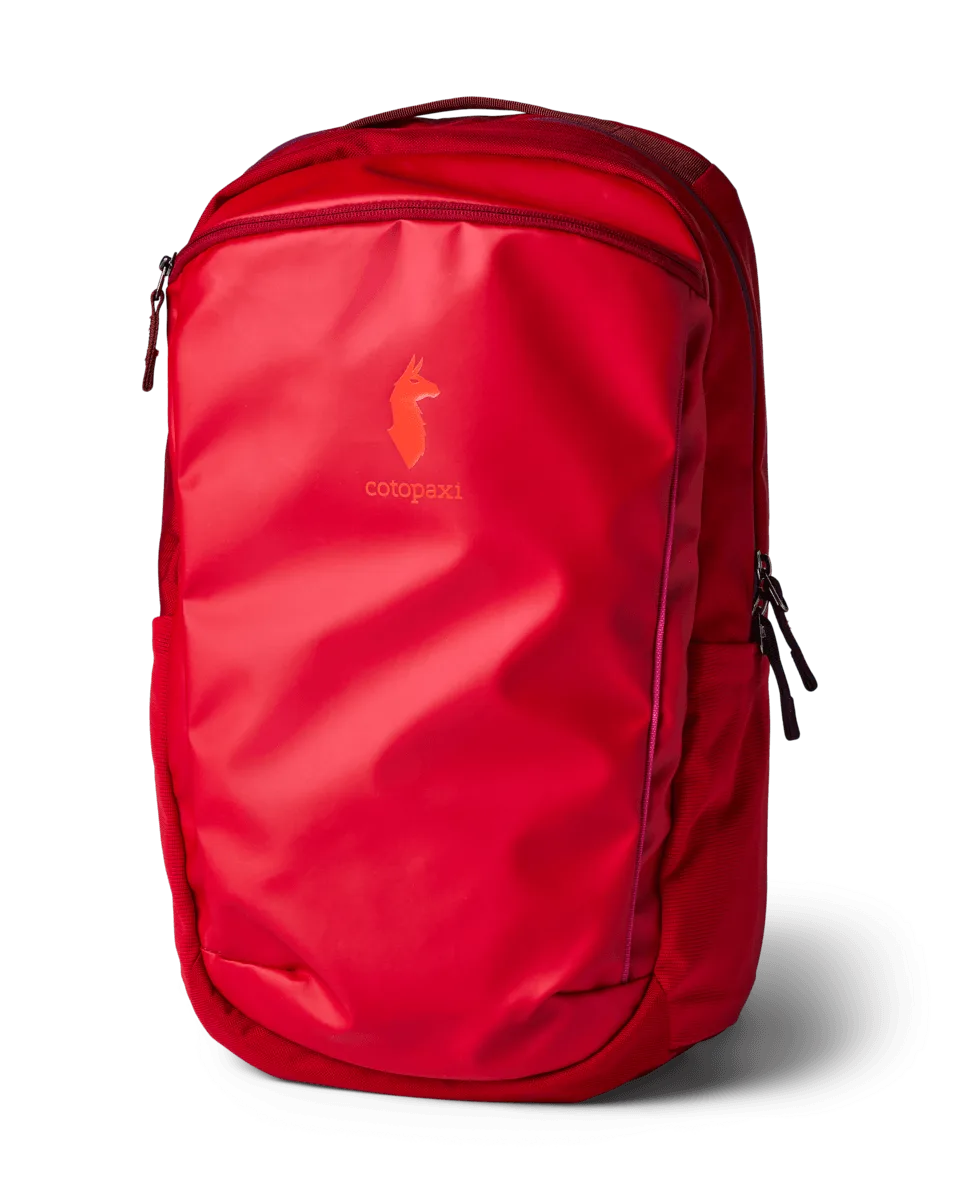
- Allpa 18L Daypack: Traditional panel-loader pack with a laptop and tablet sleeve and mesh exterior water bottle pockets. The flat-opening panel makes it easy to see and rearrange everything, while the sleeve and mesh pockets give you dedicated spots for flat items and a bottle you can reach without opening the main compartment.
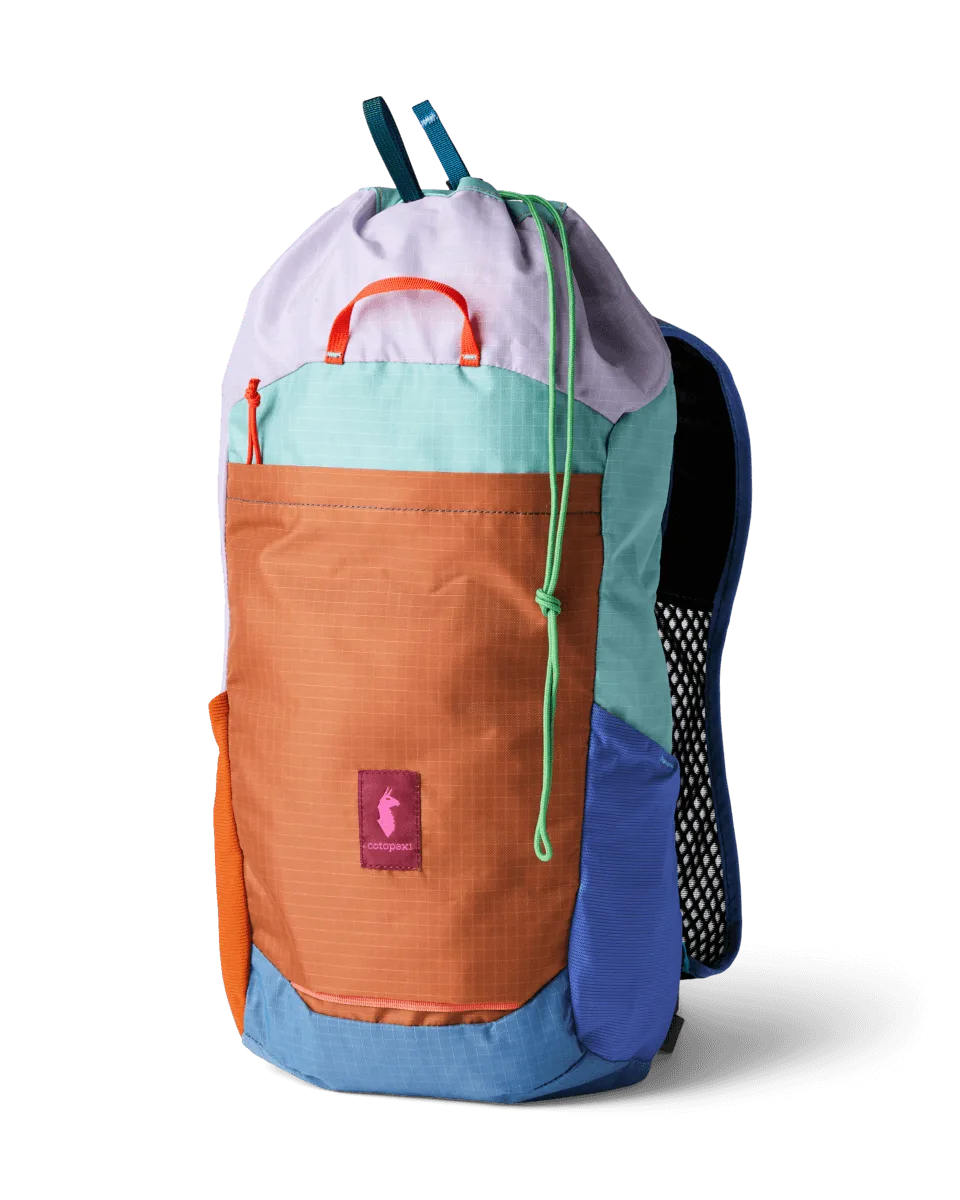
- Allpa 18L Daypack - Del Día: Del Día version of the Allpa 18L Daypack with the same panel-loader design, laptop and tablet sleeve, and mesh exterior water bottle pockets. If you want the same packing layout in a one-of-a-kind colorway, this version organizes a day hike the same way; choose it for the look, not for different pocketing.
- Empacable 16L Daypack - Del Día: Empacable 16L Daypack is super lightweight and 100% recycled, and it stuffs away and pops back out easily. If your day hike is short and you want a pack that disappears into a larger bag when you are not using it, this is the lighter alternative, but it has less structure and capacity for a full day of layers and water.