Quick answer
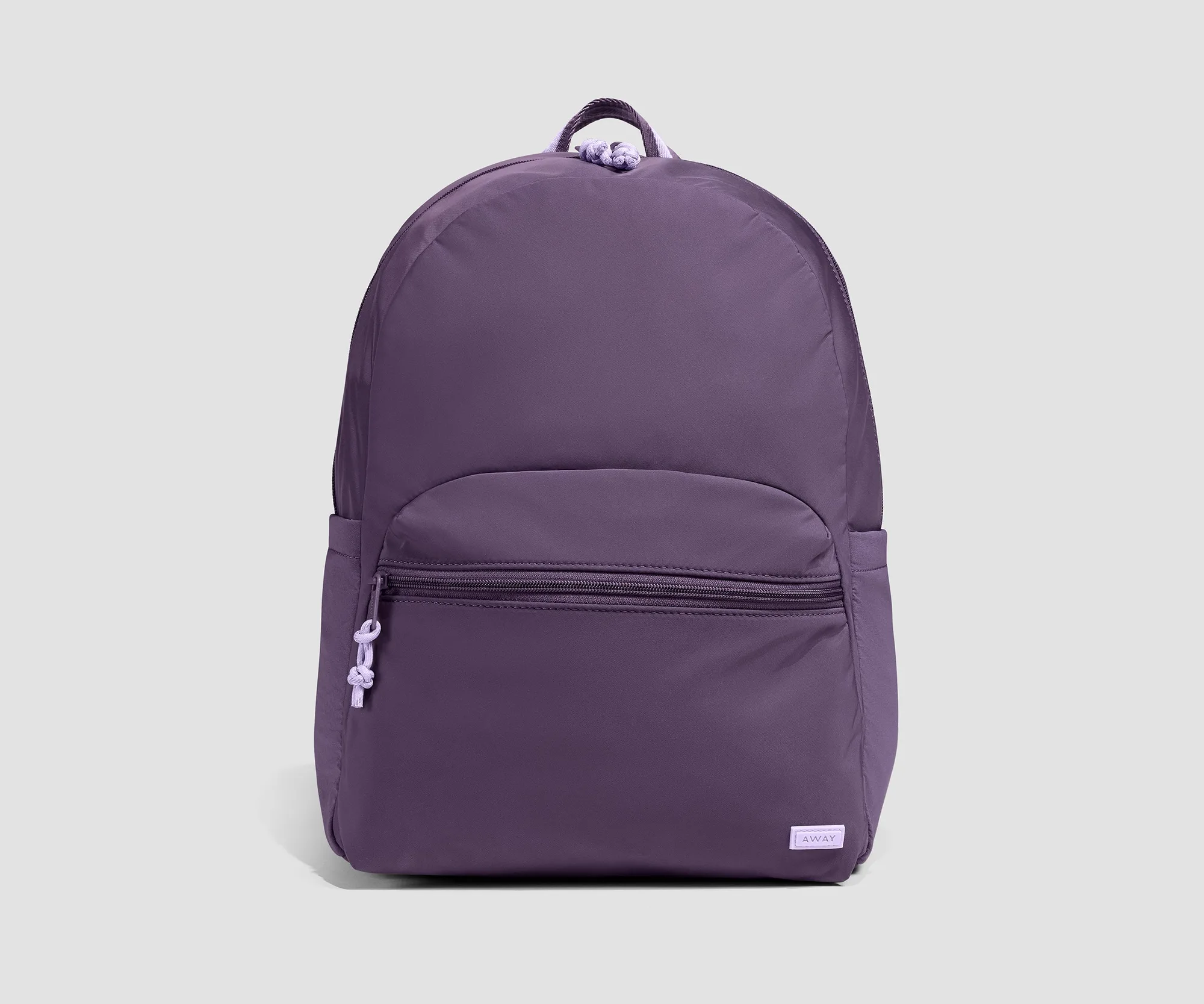
Pack your https://awaytravelenm.com/products/featherlight-daily-backpack-misty-purple-e3d589485bbbd9a1cbea5125-1800738featherlight daily backpack in layers: soft items flat against your back, heavy items centered, and quick-grab essentials in the top or front pocket. For a weekend trip, aim for two outfits plus what you wear, one toiletry kit, and one tech pouch. If the bag feels heavy before you leave, remove one just-in-case item and move bulky layers to a separate carry-on or weekender.
A daily backpack can absolutely handle a weekend trip, but only if you stop packing it like a suitcase. The trick is to treat the bag as a set of zones: a flat back panel for clothes, a centered core for weight, and a top or front pocket for things you need without unpacking.
This guide walks through a repeatable packing order you can use for a two- or three-night trip. It also flags the mistakes that make a light bag feel heavy, and points out where a second bag like The Weekender or a bundle system can help when your gear simply will not compress any further.
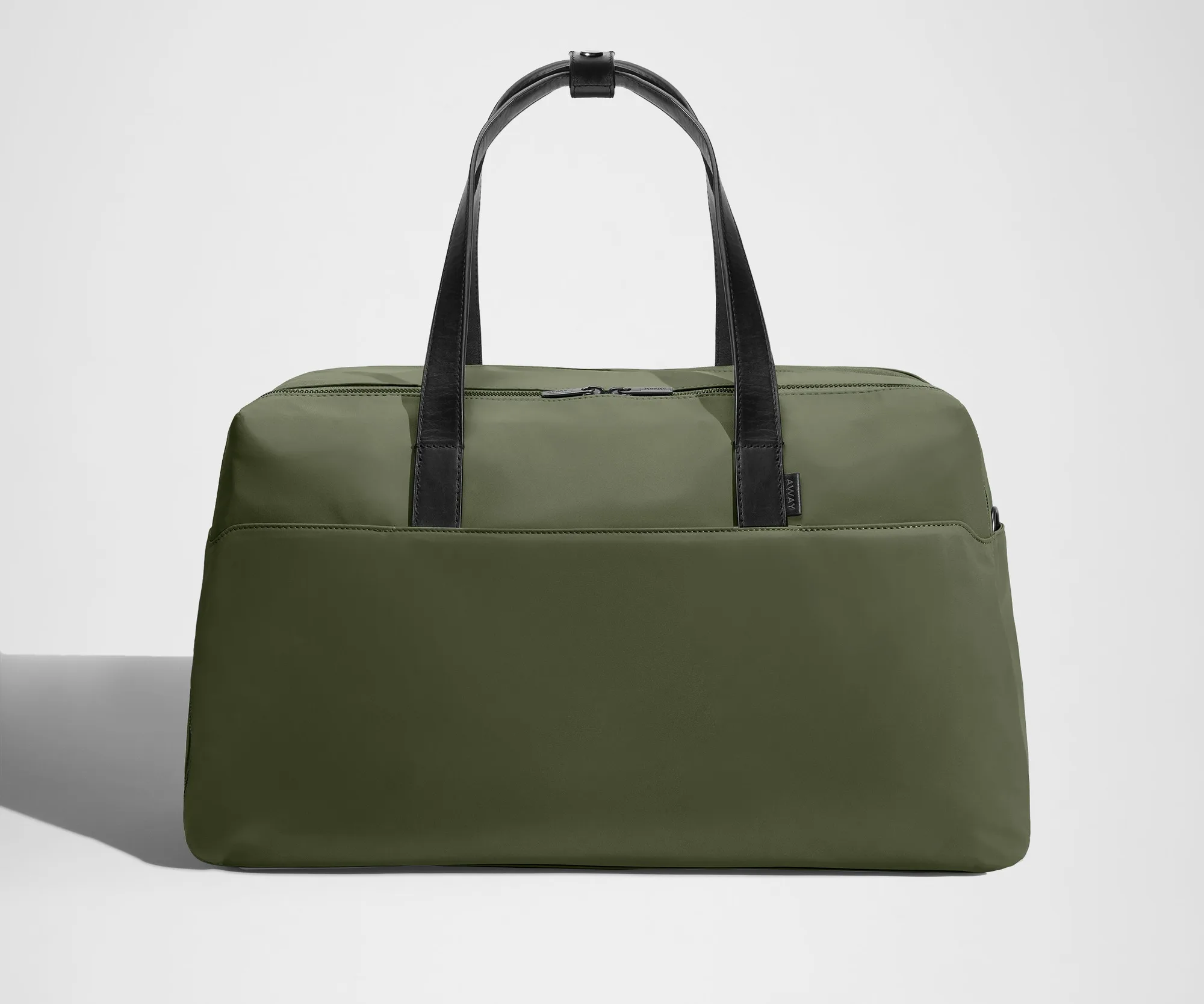
The Weekender
Start with a packing list that fits the bag
Before you touch the backpack, write a list and cap it at what the bag can realistically hold. For a weekend trip, that usually means two tops, one bottom, one layering piece, one pair of sleepwear, one toiletry kit, one tech pouch, and one pair of shoes on your feet. Anything beyond that is a choice, not a requirement.
A featherlight daily backpack rewards discipline. If your list has more than about ten items, decide now what moves to a second bag or stays home. This is the step where most people fail: they pack first and edit later, which means they end up carrying a bag that no longer feels light.
- Checkpoint: if your list includes more than two pairs of shoes, cut one before packing.
- Use packing cubes or a single stuff sack to keep soft items together.
Lay the foundation: soft items flat against your back
Open the backpack and pack the softest, most flexible items first, flat against the back panel. T-shirts, a light sweater, and sleepwear should form a smooth layer that cushions your spine and prevents hard edges from digging in. Fold rather than roll if your bag has a slim profile, because flat layers use vertical space more efficiently.
This layer also protects the bag's shape. A featherlight daily backpack often has less structure than a dedicated travel pack, so the clothes you pack become part of the frame. Keep this zone free of hard objects like chargers or a water bottle.
- Mistake to avoid: stuffing shoes into the back panel, which creates a hard lump against your spine.
- If the bag has a laptop sleeve, keep it empty until the end so it does not block the main compartment.
Build the core: heavy items centered and high
Place your heaviest items in the middle of the bag, close to your back and slightly above the base. That usually means your toiletry kit, tech pouch, or a compact camera. Centering weight keeps the bag balanced and stops it from pulling on your shoulders after an hour of walking.
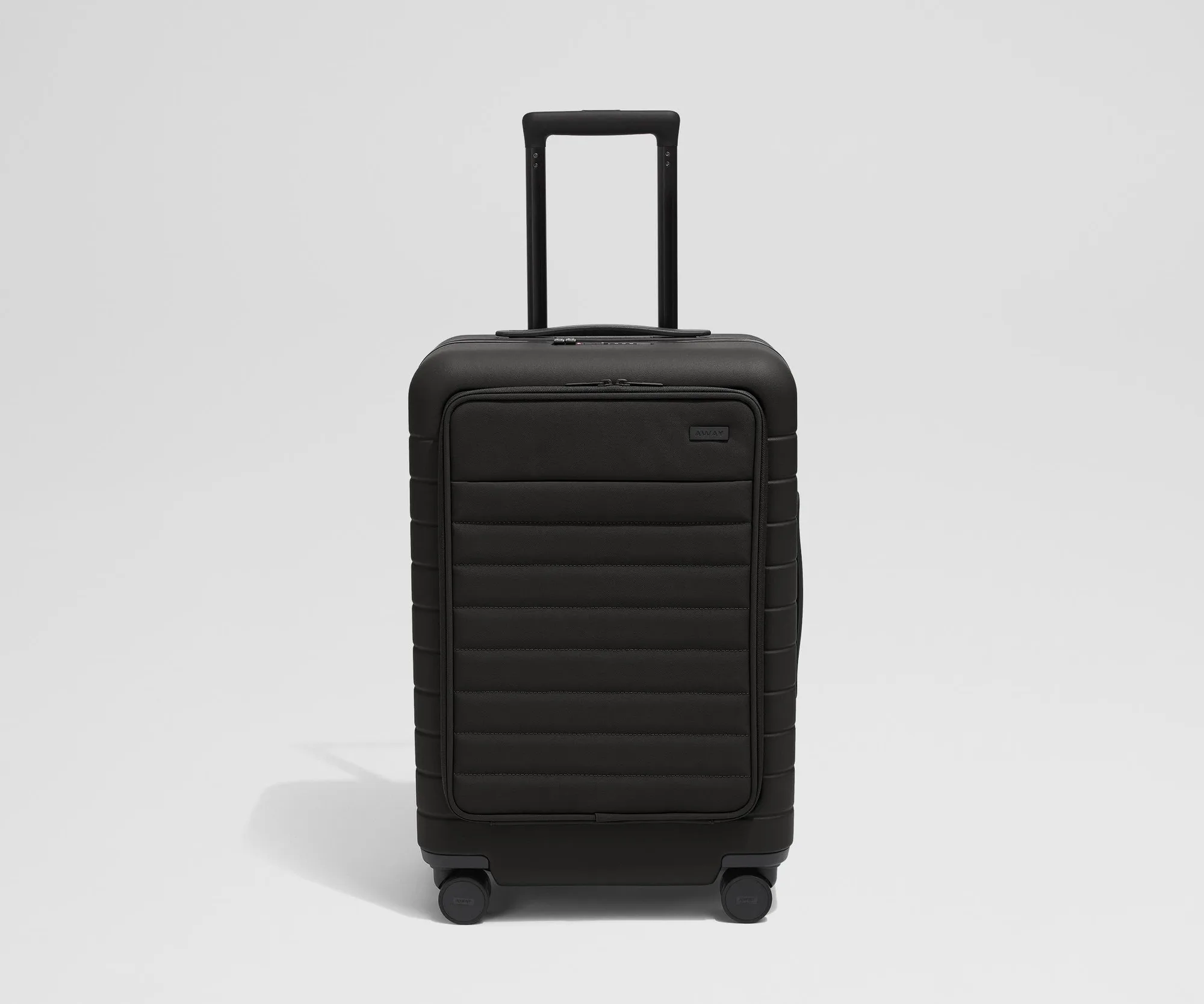
If you are using The Executive Bigger Carry-On as your main bag, the same logic applies inside its front pocket and main compartment: dedicated sleeves for a 14-inch laptop, phone, and passport keep flat items organized, while the main compartment holds outfits. For a featherlight daily backpack, you are recreating that same separation in miniature.
- Checkpoint: pick up the bag and lean forward. If it tips backward, move the heaviest item closer to your back.
- Keep cables and chargers in one pouch so they do not migrate to the bottom.
Fill the edges and top with compressible items
Once the core is set, fill the edges with socks, underwear, and other small soft items. These pieces act like packing material, stopping the core from shifting. Then add your lightest layer on top, such as a rain shell or a scarf, so you can grab it without unpacking the whole bag.
This is also where a stuff sack earns its place. A compressible jacket or a spare layer can sit on top of the load and be squashed down when you zip the bag. If the bag will not close without force, you have exceeded its usable volume.
- Mistake to avoid: forcing the zipper. If it needs two hands and a knee, remove one item.
- Keep the top zone for items you will want during transit, like a snack or a light layer.
Use the front pocket and quick-grab zones wisely
The front pocket of a daily backpack is for flat, frequently used items: passport, phone, boarding pass, a pen, and a small battery pack. Do not put bulky items here, because it pushes the bag away from your back and ruins the fit. If your bag has a dedicated laptop sleeve, use it for a tablet or laptop only when you actually need it for the trip.
For business trips, The Executive Bigger Carry-On shows the value of dedicated sleeves for a 14-inch laptop, phone, and passport. Even in a smaller daily backpack, the principle holds: flat items in flat pockets, bulky items in the main compartment.
- Checkpoint: you should be able to reach your phone and transit pass without opening the main compartment.
- Avoid putting a water bottle in the front pocket if it makes the bag front-heavy.
Decide what stays out of the backpack
A featherlight daily backpack is not a checked bag. If your weekend involves bulky shoes, a camera, or extra layers, plan a second carry. The Weekender is the biggest version of Away's best-selling duffles, with capacity for a few days of belongings, a trolley sleeve that secures to any Away suitcase, and a detachable padded shoulder strap. It fits best on the checked bags, The Medium and The Large.
For group trips or family travel, a bundle can simplify the decision. The Bachelor Trip Bundle combines smart organization and Carry-On convenience for long weekends with the crew, while the Tween Travel Bundle gives tweens a coordinated travel system they can manage on their own. Neither replaces good packing habits, but both reduce the number of separate decisions you make at the door.
- Mistake to avoid: overloading the daily backpack to avoid a second bag, then arriving sore.
- If you fly, check your airline's carry-on size rules before relying on a single backpack.
Weekend packing steps for a featherlight daily backpack
- Write and cap your list: Limit yourself to two outfits plus what you wear, one toiletry kit, one tech pouch, and one pair of shoes on your feet. If the list is longer, decide what moves to a second bag before you pack. Checkpoint: more than ten items means you are overpacking for a featherlight bag.
- Lay soft clothes flat against your back: Fold t-shirts, a light sweater, and sleepwear into a smooth layer against the back panel. This cushions your spine and gives the bag structure. Mistake: putting shoes or chargers in this zone creates a hard lump.
- Center heavy items in the core: Place your toiletry kit, tech pouch, and any compact camera in the middle of the bag, close to your back and slightly above the base. Checkpoint: if the bag tips backward when you lean forward, move the heaviest item closer to your back.
- Fill edges with small soft items: Tuck socks and underwear around the core to stop it from shifting, then add your lightest layer on top for easy access. Mistake: forcing the zipper. If it needs two hands, remove one item.
- Keep flat essentials in the front pocket: Put your passport, phone, boarding pass, and a slim battery pack in the front pocket or dedicated sleeve so you never open the main compartment in transit. Checkpoint: you should reach your phone and transit pass without unpacking.
- Move overflow to a second carry: If bulky shoes, a camera, or extra layers will not compress, use a weekender or a bundle with a trolley sleeve so the load still moves as one unit. Mistake: overloading the daily backpack and arriving sore. A second bag is a better tradeoff than a bad fit.
Products that support this packing system
- The Weekender: The Weekender is the biggest version of Away's best-selling duffles, with capacity to fit a few days of belongings, a trolley sleeve that secures to any Away suitcase, and a detachable padded shoulder strap. If your weekend gear will not compress into a daily backpack, this gives you a second carry that still moves as one unit with your suitcase.
- The Executive Bigger Carry-On: The Executive Carry-On has a spacious front pocket with dedicated sleeves for a 14-inch laptop, phone, and passport, plus a main compartment with room for multiple outfits. It shows the flat-items-in-flat-pockets logic you can copy inside a featherlight daily backpack, especially for tech and travel documents.
- The Bachelor Trip Bundle: The Bachelor Trip Bundle combines smart organization and Carry-On convenience for long weekends with the crew, built for travelers who pack light but make the most of every destination. A pre-built bundle removes the guesswork for group weekends where you want one organized carry rather than a loose collection of bags.
A featherlight daily backpack works for a weekend trip when you pack in layers, keep weight centered, and treat the front pocket as a flat-file for essentials. If the gear will not compress, add a second carry instead of forcing the zip. Pack once with this order, and the next trip takes minutes.