Quick answer
Pack for a beach trip in layers: a carry bag for the sand, a separate bag for dry clothes and towels, and a cooler bag for food and drinks. Use packing cubes to keep damp items away from dry ones, and bring a small pouch for sandy phones and keys. The goal is one trip from the car to the sand, with nothing you have to dig for.
A beach trip fails in small ways: sand in the sunscreen cap, a warm drink by noon, a towel that soaks everything else in the bag. The fix is not a bigger bag. It is packing in zones so wet, dry, cold, and sandy items never share space.
This guide gives you an ordered process, from choosing bags to the last-minute items most people forget. It works whether you are driving to a local beach or flying somewhere warmer.
Start with the bag setup, not the items
Before you pack a single thing, decide how many bags you are carrying. A workable beach setup has three parts: a main beach bag for towels and gear, a cooler bag for food and drinks, and a small pouch or crossbody for phone, keys, and cards. If you are flying, the main bag should fit your personal item or carry-on so you are not checking a bag for a day at the water.
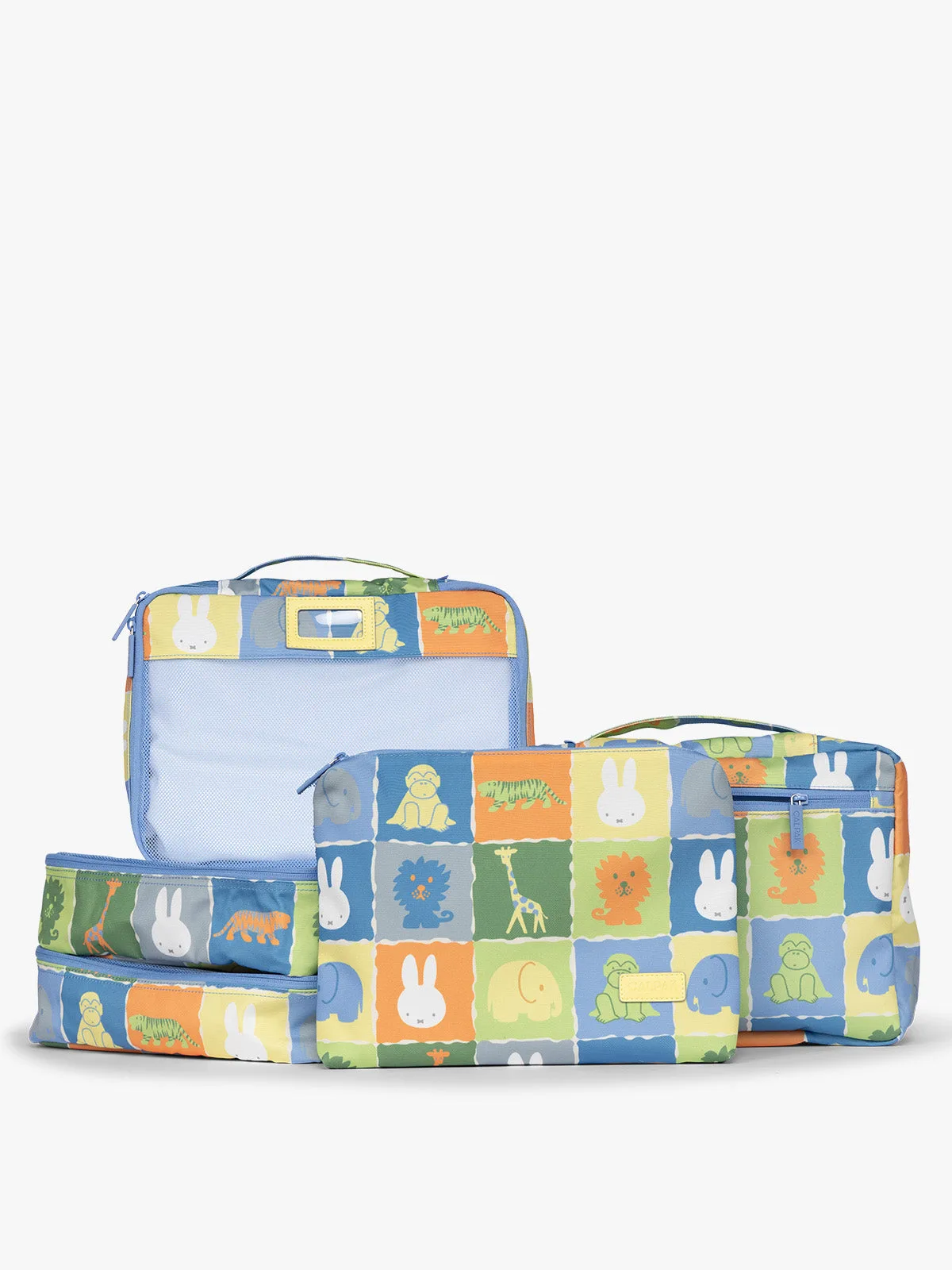
This is where a packing cube set earns its place. Cubes let you separate dry clothes, damp swimsuits, and sandy items inside one bag. If you are packing for a family, give each person their own cube color so no one digs through the whole bag.
- Common mistake: packing one giant tote and hoping everything stays organized. It never does.
- Checkpoint: if you cannot carry all your bags in one trip, you packed too much.
Pack the cooler bag first
Food and drinks go in first because they set the shape of your bag. A dedicated cooler bag keeps cold items cold and, just as important, keeps condensation away from your towels and clothes. Pack drinks upright, add ice packs on top, and leave a little room so air can move around.
If you are bringing snacks for kids, portion them before you leave. A cooler bag that opens wide is easier to use on a towel than one you have to unzip and dig through.
- Common mistake: putting warm drinks straight from the shelf into the cooler. Chill them overnight first.
- Checkpoint: the cooler bag should be the last bag you close and the first one you open at the beach.
Use packing cubes to separate wet from dry
Sort your items into three groups: dry (clothes, towels), wet (swimsuits, rash guards), and sandy (toys, flip-flops, snorkel gear). Dry items go in one cube, wet items in another, and sandy items either in a cube you can shake out or in a separate outer pocket. This one habit is the difference between a calm beach day and a bag full of damp sand.
Towels take more space than people expect. Roll them instead of folding; rolled towels fit into cube shapes better and leave room for everything else.
- Common mistake: stuffing a wet swimsuit into the same cube as dry clothes on the way home.
- Checkpoint: before you zip the bag, every cube should close without force.
Handle the small essentials in one pouch
Sunscreen, lip balm, phone, keys, cards, and a hair tie should live in one small pouch or crossbody you can carry away from the group. This keeps sand out of your phone and means you are not unzipping the main bag every ten minutes.
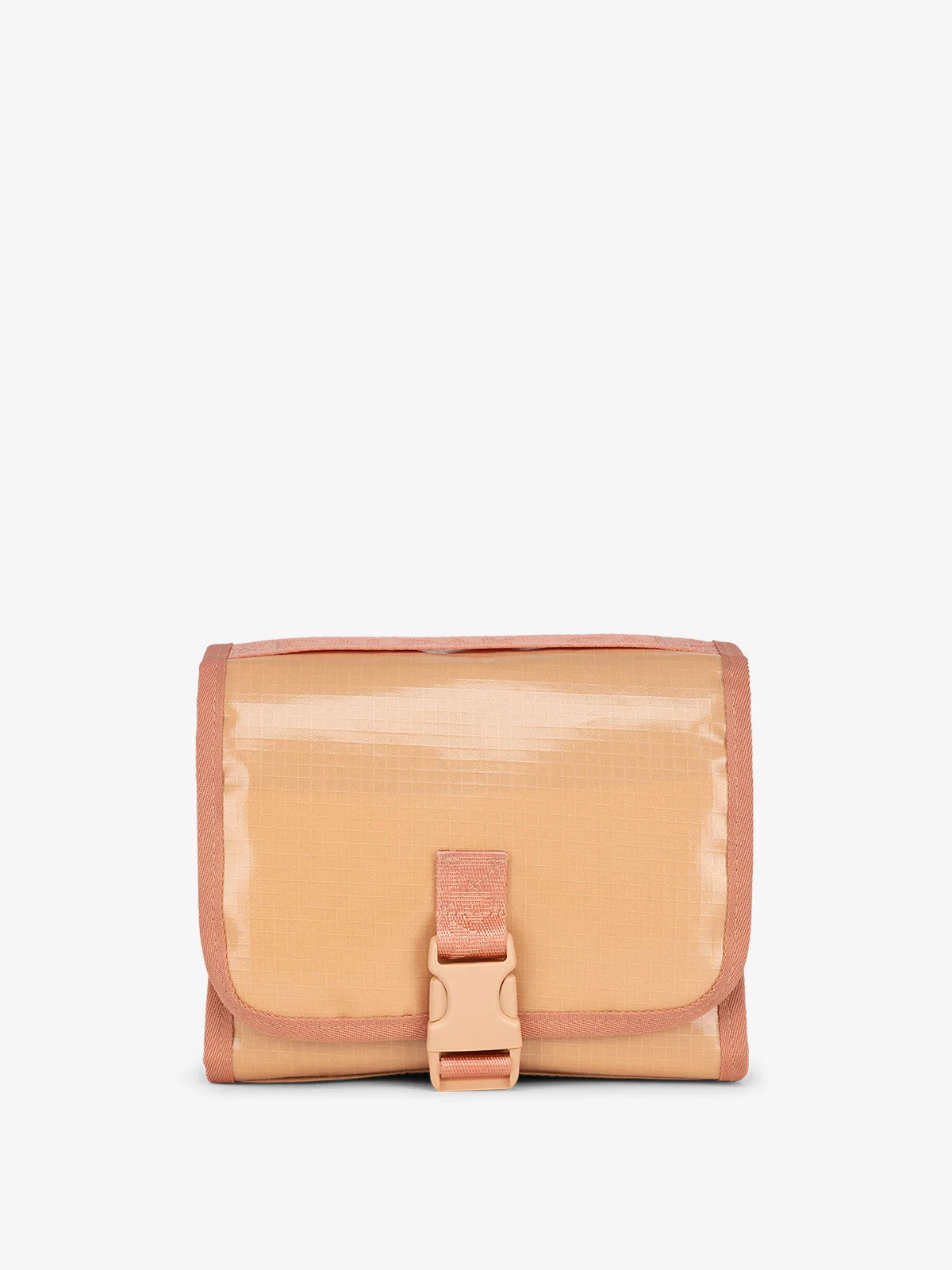
For toiletries, a hanging bag is easier to use than a flat one because you can hang it on a chair, a fence, or a rental bathroom hook and see everything at once.
- Common mistake: leaving sunscreen loose in the main bag, where it leaks onto towels.
- Checkpoint: the small pouch should be light enough to wear while walking to the water.
Plan the sand-free return trip
The trip home is where most beach packing falls apart. Before you leave, shake out towels and toys away from the bag, turn flip-flops upside down, and put anything damp into its own cube or a reusable bag. If you brought a cooler bag, empty it and wipe it out before it goes back in the car.
Keep one empty cube or pouch for anything that gets wet at the last minute. It costs almost no space and saves your dry clothes.
- Common mistake: packing sandy items on top of clean clothes for the ride home.
- Checkpoint: nothing wet or sandy should touch dry clothes on the way back.
Your beach trip packing steps
- Step 1: Choose your bags: Pick a main beach bag, a cooler bag, and a small pouch or crossbody. If you are flying, keep the main bag within your carry-on or personal item size. Checkpoint: one person should be able to carry everything in one trip.
- Step 2: Pack the cooler bag: Chill drinks overnight, pack them upright, and add ice packs on top. Keep snacks portioned so kids can grab them without unpacking the whole bag. Checkpoint: the cooler bag closes flat and does not leak into other bags.
- Step 3: Sort into dry, wet, and sandy: Use packing cubes so dry clothes, wet swimsuits, and sandy items never share space. Roll towels instead of folding them to save room. Checkpoint: every cube zips without force.
- Step 4: Build one small essentials pouch: Put sunscreen, lip balm, phone, keys, cards, and a hair tie in one pouch you can carry away from the group. Use a hanging toiletry bag for anything that could leak. Checkpoint: you can leave the main bag behind and still have what you need.
- Step 5: Prep the return trip: Shake out towels and toys, turn flip-flops upside down, and put anything damp in its own cube. Wipe out the cooler bag before it goes back in the car. Checkpoint: nothing wet or sandy touches dry clothes on the way home.
Beach-ready CALPAK picks
- Miffy Packing Cubes 5-Piece Set: A 5-piece packing cube set from the CALPAK x Miffy collection, lightweight yet durable, designed to separate and organize clothing and essentials. Five cubes give you enough zones for dry clothes, wet swimsuits, sandy toys, and shared family items without mixing them.
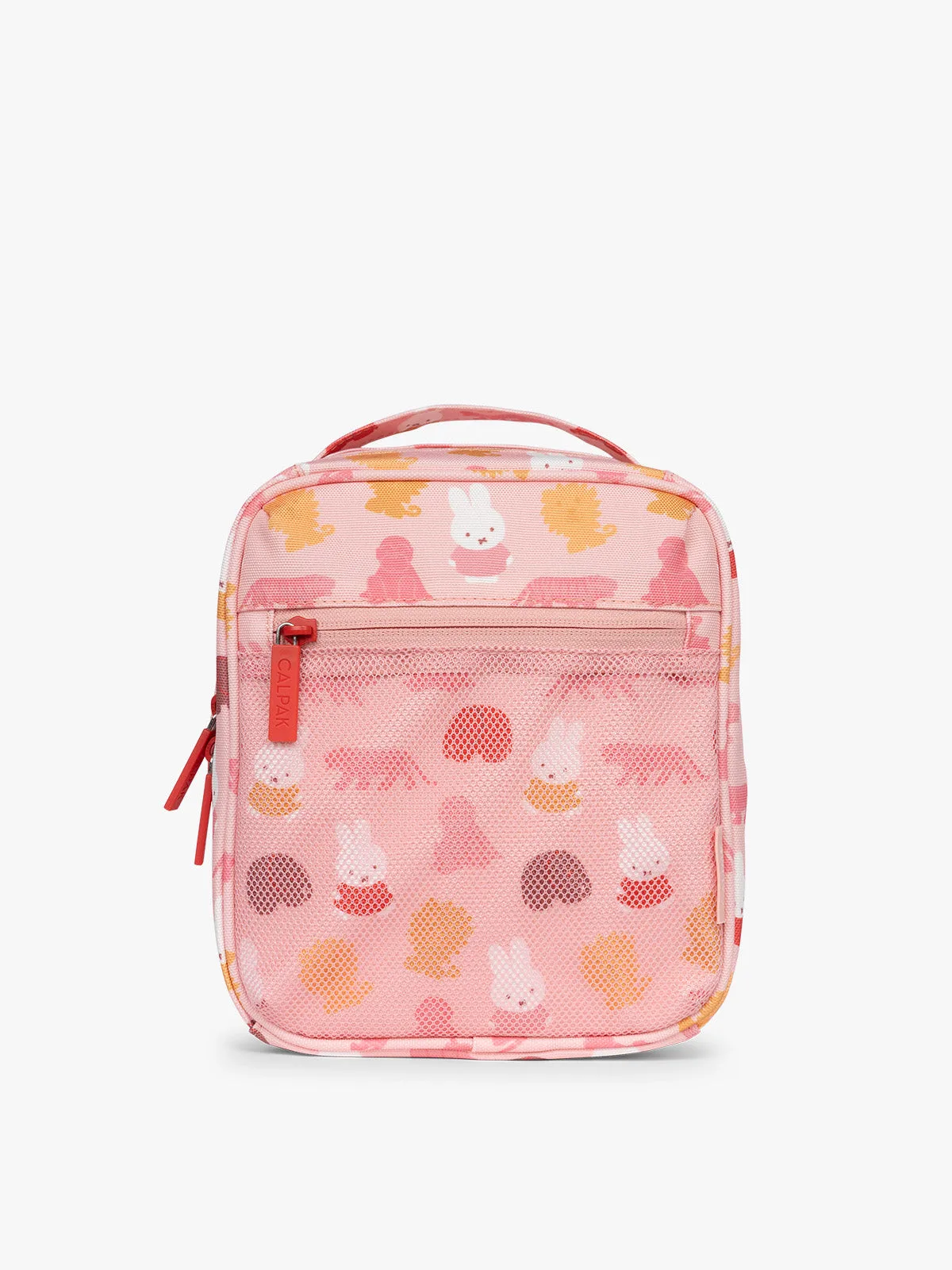
- Miffy Everything Cube: A packing organizer with multiple compartments for organized storage, part of the CALPAK x Miffy collection. The multiple compartments make it a good home for small beach items like goggles, sunscreen, and hair ties so they do not scatter.
- Terra Hanging Toiletry Bag: Made from durable recycled ripstop with a water-resistant coating, a collapsible hook to hang it, a wipeable lining, and an exterior toothbrush stand. The water-resistant coating and wipeable lining handle sunscreen and saltwater splashes, and the hook keeps it off a sandy bathroom counter.
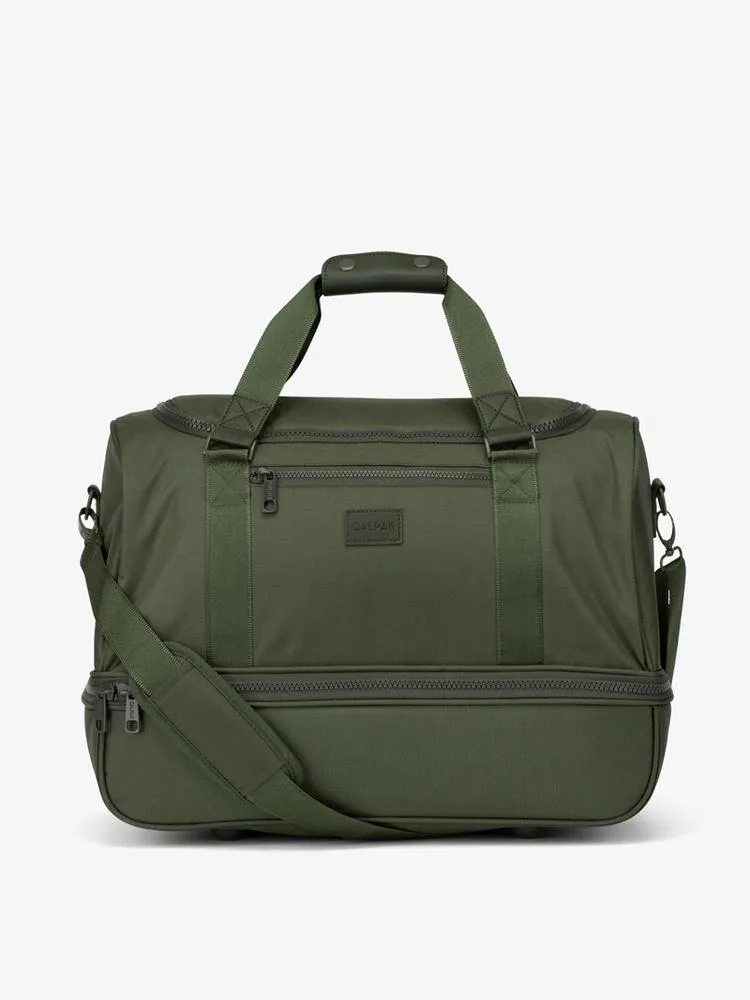
- Stevyn Duffel Bag with Shoe Compartment: A lightweight, spacious duffel with a dedicated shoe compartment, interior pockets, and a luggage sleeve. The shoe compartment keeps sandy flip-flops or water shoes away from clean clothes, and the luggage sleeve slides over a rolling bag if you are flying to the coast.
A good beach trip packing list is less about bringing more and more about keeping sand, water, and cold items in their own zones. Set up your bags first, pack the cooler bag with chilled drinks, separate wet from dry with cubes, and plan the return trip before you leave. Do that, and the only thing you bring home is a tan.