Quick answer
To pack formal wear in a garment sleeve, lay each piece flat, close all buttons and zip zippers, fold sleeves and trousers inward, then slide the folded garment into the sleeve so it sits at the top of your bag. Keep the sleeve as flat as possible and unpack it as soon as you arrive. This method protects structured shoulders and reduces creases far better than folding a suit into a standard packing cube.
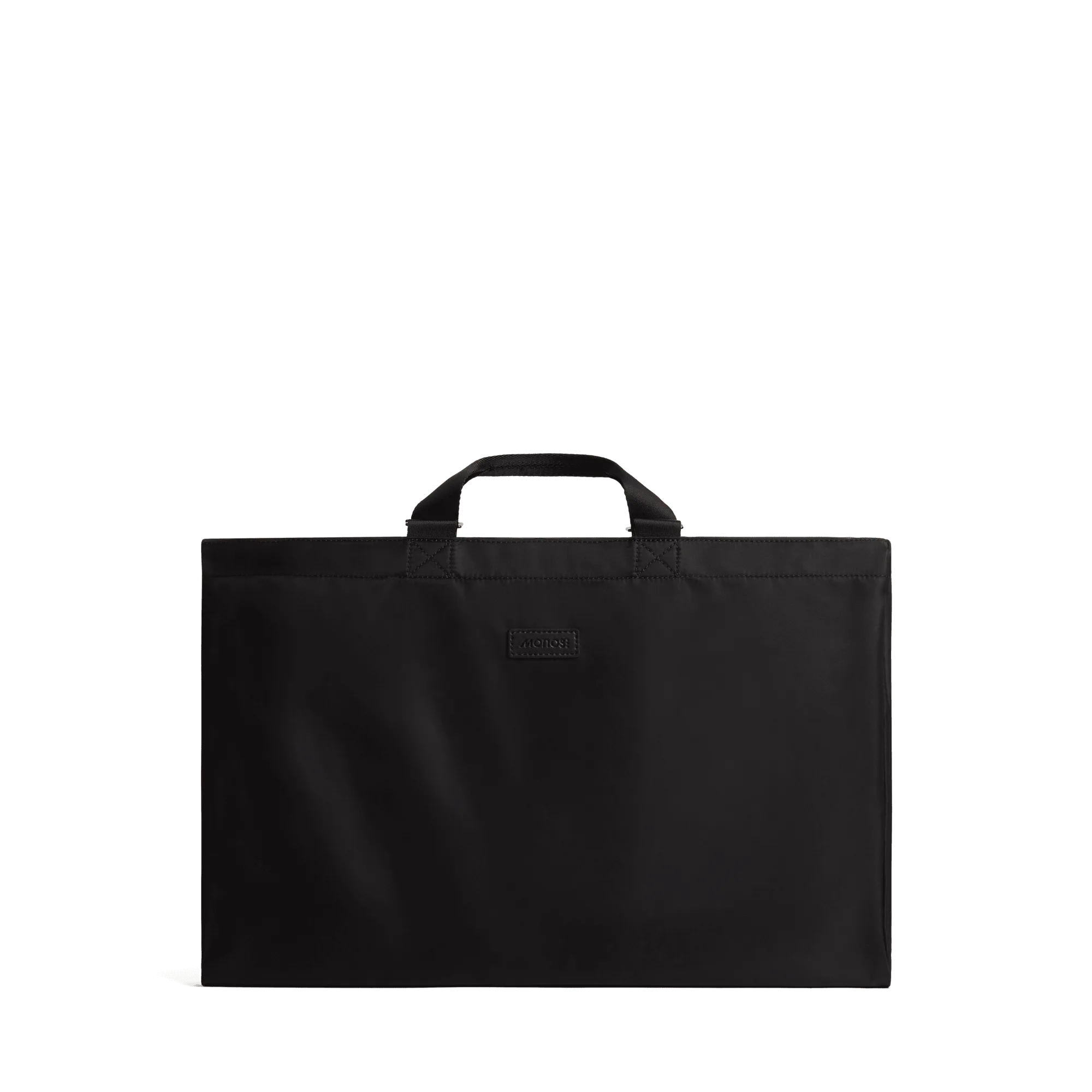
garment sleeve
Formal wear is the one category of clothing that punishes careless packing. A creased jacket or a crushed dress is hard to fix in a hotel room with no iron, and if you are traveling with formal clothes for a wedding, interview, or black-tie event, the outfit needs to arrive ready to wear.
A garment sleeve is the simplest tool for the job. It holds a suit, dress, or shirt flat and keeps it separate from the rest of your luggage. This guide walks through the process in order, with the mistakes to avoid at each stage.
Why a garment sleeve beats folding into a suitcase
A garment sleeve keeps formal wear flat rather than folded into a tight square. That matters because creases form where fabric bends sharply and stays bent under pressure. A sleeve limits the number of hard folds and keeps the shoulders of a jacket supported instead of squashed.
It also separates formal pieces from shoes, chargers, and toiletries that can snag delicate fabric. If you are packing a suit for a wedding, that separation is often the difference between a jacket you can wear straight out of the bag and one you need to steam.
- Use a sleeve for structured jackets, dresses, and dress shirts; use packing cubes for casual clothes.
- Keep the sleeve at the top of your bag so nothing heavy presses down on it.
Prepare the garment before it goes in
Empty every pocket, then close all buttons, snaps, and zippers. Buttoning a jacket holds its shape while it travels, and closing a dress or shirt prevents the fabric from shifting and creasing against itself. Brush off any lint or dust before packing, since a sleeve traps whatever is on the surface.
If the garment is already wrinkled, deal with it now rather than after arrival. A quick steam or a few minutes in a bathroom with a hot shower will relax the fibers before they are folded and compressed.
- Check inner pockets for pens, receipts, and travel documents before folding.
- Hang the garment for a few minutes after steaming so it dries fully before packing.
Fold a jacket or suit correctly
Lay the jacket face down and fold one sleeve across the back, then the other, so the sleeves cross behind the body. Fold the jacket in half vertically, or in thirds for a longer jacket, keeping the collar and shoulders as flat as possible. For trousers, fold them along the existing crease and lay them so the waistband sits near the top of the sleeve.
The goal is to create as few sharp bends as possible. If a fold feels tight enough to leave a line, loosen it or add a layer of tissue paper along the crease.
- Place tissue paper along sharp folds on delicate fabrics to cushion the crease.
- Do not fold a jacket more than twice; extra folds mean extra creases.
Fold a dress or long garment
For a dress, lay it flat and fold the sides inward so the width matches the sleeve. Then fold the length in half or thirds, depending on how much fabric there is. Straps and beaded details should sit on the inside of the fold so they cannot catch on the sleeve or on other items.
Long gowns may need to be folded more than once, which is unavoidable. In that case, place the folds at points where the fabric is least visible, and unpack the dress as soon as you reach your destination.
- Turn beaded or sequined garments inside out before folding to protect the embellishment.
- Roll soft, unstructured dresses instead of folding them if the sleeve has room.
Load the sleeve and place it in your bag
Slide the folded garment into the sleeve so the shoulders or waistband sit at the top, where the sleeve is widest. Zip or close the sleeve, then lay it flat in your carry-on or checked bag. If you are using a backpack or duffel, place the sleeve against the back panel so it stays flat rather than bending around other contents.
Fill the space around the sleeve with soft items like socks or a rolled t-shirt to stop it from sliding. Avoid putting shoes or hard cases directly on top of it.
- Keep the sleeve on top when you open the bag so you can remove it first.
- If the bag is overstuffed, the sleeve will bend; remove something else instead of forcing it.
On arrival: unpack and hang immediately
Take the garment out of the sleeve as soon as you reach your room and hang it up. Gravity does most of the work within an hour or two, especially for wool and cotton blends. If a crease remains, hang the garment in a steamy bathroom or use a travel steamer on a low setting.
Do not leave formal wear folded in the sleeve for days after arrival. The longer a crease sits, the harder it is to remove without professional pressing.
- Hang jackets on a sturdy hanger that supports the shoulders.
- Give the garment at least an hour to hang before you need to wear it.
Formal wear packing steps
- 1. Prep the garment: Empty pockets, close all buttons and zippers, and steam out existing wrinkles before folding. Checkpoint: the garment should be clean, dry, and wrinkle-free before it goes into the sleeve.
- 2. Fold with as few creases as possible: Cross jacket sleeves behind the back, fold the jacket once or twice, and fold trousers along the existing crease. Mistake to avoid: folding a jacket into a tight square, which creates hard creases at the shoulders.
- 3. Load the sleeve: Slide the folded garment in so the shoulders or waistband sit at the widest point, then close the sleeve. Checkpoint: the garment should lie flat with no bulges pressing against the fabric.
- 4. Place it in your bag: Lay the sleeve flat against the back panel and fill gaps with soft items so it cannot slide or bend. Mistake to avoid: putting shoes or hard cases directly on top of the sleeve.
- 5. Unpack on arrival: Hang the garment immediately and let it relax for at least an hour before wearing. Next step: if a crease remains, hang it in a steamy bathroom or use a travel steamer.
Monos products that help with formal packing
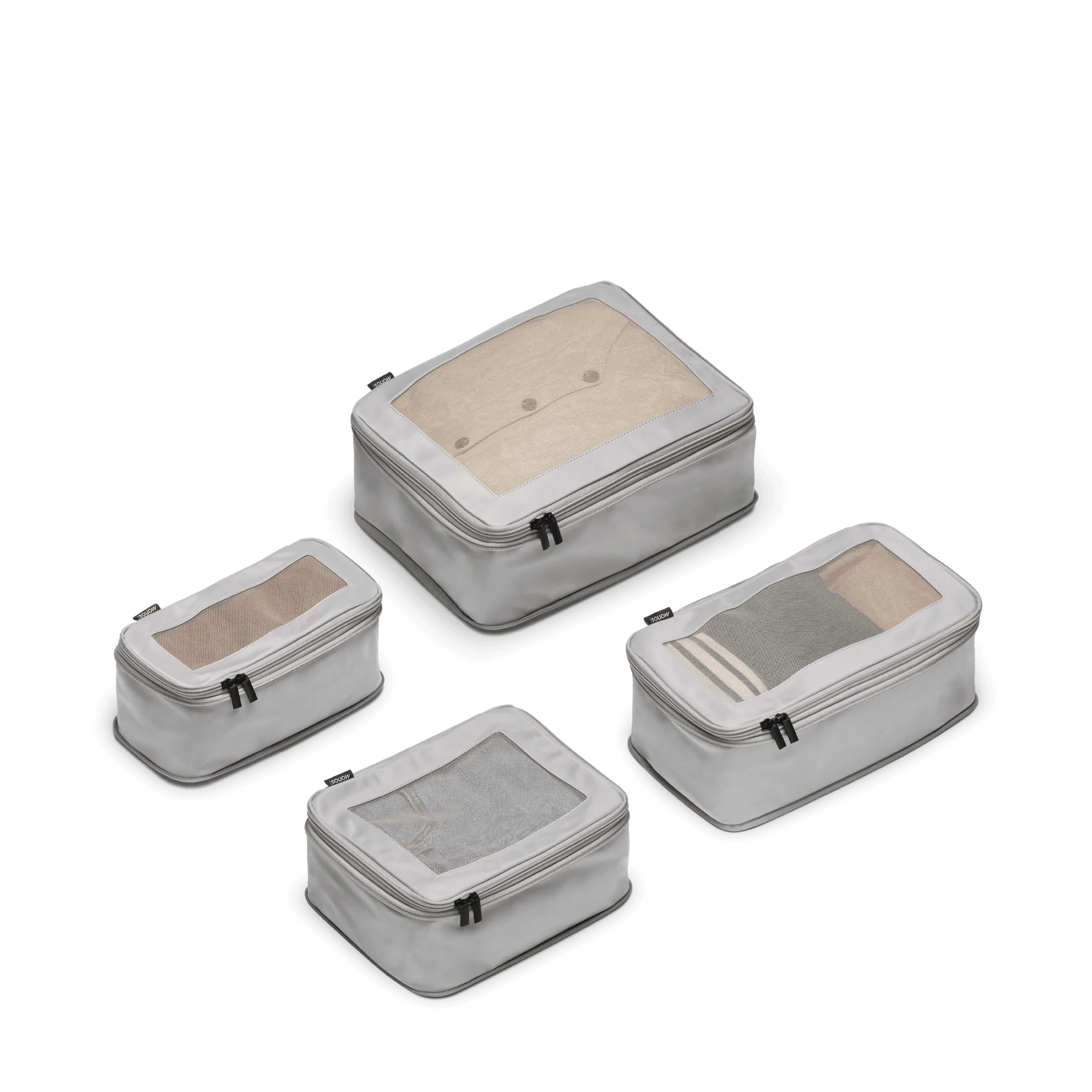
- Compressible Packing Cubes: The set of four fits all Carry-On sizes and the set of six fits all Check-In sizes, and the cubes are designed to compress clothes and keep them organized inside Monos luggage. Use a cube for the casual items in your bag so the garment sleeve stays flat and does not get pushed around by loose clothing.
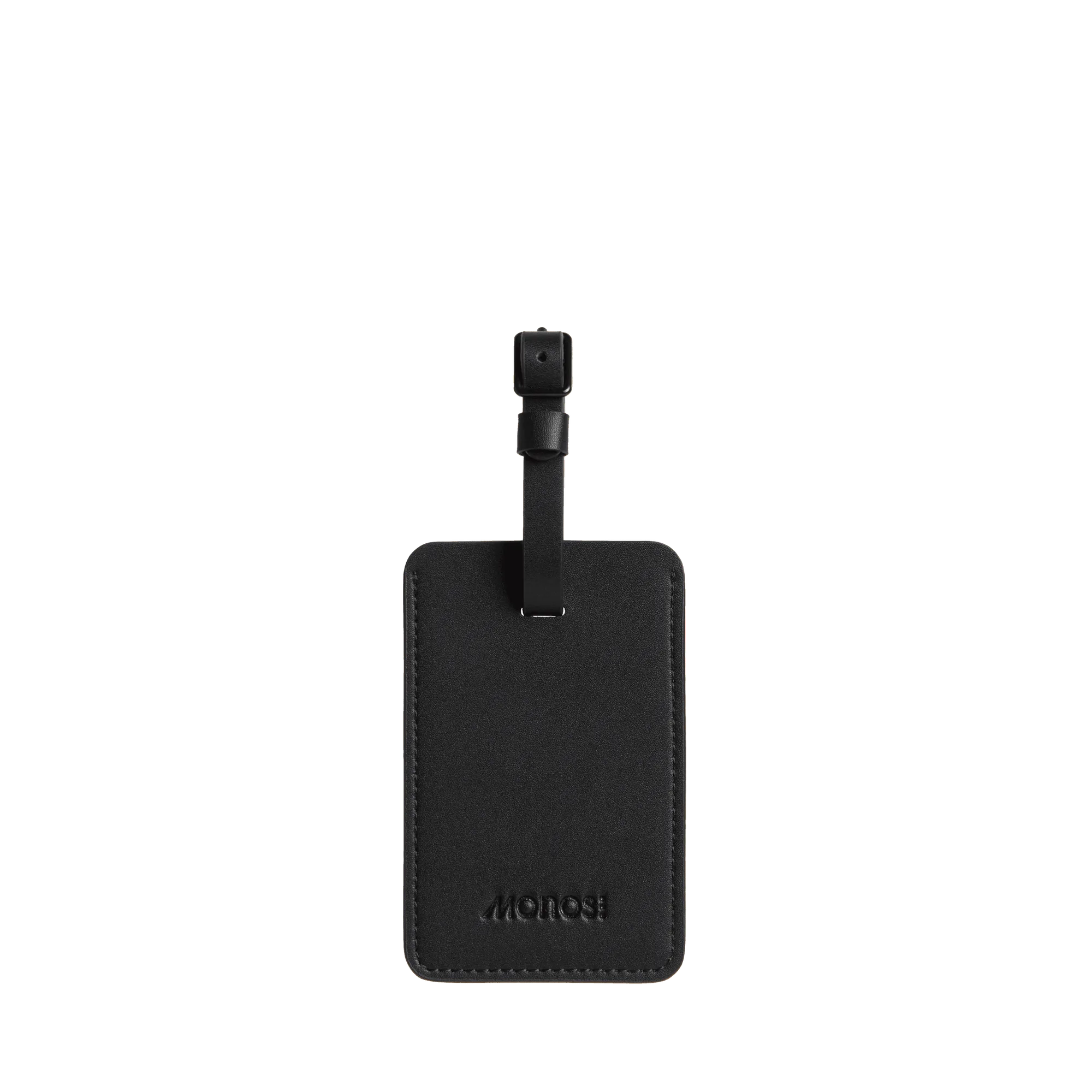
- Monos × Reformation Luggage Tag: It is crafted from 100% deadstock leather in butterscotch and is designed to help your belongings arrive with you. A tag on your bag makes it easier to spot on a carousel, which matters when your formal wear is in a checked bag.
Packing formal wear in a garment sleeve comes down to three habits: fold with as few sharp bends as possible, keep the sleeve flat at the top of your bag, and unpack it the moment you arrive. Do those consistently and your suit or dress will be ready to wear without a trip to the hotel ironing board.