Quick Answer
Packing a Quest Q-Jet D20-6W motor means fitting the composite motor into your rocket's motor mount, ensuring the igniter is seated correctly, and securing the motor with a retention system. Follow these steps for a safe, reliable launch.
What You Need Before You Start
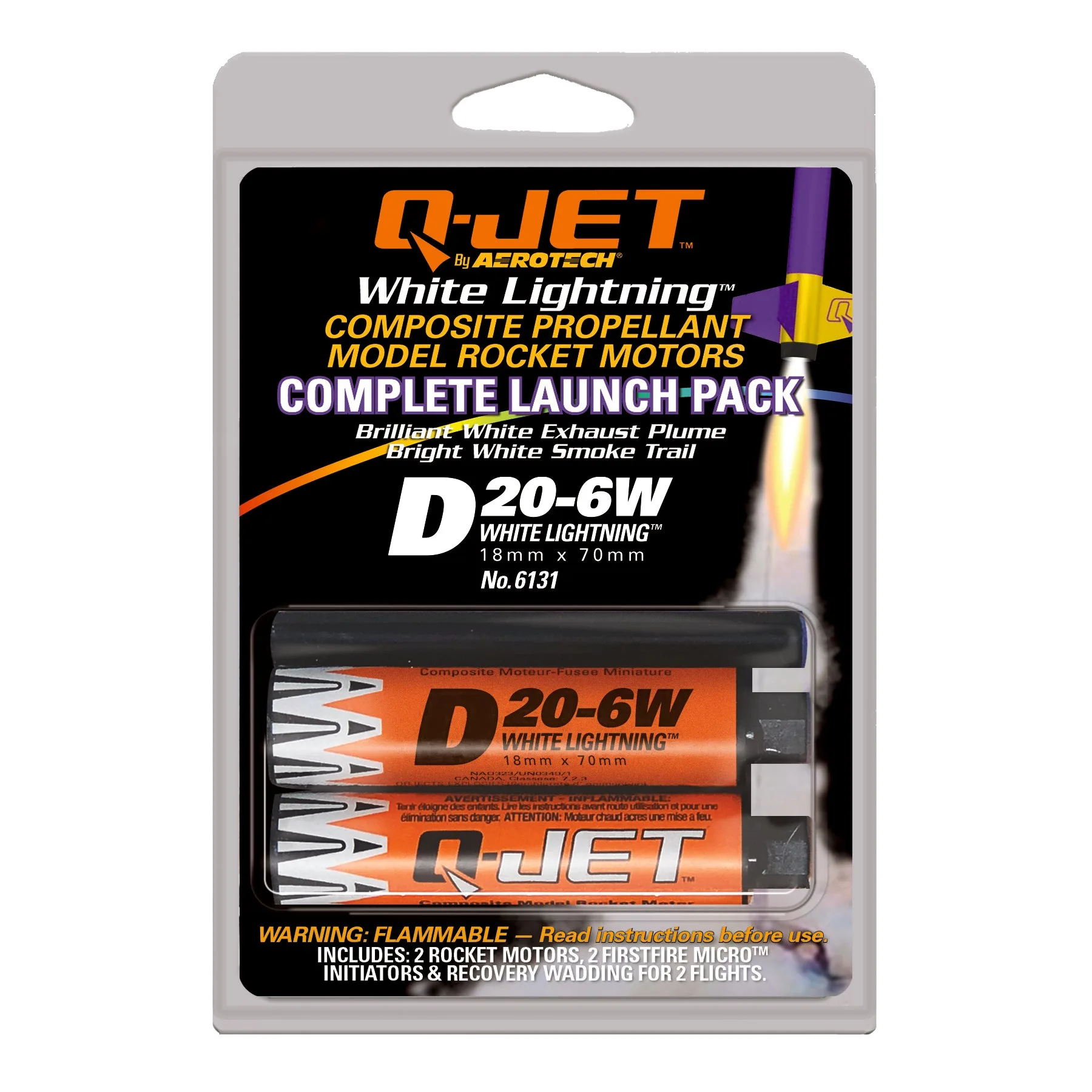
Before packing the D20-6W, gather your rocket, the motor pack, an igniter (included with Quest Q-Jet motors), recovery wadding, and a launch controller. The D20-6W is a 18mm composite motor with a 6-second delay, ideal for medium-sized rockets. Check that your rocket's motor mount is clean and free of debris.
Understanding the D20-6W Delay and Ejection Charge
The "6W" in D20-6W stands for a 6-second delay after burnout before the ejection charge fires. This delay gives your rocket time to coast to apogee. If your rocket is heavy or flying in wind, consider a shorter delay; if light, a longer delay might be needed. The D20-6W is a good all-around choice for many sport models.
Step-by-Step Packing Process
- 1. Insert the Motor into the Mount: Slide the D20-6W motor nozzle-first into the rocket's motor mount tube. Push it until the motor's shoulder is flush with the aft end of the tube. Do not force it; if it's tight, gently twist the motor. Common mistake: inserting the motor backward. The nozzle must face the rear of the rocket.
- 2. Secure the Motor with Retention: Use a motor hook, a screw-on retainer, or a friction-fit method (tape) to hold the motor in place. For the D20-6W, a standard 18mm motor hook works well. Ensure the retention is snug but not overtightened. Checkpoint: The motor should not slide out when you gently tug it. Loose motors can cause instability or ejection failure.
- 3. Prepare and Insert the Igniter: Straighten the igniter wires and gently push the pyrogen tip into the motor nozzle until it contacts the propellant. Use a small piece of masking tape to hold the igniter in place, ensuring the wires are not shorted against each other. Common mistake: pushing the igniter too hard, which can break the pyrogen. Insert gently until you feel light resistance.
- 4. Pack Recovery Wadding: Stuff several sheets of recovery wadding into the body tube above the motor. This protects the parachute from the hot ejection gases. Use enough wadding to fill about 1-2 inches of the tube, but not so much that it blocks the parachute. Checkpoint: After packing, the parachute should slide in easily without being compressed by the wadding.
- 5. Final Launch Prep: Connect the igniter clips to the launch controller leads, ensuring they are not touching each other or any metal parts. Place the rocket on the launch rod, step back to a safe distance, and verify the controller is armed before pressing the launch button. Always perform a continuity check on your launch controller before arming. If the controller doesn't beep or light up, check igniter connections.
Product Facts
- Quest Q-Jet™ D20-6W White Lightning Rocket Motors Value 25-Pack - Q6476: Quest Q-Jets are the world's most advanced 18mm model rocket motors, using composite propellant similar to NASA's solid rocket boosters. This means the D20-6W delivers consistent, high-performance thrust and a reliable ejection charge, making it a great choice for classroom programs and group launches.