Quick answer
Pack your travel tote in layers: heaviest and bulkiest items first, then a packing-cube core, then soft items around the edges, and finally the items you need during the trip on top. Keep the bag to about two-thirds full so zippers close without strain. If your tote has tuck-away shoulder straps or a laptop sleeve, use them deliberately rather than treating the bag as one open space.
A weekend trip is short enough that you can carry one bag, but long enough that a careless pack leaves you digging for a charger at the bottom. A travel tote or 2-in-1 travel bag works best when you pack it in a fixed order, not by stuffing whatever fits.
This guide walks through the packing process step by step, including a weekend trip packing list, travel tote packing tips for carry-on use, and the mistakes that make a tote feel heavier than it is. The goal is a bag you can close easily, carry comfortably, and unpack in under a minute.
Start with the bag's own features
Before you pack anything, look at what your tote or travel bag actually offers. A padded laptop sleeve, side bottle holder, and separate main compartments change how you should load the bag. If your bag has a dedicated laptop sleeve, that sleeve is not a general pocket; putting a water bottle or shoes there wastes the protection it was designed to give.
Check whether the bag has carry handles and adjustable padded shoulder straps, or tuck-away shoulder straps. A bag with tuck-away straps can be carried like a duffel at the airport and worn on your shoulder later, which affects how you balance weight. If a specification is not listed for your bag, treat it as unknown rather than assuming a feature exists.
- Empty every pocket before you start so you are not packing around old receipts or a stray charger.
- Decide now whether you will carry the bag by hand or on your shoulder; that choice affects where the heavy items go.
Build a weekend trip packing list before you touch the bag
Write the list first, then pack. A two-night trip usually needs one outfit per day, one extra layer, sleepwear, toiletries, chargers, and any documents you cannot replace. Writing it down prevents the classic error of packing four tops and no socks.
Group the list into three buckets: clothing, toiletries, and tech or documents. This grouping matters because each bucket packs differently. Clothing compresses, toiletries need leak protection, and tech needs a flat, protected spot. If you are traveling with a laptop, plan for a sleeve sized to your device rather than sliding it loose between clothes.
- Cap clothing at three days' worth for a weekend; laundry access rarely appears on a two-night trip.
- Decant toiletries into small containers instead of bringing full-size bottles.
Pack the heavy core first
Place the heaviest, densest items at the bottom of the main compartment, closest to your back or the bag's base. Folded jeans, a pair of shoes in a bag, and a toiletry kit belong here. This keeps the bag from tipping and stops heavy items from crushing lighter ones on top.
If your bag has two main compartments, use one for the heavy core and one for lighter clothing. A zip-fastening front pocket is best for flat items like a notebook or passport, not for bulky clothing that will bulge and strain the zipper.
- Common mistake: putting shoes on top, where they slide and press into everything below.
- Checkpoint: the bag should sit upright on its own before you add the next layer.
Fill the middle with soft clothing and cubes
Roll or fold clothing into the space around the heavy core. Soft items act as padding, so this is the layer that protects the rest of your load. Packing cubes help here, but they are optional; rolled clothing achieves a similar result in a tote with a wide main compartment.
Leave the edges slightly softer than the center. A bag that is uniformly hard is uncomfortable against your side, while a bag with a firm core and soft edges carries better on a shoulder strap. If your bag has a padded back panel, keep the flat side of the load against it.
- Do not over-compress clothing; a bag that is rigid is harder to zip than one that is firm but flexible.
- Use the bottle holder for a bottle, not for a rolled shirt that will fall out.
Add tech, toiletries, and a leak barrier
Slide a laptop into its dedicated sleeve if the bag has one, and keep the sleeve flat rather than bending it around clothing. Put toiletries in a sealed pouch and place that pouch upright, ideally in a compartment where a leak will not reach electronics or clothing.
This is also the step where a carry-on tote earns its keep. If your bag is carry-on sized, keep documents and a charger in an outer pocket you can reach without opening the main compartment. That single habit saves time at security and on the plane.
- Common mistake: packing toiletries next to a laptop sleeve with no barrier between them.
- Checkpoint: shake the bag gently; if you hear loose items sliding, repack them into a pocket or pouch.
Finish with a top layer and close the bag properly
Put the items you will need first on top: a light layer, headphones, a snack, a charger. This top layer is the one you will disturb most, so keep it small and soft. Then close the bag and test the zippers; they should run smoothly without you forcing them.
Aim for roughly two-thirds full. That leaves room for a souvenir or a wet layer, and it keeps the bag's shape so the straps and handles sit correctly. If the bag will not close comfortably, remove one clothing item rather than straining the zip.
- Zip the bag before you put it on; carrying an open tote is how small items disappear.
- Checkpoint: walk around the room with the bag loaded to confirm the weight sits where you want it.
Weekend tote packing steps at a glance
- Step 1: Empty and inspect the bag: Clear every pocket and identify the laptop sleeve, bottle holder, main compartments, and strap options before packing. Checkpoint: you can name where each category of item will go.
- Step 2: Write the weekend packing list: List clothing, toiletries, and tech or documents separately, then cut the clothing list to what a two-night trip actually needs. Mistake to avoid: packing before listing, which leads to duplicates and missing basics.
- Step 3: Load the heavy core at the bottom: Place shoes, folded jeans, and the toiletry kit in the base of the main compartment or in one of two main compartments. Checkpoint: the bag stands upright without support.
- Step 4: Fill the middle with soft clothing: Roll or fold clothing around the heavy core so soft items act as padding, keeping the flat side against any padded back panel. Mistake to avoid: compressing clothing until the bag becomes rigid and hard to zip.
- Step 5: Add tech and toiletries with a barrier: Slide the laptop into its dedicated sleeve and keep sealed toiletries upright and away from electronics. Checkpoint: nothing rattles when you shake the bag gently.
- Step 6: Add a small top layer and close up: Put the items you need first on top, close the zippers without forcing them, and leave the bag about two-thirds full. Mistake to avoid: overpacking past the point where the zipper runs smoothly.
Travel totes and bags that fit this method
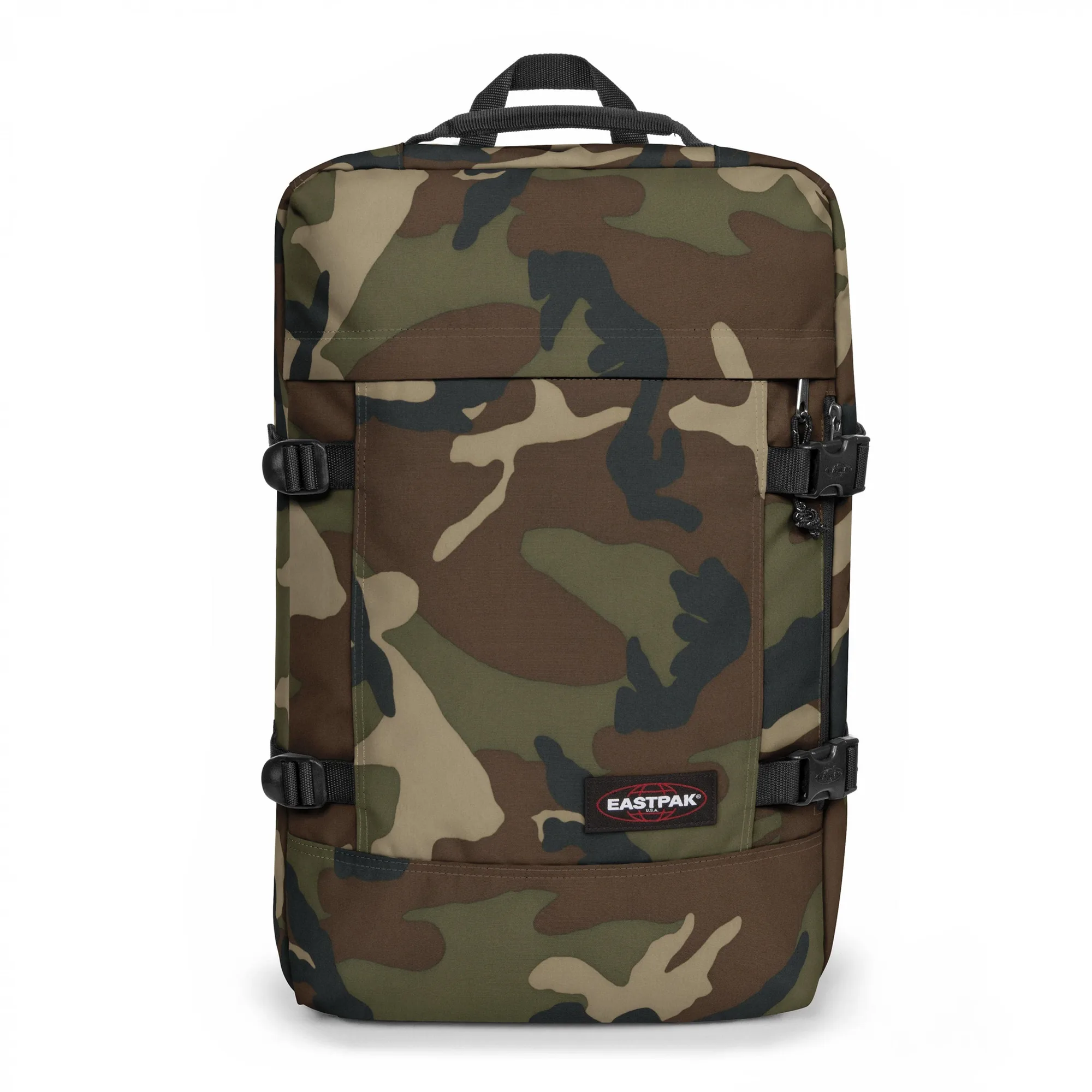
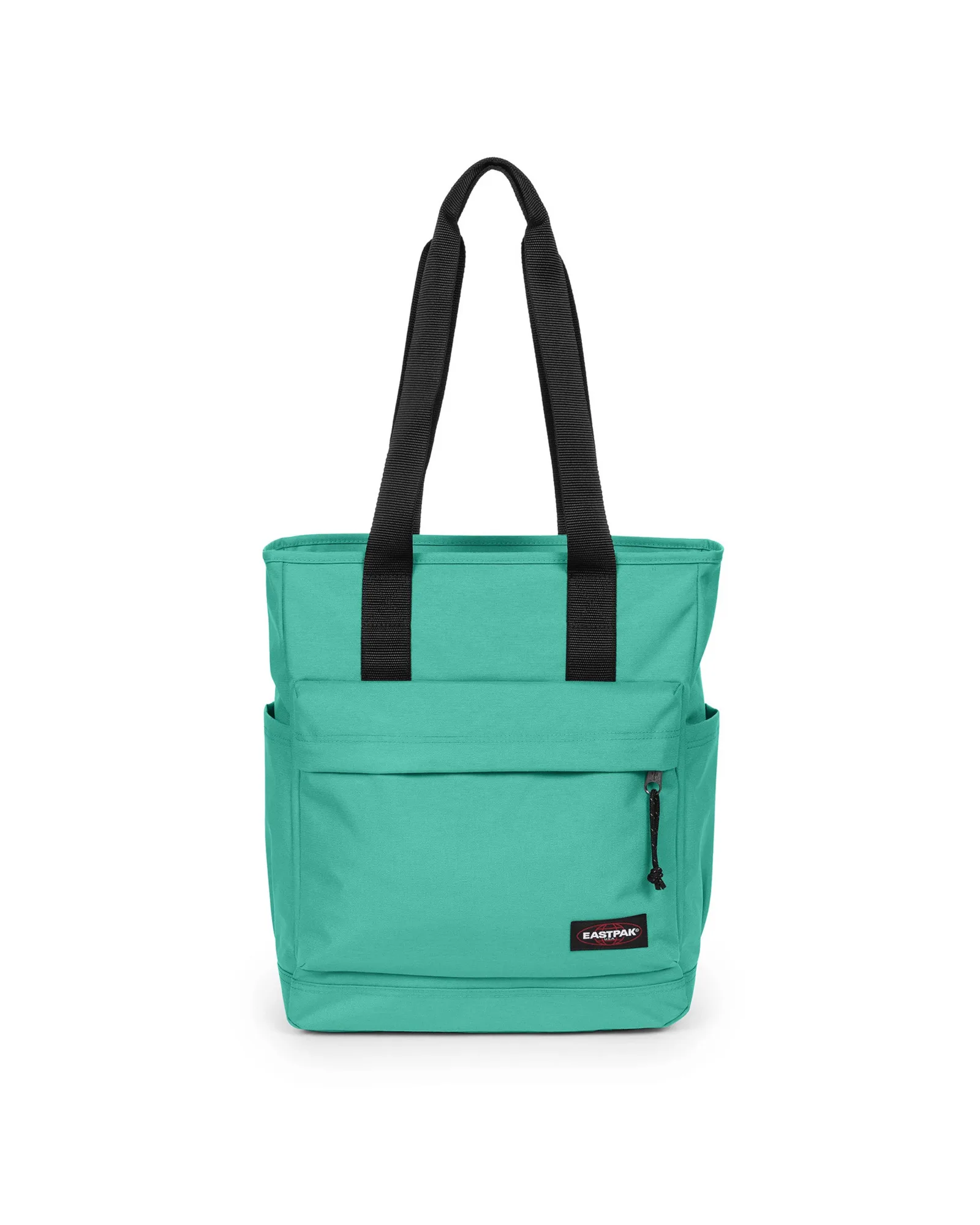
- TRAVELPACK CAMO: 2-in-1 luggage designed for weekend trips and overseas adventures, with two main compartments, a zip-fastening front pocket, carry handles, adjustable padded shoulder straps, a 17" laptop sleeve, a bottle holder, and tuck-away shoulder straps; water repellent and carry-on sized. The two compartments let you separate the heavy core from soft clothing, and the tuck-away straps mean you can carry it by hand at the airport and on your shoulder later.
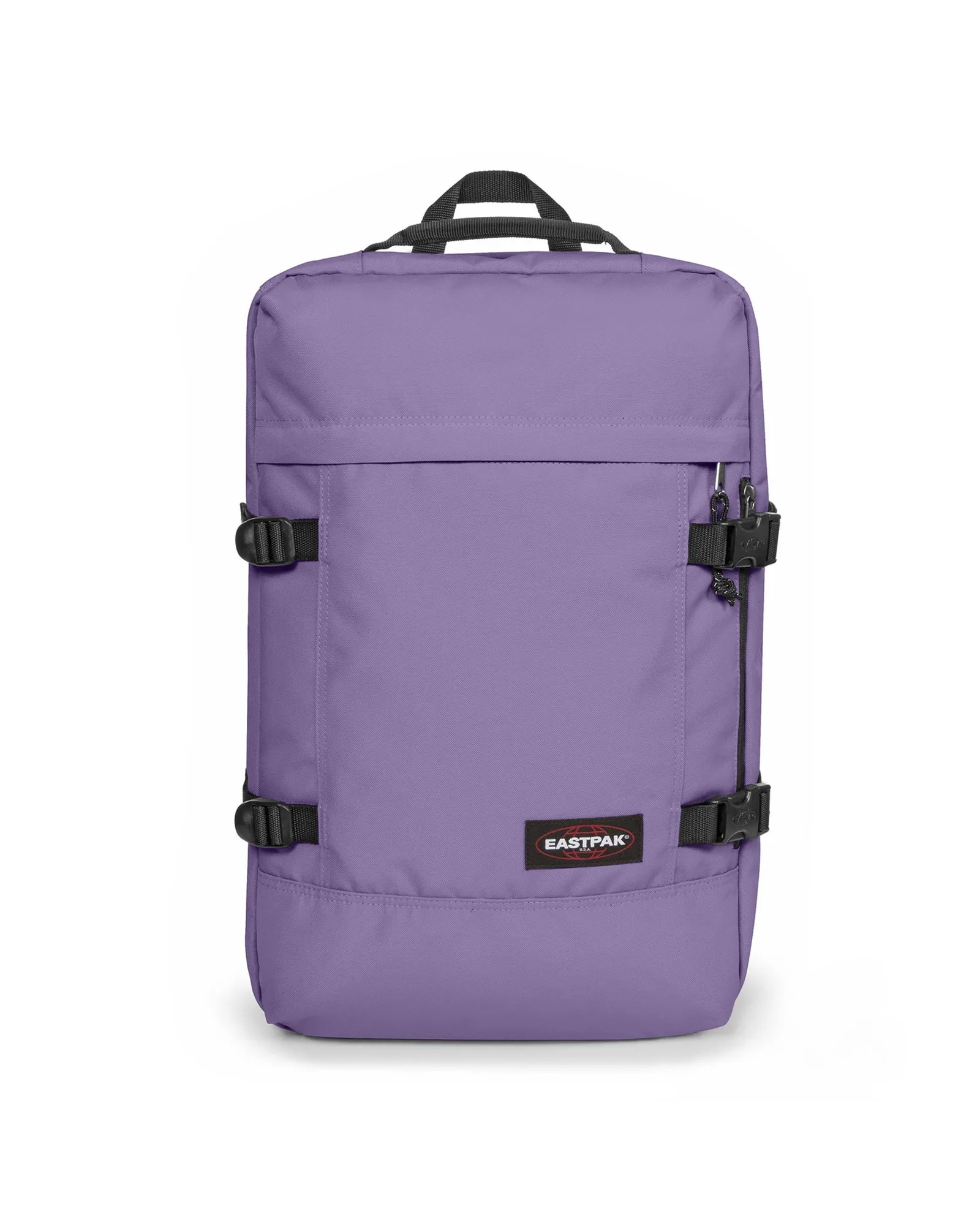
- TRAVELPACK DAHLIA PURPLE: 2-in-1 luggage designed for weekend trips and overseas adventures, with two main compartments, a zip-fastening front pocket, carry handles, adjustable padded shoulder straps, a 17" laptop sleeve, and a bottle holder; water repellent and carry-on sized. Same layout in a different colorway, so the packing order in this guide applies directly if you prefer this finish.
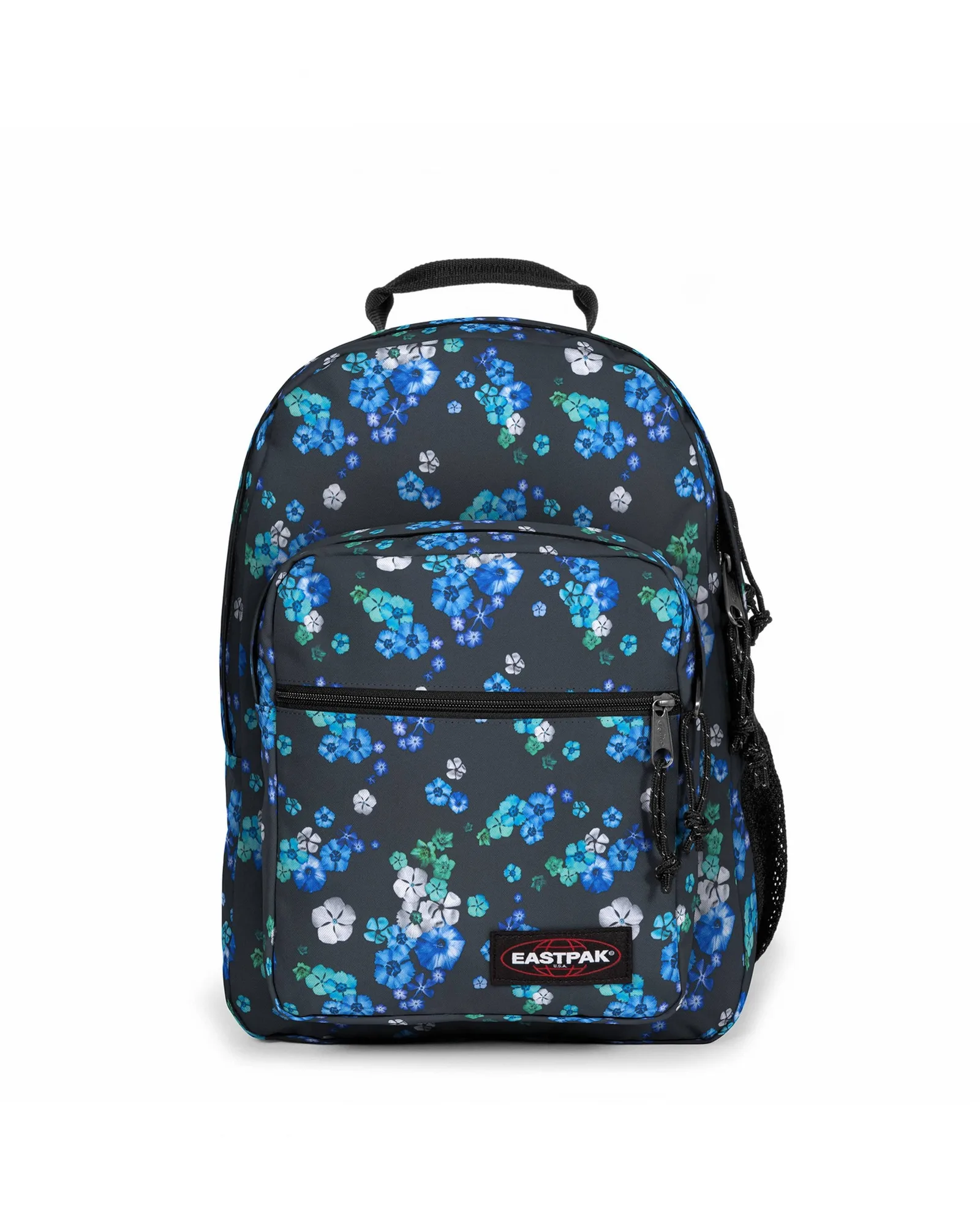
- MORIUS FLORAL BLOOM BLACK: Function-first backpack with two main compartments, a zippered front pocket, a side bottle holder, a 15" laptop sleeve, and a padded back panel, base, and shoulder straps, plus a reinforced padded bottom. A good choice if you prefer a backpack carry for a weekend trip and want the padded base to protect the bag when you set it down.
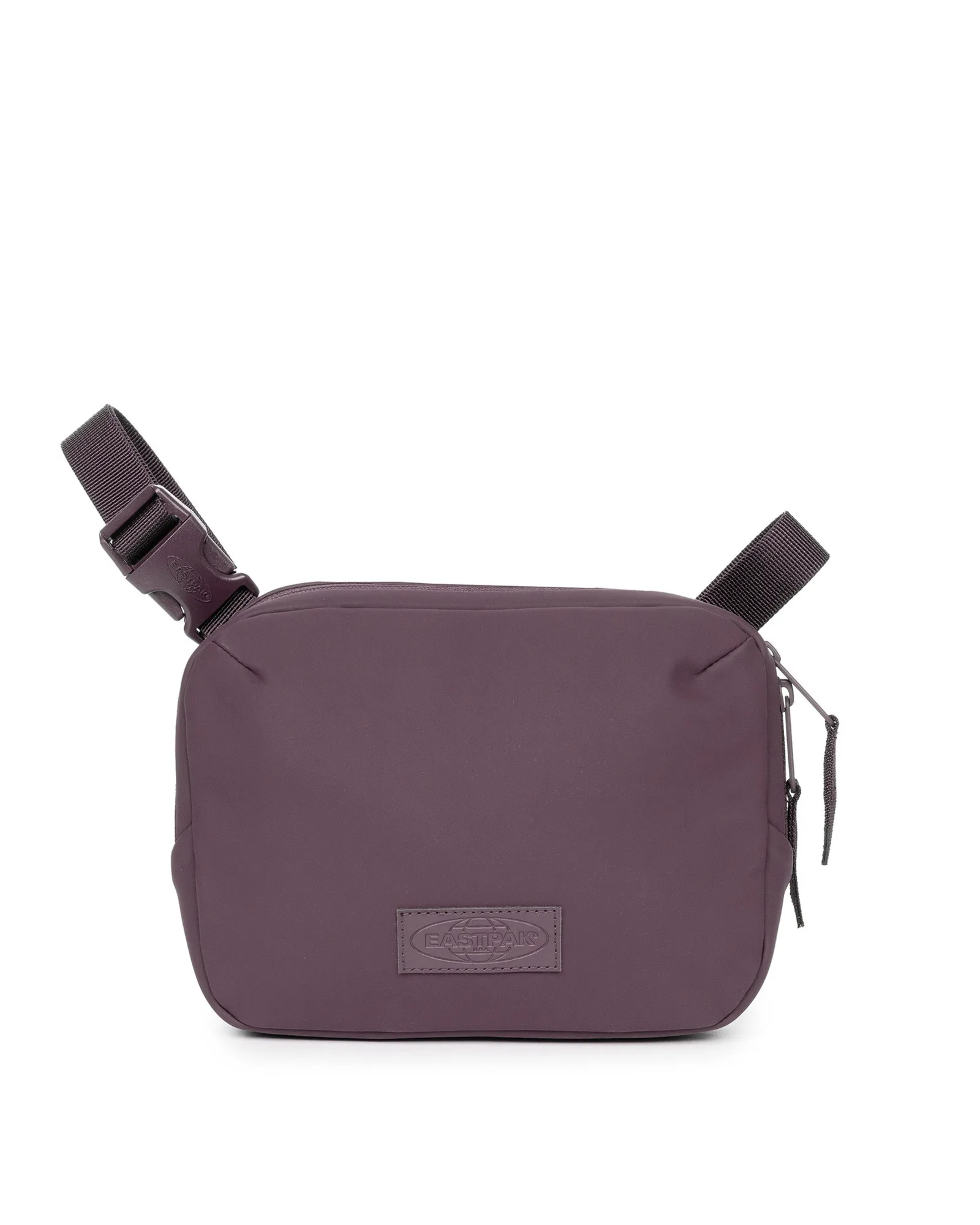
- ARJAN CNNCT F MATTE FIG: Crossbody bag with a secure zip closure, multiple interior compartments, an adjustable strap, and water-repellant material. Useful as a second, smaller bag for the items you want on you during the trip while the tote stays at your accommodation.
Pack in layers, keep the bag about two-thirds full, and let the bag's own features do the organizing. Do that and a weekend tote stays easy to carry, easy to close, and easy to live out of for two nights.