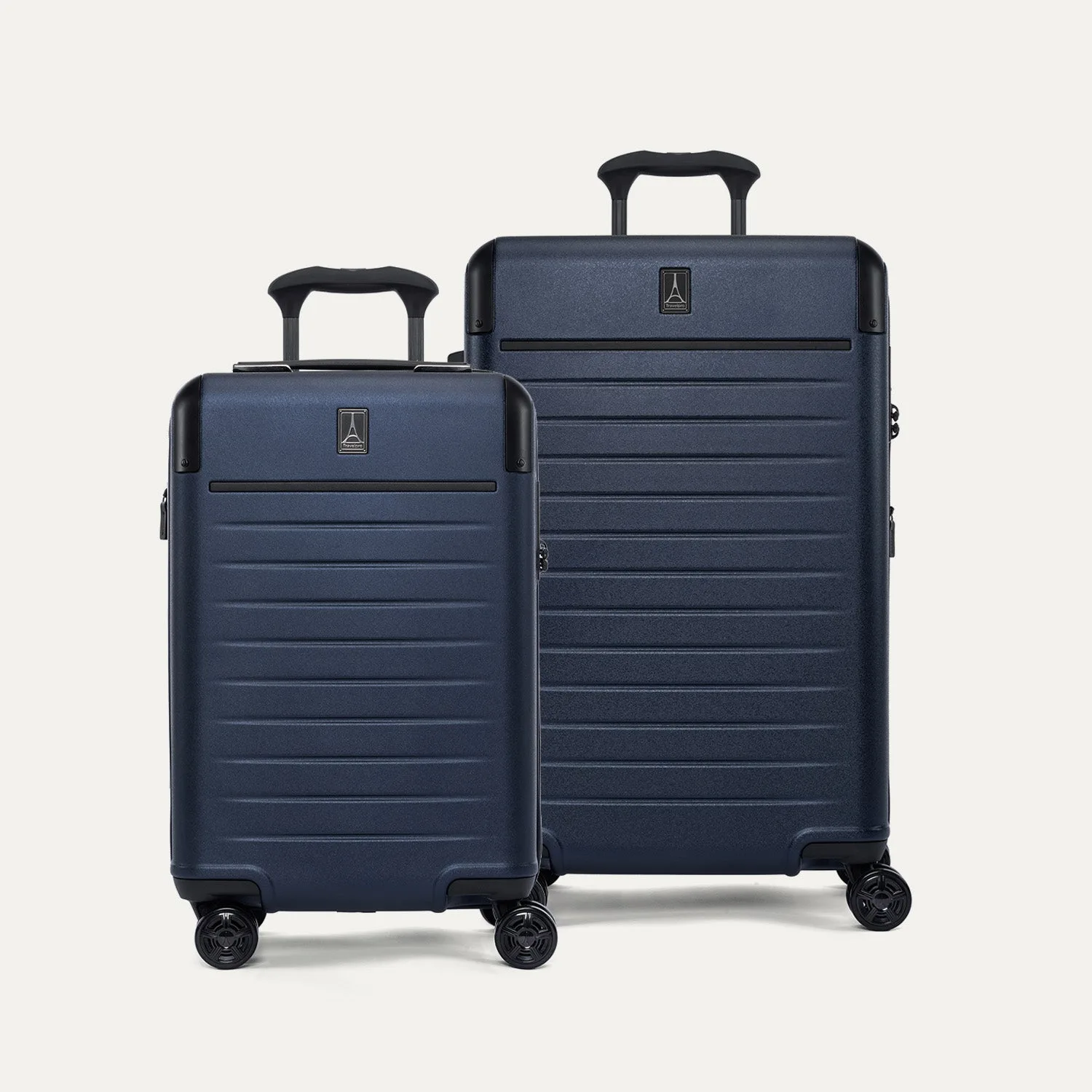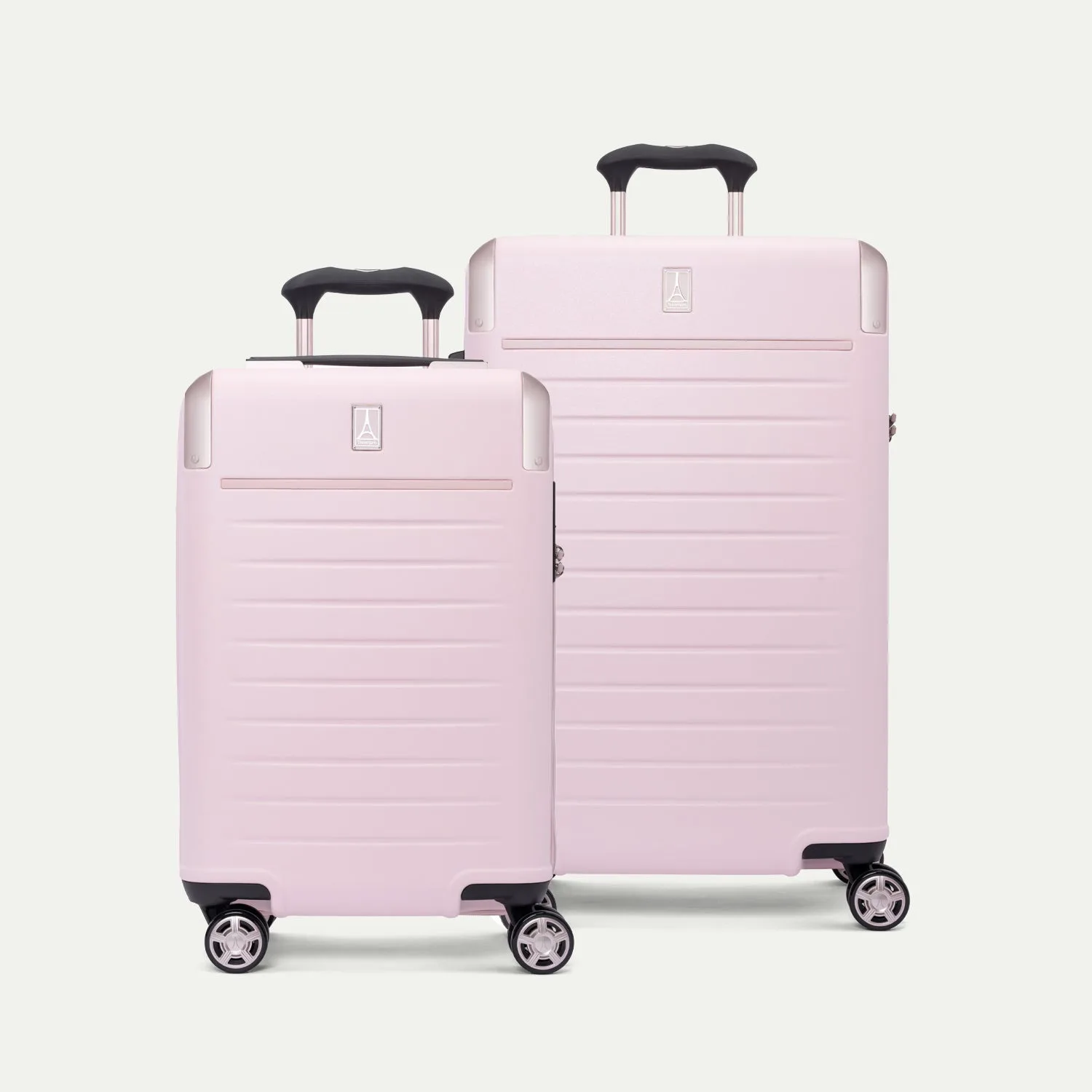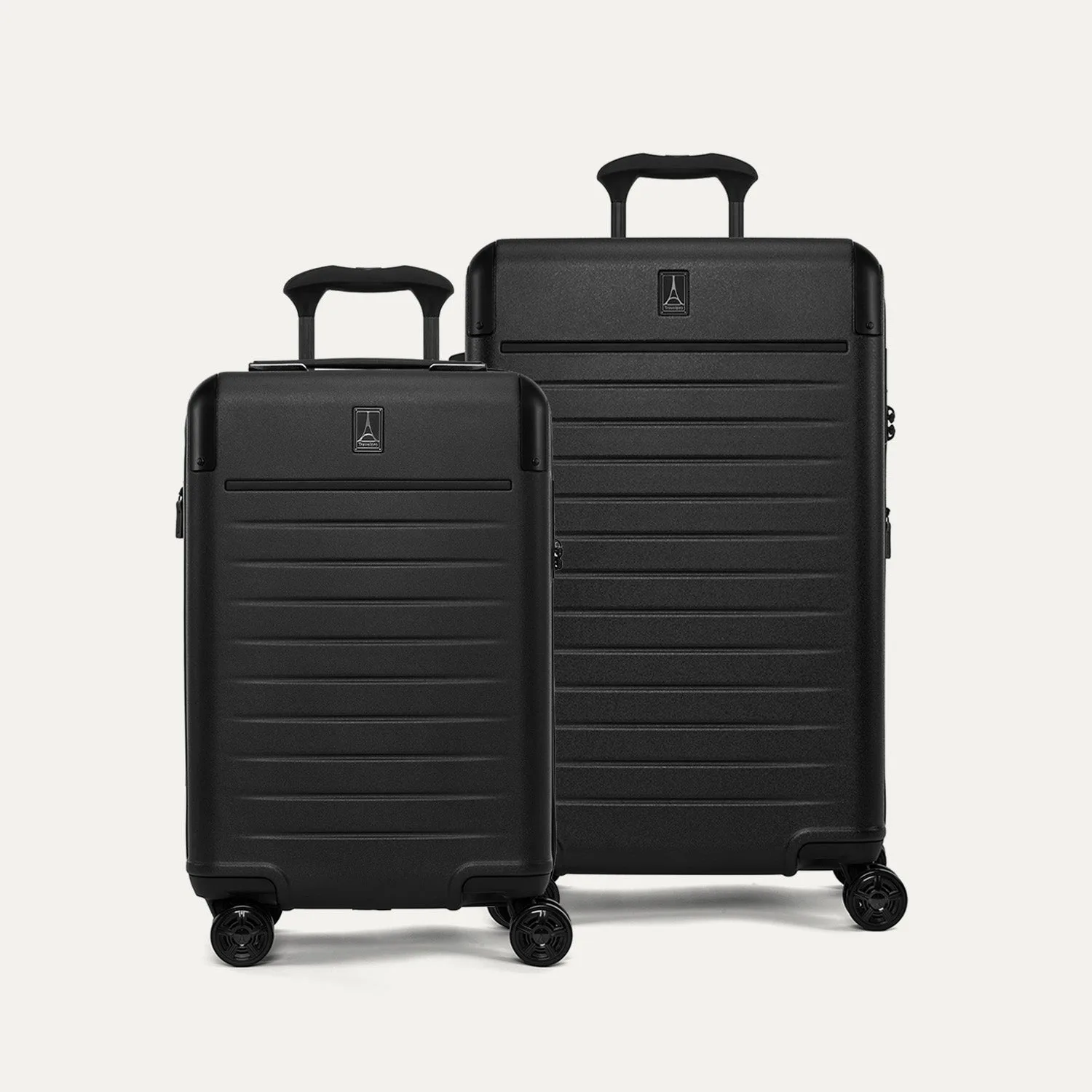
Quick answer
Pack the Platinum Elite large check-in hardside spinner by putting the heaviest items flat over the wheel end, filling the middle with rolled clothing, and leaving the top third for light layers and a dopp kit. Zip the 2-inch expansion only after the main compartment is full, then close the TSA lock and check the bag on a scale before you leave.
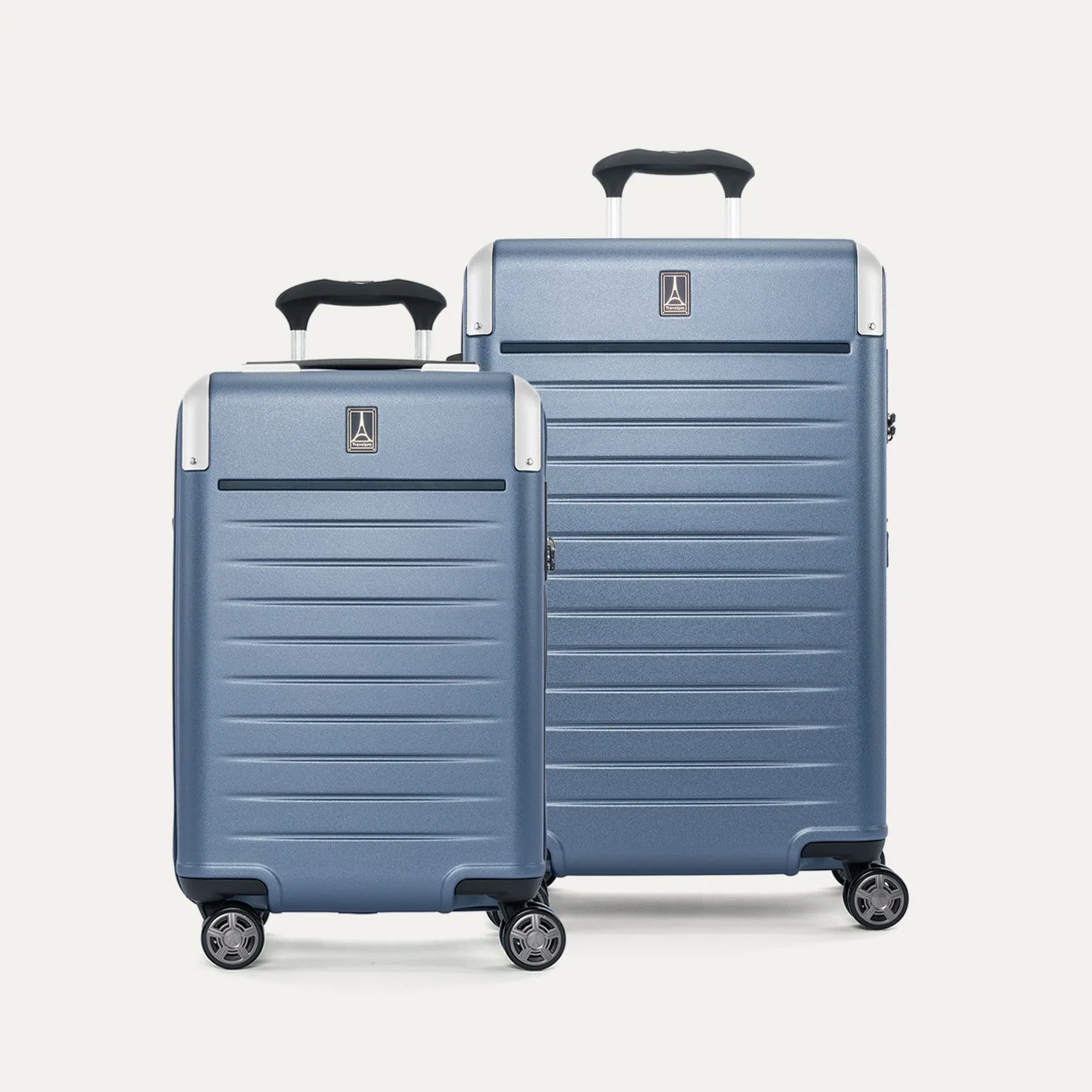
A large check-in hardside spinner gives you a fixed shell and a single deep compartment, so the packing method matters more than the number of items you own. The Platinum Elite hardside has aluminum corner armor, genuine leather trim, and a 2-inch zippered expansion, which means you can pack it fairly full without forcing the zipper.
This guide walks through the order that works for a 7-to-10-day trip: weight first, then soft layers, then the accessories that usually end up loose. It also covers the mistakes that crack shells or trip airline weight limits, and how the expansion and built-in lock should be used.
Start with the wheel end and the heaviest items
A spinner stands upright when you roll it, so the weight should sit over the wheels, not near the top handle. Lay shoes, a toiletry bag, or a hair tool flat across the bottom of the main compartment. This keeps the center of gravity low and stops the bag from tipping when you let go of the handle in a taxi or train aisle.
Common mistake: dropping heavy items in loose so they shift during transit. Use the interior zippered sections to hold them in place, and put anything that could leak inside a sealed pouch before it goes in. If you are flying on a regional jet, check the bag at the gate rather than assuming it fits the overhead.
- Checkpoint: press down on the packed bottom third. If it moves more than a little, repack it tighter before adding the next layer.
Build the middle with rolled clothing
Roll t-shirts, trousers, and knitwear and stack them in rows across the middle of the case. Rolls fill the space between the shell walls better than flat folds and leave fewer gaps for items to slide into. Keep each roll roughly the same height so the next layer sits level.
If you prefer folding, use the interior zippered sections and pack flat in overlapping layers. Either way, avoid overstuffing the middle. A hardside shell flexes under pressure, but a zipper that has to be forced is the most common cause of a split seam on any check-in bag.
- Checkpoint: the case should close with light hand pressure, not your knee.
Use the top third for light layers and quick-access items
The area closest to the top handle is where light items belong: a jacket, a scarf, a change of shirt, or a small pouch you may want at the hotel. Because this zone sits above the wheels, keeping it light helps the bag roll straight instead of dragging on one corner.
This is also where a dopp kit or charging pouch makes sense if you plan to open the case first thing on arrival. Keep liquids bagged and upright, and remember that the Platinum Elite hardside's built-in lock secures the main compartment, not a separate exterior pocket.
- Checkpoint: lift the closed bag by the top handle. If it feels back-heavy, move one heavy item down toward the wheels.
Expand last, and only when you need it
The Platinum Elite hardside has a zippered 2-inch expansion option that adds packing capacity. Unzip it after the main compartment is packed, not before, so you can see how much extra room you actually need. Expanding first encourages overpacking and makes the case harder to close.
Once expanded, the bag is deeper and slightly less rigid, so pack the extra space with soft items rather than hard objects that could press against the shell. If you are close to an airline weight limit, weigh the bag before you decide to use the expansion at all.
- Checkpoint: re-weigh the bag after expanding. The extra capacity is easy to fill past a 50 lb limit.
Lock, label, and do a final weight check
Close the case, zip the expansion if you used it, and set the built-in lock. The lock allows TSA authorities to unlock and lock the bag safely and securely when needed, so you do not need a separate cable lock for the main compartment. Add a luggage tag with your name and a phone number, and photograph the packed bag in case you need to file a claim.
Finally, weigh the bag on a home scale. Large check-in spinners are the easiest size to overload, and a heavy bag is also harder to lift onto a belt or into a car trunk. If you are over the limit, move dense items into a carry-on or wear your heaviest layer to the airport.
- Checkpoint: confirm the lock is set and the tag is attached before the bag leaves your hands.
Packing order at a glance
- 1. Load the wheel end: Place shoes, toiletry bags, and other heavy items flat across the bottom of the main compartment. Checkpoint: the bottom third should feel firm and not shift when pressed.
- 2. Fill the middle with rolled clothing: Roll t-shirts, trousers, and knitwear into even rows so the layer sits level. Checkpoint: the case should close with light hand pressure.
- 3. Keep the top third light: Use the area near the top handle for a jacket, a change of shirt, or a small pouch. Checkpoint: the bag should balance when lifted by the top handle.
- 4. Expand only if needed: Unzip the 2-inch expansion after packing, then fill the extra space with soft items. Checkpoint: re-weigh the bag after expanding.
- 5. Lock, tag, and weigh: Set the built-in TSA lock, attach a luggage tag, and weigh the bag on a home scale. Checkpoint: stay under your airline's weight limit before you leave.
Platinum Elite hardside details that affect packing
- https://travelproes.com/products/platinum-elite-carry-on-medium-check-in-hardside-set-av-5cbb053d710d7418db4d82bc-1634837https://travelproes.com/products/platinum-elite-carry-on-medium-check-in-hardside-set-0901a75bd5989b9a28abd7c1-1634845https://travelproes.com/products/platinum-elite-carry-on-medium-check-in-hardside-set-je-52601232cab06bcb771feb2d-1634856Platinum® Elite Carry-On / Medium Check-In Hardside Set: The zippered 2" expansion option gives you increased packing capacity when needed. Expand only after the main compartment is full so you do not overpack the case before you know how much extra room you need.
- Platinum® Elite Carry-On / Medium Check-In Hardside Set: Distinctive aluminum corner armor protects high-impact areas in style. The corners are reinforced, but the shell still flexes, so close the zipper with light pressure rather than forcing it.
- Platinum® Elite Carry-On / Medium Check-In Hardside Set: A built-in lock allows TSA authorities to unlock and lock safely and securely when needed. You can secure the main compartment without adding a separate lock, which keeps the exterior profile clean for baggage handling.
Pack the Platinum Elite large check-in hardside spinner heavy at the wheel end, level in the middle, and light at the top, then expand and lock it last. That order protects the shell, keeps the bag rolling straight, and makes the size limit easy to manage.