Quick answer
For solo trips, pick a lightweight shelter sized for one person plus gear, and add condensation control only when your conditions demand it. For group trips, size the tent to the number of sleepers plus a stove or gear zone, then use liners and half floors to manage moisture and interior layout. Buy the shelter that matches your worst realistic weather and your actual group size, not the one that looks best in a catalog.
A hunting tent has to do more than keep rain off. It has to hold up to wind, manage condensation, give you a place to dry gear, and fit the number of people and stove you actually bring. That is why the solo-versus-group decision comes before brand, color, or price.
This guide gives you decision rules for capacity, wall configuration, floor coverage, stake choice, and field repairs. It also shows how specific accessories from the catalog solve the problems that show up after the first wet night.
Start with sleepers, gear, and stove space
Count the people who will sleep in the tent, then add space for packs, boots, and a stove if you plan to run one. A tent that fits four sleepers on a summer trip may feel cramped in late season when everyone brings bulky layers and a stove. If you expect to cook inside or dry gear, plan for a dedicated zone rather than squeezing it into the sleeping area.
Solo hunters usually want the smallest shelter that still lets them sit up and change clothes. Group hunters should measure the longest pad and tallest person, then add the stove footprint. Do not assume a stated capacity is comfortable capacity; it is a maximum, not a guarantee.
- Write down your realistic worst-case group size before you shop.
- If you plan to run a stove, treat that space as a separate requirement.
Single wall or double wall: match the shelter to your moisture
Single-wall shelters are lighter and faster to pitch, but they can drip condensation on you and your gear in wet or cold conditions. Double-wall coverage adds a layer that moves that moisture away from the sleeping area. The trade-off is weight and extra setup, so the right answer depends on where and when you hunt.
If you already own a single-wall tent and hunt wet or late-season conditions, an insert or liner can add double-wall protection without replacing the whole shelter. That is often cheaper than a second tent and lets you keep the shelter you already know.
- Choose double wall when you expect rain, snow, or heavy condensation.
- Use an insert or liner to upgrade an existing single-wall tent.
Floor coverage: full, half, or none
A full floor keeps gear and sleepers off the ground but adds weight and can trap moisture. A half floor is a practical middle ground: it protects the sleeping side while leaving the other half open for a stove, gear, or a sitting area. No floor is lightest but demands more care with ground cloths and gear placement.
For group trips, the floor decision often follows the stove decision. If you want to run a stove in one half of the tent, a half floor lets you do that without giving up a dry sleeping surface. For solo trips, a full floor is usually simpler unless you are counting ounces.
- Pick a half floor when you want a stove zone plus a dry sleep zone.
- Pick a full floor when simplicity matters more than weight.
Stakes and repairs: the small gear that saves the trip
Stakes are where many shelter problems start. Light stakes save weight, but they need to match the ground you actually pitch in. If you hunt rocky or hard ground, choose stakes that can take a beating and bring a few spares. A bent or lost stake can turn a good tent into a flapping mess.
Repairs matter too, especially for mesh panels and inserts. A small hole in a bug screen or liner can let in insects or let condensation through. Pack a simple patch kit so a minor tear does not end your trip or force a replacement.
- Carry at least two spare stakes on any hunt.
- Inspect mesh and liners before every trip and patch small tears early.
Decision rules for solo vs group hunting tents
- Solo trip, fair weather, weight matters: Choose the lightest single-wall shelter that fits you and your gear, and skip the liner unless you expect condensation. Save weight now; add a liner later only if you actually get wet.
- Solo trip, wet or late season: Prioritize double-wall coverage or a liner, plus a full floor and reliable stakes. Condensation control is worth the extra ounces in cold, wet conditions.
- Group trip, no stove, bug season: Size the tent to your real sleeper count and add an insert for double-wall bug and moisture protection. Match the insert to your exact tent model before you buy.
- Group trip, stove or gear zone: Choose a shelter that supports a half floor or dedicated zone, and add a liner if you will run a stove or sleep in wet weather. Plan the interior layout before you commit to a floor configuration.
- Any trip, rocky or hard ground: Carry strong, light stakes and at least two spares, and pack mesh patches for insert or liner repairs. Small accessories prevent the most common field failures.
Catalog facts that affect your decision
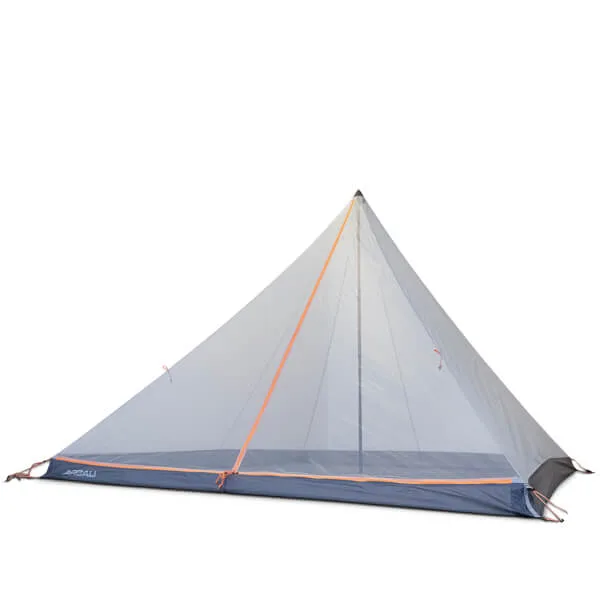
- Absaroka 4P Insert: The Absaroka 4P Insert fits inside the Absaroka 4P tent to provide full double wall coverage when bugs are an issue or if you prefer a traditional double wall tent. If you already own an Absaroka 4P, this insert is the direct way to add double-wall protection for bug season or wet weather without buying a new shelter.
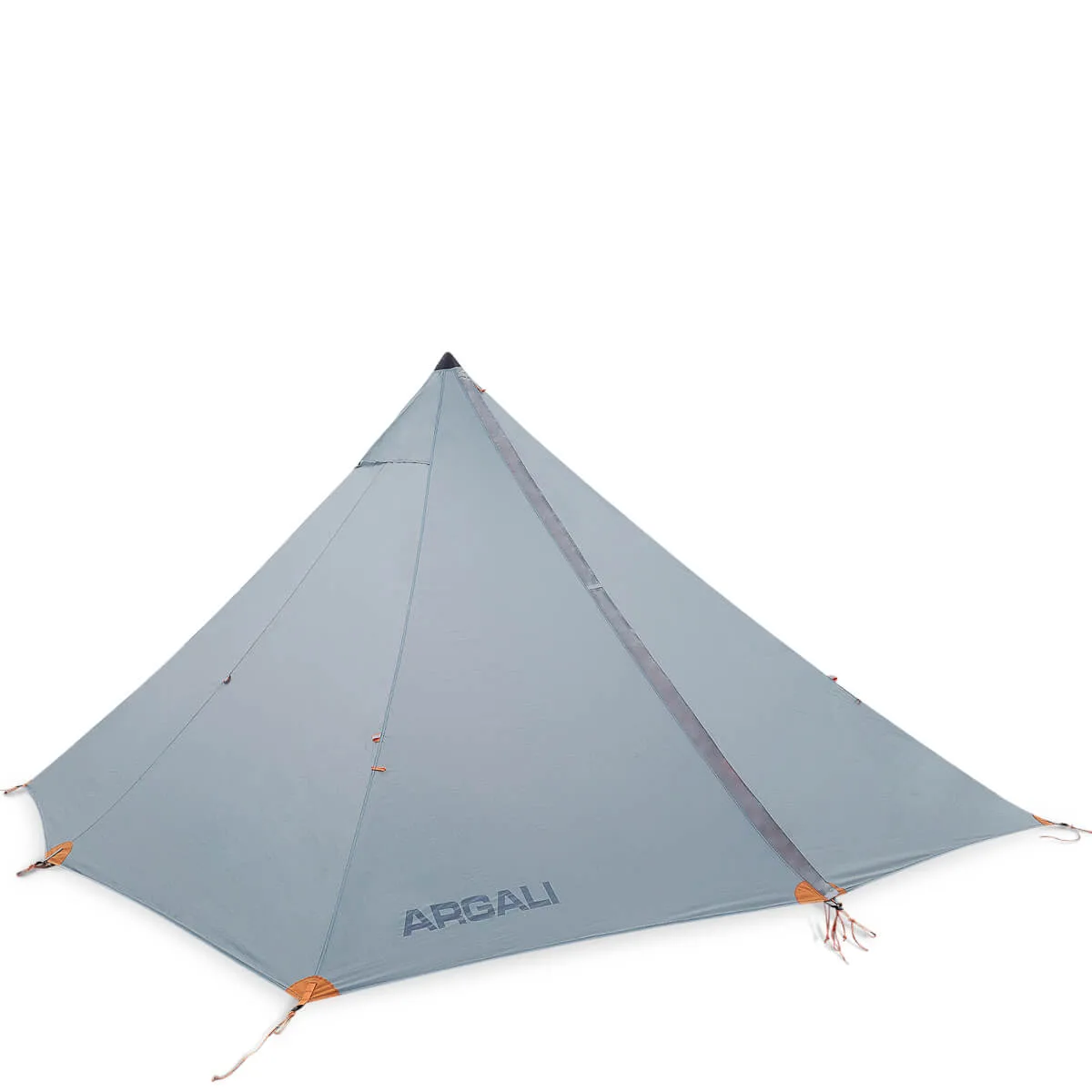
Absaroka 4P tent
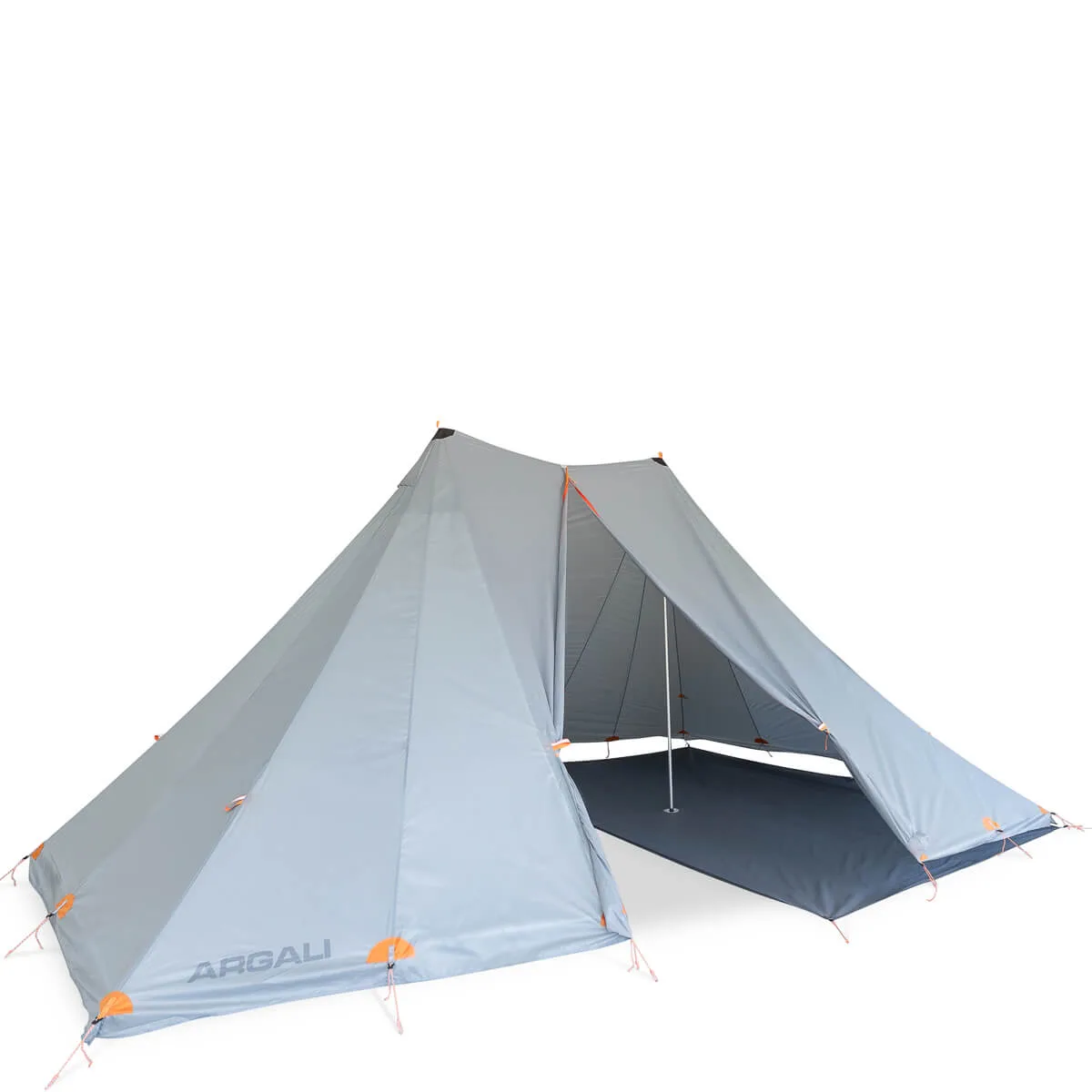
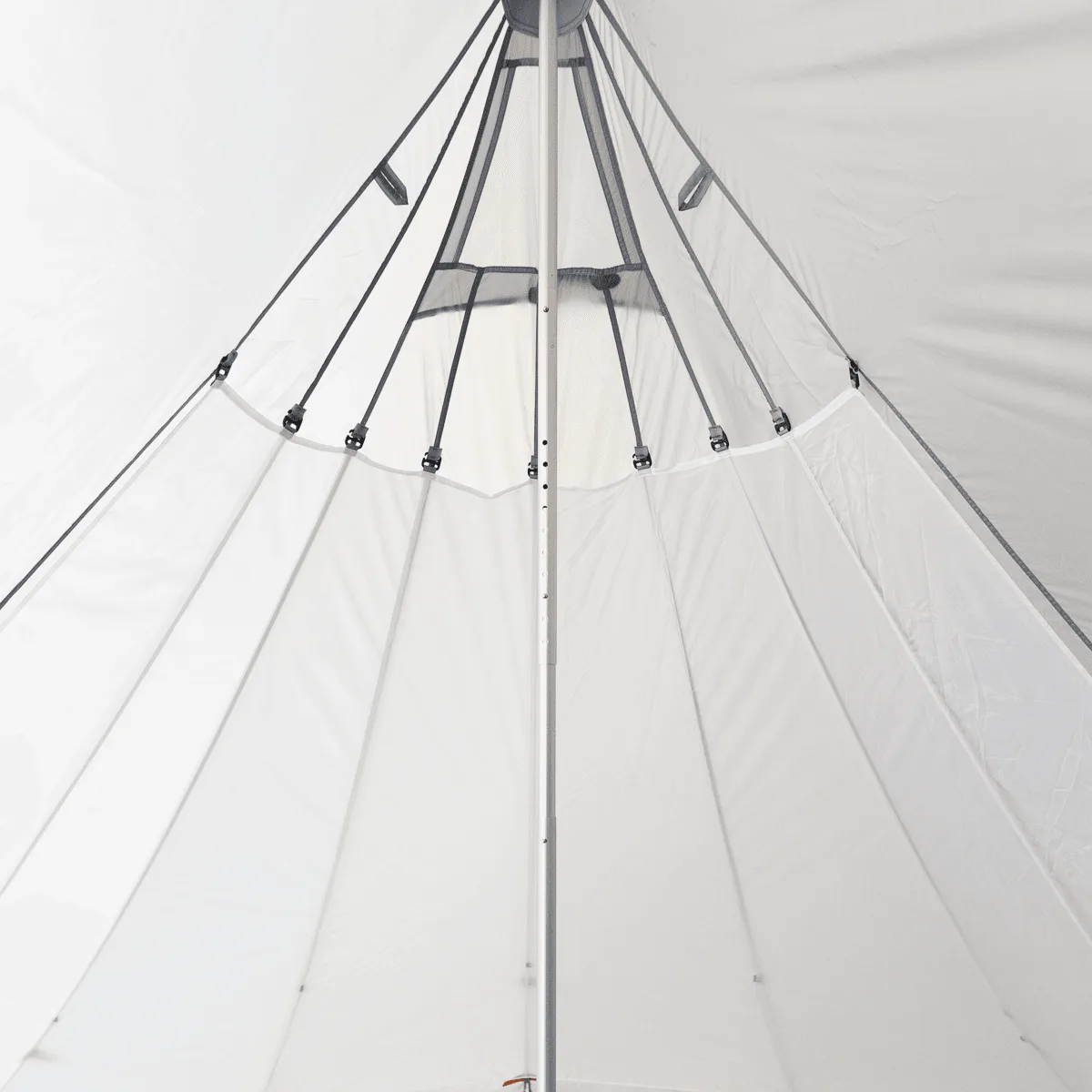
- Yukon 8P Half Liner: The Argali Yukon 8P Half Liner fits inside the Yukon 8P Tent to provide double wall coverage to prevent condensation from dripping on you and your gear; for full protection, purchase two half liners. Group hunters in wet or late-season conditions can add condensation control one half at a time, which lets you manage cost and weight instead of committing to a full liner set.
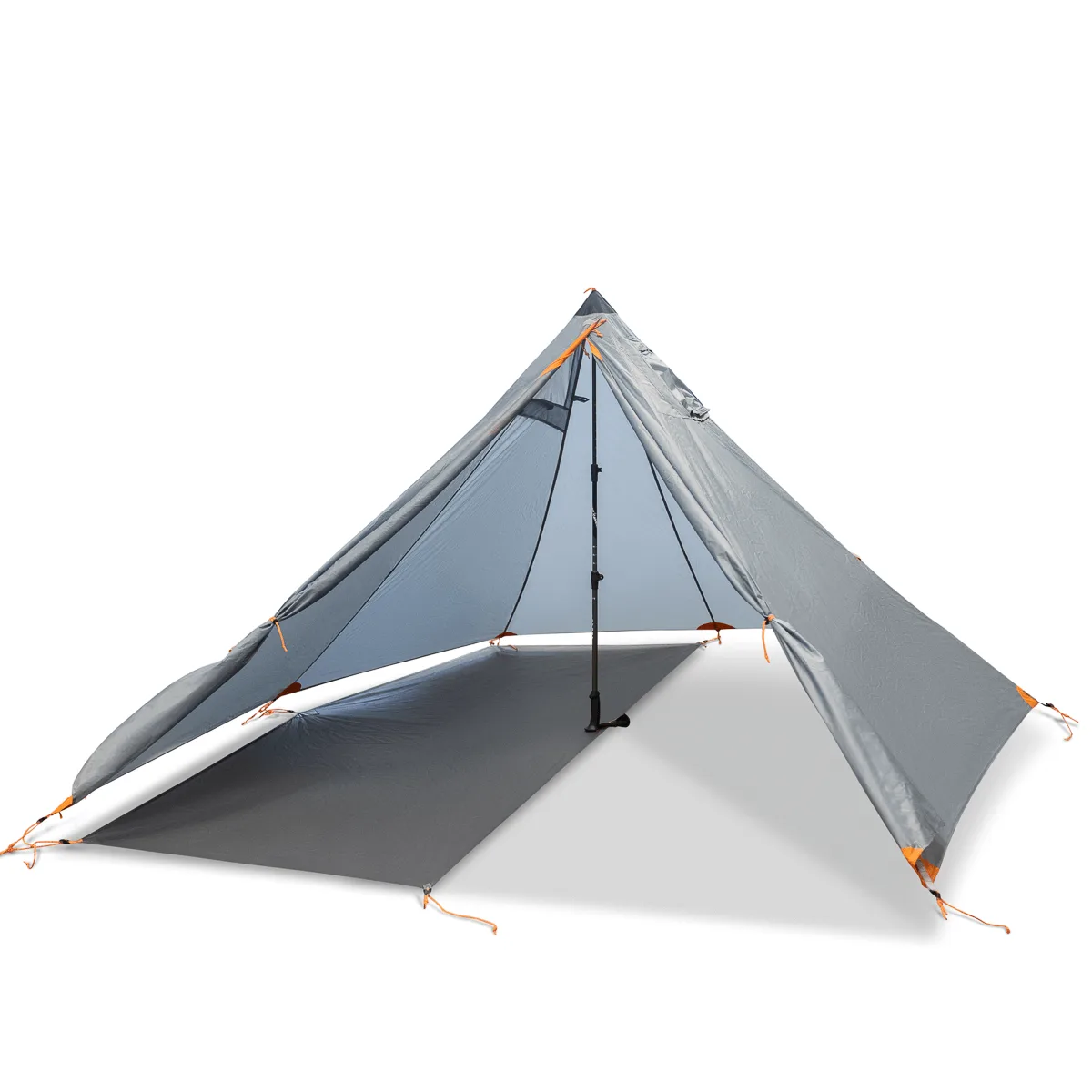
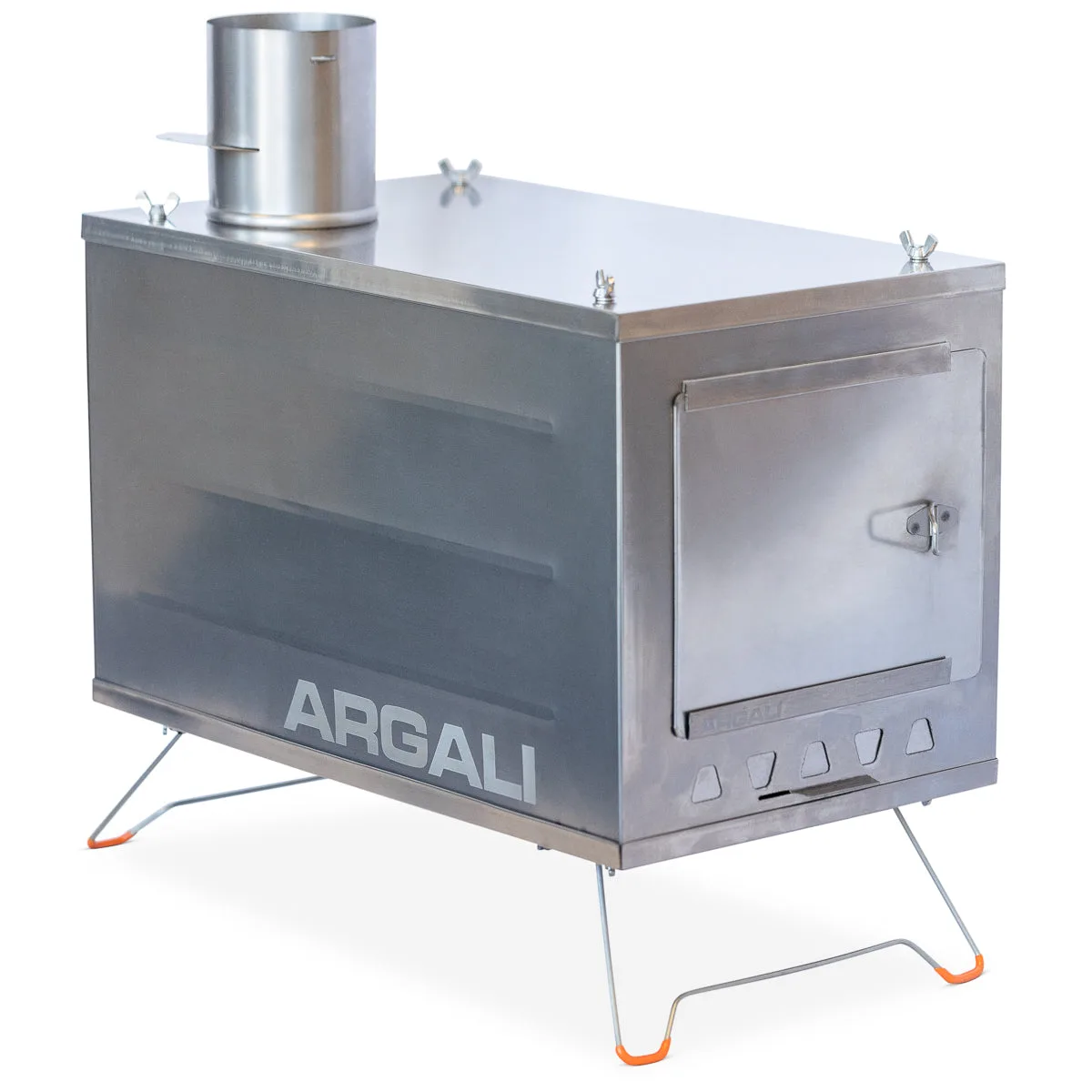
- Rincon 2P Half Floor: The Argali Rincon 2P Half Floor fits inside the Rincon 2P Tent to provide a floor for half of the tent for sleeping or to keep gear off the ground, and is ideal if you want to keep half your tent for sleeping and use the other half to run a Skyline Ti Stove, for gear, or as a sitting area. Solo and small-group hunters who want a stove or gear zone can protect the sleeping half without flooring the entire tent.
- Piton Tent Stake: Named after the solid iron climbing gear that revolutionized rock climbing, the Argali Piton Tent Stakes are strong and feather light at .3 ounces per stake. Light stakes reduce pack weight, but you should still carry spares and match them to your ground conditions.
Who this is for
Best for
- Hunters choosing between a solo hunting tent and a group hunting tent
- Backpack hunters who want to add liners, floors, or repairs to an existing shelter
- Group hunters planning for a stove, gear zone, or wet-weather condensation control
Not for
- Campers looking for a casual car-camping tent without backcountry weather concerns
- Hunters who never expect rain, snow, or condensation and want the absolute lightest option
- Anyone who needs a shelter that is not compatible with the specific insert, liner, or floor in this guide
Pick the shelter that matches your real group size and your worst realistic weather, then add liners, floors, stakes, and patches only where they solve a problem you will actually face. That approach keeps your pack lighter and your nights drier than buying the biggest or lightest tent on the shelf.