Quick answer
Buy one weatherproof shell cap for active hunting and one warm hunting beanie for stationary cold sits. Fit matters as much as insulation: a hat that shifts, lifts in wind, or presses on your head will fail you before the temperature does. If you only buy one, choose a weatherproof cap that layers over a thin beanie.
Start with how you hunt, not the temperature
The same 20°F morning demands different headwear if you are hiking uphill versus sitting in a blind. Active hunters generate heat and need a hat that vents or removes easily; stationary hunters need insulation that traps warmth without bulk. Decide your primary mode first, then pick insulation and shell accordingly.
- Active/stalking: thin beanie or unlined cap you can stuff in a pocket.
- Stationary/blind: thicker beanie with a wind-resistant outer layer.
- Mixed days: thin beanie plus a weatherproof cap you can add or remove.
Warmth: match insulation to your coldest realistic hunt
A warm hunting hat is not automatically better. Over-insulating makes you sweat on the walk in, and wet insulation loses warmth. For most hunters, a thin merino or fleece beanie covers 80% of days; a heavier beanie is for late-season sits. If you run cold or hunt below freezing, size up slightly so you can add a liner without compressing insulation.
- Above 40°F active: single-layer cap or thin beanie.
- 20–40°F stationary: midweight beanie or cap with ear coverage.
- Below 20°F or windy: heavy beanie plus a shell cap over it.
Weather protection: wind and rain change the rules
Wind strips warmth faster than temperature alone. A weatherproof hunting hat needs a tight weave or membrane and a brim that sheds rain without catching wind. Look for a shaped brim, adjustable rear cinch, and a chin strap or ear flaps if you hunt exposed ridges. Avoid loose crowns that balloon and block your vision.
- Rain: brimmed cap with a water-resistant shell; avoid absorbent cotton.
- Wind: low-profile beanie or cap with a rear adjustment.
- Snow: dark or camo shell that sheds flakes and dries fast.
Fit: the detail most hunters get wrong
A hunting hat should sit just above your eyebrows, stay put when you look down, and leave no deep red marks after an hour. Measure your head circumference with a soft tape above your ears. If you are between sizes, choose the larger size for layering in cold weather, or the smaller size for a secure fit in wind. Beanies should have slight stretch without squeezing; caps should adjust at the rear without creating a pressure point.
- Too tight: headaches, cold spots, and hat creep when you turn your head.
- Too loose: lifts in wind, blocks vision, and lets heat escape.
- Layering: your outer hat should fit over your liner without compressing it.
Beanie vs cap: choose by task, not style
A hunting beanie vs cap decision comes down to coverage and adjustability. Beanies cover ears and trap heat but can be too warm on the move. Caps offer a brim for sun and rain but leave ears exposed unless you add a beanie underneath. Many hunters carry both: a thin beanie for the hike and a weatherproof cap for glassing or sitting.
- Beanie: best for stationary cold, sleeping, and layering.
- Cap: best for active days, sun, and light rain.
- Both: the most flexible system for changing conditions.
Decision rules for buying a hunting hat
- If you hunt actively above 40°F: Choose a thin, breathable beanie or an unlined cap. Avoid heavy insulation that makes you sweat on the climb. Pack it, don't wear it, until you stop moving.
- If you sit still below freezing: Choose a heavy beanie with wind-resistant outer fabric, or a cap with ear flaps. Size up for a liner if you run cold. Wind protection matters more than thickness.
- If you face wind and rain: Choose a weatherproof cap with a shaped brim and rear adjustment. Add a thin beanie underneath for warmth. A loose hat fails in wind; fit is part of weather protection.
- If you only buy one hat: Choose a weatherproof cap that fits over a thin beanie. It covers sun, rain, and moderate cold, and layers for deep cold. One adjustable cap plus one thin beanie covers most seasons.
Gear that supports the system
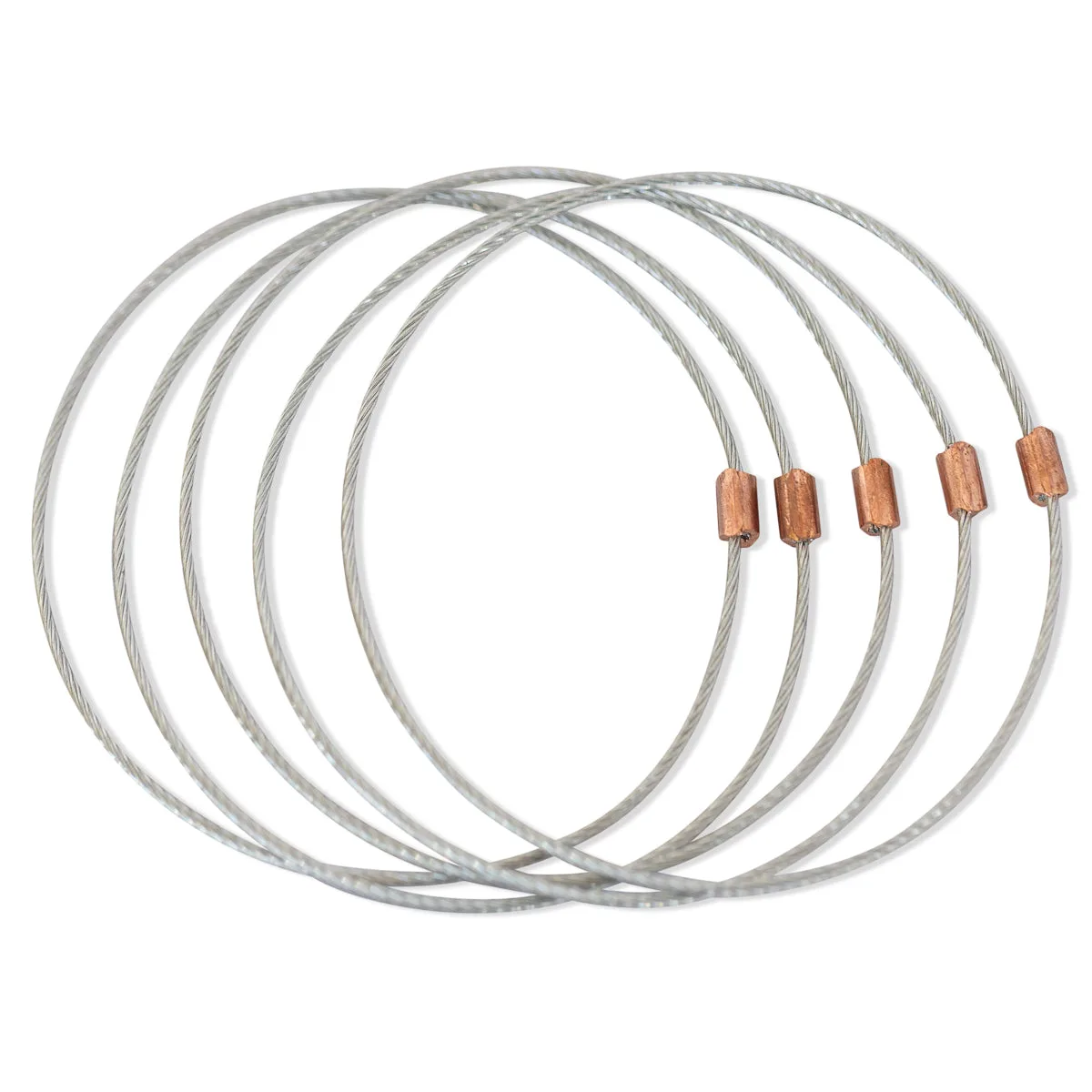
- Skyline Ti Stove Pipe Rings: Skyline Ti stove pipe rings are designed to work with the stove pipe on any Skyline Ti Titanium Wood Stove to keep the chimney secured and in shape; sold as a set of 5, and every Skyline Ti Stove comes with rings, so these are replacements or extras. If you run a wood stove in your shelter, spare rings prevent a mid-trip chimney failure that could end a cold-weather hunt.
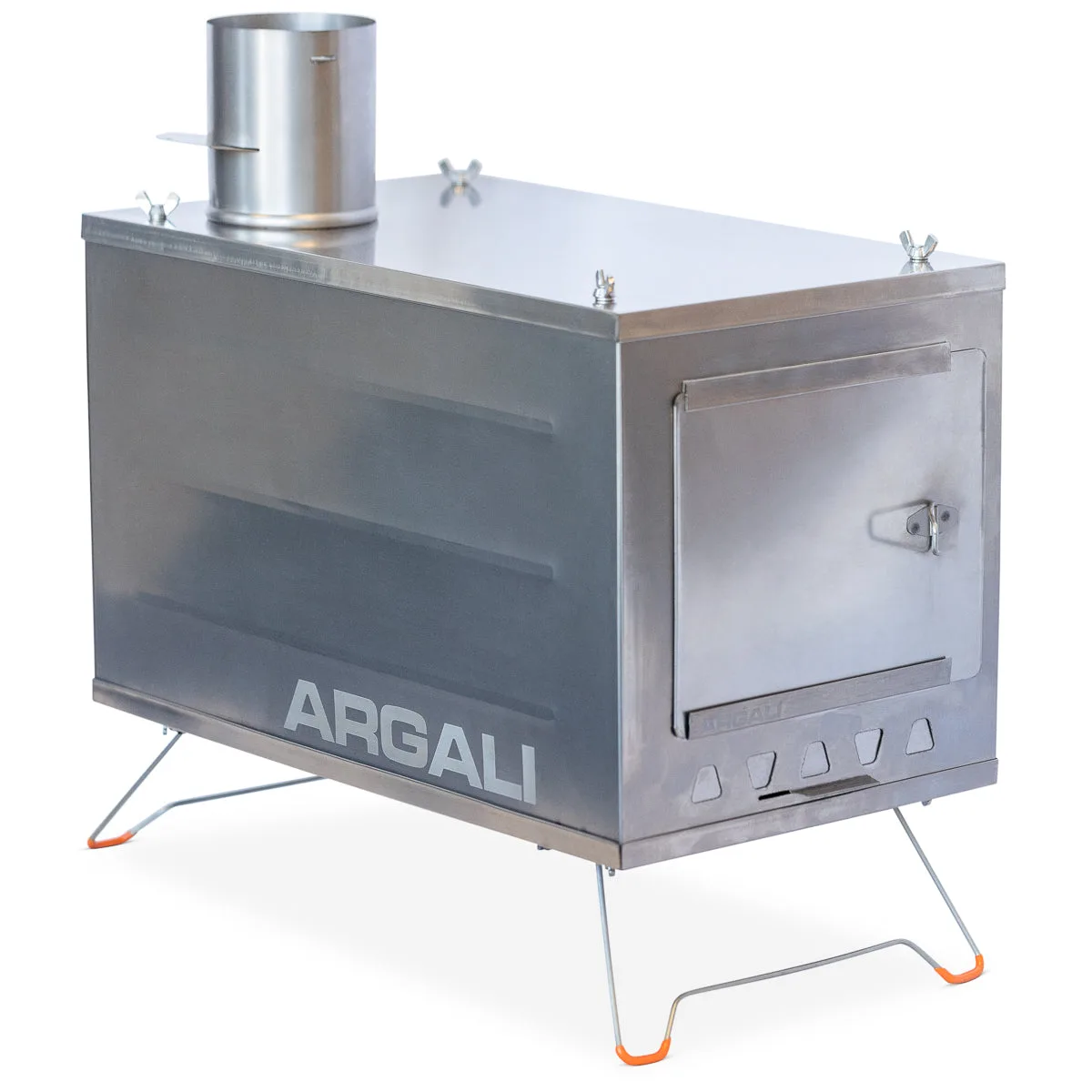
Skyline Ti Titanium Wood Stove
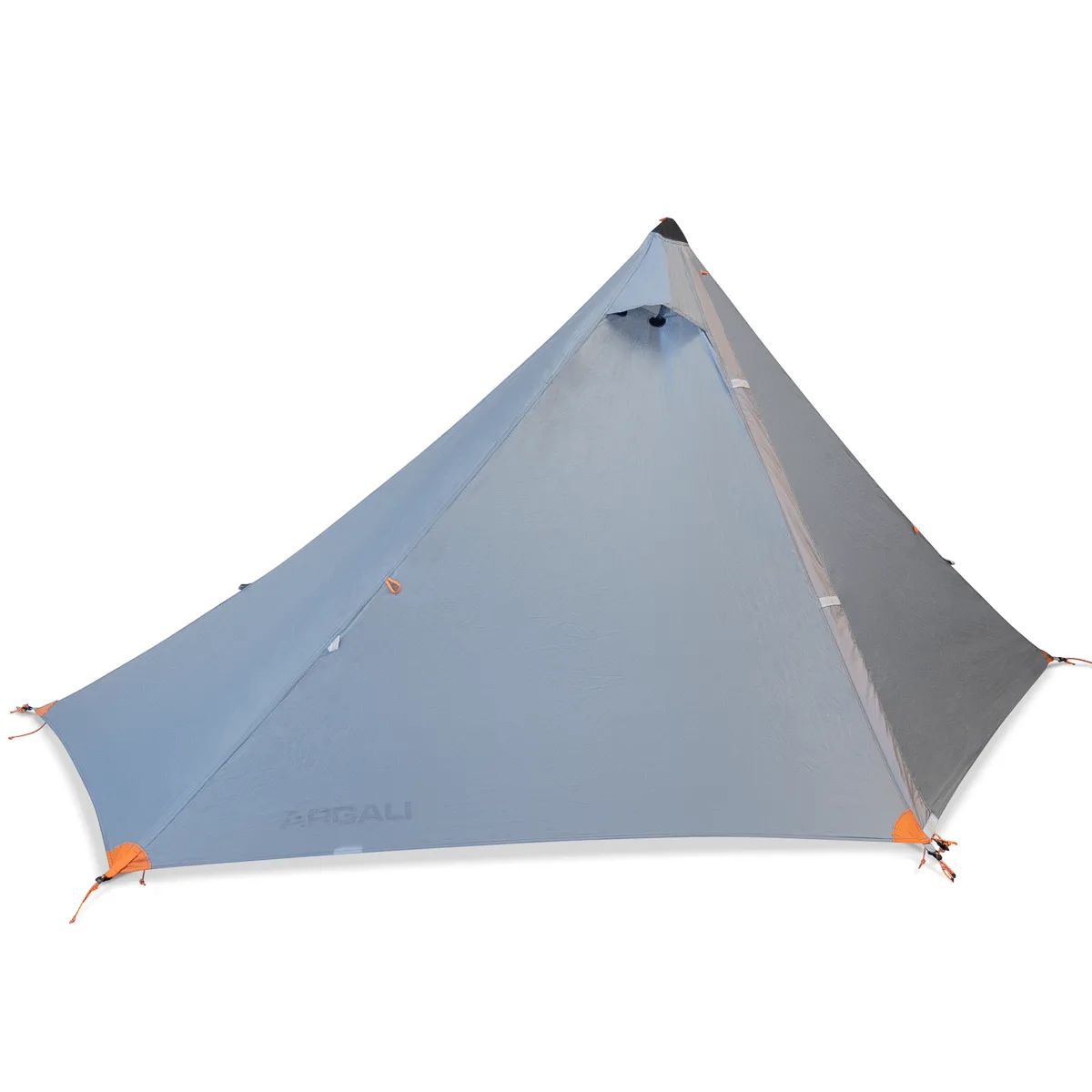
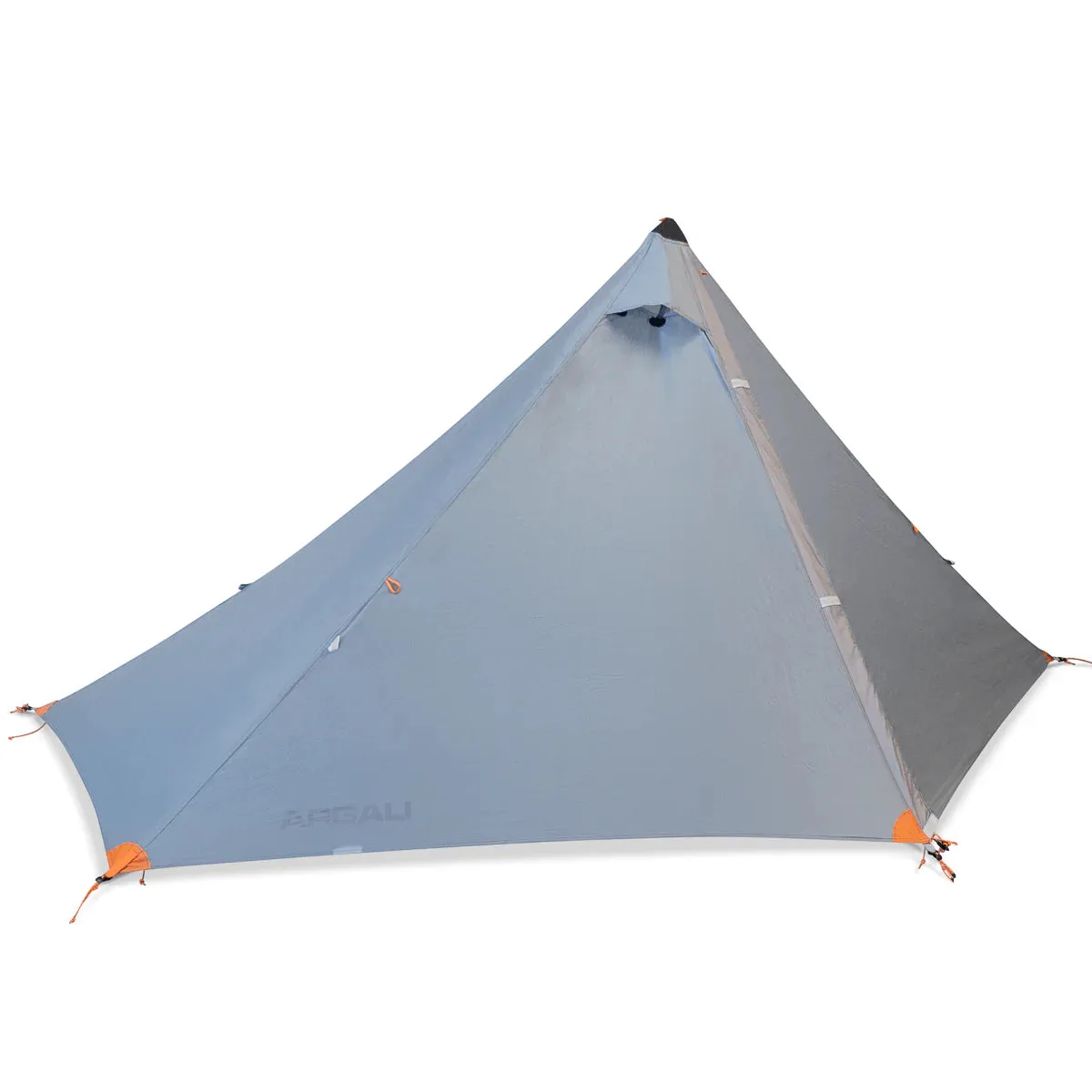
- Owyhee 1P Tent Seam Sealing: Owyhee 1P Tent Seam Sealing provides the necessary seam sealing treatment to make your Owyhee 1P tent fully waterproof. A weatherproof hat keeps your head dry, but a leaking tent seam can soak your sleep system and force you out of the backcountry early.
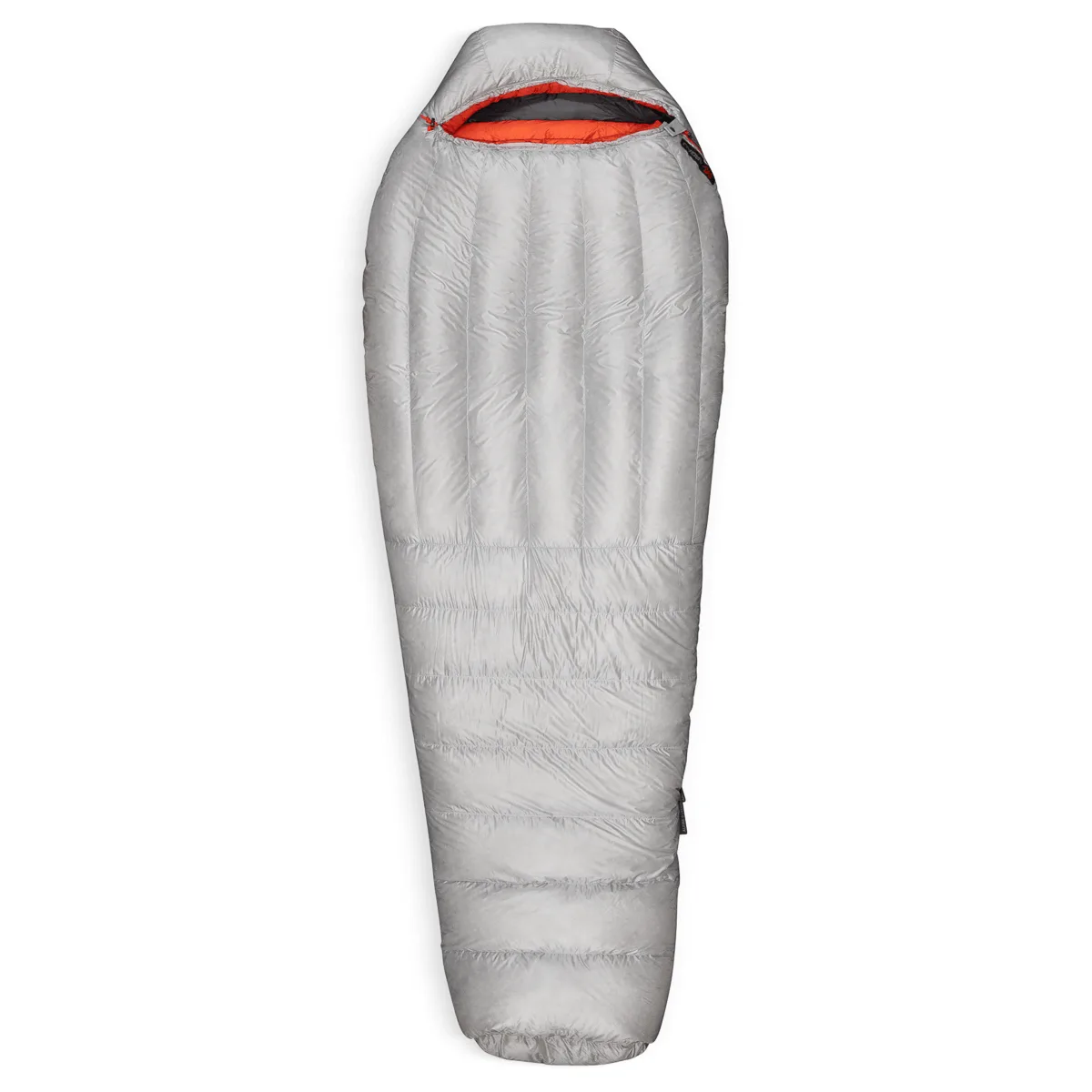
- Alpine 0 Degree Sleeping Bag: The Argali Alpine 0 Degree sleeping bag is designed for comfort and warmth in a lightweight package, built for cold weather camping and backpacking, and made for wide shoulders or those who toss and turn. Cold-weather headwear is part of a sleep system; if you sleep cold, a warm hat plus a rated bag extends your comfort below the bag's limit.
Who this system fits
Best for
- Hunters who face changing conditions from hike-in to sit
- Anyone who wants one hat system for sun, rain, and cold
- Hunters who layer headwear instead of owning many hats
Not for
- Hunters who only need a single warm hat for extreme cold and never move
- Anyone who refuses to adjust or layer headwear during the day