Quick answer
For most grooming setups, keep two separate products: a dedicated blade coolant for quick in-run cooling and a light clipper oil for lubrication after every use. Choose a coolant based on how many dogs you groom per day and how hot your blades run, and choose an oil based on blade type and coat condition. If you groom one matted or thick-coated dog at a time, a single coolant and a small oil bottle will cover you. If you run multiple clippers all day, buy coolant in a larger size and keep oil within arm's reach.
Clipper blades get hot fast, especially on double coats, matted fur, and dirty coats. Coolant and oil do different jobs, and using one without the other shortens blade life. This clipper coolant buying guide gives you concrete decision rules so you can stop guessing and buy the right two products.
You do not need a shelf full of options. You need one coolant that matches your daily workload and one oil that matches your blade and coat type. The sections below cover how to choose each, when to spend more, and when the budget pick is the smarter call.
Coolant vs. oil: what each product actually does
Coolant lowers blade temperature during grooming. You apply it to the blade while the clipper is running, and it evaporates or dissipates heat so you can keep working without burning the dog or the blade. Oil lubricates the blade and internal mechanism, reducing friction that creates heat in the first place. Oil is not a coolant, and coolant is not a lubricant. Using coolant alone leaves metal grinding on metal; using oil alone will not save you when a blade is already hot.
The practical rule is simple: coolant for heat during the groom, oil for friction after and between grooms. If you only buy one, buy oil, because lubrication prevents the heat problem from getting worse. But if you groom more than one dog per session, buy both. A hot blade slows you down, and a dull blade pulls coat instead of cutting it.
- Apply coolant to the blade, not the clipper housing, and let it work for a few seconds before continuing.
- Oil the blade before the first dog, after every blade change, and at the end of the day.
- Never spray coolant into the motor vents; it can damage the clipper over time.
How to match coolant to your workload and blade
Start with how many dogs you groom in a day and how thick their coats are. One or two light-coated dogs per day usually need only occasional coolant. Three or more dogs, or any double-coated or matted coat, needs a coolant you can apply repeatedly without leaving heavy residue. If you use ceramic or stainless steel blades, check that the coolant is labeled safe for both. If the label does not say, treat it as a limitation and choose a product with clearer instructions.
Next, look at the delivery format. Aerosol cans cool quickly and are easy to grab mid-groom, but they run out fast and cost more per use. Pump or trigger sprays give you more control and less overspray, which matters in a small salon. If you work alone and cannot stop to re-oil, a coolant that also leaves a light lubricating film can buy you a few extra minutes, but it is not a replacement for proper oiling.
- One-dog households: a small coolant bottle lasts months; do not overbuy.
- Three or more dogs per day: buy the largest coolant size you will use within a year.
- Matted coats: choose a coolant you can apply frequently without soaking the coat.
How to choose the best clipper oil for dog grooming
Clipper oil should be light, clear, and free of additives that gum up the blade. Thick oils stay on the blade and attract coat and dirt, which increases friction. If you groom dogs with skin issues or allergies, choose a simple oil with a short ingredient list. Scented oils are a personal preference, not a performance feature, and some dogs are sensitive to fragrance near the face.
Match oil viscosity to your blade and climate. In hot, humid conditions, a slightly heavier oil can stay in place longer, but it will also collect more debris. In cold, dry conditions, a lighter oil flows better and reaches the internal mechanism. If you are unsure, start with a light oil and reapply more often. Reapplying a light oil is safer than over-oiling with a heavy one, which can slow the blade and leave a film on the coat.
- Oil the blade with the clipper running so the oil distributes evenly.
- Wipe excess oil off the blade before grooming to avoid coat stains.
- Keep a small oil bottle in your apron pocket for mid-groom touch-ups.
Trade-offs: aerosol vs. pump, budget vs. professional
Aerosol coolants are fast and convenient, but they cost more per ounce and create waste. Pump sprays are slower to apply but cheaper over time and easier to control. If you groom in a busy salon with back-to-back appointments, aerosol speed may be worth the premium. If you groom at home or in a mobile setup where storage matters, pump or trigger bottles are usually the better fit.
Budget coolants and oils can work well for occasional grooming, but they often evaporate faster or need more frequent application. Professional products tend to last longer per use, which lowers the cost per dog. The trade-off is upfront price. If you groom fewer than two dogs a week, start with a budget coolant and a small oil, then upgrade only if you notice blades heating up faster than you can manage.
- Buy coolant in the size you will finish within 12 months; old coolant loses effectiveness.
- Keep oil and coolant separate; never mix them in one bottle.
- If a blade still gets hot after coolant and oil, the blade may be dull or damaged.
Decision rules for buying coolant and oil
- If you groom one dog per week: Buy a small pump coolant and a light clipper oil. You will not use enough volume to justify aerosol or bulk sizes, and small bottles stay fresh longer. Checkpoint: replace coolant if it has been open for more than a year.
- If you groom three or more dogs per day: Buy the largest coolant size you will finish within 12 months and keep two oil bottles: one at your station and one in your apron. Speed matters more than per-ounce savings when blades are cooling between dogs. Checkpoint: track how many dogs you get per coolant can; if it is fewer than expected, switch to a pump spray.
- If your blades run hot even with coolant: The blade is likely dull, damaged, or clogged with coat. Coolant and oil cannot fix a mechanical problem. Replace or sharpen the blade before buying a stronger coolant. Checkpoint: if a blade is too hot to touch after coolant, stop using it.
- If you work on matted or double coats: Choose a coolant you can apply frequently without soaking the coat, and oil more often because matted coat creates extra friction. Pre-groom with a slicker to remove loose fur before clipping. Checkpoint: budget for more coolant per dog on matted coats.
- If you are unsure which oil to buy: Start with a light, unscented oil. It is the safest default for most blades and coat types. You can move to a heavier oil later if you groom in hot, humid conditions and find the light oil disappears too quickly. Checkpoint: never use cooking oil, WD-40, or generic machine oil on clipper blades.
Products that support these decisions
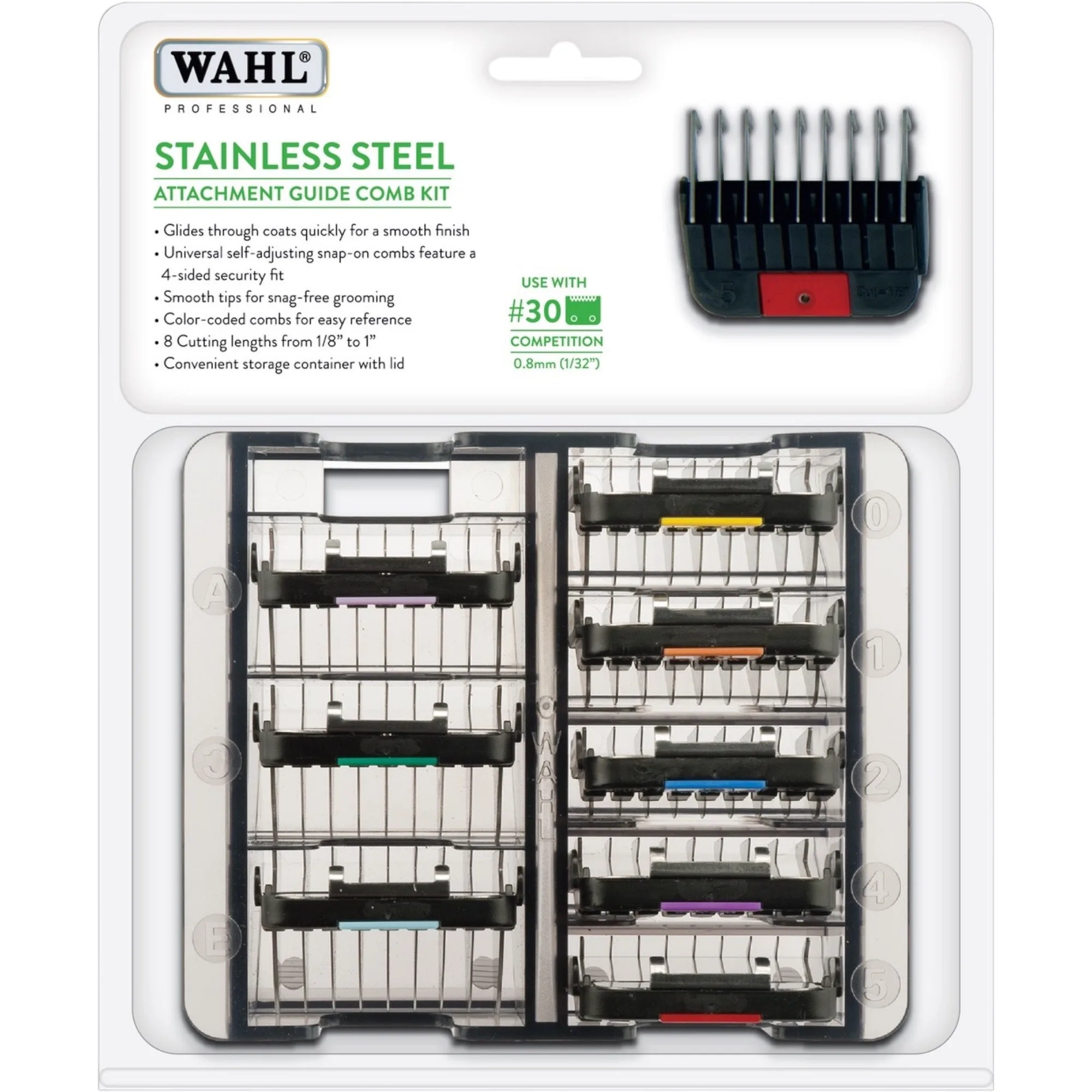
- Wahl Snap-On Stainless Steel Comb Set: This set of 8 attachable comb attachments offers a lived-in look with different lengths and cutting depths and fits securely in any Wahl clipper. If you use attachment combs, you need to oil the blade and comb contact points more often because plastic combs can trap heat and debris.
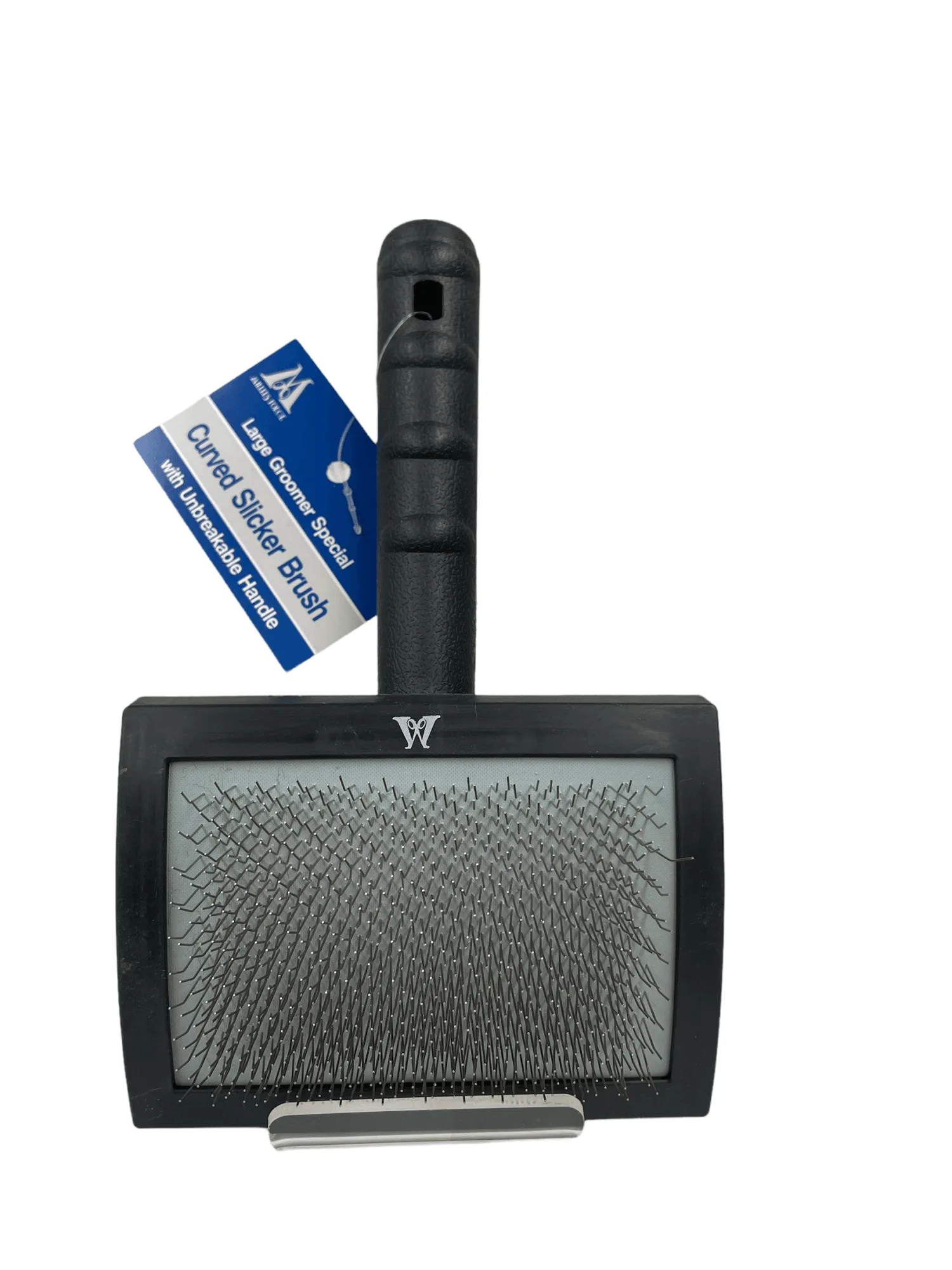
- Millers Forge Curved Slicker-Large: Its curved slicker is designed to reach tricky spots like the underbelly and paws, and its fine bristles remove dirt, debris, and loose fur. Pre-grooming with a slicker removes loose coat and dirt before clipping, which reduces blade friction and lets your coolant and oil work longer.
- Millers Forge Hemostat Straight 5".: Crafted from stainless steel, the 5-inch straight design ensures a secure, comfortable grip and is clinically designed for high accuracy and safety. Stainless steel tools like this hemostat are easy to clean and disinfect between dogs, which keeps grooming tools hygienic alongside your coolant and oil routine.
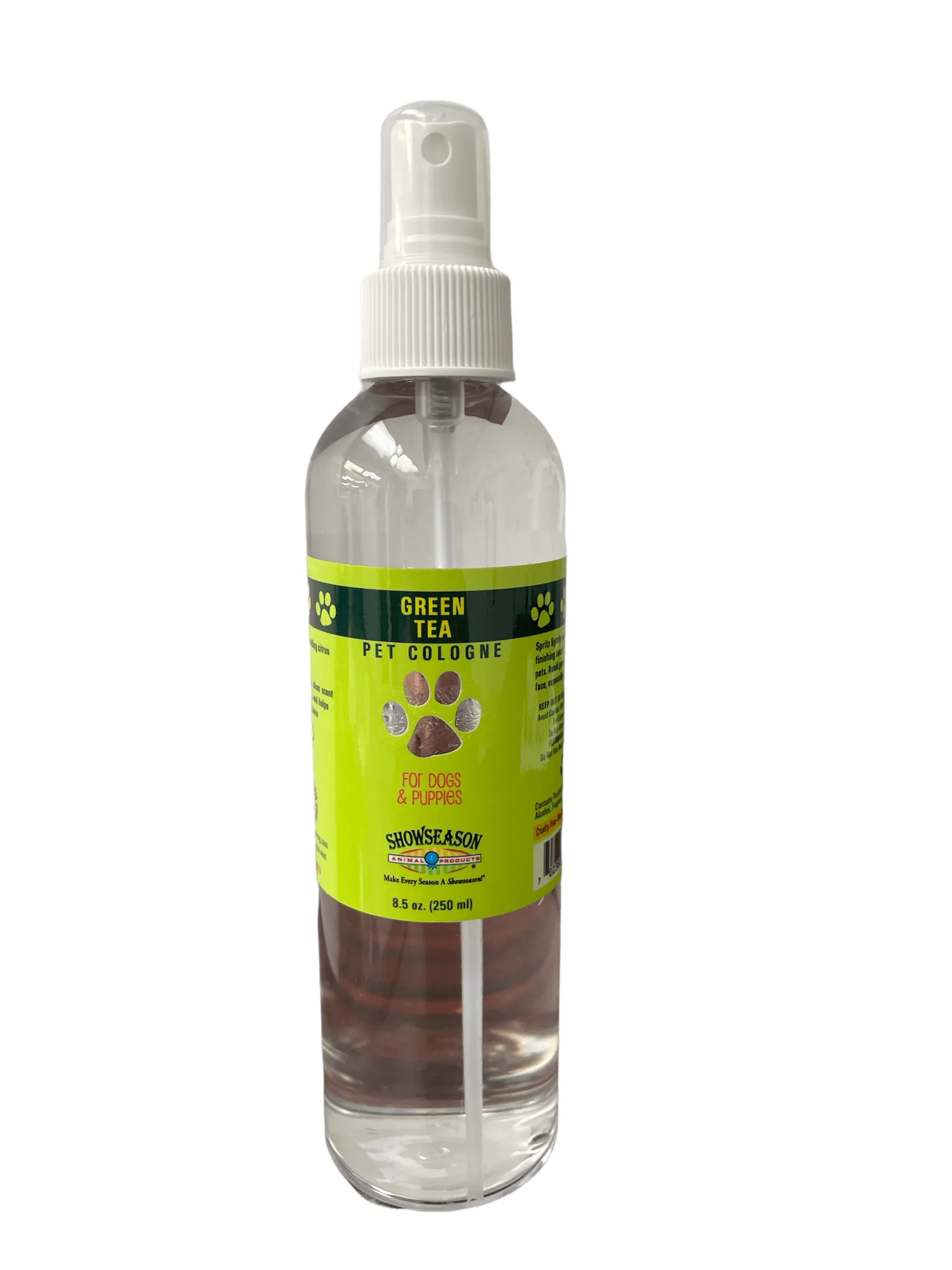
- Showseason Green Tea Cologne-8.5oz.: This cologne controls pet odor between baths and gives the coat a fresh, clean aroma that lasts for weeks without overpowering you or the dog's keen nose. A light cologne is a finishing step after grooming, not a substitute for clean blades; use it after you have oiled and cooled your clippers.
Who this approach fits
Best for
- Home groomers who clip one or two dogs and want a simple two-product routine
- Professional groomers who need a repeatable coolant and oil system for back-to-back appointments
- Groomers working with double-coated or matted breeds who need frequent cooling and lubrication
Not for
- Groomers looking for a single product that both cools and lubricates; you still need oil
- Anyone who wants to skip blade maintenance entirely; no coolant replaces cleaning and sharpening
- Groomers who only use scissors and never run clippers
Pick your coolant by workload and your oil by blade and coat type, then keep both within reach during every groom. If you are unsure, start with a light oil and a pump coolant, and upgrade only when your blades tell you they need more. For most groomers, two well-chosen products beat a shelf of options.