Quick answer
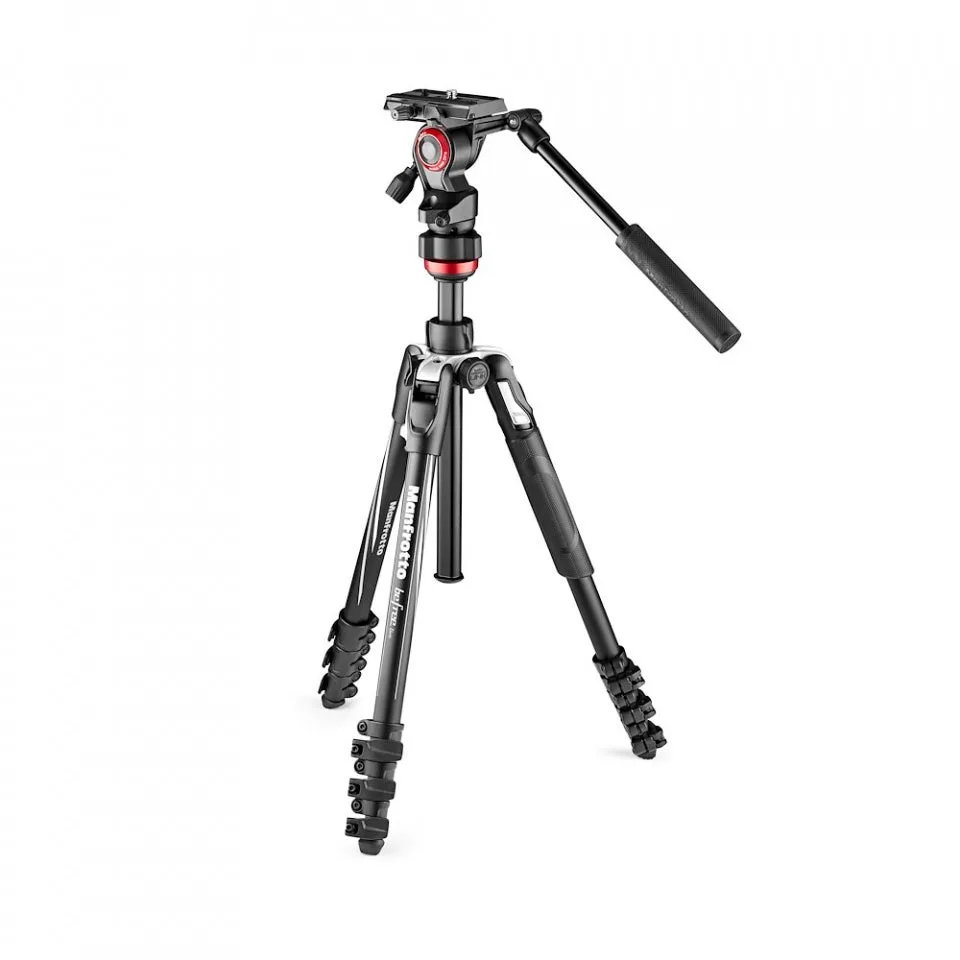
For most mirrorless travel kits, pick a tripod rated at roughly two to three times your camera-and-lens weight, choose lever locks if you set up and break down often, and prioritize folded length over maximum height. The Manfrotto Befree Live Lever Lock Model Tripod is the strongest fit for vloggers and hybrid video shooters who want a compact travel video kit, while stills-first photographers should weigh a dedicated stills travel tripod instead.
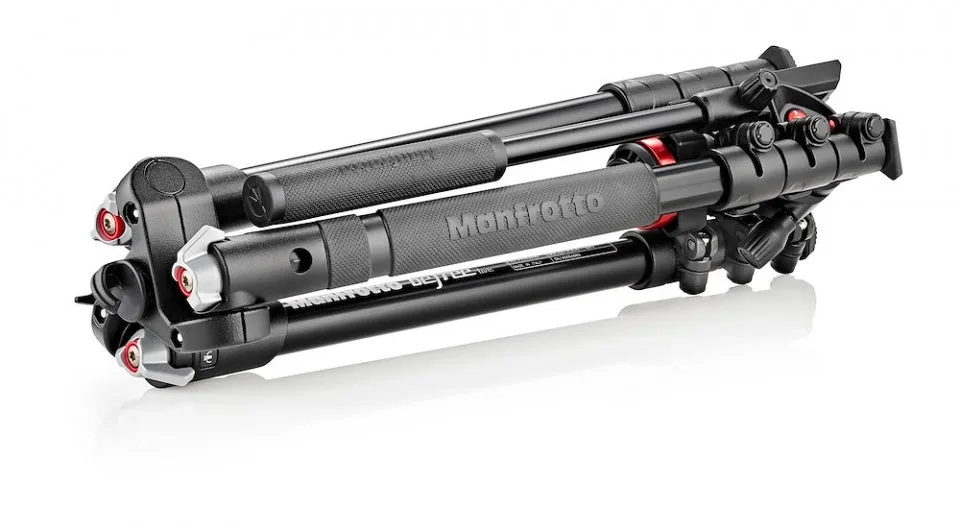
Manfrotto Befree Live
Start with load capacity, not leg count
Load capacity is the maximum weight a tripod head and legs are rated to support, and it is the first number to check because it decides whether your mirrorless camera stays put when you tilt or pan. Add your body, your heaviest lens, a cage or L-bracket, and any mounted accessory such as a microphone or monitor. Then leave headroom: a tripod working near its limit feels vague and drifts, while one with spare capacity locks off firmly.
A practical rule is to choose a tripod rated for at least twice your working kit weight, and closer to three times if you shoot long lenses, use a heavy fluid head, or often shoot in wind. Remember that the head and legs are usually rated together, so swapping to a heavier head can reduce the safe working load even if the legs are strong. If a manufacturer does not publish a capacity figure, treat that as a decision limitation and look for a model that does.
Lever locks vs twist locks: pick by how you shoot
Lever locks clamp each leg section with a flip of the thumb, so you can see at a glance whether every lock is closed. That speed and visual certainty matter when you are moving between shots, setting up on a sidewalk, or working in cold weather with gloves. The trade-off is that levers can catch on straps and bag dividers, and they add a little bulk at each joint.
Twist locks are slimmer and less likely to snag, and many photographers find they pack more neatly into a tight bag. They take longer to open and close, and you need to feel each collar to confirm it is tight. If your routine is shoot, move, shoot again, lever locks usually win; if you set up once and stay put, twist locks are perfectly practical.
Folded length, height and the stability trade-off
Travel tripods are a compromise between folded length, maximum height, and rigidity. A shorter folded tripod fits in a daypack or carry-on, but it often needs its center column raised to reach eye level, and a raised center column reduces stability. Decide which matters more for your typical shot: a compact folded tripod you actually carry, or a taller tripod that keeps the column down.
Check the maximum height with the center column down, not just the advertised maximum. For video, also check whether the tripod includes a fluid or video head and whether it has a leveling option, because smooth pans depend more on the head than on the legs. For stills, a ball head with an independent panning base is usually faster to recompose.
Match the tripod to your mirrorless kit
A compact mirrorless body with a small prime is light enough for a genuinely small travel tripod, and portability should be the priority. Once you add a long zoom, a cage, or a gimbal-style setup, the balance shifts toward stiffer legs and a stronger head, even if the folded length grows. If you shoot both stills and video, decide which mode dominates your travel days before you buy, because a video-first tripod and a stills-first tripod solve different problems.
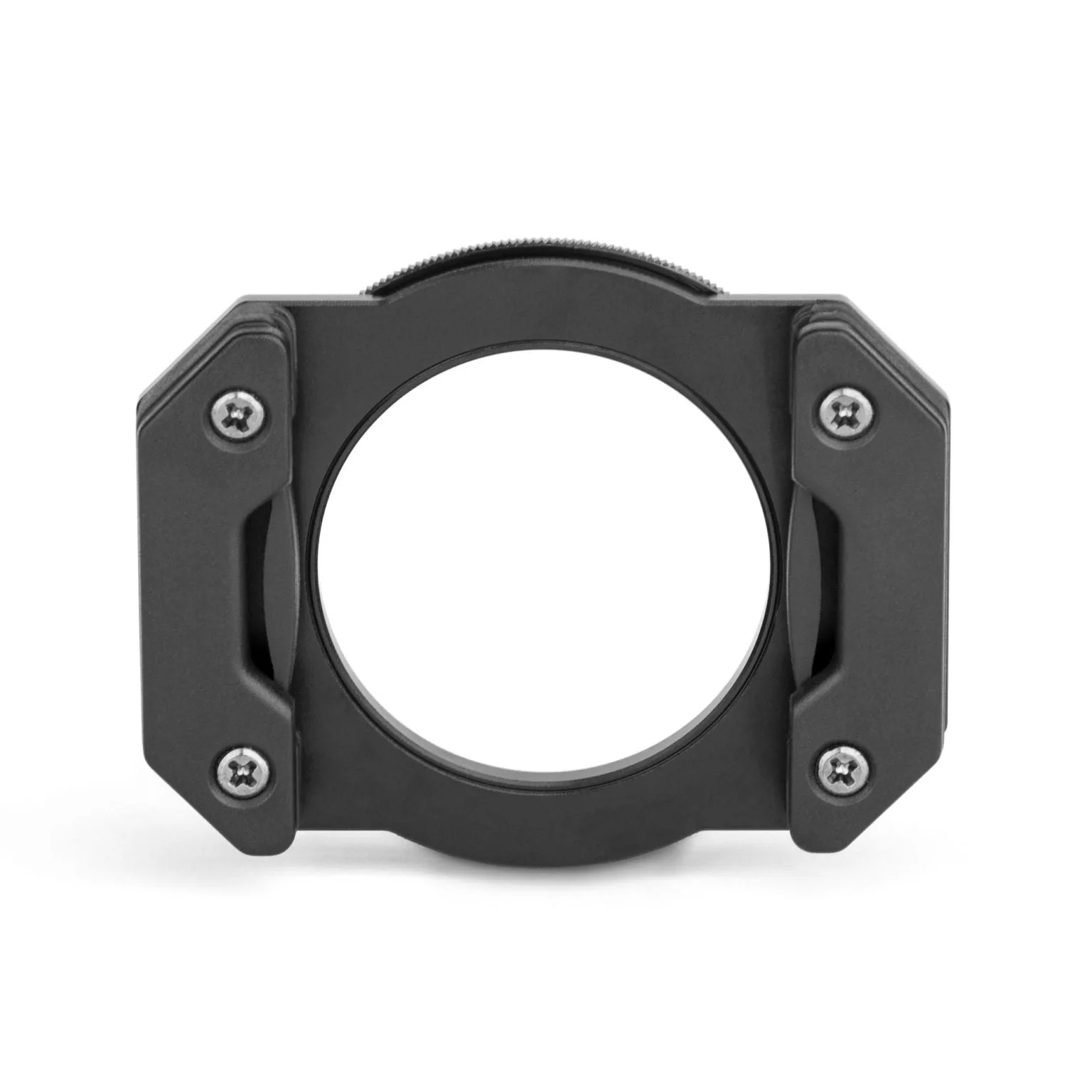
Accessories change the equation too. A square filter holder adds negligible weight but changes how you handle the camera on the tripod, and a compact holder designed for small cameras keeps the front of the lens light. If you use filters on a compact camera while traveling, a holder that rotates a full 360 degrees lets you reposition a polarizer or graduated filter without unmounting anything.
Decision rules for choosing your travel tripod
- Weigh your real kit first: Put your camera, heaviest lens, bracket or cage, and mounted accessories on a kitchen scale. Choose a tripod rated for at least twice that number, and three times if you shoot long lenses or in wind. If you cannot find a published load rating, keep looking.
- Choose locks by workflow: Pick lever locks if you set up and break down many times per outing or shoot in gloves. Pick twist locks if you want a slimmer profile that packs without snagging. Neither lock type is more stable when properly tightened.
- Decide video or stills first: A video-first traveler needs a fluid or video head and smooth panning; a stills-first traveler usually gets more stability per gram from a ball head with a panning base. A hybrid kit is a compromise, so rank your dominant use.
- Measure your bag, not the spec sheet: Check the folded length against the compartment you actually carry, and check maximum height with the center column down. A tripod left at home has zero stability.
Product facts that matter for this decision
- Manfrotto Befree Live Lever Lock Model Tripod: Manfrotto's Befree Live Lever is described as the most compact travel video tripod kit, aimed at hobbyist videographers and vloggers who want maximum performance on the go, with a compact size for easy carrying. If your travel days are video-first, this is the type of kit that pairs lever-lock speed with a video head, so you are not rebuilding a stills tripod for panning shots.
- NiSi P49 49mm Filter Holder for Compact Cameras: The NiSi P49 49mm Filter Holder for Compact Cameras is a square filter holder for compact cameras with a 49mm filter thread, holds two square P1 filters, rotates 360 degrees, and uses an aluminium design; P49 adaptor rings are sold separately. A light filter holder keeps a compact travel kit balanced on a small tripod, but check your lens thread and budget for the adaptor ring before you commit.
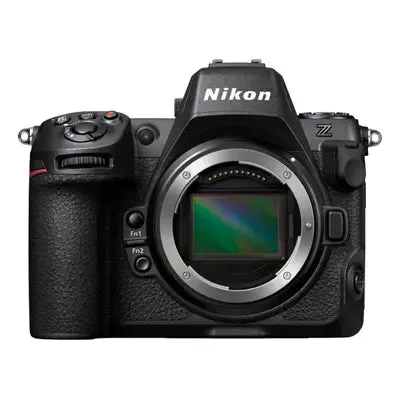
- Nikon Z 8 Body Only: The Nikon Z8 Body Only is a high-resolution mirrorless camera with a 45.7MP FX-format sensor, 8K UHD video, the EXPEED 7 processor, real-time viewfinder, pre-release capture, and rapid-fire autofocus with notable tracking performance. A body in this class with a serious lens pushes you toward the upper end of travel tripod capacity, so weigh load rating before you chase the smallest folded length.
Who should choose which travel tripod
Best for
- Vloggers and hybrid shooters who want a compact travel video tripod with lever locks and a video head
- Travelers who set up and break down frequently and value fast, visible leg locks
- Mirrorless shooters whose kit weight is modest enough for a genuinely small folded tripod
Not for
- Photographers who mainly shoot long telephoto lenses and need maximum rigidity over portability
- Studio or fixed-location shooters who never fold the tripod and should prioritize height and stiffness instead
- Buyers who need a specific load rating that the manufacturer does not publish