Quick answer
Pick your daily cleanser by first identifying your skin type, then choosing a texture (gel, milk, or polish) that removes impurities without stripping moisture.
Why texture matters as much as ingredients
A daily cleanser needs to remove dirt and makeup without disrupting your skin barrier. The texture—gel, milk, or polish—directly affects how much hydration stays in your skin. Gels work well for normal to oily skin, milks suit dry or sensitive types, and polishes offer gentle exfoliation for dullness.
If you have combination skin, you might need two textures: a gel for your T-zone and a milk for your cheeks. Using one cleanser everywhere can leave some areas dry or oily.
The role of your evening routine
Your morning and evening cleansers don't have to be the same. In the morning, a gentle milk or gel removes overnight sweat and leftover products. At night, you may need a deeper clean, especially if you wear makeup or sunscreen. A single daily cleanser can handle both if it's non-stripping and suitable for repeated use.
If you use a retinol or exfoliating product at night, switch to a hydrating cleanser in the morning to avoid over-drying.
4 steps to pick your daily cleanser
- Identify your skin type: Wash your face with water only and wait 30 minutes. If your skin feels tight all over, it's dry. If it looks shiny on the nose and forehead, it's oily. Shiny in the T-zone but tight on cheeks means combination. Redness or stinging suggests sensitive skin. Common mistake: using a foaming cleanser on dry skin. Foam can strip natural oils and worsen tightness.
- Choose a texture that matches your type: For dry or sensitive skin, go with a cleansing milk or cream. For oily or acne-prone skin, a gel or foaming cleanser works well. For dull or uneven texture, a gentle facial polish 2–3 times a week can help. Checkpoint: if you're using a polish daily, stop. Over-exfoliation leads to irritation and breakouts.
- Check the ingredient list for your concerns: Look for hydrating ingredients like glycerin or aloe if you have dry skin. For oily skin, salicylic acid or niacinamide can help. Avoid sulfates (SLS) if your skin feels tight after washing. Common mistake: assuming 'natural' means gentle. Some plant extracts can be irritating on sensitive skin.
- Test the cleanser for one week: Use the cleanser morning and night for seven days. If your skin feels balanced—not tight, not greasy—it's a good match. If you see new breakouts or redness, switch to a different texture or a fragrance-free option. Checkpoint: if your skin feels tight after washing, your cleanser is too strong for daily use.
Product spotlight
-
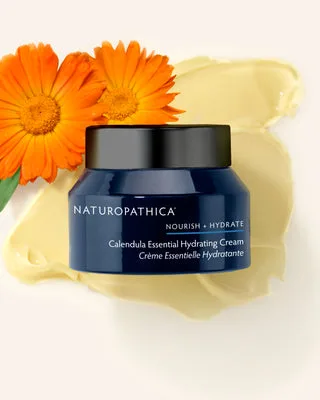
Face Wash & Cleansers: Non-stripping cleansing milk, gels, facial polish & more. For all skin types. This range lets you match texture to your skin type without guessing, so you get a clean face that still feels comfortable.
Face Wash & Cleansers